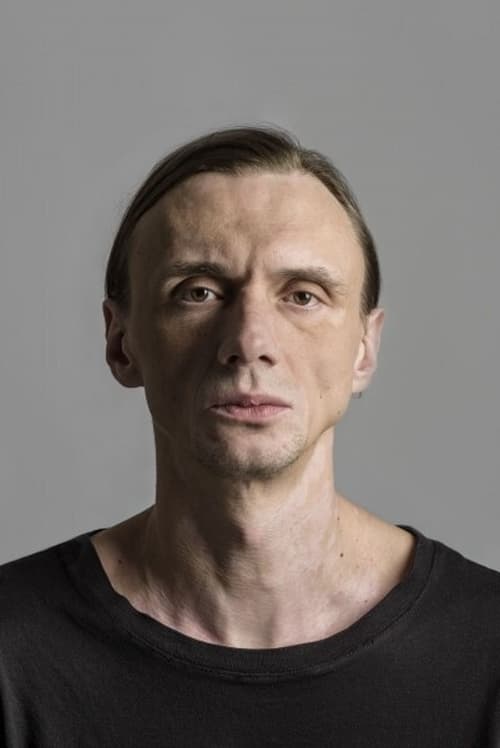
Andrzej Kłak
Acting
Known For
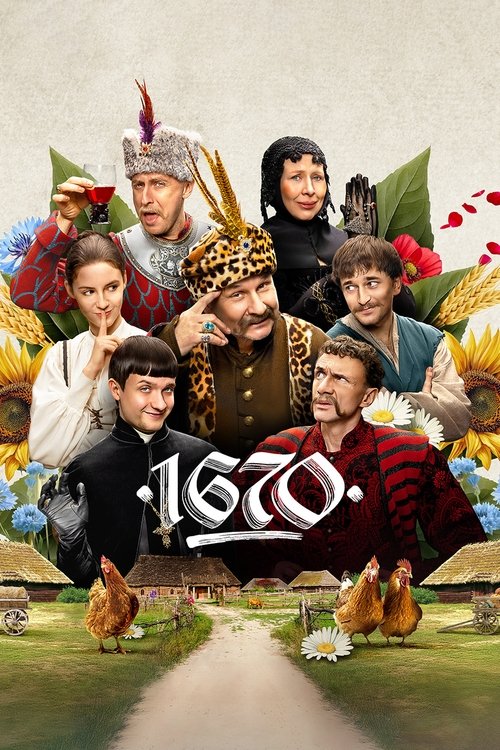
A zany nobleman contends with family feuds and clashes with peasants in his quest to become the most famous person in Poland.
1670
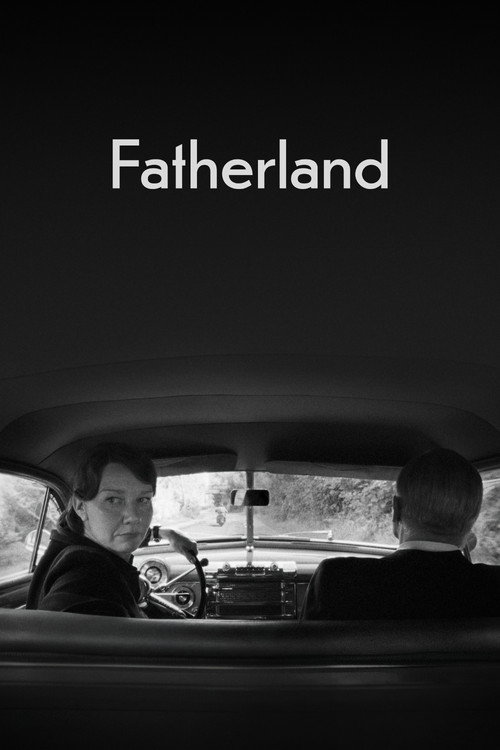
In 1949, German writer Thomas Mann and his daughter Erika embark on a road trip across a Germany in ruins, from US-dominated Frankfurt to Soviet-controlled Weimar.
Fatherland
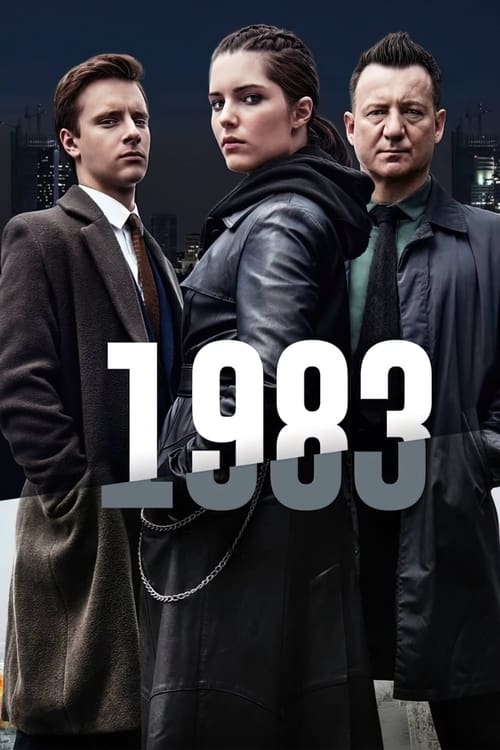
Twenty years after a devastating terrorist attack in 1983 that halted the course of Poland's liberation and the subsequent downfall of the Soviet Union, an idealistic law student Kajetan and a disgraced police investigator Anatol stumble upon a conspiracy that has kept the Iron Curtain standing and Poland living under a repressive police state.
1983
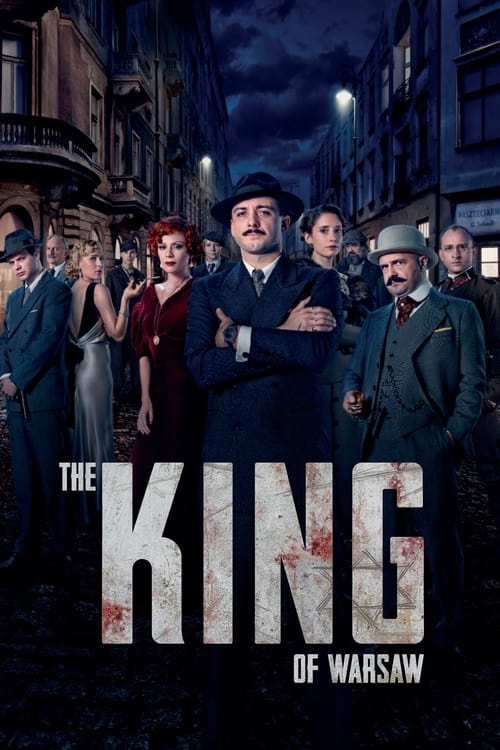
1937 Warsaw, Poland. The Jewish mafia rules the city. Head honcho is gangster socialist, Buddy Kaplica. His right-hand man, boxer, Jakub Szapiro who dreams of taking over Buddy's top spot as King of Warsaw.
The King of Warsaw
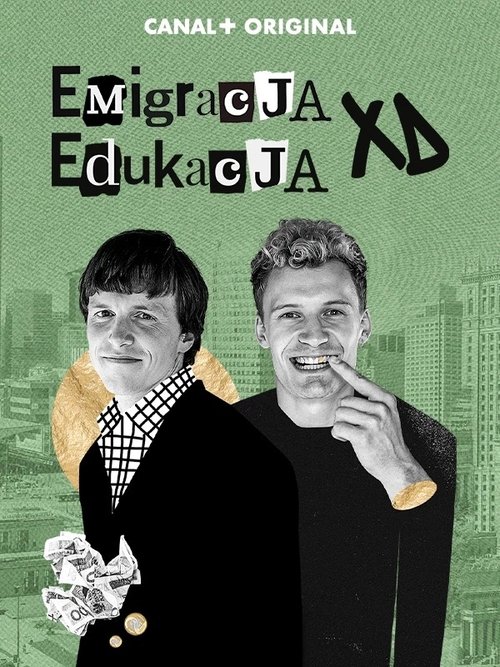
It's the story of two slightly crazy guys who are forced to leave their town, where the annual Gooseberry Days celebration is the biggest attraction, and go to London for work. To say, however, that the tour doesn't go according to plan would be a very mild description of what happens next. The protagonists get separated at the very beginning as a result of a gnarled party. The journey that follows is woven with a plethora of marvelous characters. The viewer will find among them: truckers, gypsy camper traders, anarchist squatters, recidivists hiding from the Polish justice system or go-go club employees.
Emigration XD
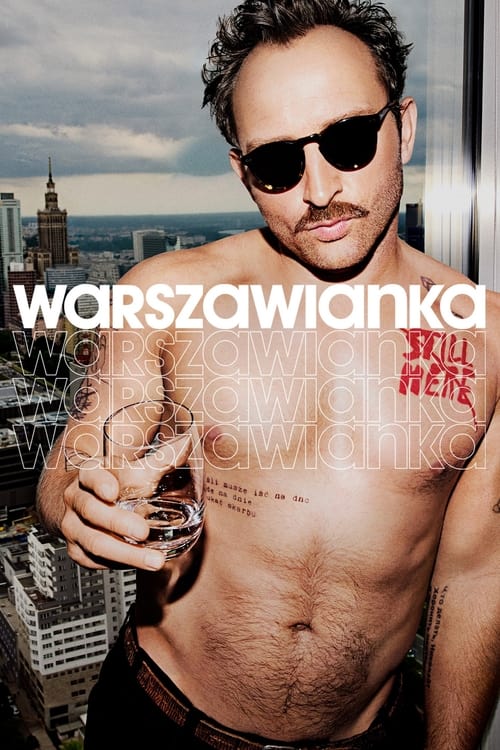
Polish drama series which follows the tragicomic adventures of a 40-year-old urban legend in Warsaw. He is a deeply complex character, an irresponsible party animal, a serial lothario and everyone’s friend at the same time. Behind the veneer he is tormented and self-loathing, trapped by his parents and shackled by the culture and the times that shaped him.
Still Here
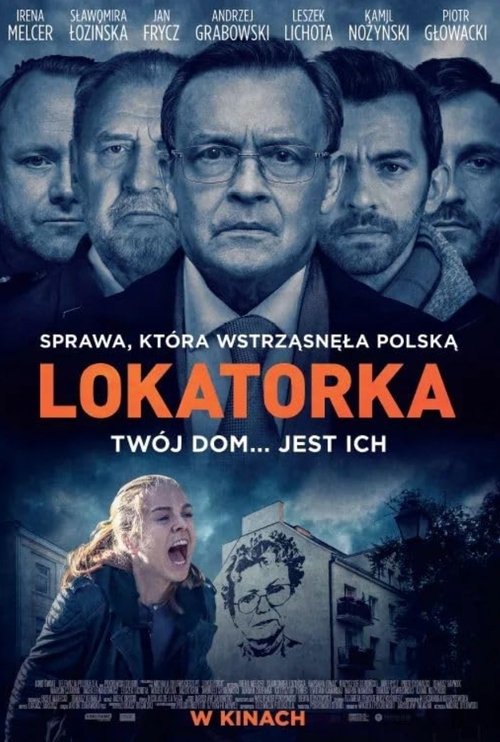
No description available.
Tenant

No description available.
Kowalscy kontra Kowalscy

The action of the film begins in the 1970s – even then, the young protagonist knows that adrenaline tastes better than powdered milk. Over time, he also discovers a desire for money, power, and being above the law. A transformation begins, and his gangster talent blossoms. Together with a friend, they build their own army.
How I Became a Gangster

American ballet dancer Joy Womack is accepted into Moscow's infamously tough Bolshoi Ballet Academy, with the dream of becoming a great ballerina.
The American

No description available.
Kuchnia
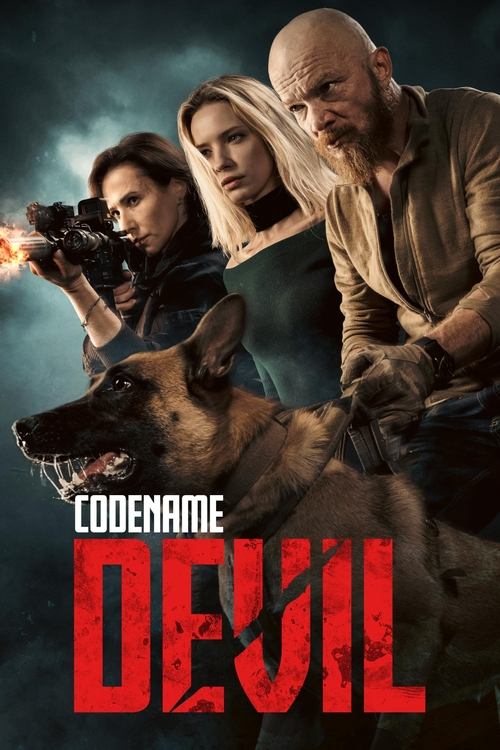
A veteran returns home for his father's funeral, only to find himself waging a new war when horrifying secrets come to light.
Codename: Devil
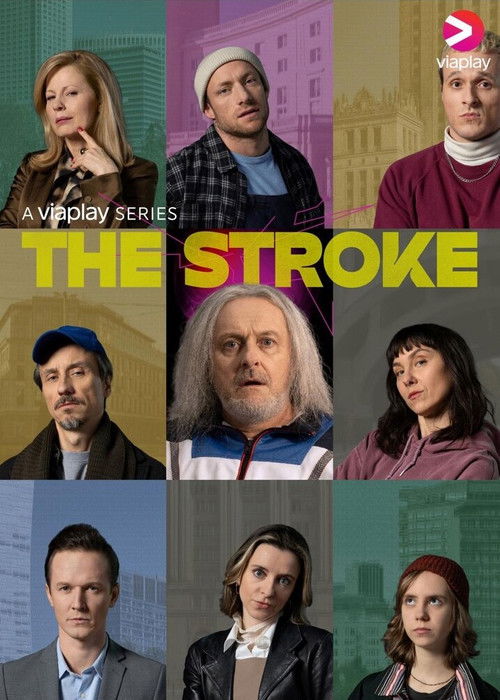
Jacek is a foodie, gay and Warsaw bon vivant who has his own TV show, several similarly eccentric close ones around him and self-destructive tendencies. A dramedy that makes fun of the Polish artistic elite, for whom Warsaw is “the only real Polish city”, cannot be compared to other shows. It is the authorial work of playwright and screenwriter Pawel Demirski. He wrote it from the beginning with the intention of presenting a hero contrasting with the burnout syndrome often felt today - a vital madman who believes the best is yet to come.
The Stroke
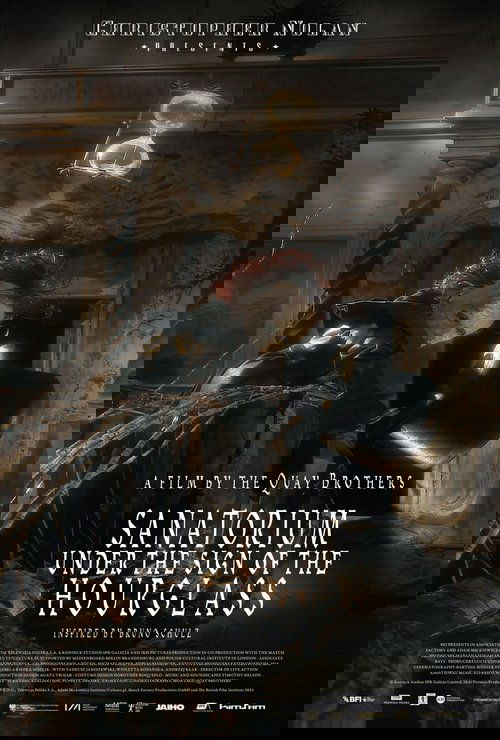
Jozef embarks on a journey via a ghostly train to visit his dying father in a remote Galician sanatorium. Upon arrival, he discovers that the sanatorium exists in a realm where time is distorted—his father's death has not yet occurred, as time here lags behind the outside world by an undefined interval. Jozef's experiences become increasingly fragmented and dreamlike as he confronts various manifestations of his father, each representing different aspects of their relationship and his own psyche.
Sanatorium Under the Sign of the Hourglass

When, despite being in your thirties, you are still living with your parents. When you're short of cash, your girlfriends aren't getting along, and your life increasingly tastes of cheap discount beer - then you recognize that it's high time to finally change something. Such conclusions are reached in unison by Albert, Marcin and Jacek - three buddies from the housing estate, who, after a series of business disasters, finally come up with an idea on how to make a nice profit. Thus is born a plan for a daring plot that will lead the heroes into the middle of a big wedding, where not only money, but also a chance for a hot romance awaits them. Along the way, all they have to do is not to spoil anything. And with that, as we all know, things can vary. Sometimes it's easier said than done to do something yourself.
We'll Be Fine
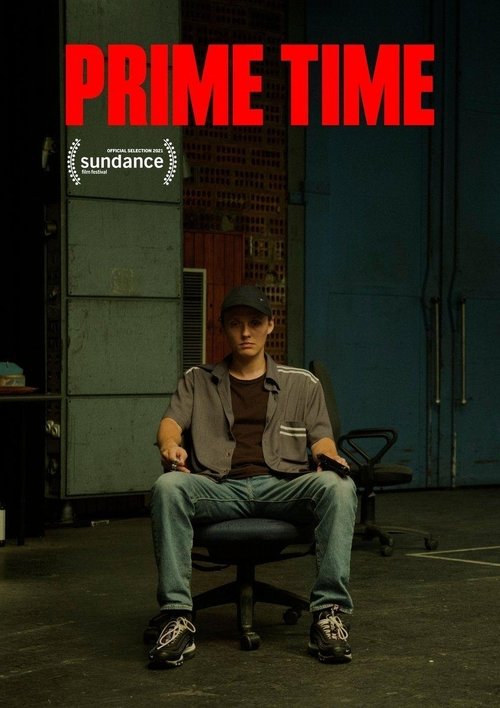
On the last day of 1999, 20-year-old Sebastian locks himself in a TV studio. He has two hostages, a gun, and an important message for the world. The story of the attack explores a rebel’s extreme measures and last resort.
Prime Time
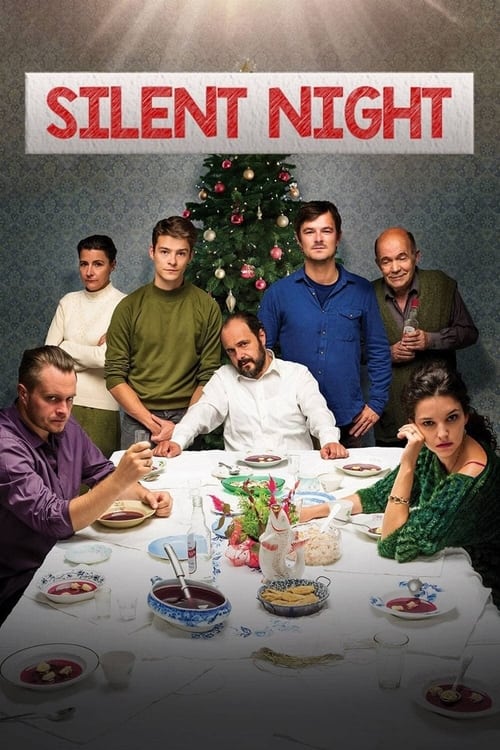
Adam unexpectedly visits his family house at Christmas after a few years of working abroad. No family member knows about his secret plans and the real reasons of his visit.
Silent Night
Four siblings on the verge of coming-of-age try to build their independent lives without losing the bonds that connect them.
No Ghosts on Good Street

Ola sets off to Ireland to bring her father's body back to Poland after he dies in a building site accident. But never mind her dad, Ola wants to know if he had saved money for the car he had promised her. Dealing with foreign bureaucracy in her own streetwise way, Ola will get to know her father.
I Never Cry

In a series of linked stories, women navigate and challenge a dystopian future ruled by sexual duty, emotional repression, and patriarchal dominance.