Directing
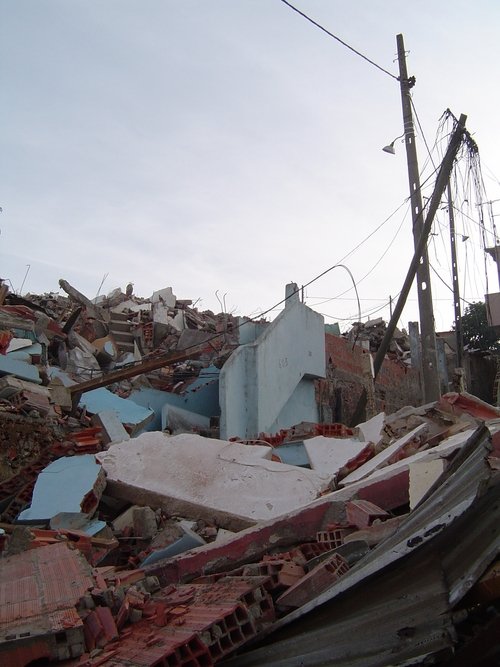
A path for tourists on their way to the Castle of São Jorge, the Pátio Dom Fradique was once a popular courtyard where around sixty families used to live.Today, ruins of their houses are the unique remains.There, the erased memories of the old city history and the frenzy of the new Lisbon give way to a contemporary urban tale.
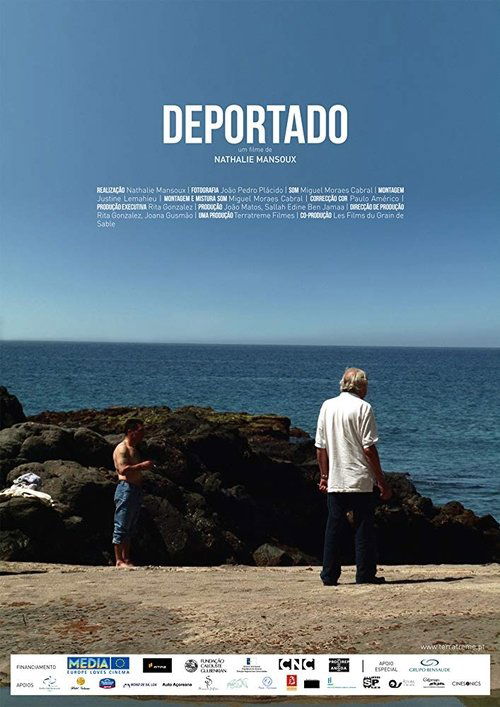
The forced repatriation of Azorean migrants from the US has resulted in tragic consequences for the deportees and their families. Leaving the islands at a young age, and raised in the US, they remember little of the Azores upon their return. Separated from loved ones and barely speaking Portuguese, their struggle leaves them disconsolate. Lost in faraway memories, the deportees come to abide in an open sky prison of abandoned hopes.
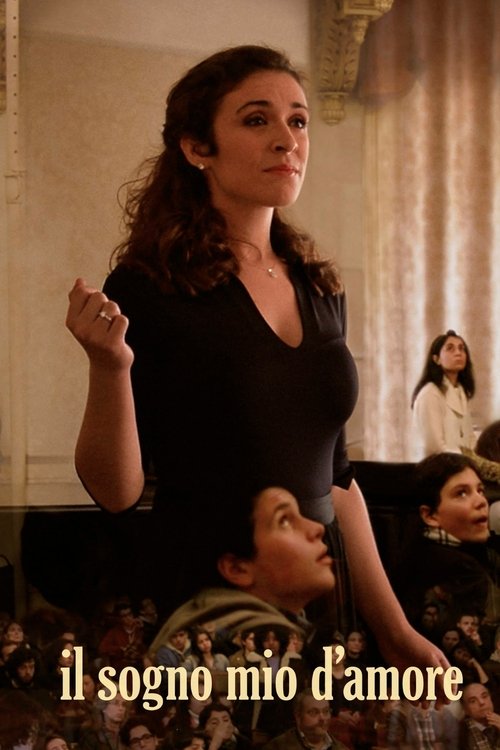
For two years, we filmed in an ancient convent of the seventeenth century, which houses the Conservatory of Music of Lisbon. Moved by our love for this anachronistic place, for the music that is played there and for the richness of its teaching, Il Sogno mio d'amore immerses us into the universe of the transmission of music between teachers and pupils. Sounds and words mingle with gestures, form a unique language and reveal what is most profound in the human being: the expression of his sensibility.
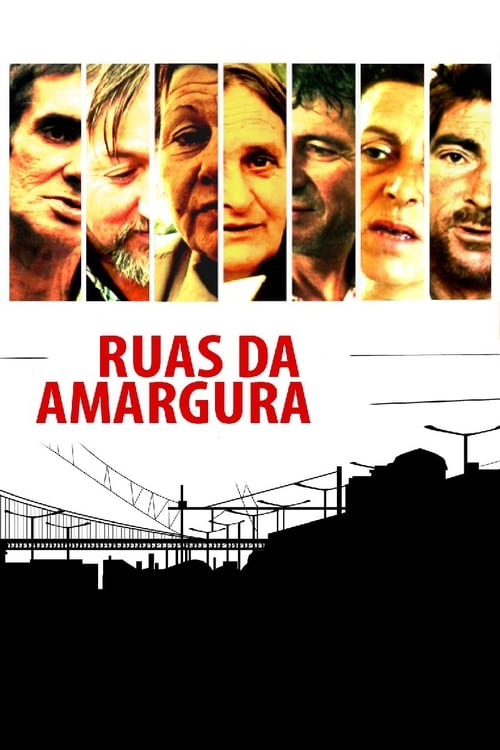
The paths of pain are populated by men and women of all ages, suffering from lack of affection, lack of money, mental problems, alcoholism and drug addiction, or they are simply people who have come to Portugal in search of a life that is a little better. On the other side of this path there is a veritable anthill of volunteers, social welfare workers and different technical assistants who construct and maintain support structures, some of them thinking of better days, and others institutionalising this help without believing that the phenomenon can be cured.
The last inhabitants of Azinhaga dos Besouros, in the outskirts of Lisbon, don’t have any legal right to rehousing. They live their district’s demolition, where it will be built a rapid access road in the future.