Directing
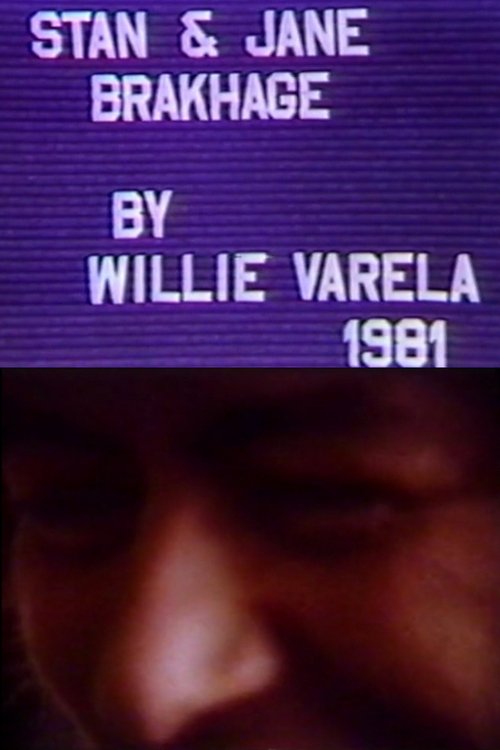
A poignant portrait of Stan and Jane Brakhage visiting Juarez.
Compiles scenes from medical films; observations of street life; scenes of protest in San Francisco, in the aftermath of Harvey Milk's assassination; and images from mass media (break dancing, rocket launches, Reagan at the start of his second term), all with the characteristic skip of the television set's signal.
The filmmaker documents both public-facing aspects of his life as an artist and more personal details about marriage and fatherhood in this long-form diary film.
The third part of Willie Varela's Moon trilogy.
A straightforward documentation of a performance by the Voladores given in Dolores Park, San Francisco, in June of 1984.
Filmmaker George Kuchar relates various childhood traumas, including his obsession with the ‘lean people'.
A document of a family celebration in a suburban backyard.
Varela's reflections on home and place before embarking on one of his major life changes, moving from El Paso to San Francisco.
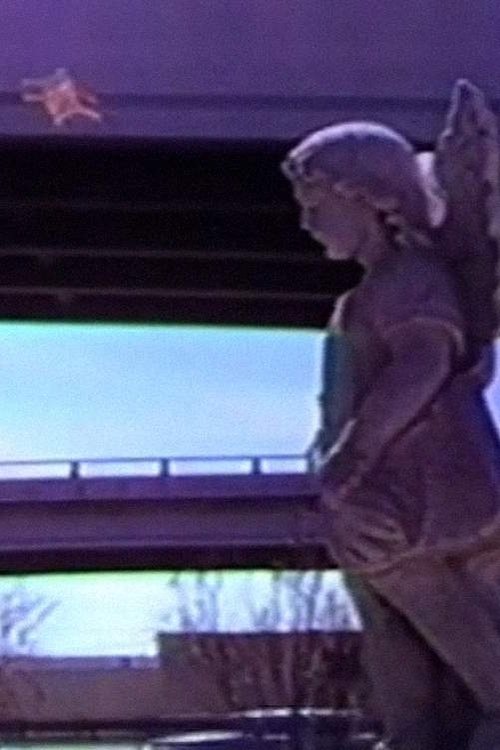
A poetic study of the Concordia Cemetery.
A Super-8 film by Willie Varela
Life in a goldfish bowl
8mm film that restricts itself to material shot in a San Antonio motel room and an apartment in El Paso.
Literally, ‘Together in Life, United in Death.' Writing found on a gravestone in a cemetery in San Miguel de Allende, Guanajuato, Mexico. Death's shadow everywhere.
A silent Super 8 film by Willie Varela.
A Super-8 diary portrait by Willie Varela
A film in the Moon Trilogy by Willie Varela
"A series of catalogs of light, "light journals" if you will, dealing with everyday, ordinary realities in such a way that the surrounding light becomes tactile and intimately expressive." -WV
2004, video, sound, 16:37
"Ghost Town is a study of wrecked buildings, Varela's camera panning across the strange beauty of the rusted metal, broken glass, and rotting wood of the structures, eventually discovering another symbol of time, a tree that Varela animates by his dynamic exploration." Stephen Broomer
"Varela’s use of the diptych form suggests many things: a Warholian endorsement of dispersed attention, a citation to image-in-image news media, an act of forced similitude. Unlike Warhol’s treatment of the diptych, Varela is not ambivalent to these images, which shift between personal observation, archival materials, commercial and news images, all cited to state an unambiguous outrage[...] the whole of it is weighted with heavy omens, that this age of cruelty and menace is still only in its infancy." -Stephen Broomer