Directing
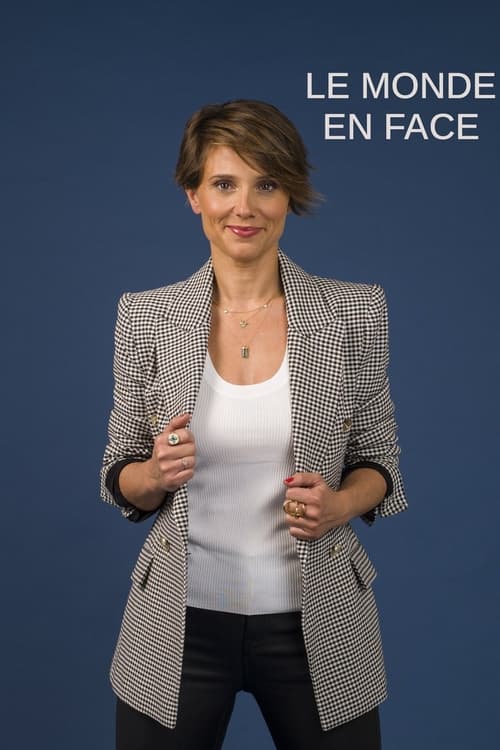
Des documentaires, des films aux points de vue affirmés et des débats pour raconter la société française et le monde d'aujourd'hui, ses fractures et ses combats, pour décrypter la nouvelle donne géopolitique et les enjeux de la mondialisation.
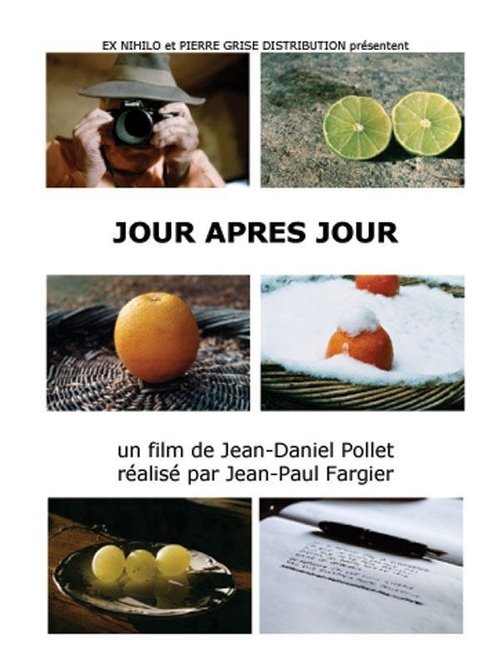
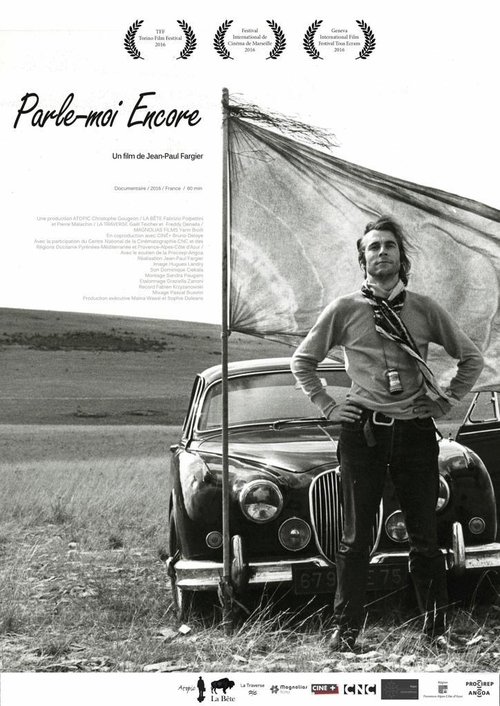
Il habite le monde comme sa maison : immobile. Un grave accident l'a cloué là, en ce point du monde : une maison au milieu d'un grand jardin. Il ne peut plus parcourir le monde : il le contemple jour après jour depuis sa maison. Il est cinéaste. Il n'a vécu que pour faire des films. Toujours un de plus : envers et contre toutes les circonstances. Il imagine faire un film avec toutes ses images fixes, se ranimant par conjonction, juxtaposition, succession. Il en isolerait, dans le lot innombrable, ce qu'il en faut pour voir une année s'écouler, quatre saisons, jour après jour. Jour après jour serait le titre. Le programme. Le seul scénario. Une année s'y écoulera. Une toute petite année parmi les milliards d'années du monde. Une vie s'y imprimera. Une petite vie parmi les milliards de vies du monde.
Aucune description disponible.
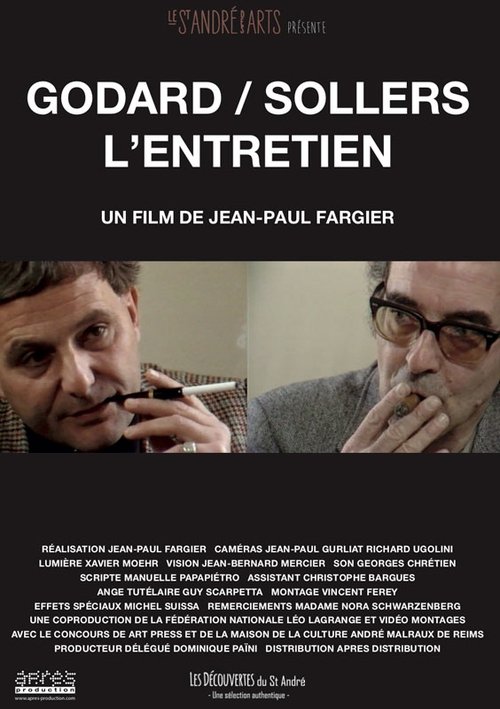
Entretien entre Jean-Luc Godard et Philippe Sollers en 1984 au moment de la sortie du film « Je vous salue Marie ».
Documentaire sur la grève des usines Doux à Port-Launay
Jean Cocteau a été comme peu d’autres un artiste dans le siècle. Sa soif de découvertes et de connaissances l’entraînait à se coltiner avec tous les arts, la littérature et la poésie, les arts plastiques, le cinéma et le théâtre et même la danse et la musique. Cet éclectisme a été alimenté tout au long de sa vie par une profusion de rencontres artistiques et amoureuses.
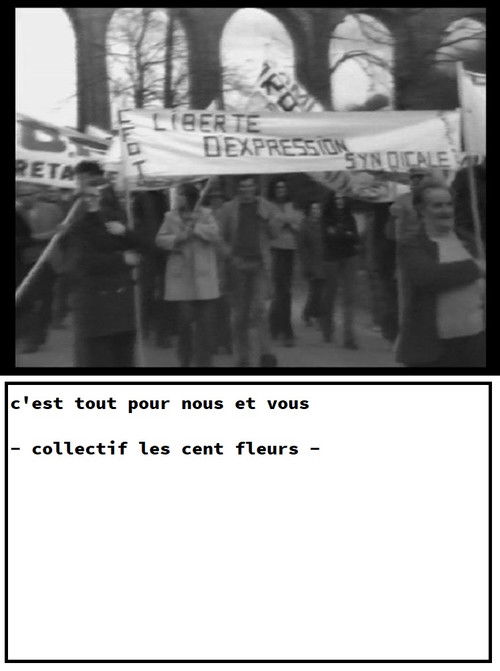
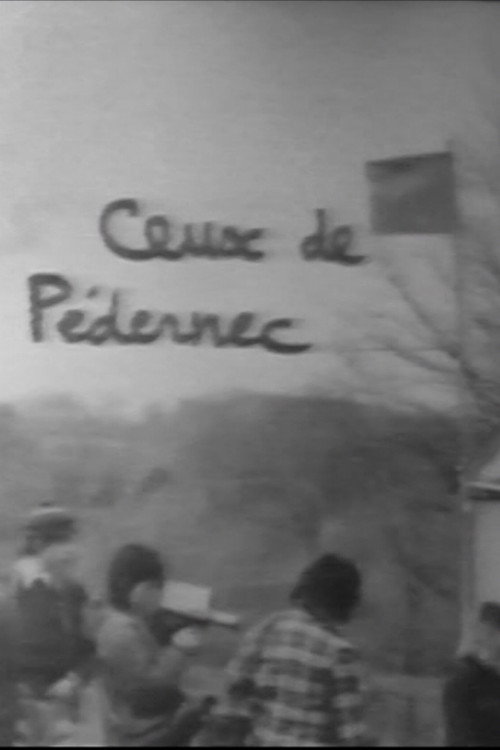
Danielle Jaeggi filme avec le collectif Les Cent Fleurs les ouvriers en grève de l'usine Doux de Pédernec (22).
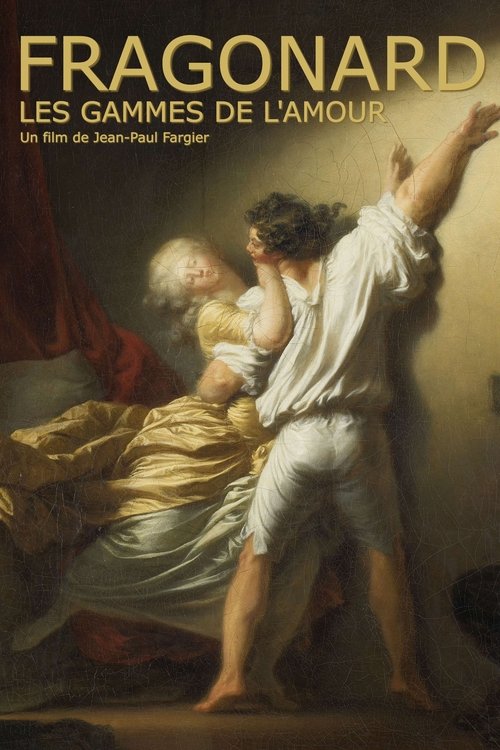
Au siècle des Lumières, le libertinage s'exprime dans les arts avec la recherche du bonheur et des plaisirs charnels ; le Marquis de Sade écrit La nouvelle Justine, Mozart compose Don Giovanni... et Fragonard peint l'Escarpolette. Il traduit ainsi le siècle qui se libère des contraintes religieuses et philosophiques pour défendre la liberté amoureuse et bien sûr sexuelle. Ce documentaire aborde la complexité des relations du peintre à l'Amour car il n'est pas que le peintre du libertinage. Il raconte aussi sa relation à son entourage et au siècle qui l'a révélé.
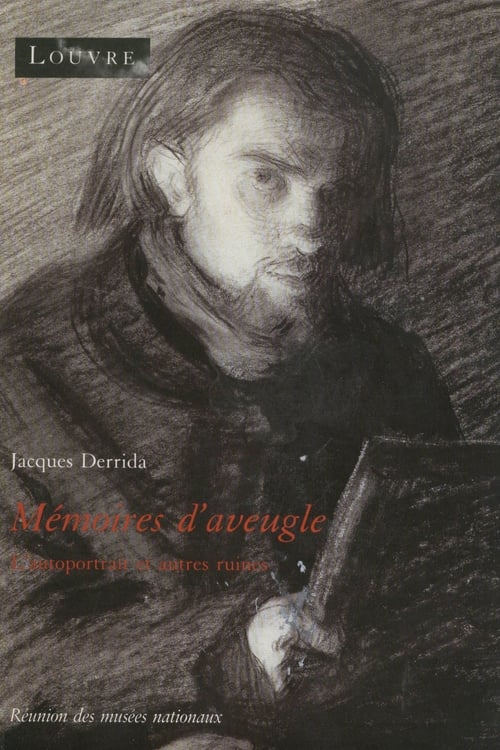
En 1990, le Louvre a proposé au philosophe français Jacques Derrida de créer un produit visuel et philosophique basé sur les matériaux de l'exposition du musée. Le philosophe a choisi l'image de l'aveugle dans la peinture. Dans le film, Jacques Derrida réfléchit aux dessins de l'exposition «Parti-pri» du Louvre. Le réalisateur capture la pensée naissante et, par divers moyens représentatifs, nous permet de voir les rapprochements que Jacques Derrida établit entre le geste de l'artiste et celui de l'aveugle.
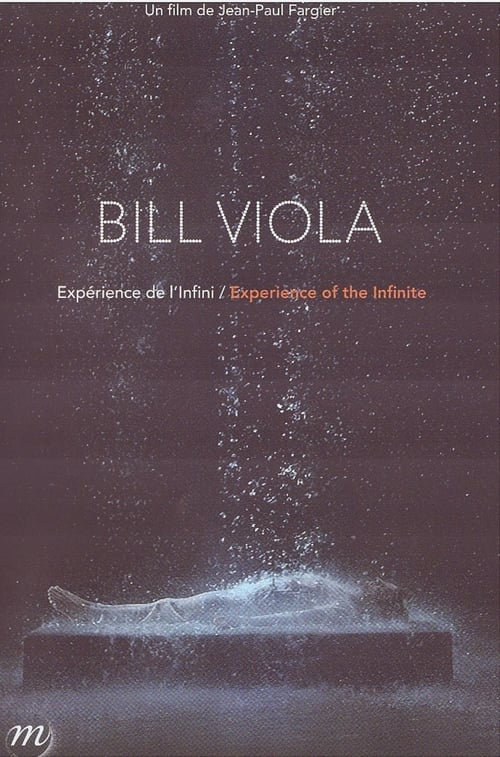
Ce film nous permet de comprendre le parcours spirituel, la quête artistique et l'expérimentation technologique d'un pionnier de l'art vidéo, Bill Viola, que l'on a décrit comme un « sculpteur du temps ».
La palette de Goya s’étend de tableaux joyeux, plaisants et colorés qui montrent la vie du peuple espagnol, jusqu’aux sinistres toiles, étranges et angoissantes, intitulées les « peintures noires » de la dernière période. Entre les deux, une coupure… Goya devient sourd. À travers tableaux, dessins et gravures, le film interroge les raisons qui ont poussé Goya, peintre de la Chambre du roi, précurseur de la peinture moderne et fabuleux portraitiste, à devenir le témoin implacable des atrocités de son temps.