Acting
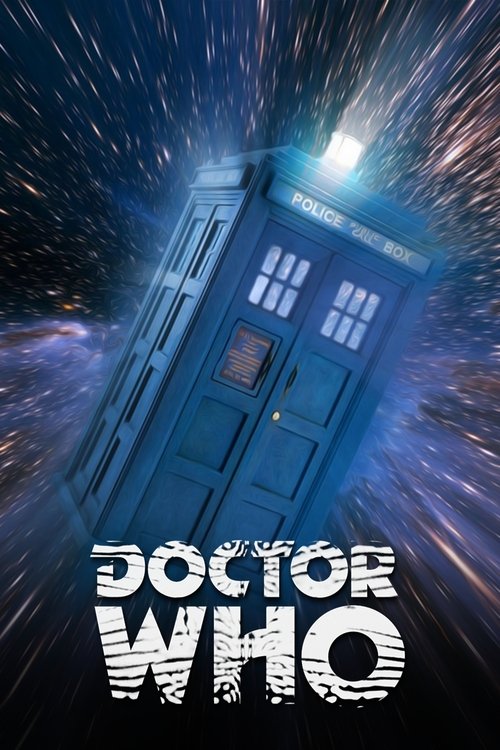
The adventures of The Doctor, a time-traveling humanoid alien known as a Time Lord. He explores the universe in his TARDIS, a sentient time-traveling spaceship. Its exterior appears as a blue British police box, which was a common sight in Britain in 1963 when the series first aired. Along with a succession of companions, The Doctor faces a variety of foes while working to save civilizations, help ordinary people, and right many wrongs.
Omnibus was an arts-based BBC television documentary series, broadcast mainly on BBC1 in the United Kingdom. The programme was the successor to the long-running arts-based series 'Monitor'. It ran from 1967 until 2003, usually being transmitted on Sunday evenings. During its 35-year history, the programme won 12 Bafta awards. Among the series' best remembered documentaries are Cracked Actor, a profile of David Bowie, and Rene Magritte, a graduate film by David Wheatley, 'Madonna: Behind the American dream', a film produced by Nadia Hagger, and a profile of the British film director Ridley Scott. For a season in 1982, the series was in a magazine format presented by Barry Norman. The series was replaced by 'Imagine' hosted by Alan Yentob.
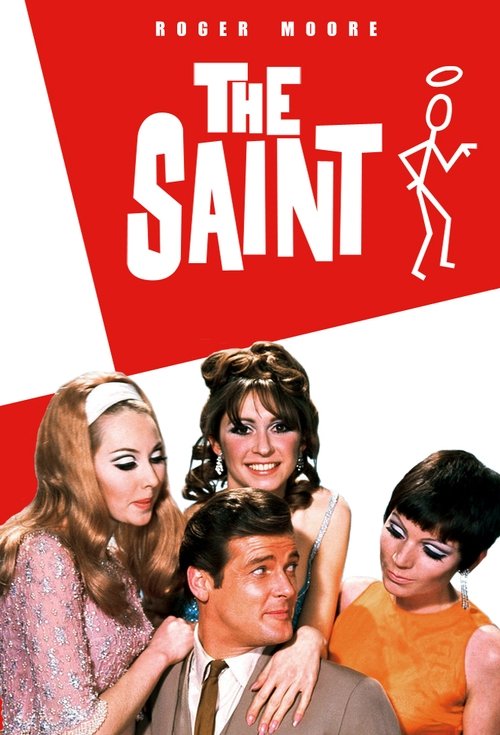
Simon Templar is The Saint, a handsome, sophisticated, debonair, modern-day Robin Hood who recovers ill-gotten wealth and redistributes it to those in need.
Jim Bergerac is a detective sergeant in The Foreigners Office who likes to do things his own way. While dealing with his own personal demons Bergerac has a knack of finding trouble, and sometimes causing it.
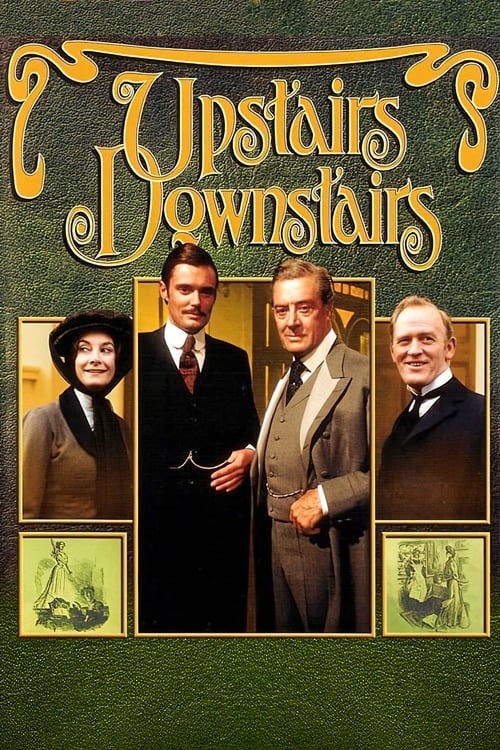
Upstairs: the wealthy, aristocratic Bellamys. Downstairs: their loyal and lively servants. For nearly 30 years, they share a fashionable townhouse at 165 Eaton Place in London’s posh Belgravia neighborhood, surviving social change, political upheaval, scandals, and the horrors of the First World War.
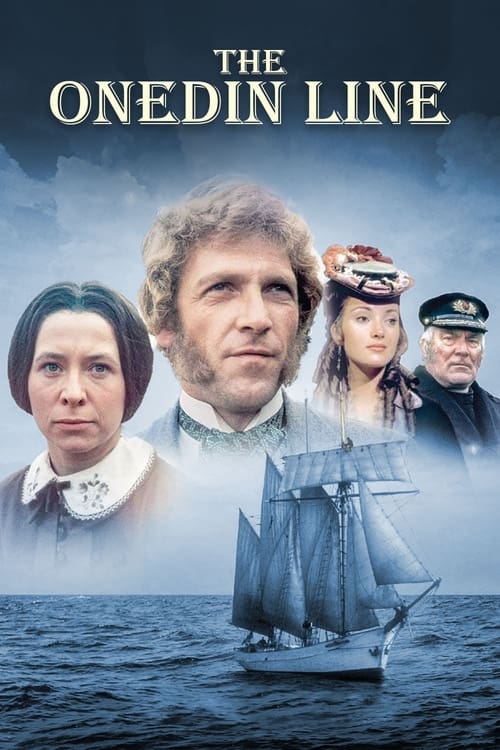
The Onedin Line is a BBC television drama series which ran from 1971 to 1980. The series was created by Cyril Abraham. The series is set in Liverpool from 1860 to 1886 and deals with the rise of a shipping line, the Onedin Line, named after its owner James Onedin. Around this central theme are the lives of his family, most notably his brother and partner, shop owner Robert, and his sister Elizabeth, giving insight into the lifestyle and customs at the time, not only at sea, but also ashore. The series also illustrates some of the changes in business and shipping, such as from wooden to steel ships and from sailing ships to steam ships. It shows the role that ships played in affairs like international politics, uprisings and the slave trade.
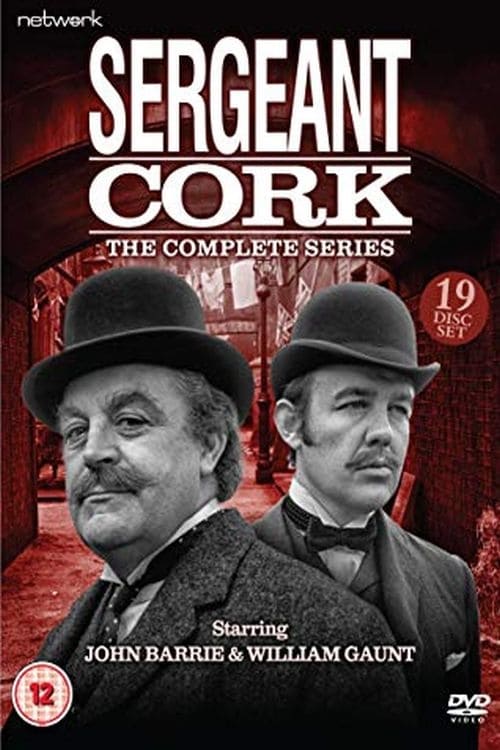
Sergeant Cork is a British detective television series which first aired between 1963 and 1968 on ITV. It was a police procedural show that followed the efforts of two police officers and their battle against crime in Victorian London. In all 66 hour-long episodes were aired during the five-year run, although the last episode was not broadcast until January 1968, 16 months after the others. Journalist Tom Sutcliffe has credited it as a first example of the use of the Victorian-era policeman in a television crime series. A 1969 review in The Age opined that rather than suspense, the strengths of the series were its "excellent period settings and wonderfully thick pea-soupers" which "add up to splendid evocative stuff", as well as the performance of star John Barrie. At no time during the whole series is Sergeant Cork's first name given.
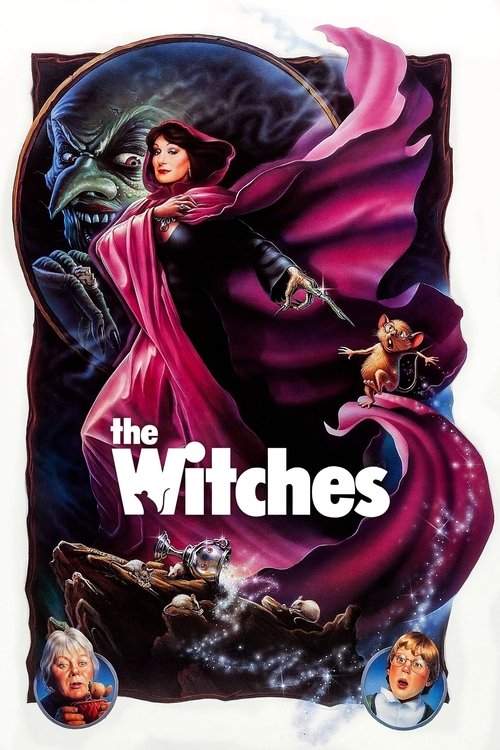
While staying at a hotel in England with his grandmother, Helga, a young boy named Luke inadvertently spies on a convention of witches. The Grand High Witch reveals a plan to turn all children into mice via a magical formula. When they discover the eavesdropper, the witches test the formula on him. Now, with the help of Helga and hotel manager Mr Stringer, Luke the mouse must fight back against the witches.
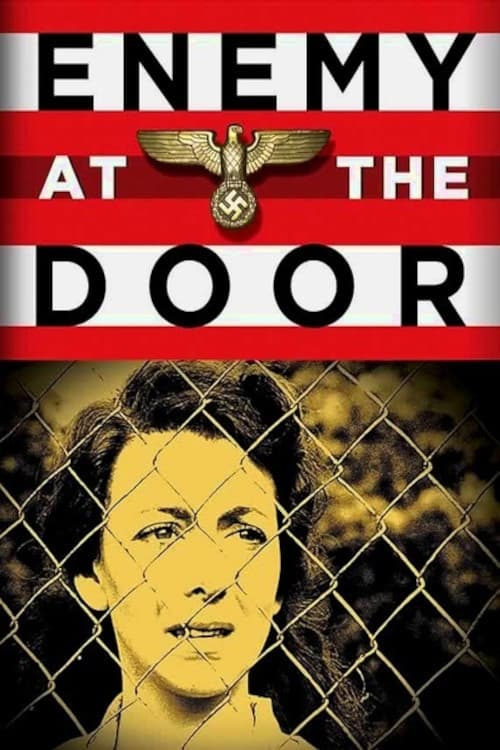
Enemy At The Door is a British television drama series made by London Weekend Television for ITV. The series was shown between 1978 and 1980 and dealt with the German occupation of Guernsey, one of the Channel Islands, during the Second World War. The programme generated a certain amount of criticism in Guernsey, particularly for being obviously filmed on Jersey despite being ostensibly set on Guernsey. The series also marked the TV debut of Anthony Head as a member of the island resistance. The theme music was by Wilfred Josephs.
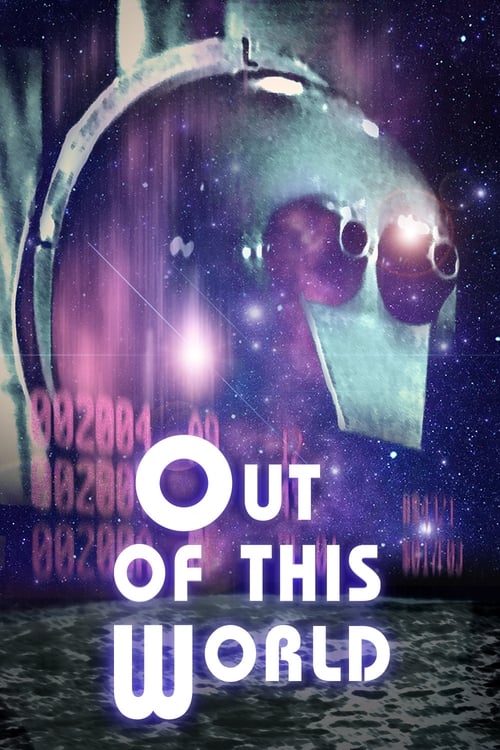
Out of This World is a British science fiction anthology television series made by ABC Television and broadcast in 1962. A spin-off from the popular anthology series Armchair Theatre, each episode is introduced by actor Boris Karloff. Many episodes are adaptations of stories by sci-fi writers including Isaac Asimov, Philip K. Dick and Clifford D. Simak. The series is generally seen as a precursor to the BBC science fiction anthology Out of the Unknown.
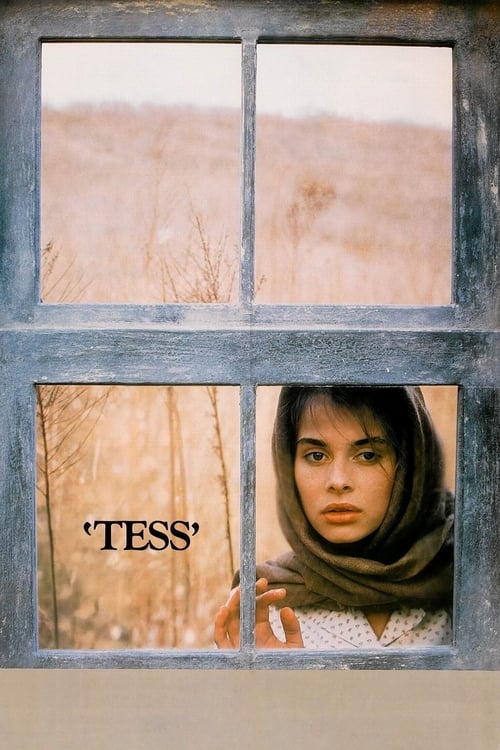
A strong-willed peasant girl is sent by her father to the estate of some local aristocrats to capitalize on a rumour that their families are from the same line. This fateful visit commences an epic narrative of sex, class, betrayal, and revenge.
A strand of annual British short television adaptations of classic ghost stories, referencing the oral tradition of telling supernatural tales at Christmas. First broadcast on BBC One from 1971 to 1978, and revived in 2005 on BBC Four.
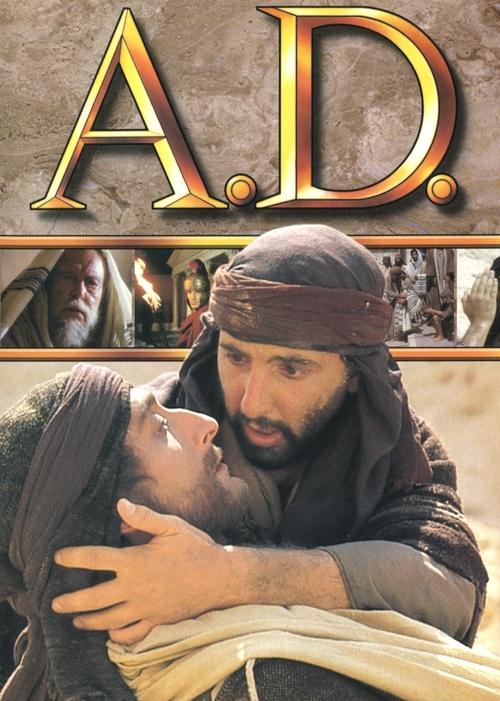
A.D. is a 1985 television drama miniseries created and written by Vincenzo Labella and Anthony Burgess, based on Burgess' historical novel The Kingdom of the Wicked. The five-part serial is considered the third and final part of a trilogy, preceded by Moses the Lawgiver (1974) and Jesus of Nazareth (1977). Set just after Jesus' Crucifixion, the lives and adventures of His disciples are explored, and events in Rome during the reigns of Emperors Tiberius, Caligula, Claudius and Nero.
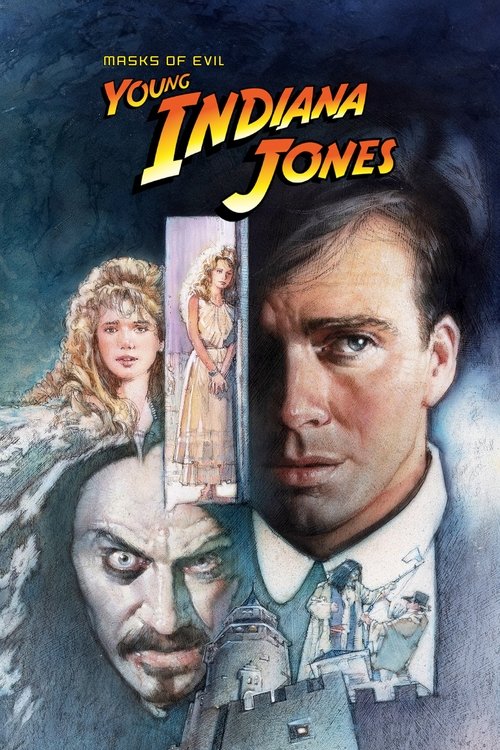
A top secret mission for French Intelligence brings Indy to Istanbul during the first world war. Exploring the city's dark and dangerous streets, he is thrust into a web of betrayal and murder when he discovers a vile Turkish plot to assassinate French espionage agents. Evil of a more enduring kind awaits him in Transylvania where he engages in a mortal combat with bloodthirsty Vlad the Impaler and his horrific army of the living dead. With his life at stake, Indy must garner all his strength and wits in order to defeat the fiend and save mankind.
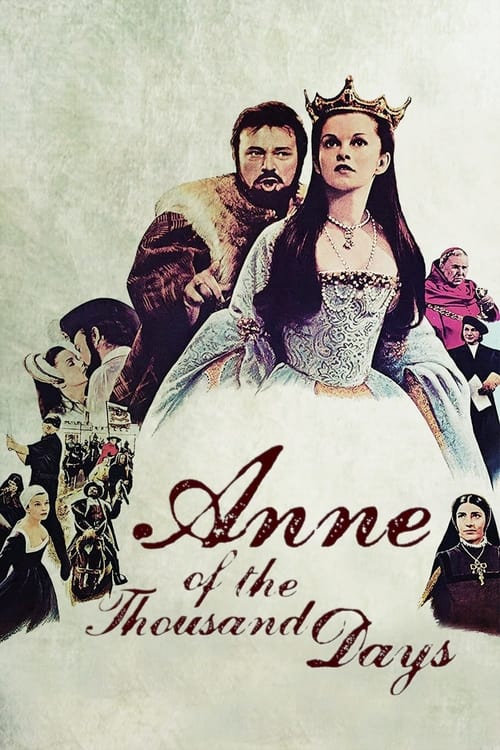
Henry VIII of England discards his wife, Katharine of Aragon, who has failed to produce a male heir, in favor of the young and beautiful Anne Boleyn.
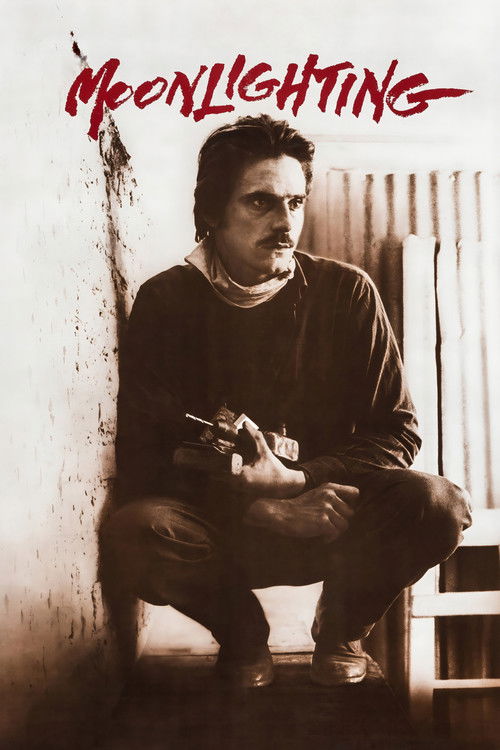
A Polish contractor, Nowak, leads a group of workmen to London so they can provide cheap labor for a government official based there. Nowak has to manage the project and the men as they encounter the tempations of the West and loneliness and separation from their families. Nowak is the only one of the group who speaks English, and he uses this as a tool over his team. When the unrest in Poland leads to a military takeover, Nowak is faced with a much more difficult situation than he expected.
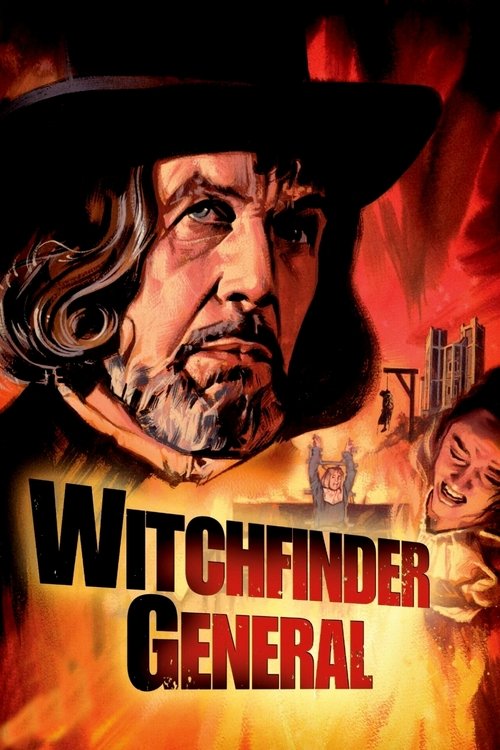
England, 1645. The cruel civil war between Royalists and Parliamentarians that is ravaging the country causes an era of chaos and legal arbitrariness that allows unscrupulous men to profit by exploiting the absurd superstitions of the peasants; like Matthew Hopkins, a monster disguised as a man who wanders from town to town offering his services as a witch hunter.
The deputy manager of a London bank has worked out a way to rob the branch of £200,000. When he becomes involved with the attractive Lady Dorset he decides to go ahead with his plan. He needs her help and that of her philandering spendthrift husband. It all comes down to a matter of trust.
Mike Upchat is an unsuccessful novelist who lives out of a railway station locker - he has the gift of the Gab and changes his life story every episode to impress different women - basically he reinvents himself to score.
Three Trinidadians consider what it means to be exiles in an essentially white society.