Directing
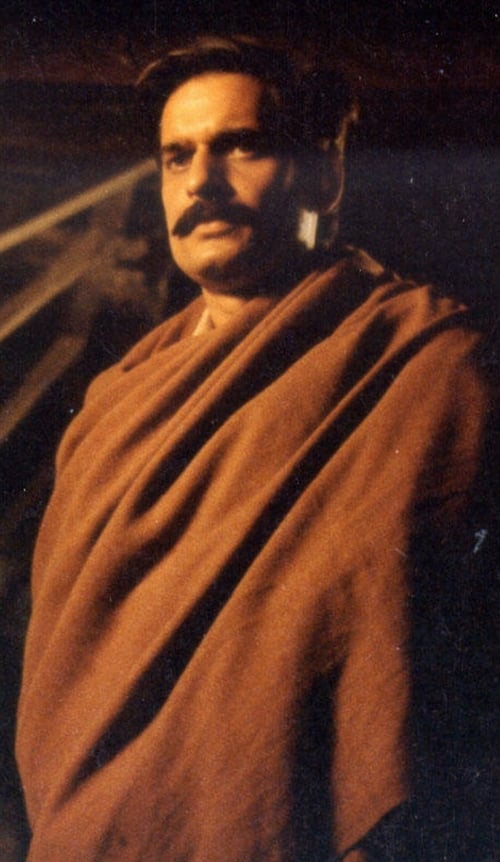
Ill-fated love set against the epic canvas of India's partition into Hindu Indian and Pakistan. Lajma, a beautiful school teacher with greying hair, leaves Pakistan for her childhood home in India. There she discovers that the home is in ruin, her aging aunt is half senile, and her cousin Gautam is bitter and defeated. Flashback to 1947 when India splits in two - a proud old Muslim man, along with his grieving daughter-in-law, take in a couple of impoverished Hindus, Chand and Bhagwati, into their home. Later, Chand's mute sister Lajjo arrives with her young daughter Lajma. Suffering from some unnamed past trauma, Lajjo is eventually sent to an asylum, leaving Lajma with her uncle. Lajma recalls her aborted relationship with the childhood friend and her inability to understand what her lover was going through, as well as her lover's inability to acknowledge a latent bisexuality. But the most difficult memory to deal with is that of her mother, brutalised during the riots.
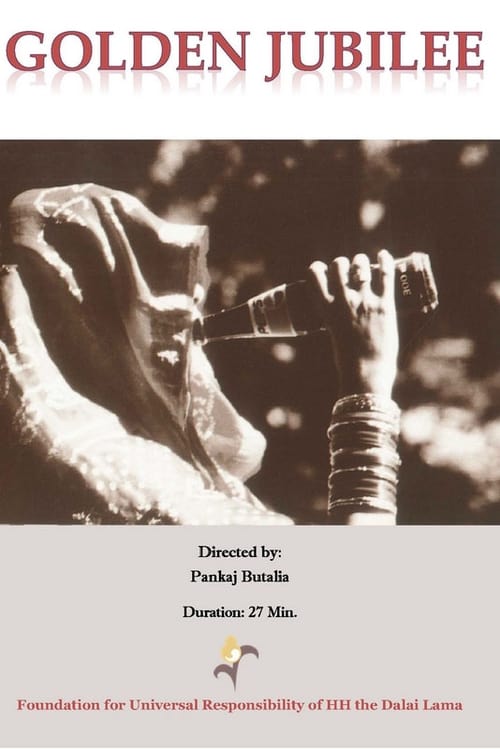
For over two decades now, the regularity of unmitigated violence has left daily life in Kashmir in tatters. The violence has had an impact on almost every home and many families have no adult male members. The film looks at the impact of this violence on the lives of those left bereft by it. Women affected by the loss of their close ones have somatized the psychological devastation they have suffered onto their bodies. Young people have nothing to look forward to and a depressing environment has a cascading effect on children who see sadness and tragedy all around them.
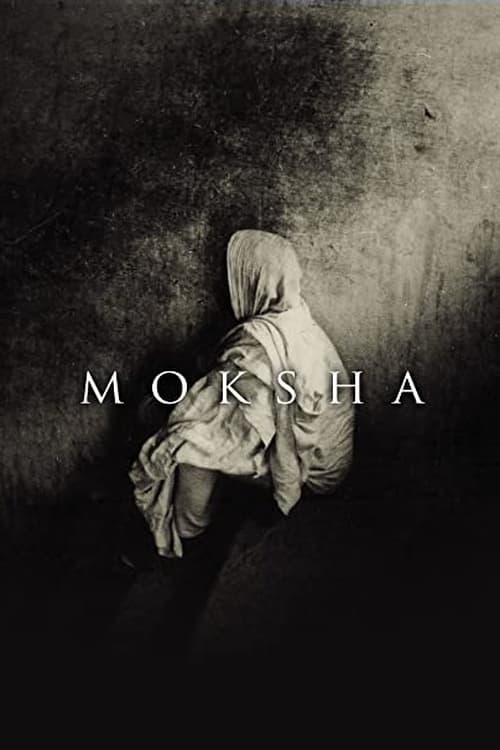
Abandoned by their families to lives of penury, marked by white veils which they wear, Bengali widows find solace and food in the ashrams of Vrindavan where they gather every morning and evening to sing religious songs. In this profoundly moving documentary on widowhood portrayed both as social institution and personal tradition, moments of astonishing sensuous beauty alternate with rhythms of anguish. In the best of the new ethnographic tradition, ‘Moksha’ de-centres the voices of authority and allows a plurality of voices to introduce contesting positions. Haunting in it_s evocation of grief and anger, the film transcends documentary and assumes it_s place in the great tradition of lamentation, the expression of the dark night of the human soul.
No description available.