Jules Bastin
Acting
Biography
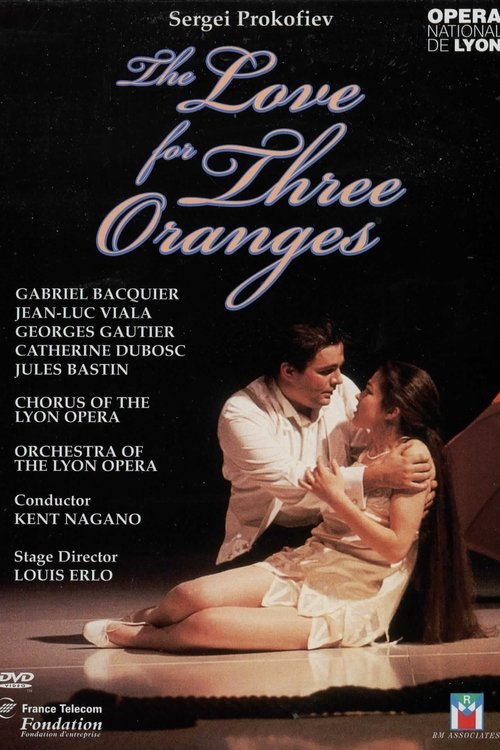
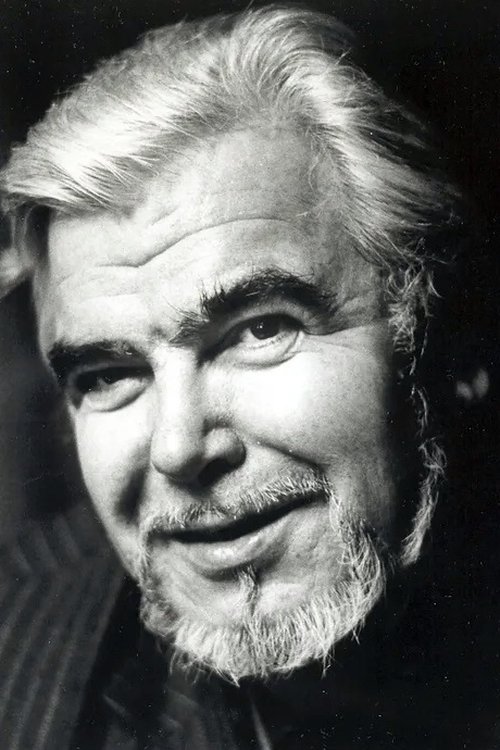
Jules Bastin (18 August 1933, Brussels – 2 December 1996, Waterloo) was a Belgian operatic bass who excelled in both serious and comic roles, and left several recordings. Born in Pont-Bellevaux-Ligneuville, he was briefly a teacher of German, French and history before vocal studies in Brussels led to a professional singing career. He won prizes at singing competitions in Verviers, Toulouse, 's-Hertogenbosch and Munich. Bastin made his debut in 1960 at La Monnaie, singing Caronte in L'Orfeo. He appeared at major opera houses throughout Europe, including the Royal Opera House, La Scala, and the Palais Garnier; he also sang at festivals in Salzburg, Edinburgh, Aix-en-Provence and Florence, and in America at Buenos Aires, Philadelphia and Toronto. He was known for playing roles from a variety of operatic traditions, from Monteverdi to Berg, but he was perhaps most famous for singing the Baron Ochs in Richard Strauss's Der Rosenkavalier; his "fine, full-toned voice, presence and gift for comedy make him a superb Ochs". In buffo style roles he sang Mozart's Osmin and Don Alfonso, Rossini's Dr Bartolo and Donizetti's as Sulpice, which "exploited his gifts as a buffo bass", as well as recording several Offenbach operettas. In 1979 he took place in the premiere of the three-act version of Lulu in Paris as the Theatre Director. In Verdi opera he portrayed Ramfis and the Grand Inquisitor, both "exploiting his resonant delivery and exemplary diction". The New York Times reported: "Mr. Bastin sang the starring bass roles in Verdi's Don Carlo and in operas by Mozart, Wagner and other composers. Although best known for his sensitive interpretation of works in French and Italian, his favorite role was that of Baron Ochs in Der Rosenkavalier". The obituary in Opera noted he was "accomplished as an actor and as a singer, he excelled in roles calling for display of character". After becoming successful in opera, he continued to teach music at the Royal Music Conservatory in Brussels. Bastin left a range of recordings representative of his repertoire, and the Bibliothèque nationale de France site lists several video recordings with him in, Les Trois Souhaits ou Les vicissitudes de la vie from Lyon (the captain, 1991), L'étoile (Siroco, 1986), and L'amour des trois oranges (female chef, 1989). Source: Article "Jules Bastin" from Wikipedia in English, licensed under CC-BY-SA 3.0.