
August Šenoa
Writing
Biography
August Ivan Nepomuk Eduard Šenoa (1838–1881) was a Croatian novelist. Born to an ethnic German and Slovak family, Šenoa became a key figure in the development of an independent literary tradition in Croatian and shaping the emergence of the urban Croatian identity of Zagreb and its surroundings at a time when Austrian control was weaning. He wrote more than ten novels, among which the most notable are: Zlatarovo zlato (The Goldsmith's Treasure; 1871), Čuvaj se senjske ruke (Pirates of Senj; 1876), Seljačka buna (Peasants' revolt; 1877), and Diogenes (1878). In his novels, he fused national romanticism characterized by buoyant and inventive language with realistic depictions of the growth of the petite bourgeois class. In 2008, a total of 182 streets in Croatia were named after August Šenoa, making him the person with the seventh most streets in the country named after him.
Known For
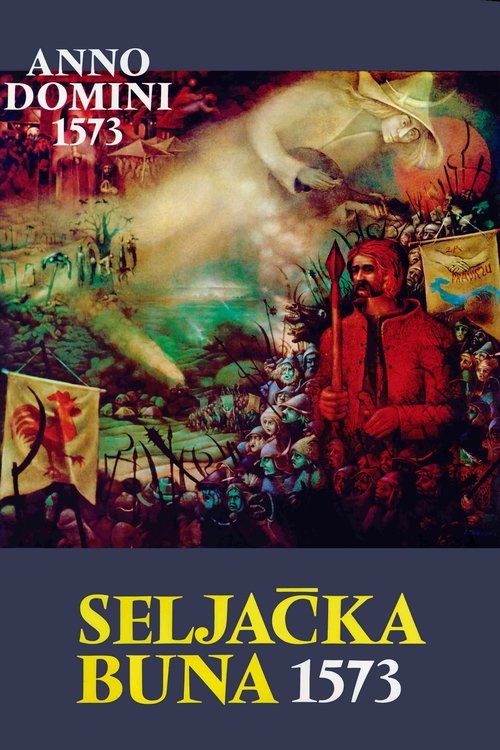
Europe in second half of 16th century was very rough place to live. Peasants of Slovenia and Croatia had even rougher times because of the constant threat of Turk raids and being taxed to death in order to provide defence against the Turks. But, the worst things were arrogant local feudal lords led by Franjo Tahi who were oppresing the common folk. All that led to the great peasant revolt of 1573. The movie is made for the 400th anniversary of the event.
Anno Domini 1573
The story retrospectively returns to the past of the noble Lenić Remetinski family through the stories of the last descendant, old woman Amalija. The novella talks about a frequent subject of 19th century prose, which is the decline of the nobility during the industrial revolution.
Canary's Lover
Originally published in 1865, the novel's plot was inspired by Shakespeare's famous play Romeo and Juliet, and is set in Turopolje after the recent abolition of Bach's absolutism, i.e. when the Croats in the Habsburg Monarchy began to exercise political rights that long had been denied to them.
Turopolje Cannon
Movie adaptation of the history novel by August Senoa, about Matija Gubec, the leader of peasant revolt of 1573.
Matija Gubec
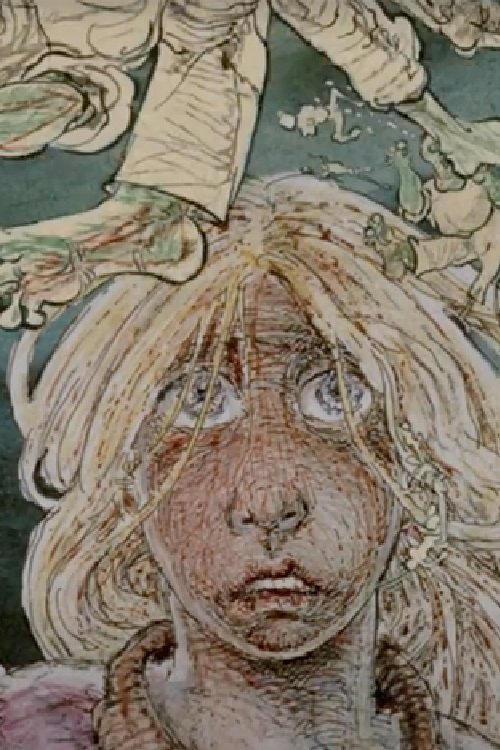
On its quest of death and terror, plague approaches a small village. The village knows nothing and lives its normal life…