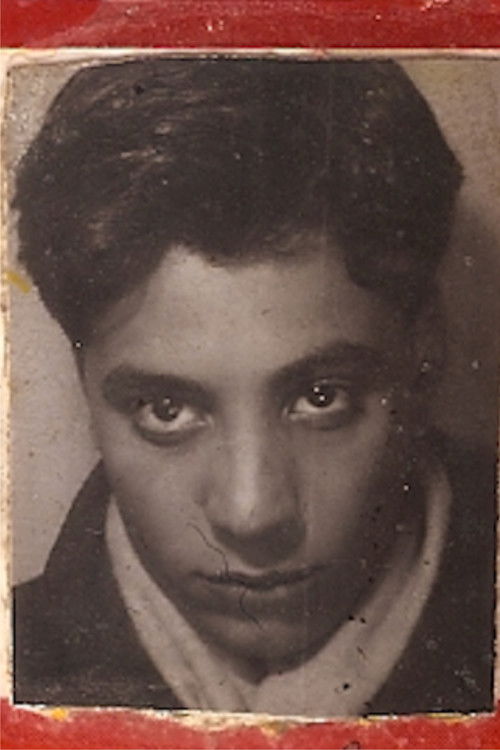
Luís Alves de Matos
Directing
Biography
Holding a degree in Film Directing from the School of Theatre and Cinema (Escola Superior de Teatro e Cinema - Lisbon), he has collaborated on contemporary creation projects since 1993, focusing mainly on directing documentaries about Portuguese visual artists. In 2001, he founded the production company Amatar Filmes, dedicated to the independent production of documentaries and experimental cinema. He has been distinguished with several awards, including the X International Documentary Film Meetings (X Encontros Internacionais de Cinema Documental) of Malaposta (1999) for A Fazer o Mal (Making Evil/To Do Evil) and the Best Portuguese Film Award at Temps D’Images (2008 and 2011) for Lost in Art – Looking For Wittgenstein and Luz Teimosa (Stubborn Light).
Known For
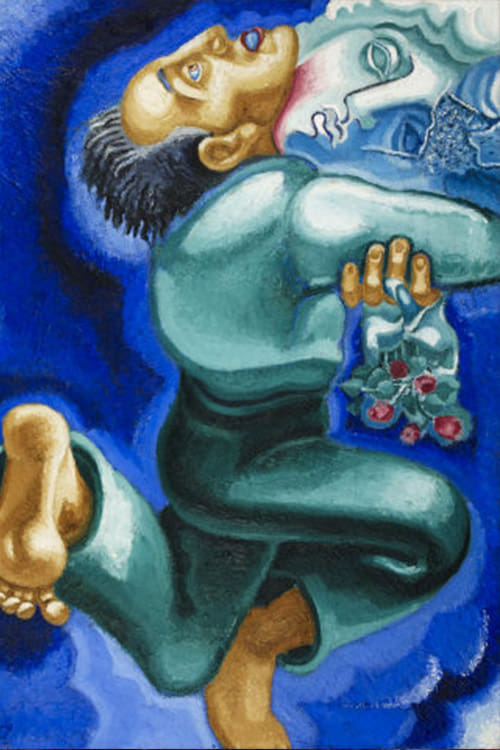
Documentary about the life and work of Mário Eloy, one of the greatest painters of the second generation of modernism in Portugal.
Mário Eloy - A Runaway Painter
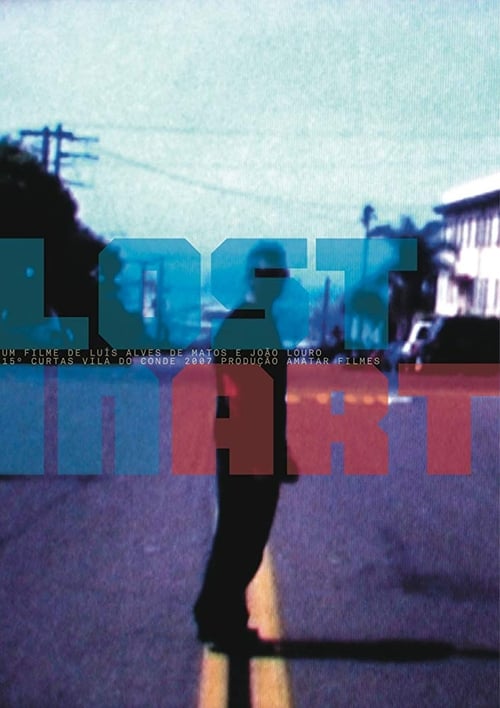
In this film an artist is under 24-hour surveillance. Through a continuous circulation of images and sounds, the spectator becomes an accomplice and witness to all his movements. During this process we ask ourselves not only why we are following the artist in this way but also about the meaning and the nature of his work.
Blind Runner – An Artist under Surveillance
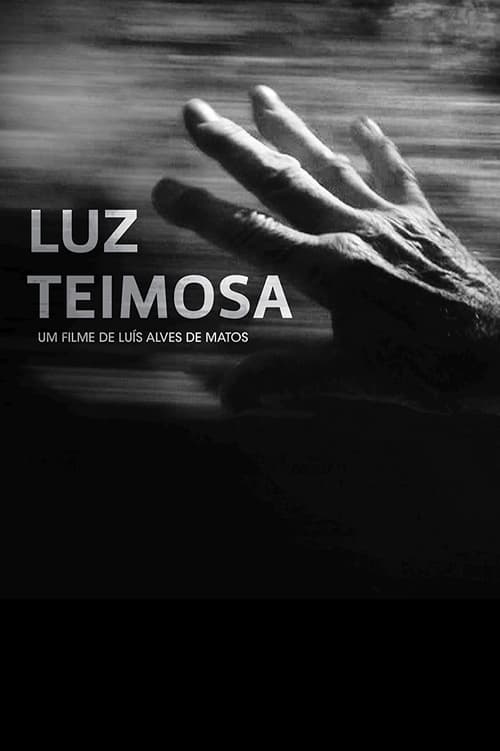
Fernando Lemo's world is fiercely stripped of any external logic, as Jorge de Sena once said. His artistic gesture blends with his own existence, where the poetic principle comes first. And with the light that insists to come through the half-closed door, the fear of life is vanquished in the battle fought with death. Thus, each word is born within another word and each image within another image. Out of how many knives is love made, the poet wonders?
Unwavering Light
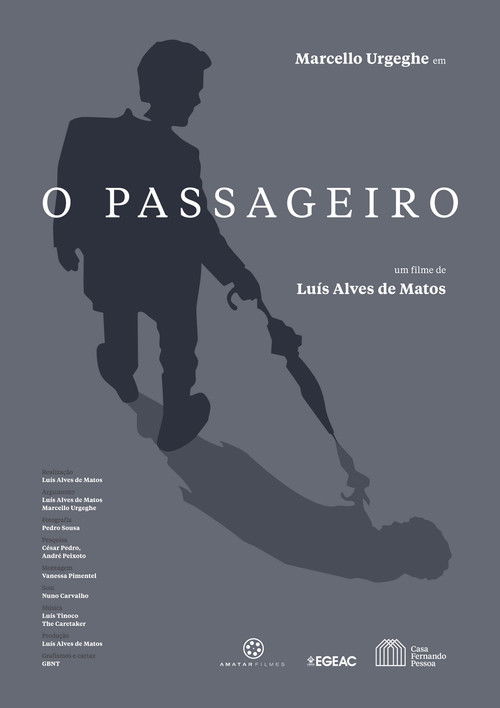
What is the Passenger's universe, when he seeks the meaning of the journey? Where will he get to in the diversity of each route, of each encounter? Haunted by Fernando Pessoa's labyrinthine library, a traveller will look for the poet's memory — and its spaces.
The Passanger
Maria always lived alone. One day she needs to rent her own room to a student. But living with another person will only add to her own loneliness.
Room in Lisbon

No description available.
Sombras
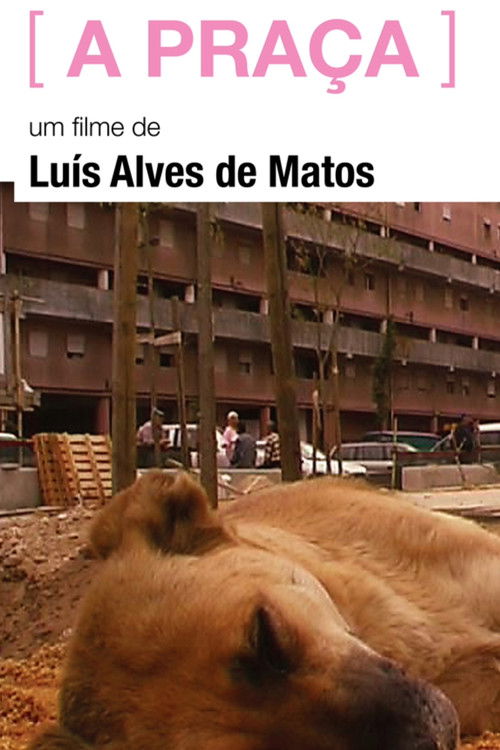
In a run down neigbourhood in east LISBON (chelas), a public square undergoes rennovation work which lasts three years. In this space, designed in pink, a depressed community, concentrated on their daily routine, lives out their lives increasingly indifferent to the outcome of the interminable public works.
A Praça
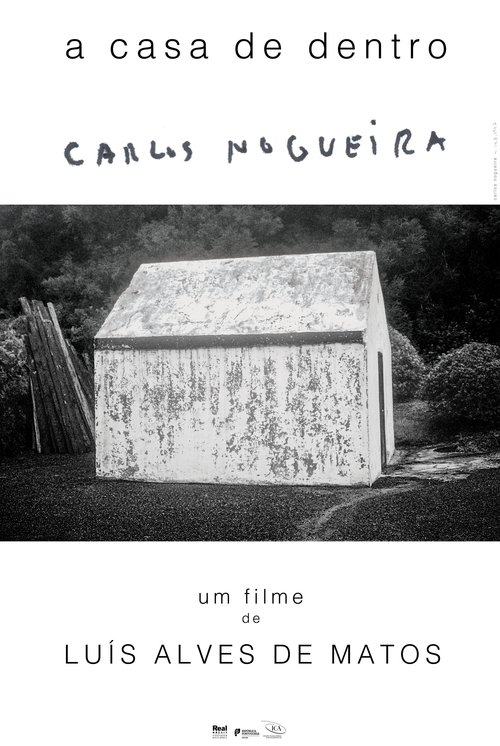
Can an artist be the protagonist of his life and interpret a film about himself? Is the artwork a redemption for our troubled times? with this question We set out in search of a project for a house and its thousand faces that accompany Carlos Nogueira. A demiurge with a diverse and vast work like the landscapes of Mozambique where he grew up. Multidisciplinary artist, where all his gestures enunciate a sublime trait, whose craft and purpose in his life reveals itself as a work of art.
A Casa de Dentro Carlos Nogueira
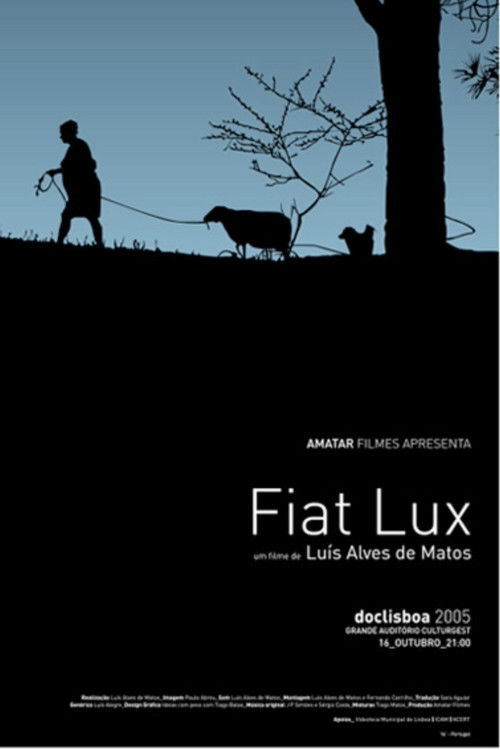
A small community in northern Portugal, in the year 2000. The film describes the relationship between man and nature, fixed plans that frame the landscape and man together. Everything changes the day electricity arrives. The nights become luminous in the company of television. The days look just like they were before but people behave differently and have changed their habits. The landscape is not the same.
Fiat Lux
No description available.
A Fazer o Mal
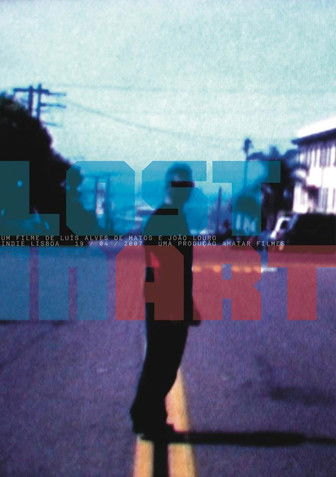
In an inverted world, where art oscillates between a political decoration and a conversation between illuminated people, someone in the antipodes of art attempts to undo the mirage and, facing the ghosts, in the centre of the world, thinks of the noise that could save him.
Lost In Art
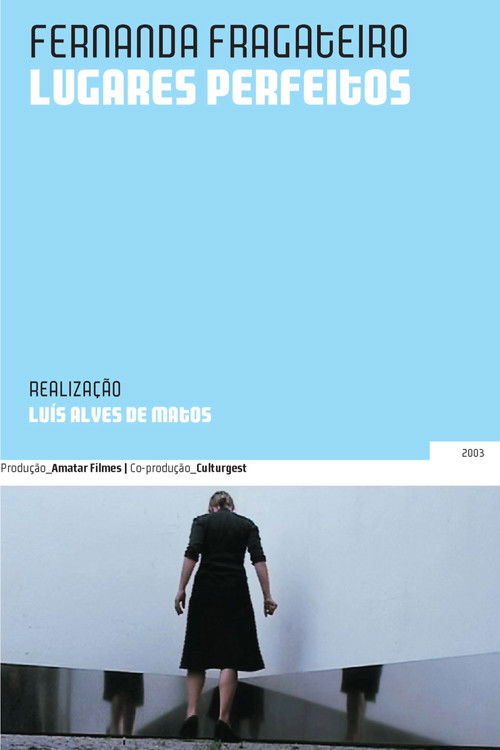
Fernanda Fragateiro is an artist of multiplicities. This documentary shows her recent work and signals, in works since 1990, different forms of intervention in the urban space, which permanently interrogate relations between culture and nature.
Fernanda Fragateiro: Perfect Places

This film explores the continuous journey between the past and the present. In the sense of change, like the natural condition of a river and of man. In low flight across the water, from the source in the mountains to its mouth, we witness the consequences of the indifference of man towards nature. But the river resists. Because everything that runs deep is revealed at the surface.
Um Rio Chamado Ave
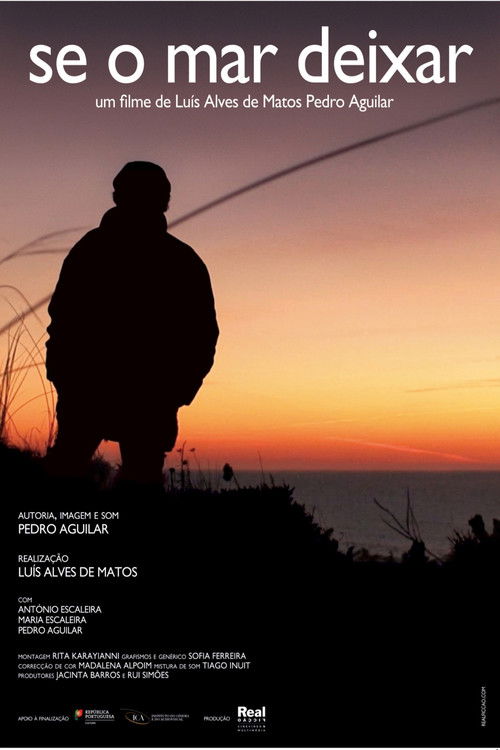
This documentary is the result of 15 years of filming by the late Pedro Aguilar. During this period he established a friendship of growing complicity with fisherman António Escaleira. In a somewhat solitary process and with great passion and commitment he documented the fishing arts, the mastering of the tides, the craftsmanship and the everyday life of this man from Azenhas do Mar. An urban gaze over a man of a seafaring town, tells us a story of above all else an improbable friendship.
Se o Mar Deixar

This life is lost in dust / day by day the blossoms fall / year by year the people go / cold mountain trail never ends / even now you do not know? The reality is asking the shadow
Cold Mountain
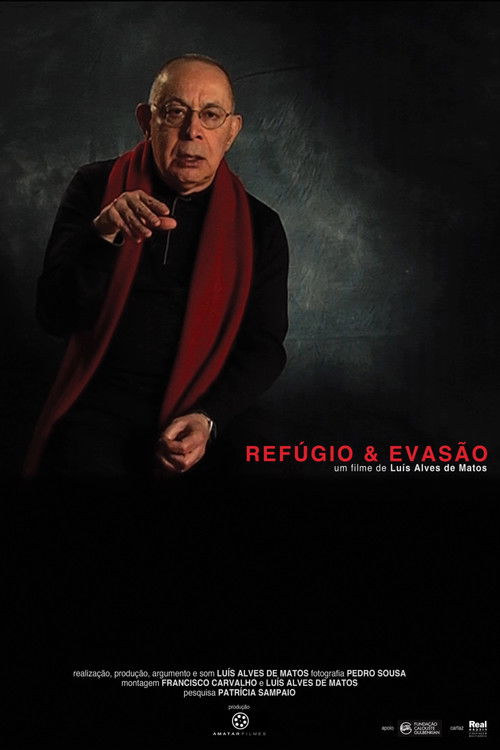
From the testimony and personal experience of filmmaker Alberto Seixas Santos and his thoughts on the history of film, a filmic memory is rebuilt through an editing process. A dialogue between images from his films and reference to filmmakers he admires, whose films pervade this documentary like ghosts haunting reality. For the director, “the key issue with cinema, as with painting, music and art in general, is that the only works that live on are those that have taken risks”.
Refúgio e Evasão
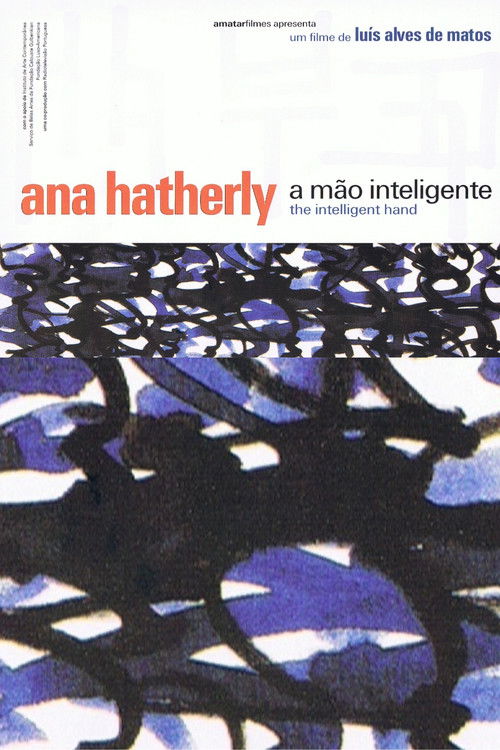
Shows 40 years of visual artwork, which includes experimental poetry, painting, drawing and cinema. In this film, the artist revisits her creative itinerary.