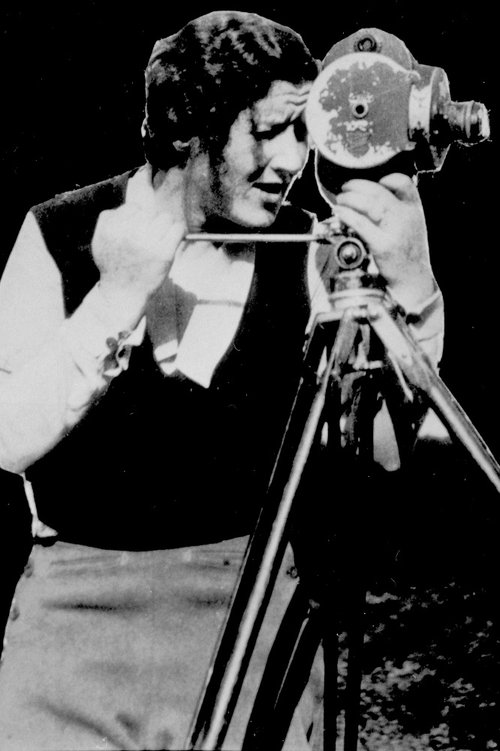
Jenny Gilbertson
Directing
Biography
Gilbertson trained as a teacher and in 1929 did a secretarial course with journalism in London. She saw an amateur film of a Loch Lomond holiday and decided filmmaking was for her, making educational films and lecturing with them in schools, she bought a 16mm camera and practised by filming two 50ft rolls in the park. Arriving in Shetland to film seasonal life in January 1931, by autumn had made A Crofter’s Life in Shetland. After cutting the film together she invited John Grierson to view it. He was enthusiastic and advised her on documentary-making techniques and to buy a professional camera, so she bought a 35mm Eyemo. Returning to the Shetland Islands, she made five films, which Grierson bought, for the GPO Film Library, he then advised her to make a story- documentary. This resulted in The Rugged Island- A Shetland Lyric, a story of the harsh life of crofting families in the 1930s. During a 1934/35 lecture tour of Canada with "Rugged Island", Gilbertson made Prairie Winter with Evelyn Spice. Gilbertson used this in a lecture tour of Britain. Between 1936-1939 she made three Shetland films. From 1940 Gilbertson ran a small Shetland hosiery business. Realising in 1947 that she had no head for business, she reluctantly accepted an offer of teaching in the local school for one year and stayed for twenty. During this time she broadcast several short radio talks, wrote scripts for schools radio and two one-hour radio plays. While she was still teaching, her friend, filmmaker Elizabeth Balneaves, suggested they make a film together for BBC Northern Service. People of Many Lands - Shetland was broadcast on BBC in October 1967. Gilbertson retired from teaching in 1967 and was able to devote more time to filmmaking. She had collected material of the cyclical life of the ponies on Shetland and after several attempts to film the mares foaling she finished Shetland Pony in 1969. In 1970, Gilbertson and Balneaves prepared to film in Canada, but Balneaves became ill so Gilbertson went alone. She made several films of Arctic life, People of Many Lands – the Eskimo was commissioned by the BBC Jenny’s Arctic - Part 1 was made for Canadian Broadcasting Company in 1972. To film Jenny’s Dog Team Journey, in 1975, four adults and a baby travelled 300 miles in two weeks over inhospitable terrain from Igloolik to Repulse Bay. CBC in 1976 and BBC in 1978 broadcast the film. In 1977-78 Gilbertson, now 76, spent 13 months in Grisefiord, 900 miles north of the Arctic Circle to make Jenny’s Arctic Diary, recording a cyclical year in the life of the Inuit community. Gilbertson was remarkable in that all her films were what she described as a "one-woman job"; she did all the script-writing, filming, sound, lighting, direction herself. Her films were so successful because they had a very special quality; she identified with and was clearly accepted by the people being filmed. [From National Library of Scotland]
Known For
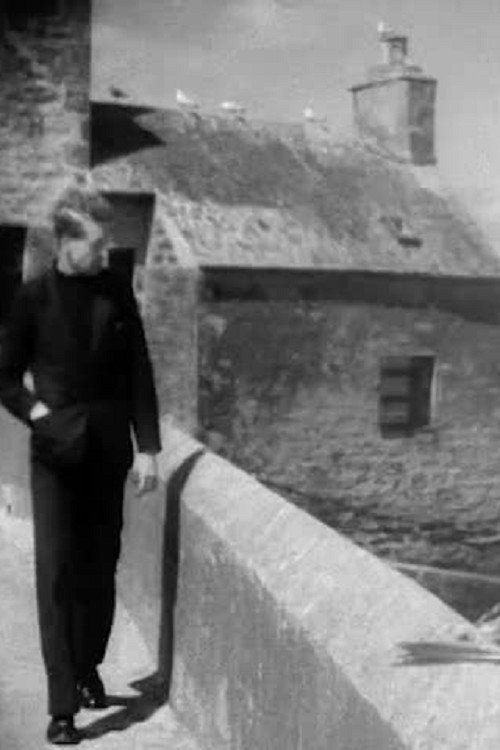
Hailed by John Grierson as 'one of the best descriptions of life in the country anybody has yet made', the film follows a young couple torn between the choice of emigration to Australia or remaining to work their croft in Shetland.
The Rugged Island: A Shetland Lyric

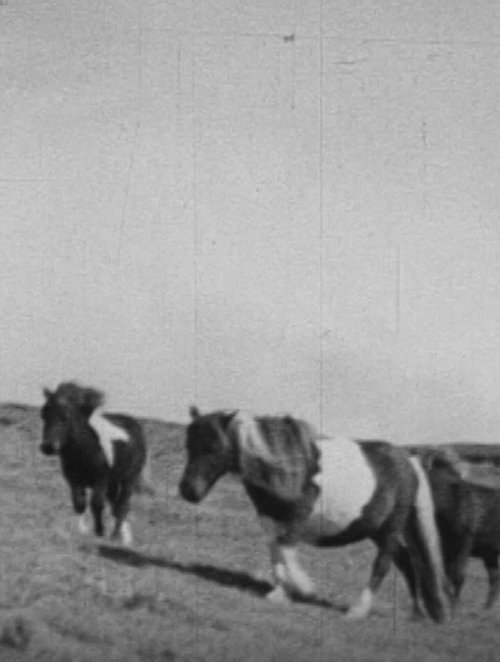
The rearing of Shetland ponies on island crofts, showing each stage of "a year in the life of Shetland ponies", from winter months to foaling and sale at market. An educational film that captures the strong nature of these small ponies.
SHETLAND PONY
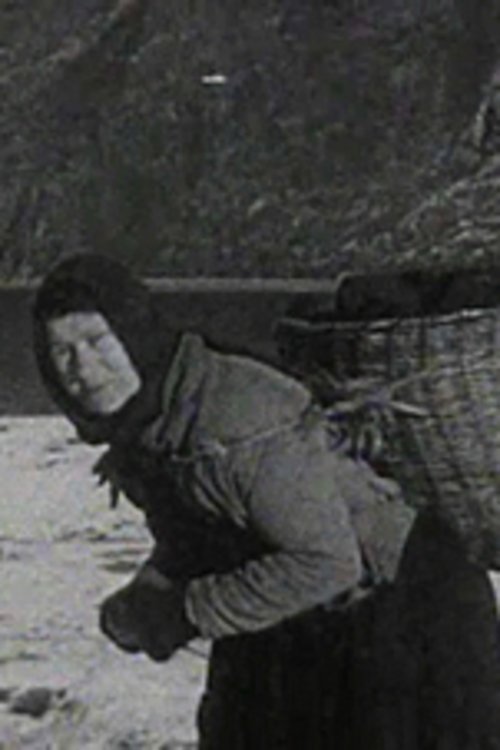
The first film made by Jenny Gilbertson (nee Brown), with a second hand 16mm cine camera on which she taught herself the rudiments of photography and editing. She stayed with crofter friends in Shetland while shooting scenes through the changing seasons during 1930-1931. The intimacy she established with her hosts, who are the subjects of the film, clearly comes through.
A Crofter's Life in the Shetlands
Fishing and agriculture, transport, the archaeology and scenery of the Shetland Isles.
Northern Outpost

Footage of the seabirds found in the Shetland Isles. One of a group of films made by Jenny Brown and bought by John Grierson for the GPO Film Library in the 1930s.
Seabirds in the Shetland Islands
A solan goose is caught by a crofter on Shetland, but is returned to the sea after a fortnight. One of a group of films mde by Jenny Brown in 1932 and purchased by John Grierson for the GPO Film Library.
A Young Gannet

No description available.
In Sheep’s Clothing
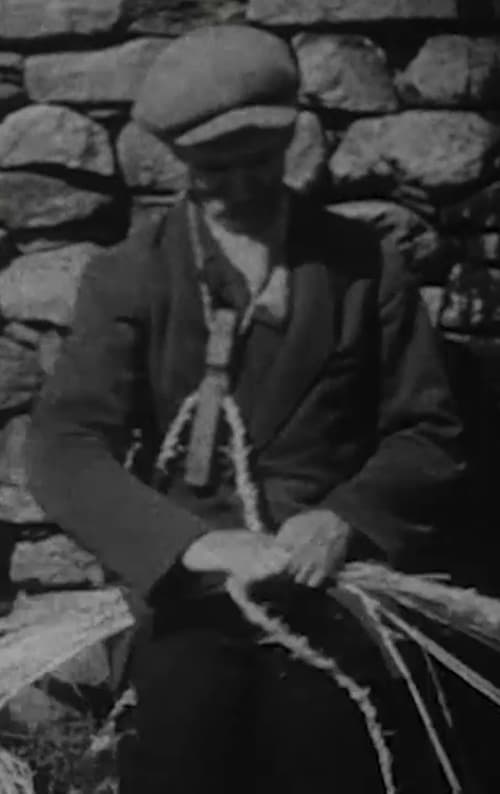
A crofter in the Shetland Isles demonstrates how to make a 'keshie' to carry home his peat. This is one of a number of films made by Jenny Brown and bought by the GPO Film Library in the 1930s. It's shows Gideon cutting corn and then working it into a keshie, a basket traditionally used in Shetland for carrying peat. Looking back this short now has something really charming about it. David leads this film on his Martin concert ukulele, with Ian on soprano uke, and Allan on classical guitar. Alyth disgraces herself on kazoo. We have to finish the tune at the same time Gideon finishes his keshie, and we could swear that sometimes he deliberately speeds up to try to catch us out.
Da Makkin o'a Keshie

Scenes at a cattle sale in the Shetland Isles.
A Cattle Sale

How peat is cut using a "tushkar" and made ready to be used as fuel in a croft in the Shetland Isles.
SCENES FROM A SHETLAND CROFT LIFE

A cyclical year in the lives of the Inuit community at Grise Fjord, Ellesmere Island, 900 miles north of the Arctic circle.
Jenny's Arctic Diary

Film recalling the Norwegian government's gift of the car ferry 'Rovdehorn' to Shetland and historical links formed between Shetland and Norway during World War II. [Re-editing of original black & white footage shot in 1965, with colour prologue. Epilogue recorded in 1988].