Editing
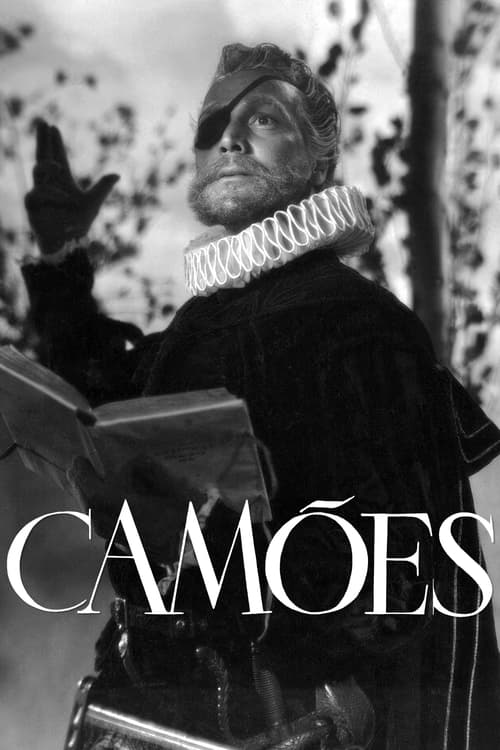
The adventurous life of Portugal's epic poet, Luis de Camões.
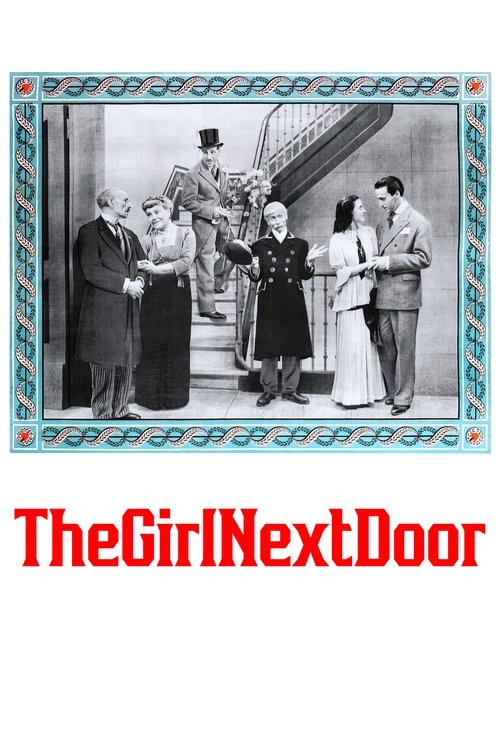
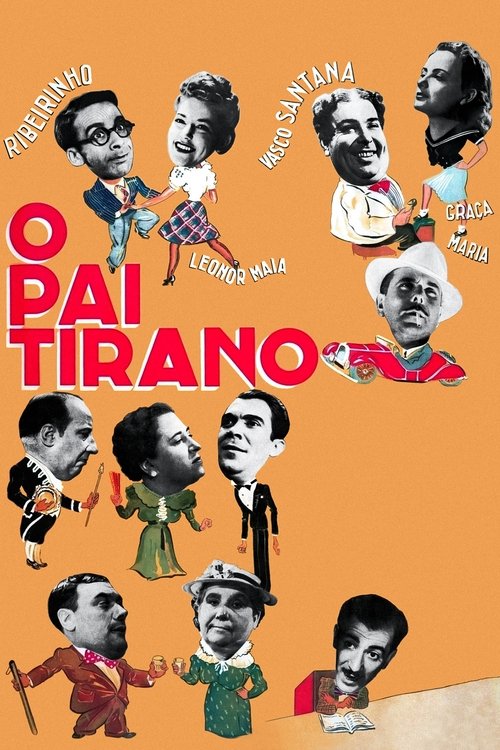
The story of how the conflicting relationship of Eduardo and vaudeville actress Isabel is affected by the passion he feels for their neighbor, Mariana, a young overprotected, and the unexpected visit of his uncle Plácido, a moral teacher.
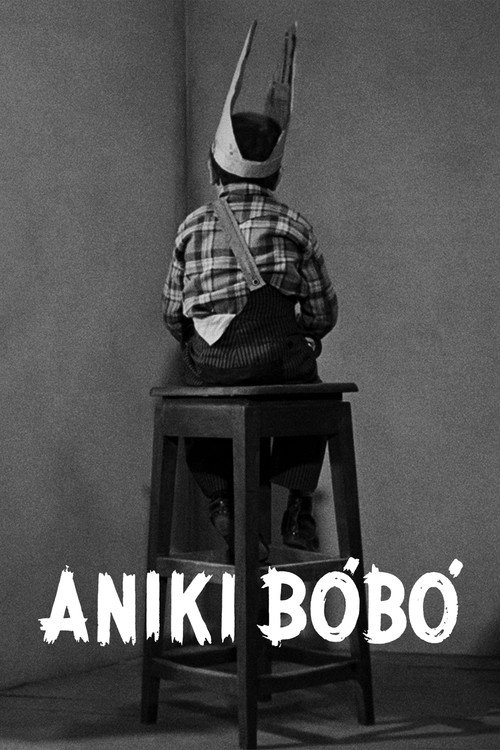
Two schoolboys, Carlitos and Eduardo, fight for the affection of a girl, Teresinha.
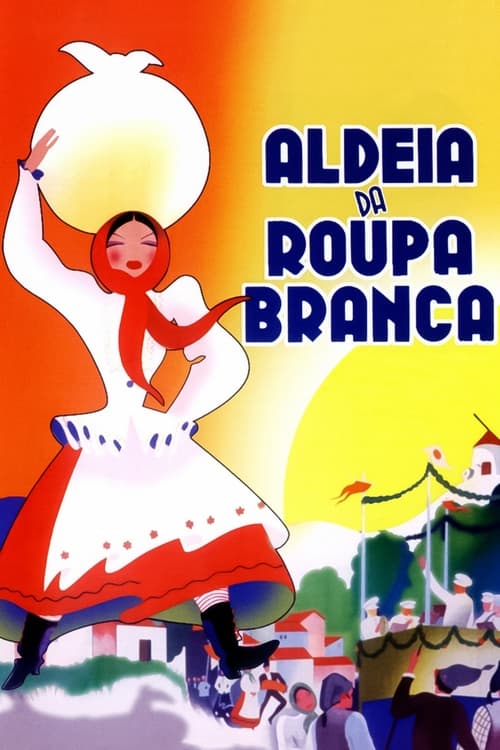
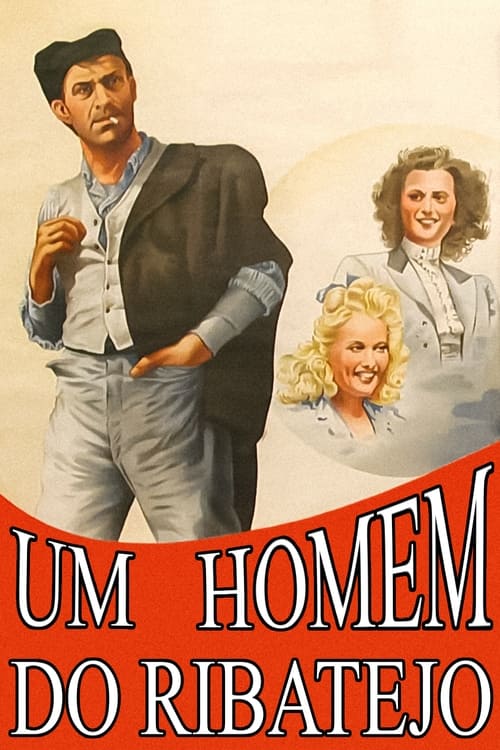
Gracinda is a young laundress who works with Uncle Jacinto, but life hasn't been going well for them. Therefore, she decides to go to the city to convince Chico, her cousin with whom she has fallen in love, to return to the village to help on the business...
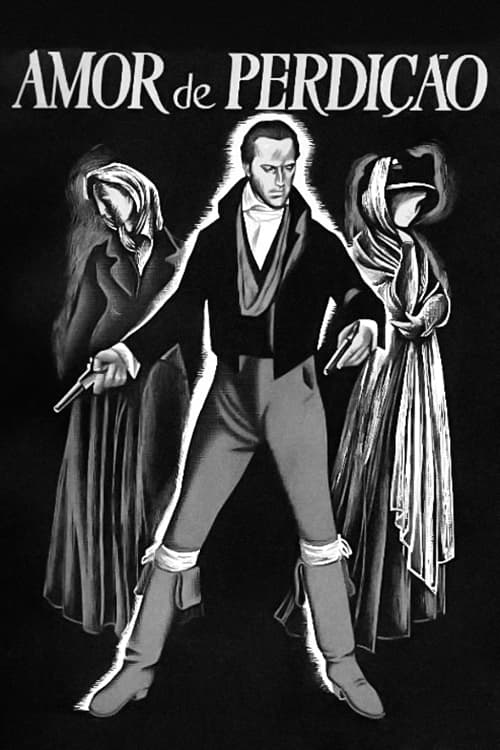
The fatalism caught up and the amorous tragedy between Teresa de Albuquerque and Simão Botelho, who survives the intolerant litigation of her noble families.
No description available.
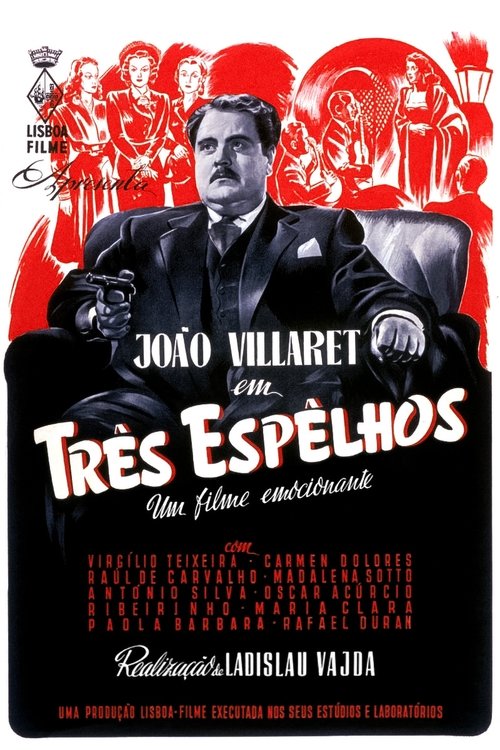
When a businessman's car crashes and burns, inspector Moisés of the criminal brigade is given the case, as the body has been stabbed. He'll try to reconstruct the financier's personality by the mirrored impressions on those who knew him.
After the brother's death by a bull, the "Bezoiro", Manuel refuses to succeed him as mayoral, the very day he marries Maria Loba.
While rehearsing the annual play, a clerk tries to regain the attention of his beloved, in a comedy of equivoques.
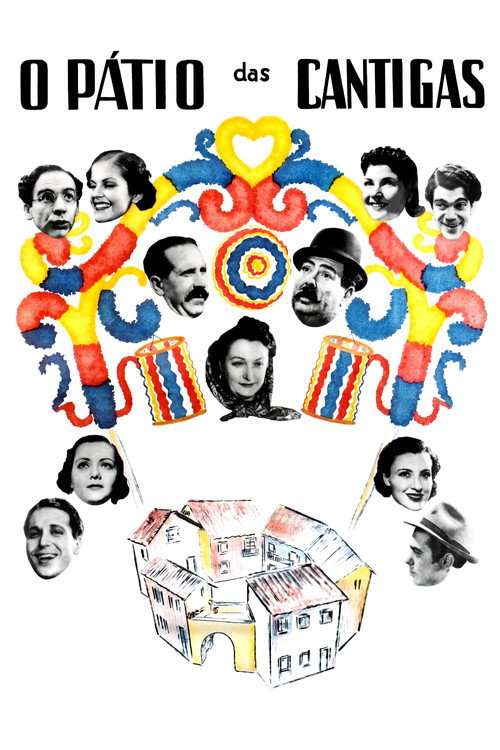
A portrait of the relations between neighbours in a Lisbon courtyard. A story made of small episodes of humour, friendship, rivalry, love.
This documentary, produced in 1946 on the occasion of the half-century of Portuguese presence in Guinea-Bissau, reveals interesting contradictions. The activities and customs of the Guineans are filmed with a lot of attention and sometimes of proximity. Their resistance to colonization is even evoked, cleverly recovered by the comment which claims that they are all Portuguese. But the colonists are very few present: some dressed in a sparkling white costume and two very poor. The Africans, proud, talented, imposing, occupy the whole film.