Giuseppe Colizzi
Directing
Biography
Giuseppe Colizzi was an Italian film director, screenwriter, and producer, best known for his work in the Spaghetti Western genre. He began his career as a production manager and assistant director before making his directorial debut with God Forgives... I Don't! (1967), which introduced the successful pairing of Bud Spencer and Terence Hill. Colizzi continued to work with the duo in Ace High (1968) and Boot Hill (1969), forming a trilogy that became iconic in the genre. His films are noted for their dynamic action sequences and engaging storytelling, contributing to the popularity of Spaghetti Westerns in the late 1960s.
Known For

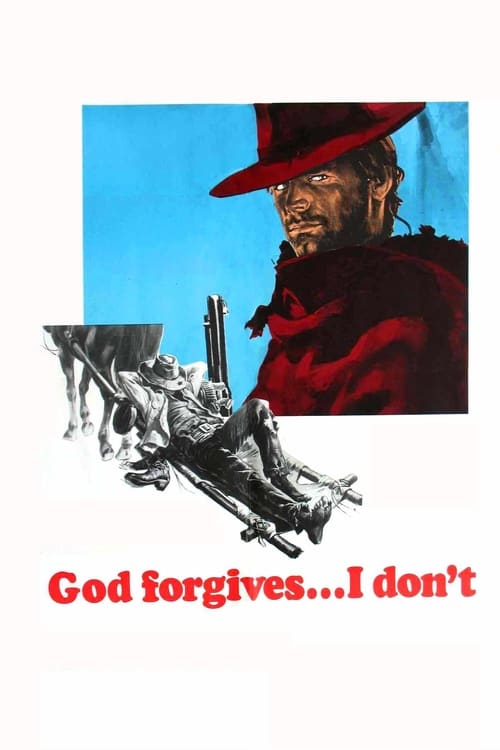
In this violent spaghetti western a murderous robber hijacks a payroll train, murders everyone aboard and then stashes his loot. A gunslinger learns about it and decides he wants the money for himself and so hatches an elaborate plot to get at it. He lures the crook into a rigged poker game, and afterward a gunfight ensues. The quick-drawing gunman makes short work of the robber, then teams up with an insurance agent to look for the hidden fortune. Unbeknownst to them, the robber had an ace up his sleeve...
God Forgives... I Don't!

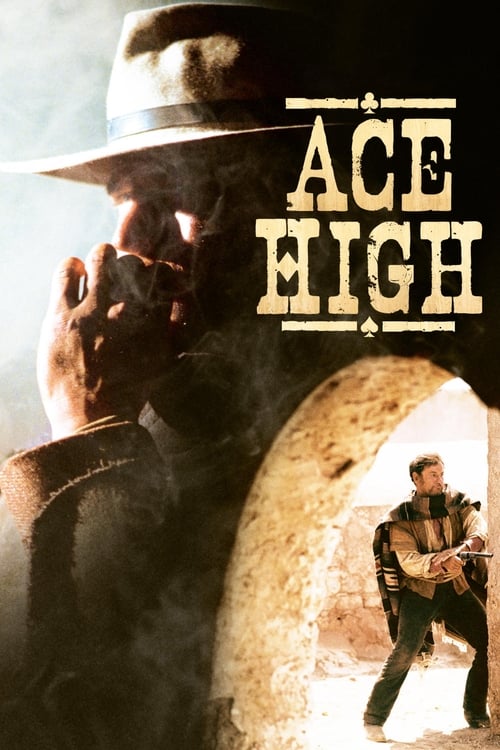
After Cacopoulos manages to save himself from being hung on a false charge, he robs Cat Stevens and Hutch Bessy of a lot of money and steals their horses. This results in a merry chase and Stevens and Bessy become unwilling allies in Cacopoulus' revenge against the people who deserted him and framed him to get their money back.
Ace High

The "Trinity" crew makes another modern era film. Plata and Salud are pilots ditching aircraft for insurance money. They wind up crashing for real in the jungles of South America. The plot involves "Mr. Big", who is buying the diamonds from the miners for much too little, and has thugs who keep the price down. Of course, Plata and Salud side with the miners
All the Way Boys

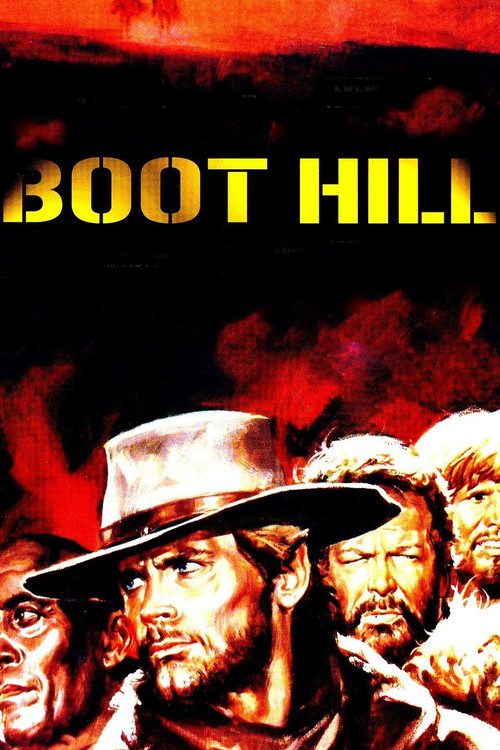
Victims of oppressive town boss Honey are offered help by an unusual alliance of gunmen and circus performers
Boot Hill

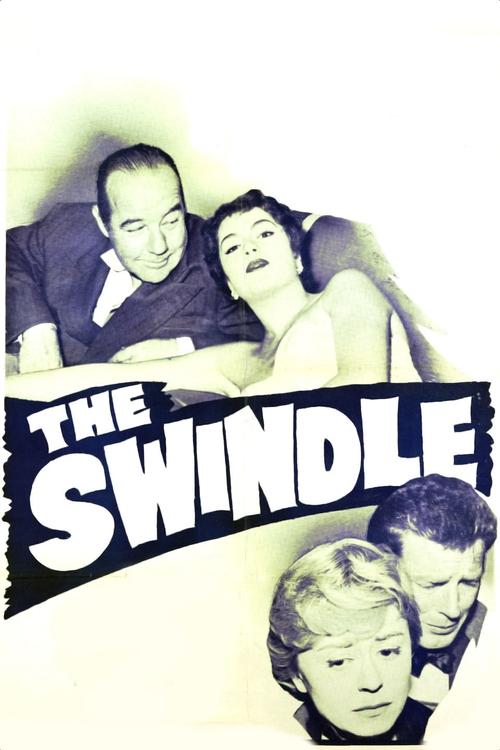
Aging small-time conman Augusto works with two younger men: Roberto, who desires to become the Italian Johnny Ray, and Carlo, nicknamed Picasso. Through a series of mishaps and personal entanglements, things go badly for Augusto.
The Swindle

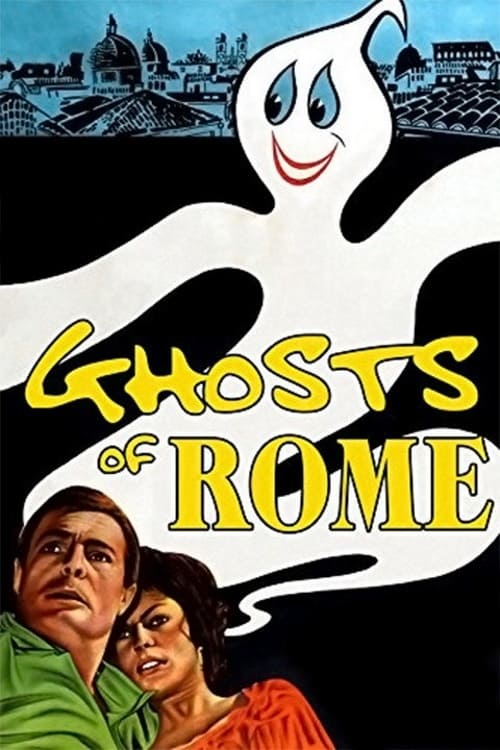
An old prince lives in his ancient palace in Rome together with the ghosts of his ancestors. For years he has proudly rejected huge offers by a real estate group seeking to buy the palace and build a department store in its place, but when he suddenly dies his nephew signs the deal. The palace seems lost, but the ghosts forge a plan to save it from destruction.
Ghosts of Rome

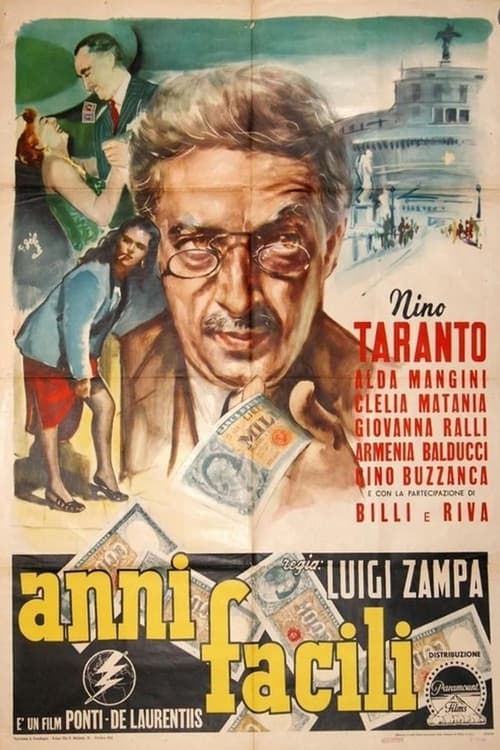
A Sicilian professor who moves to Rome gets lost in the maze of Roman ministries and gives in to corruption.
Easy Years

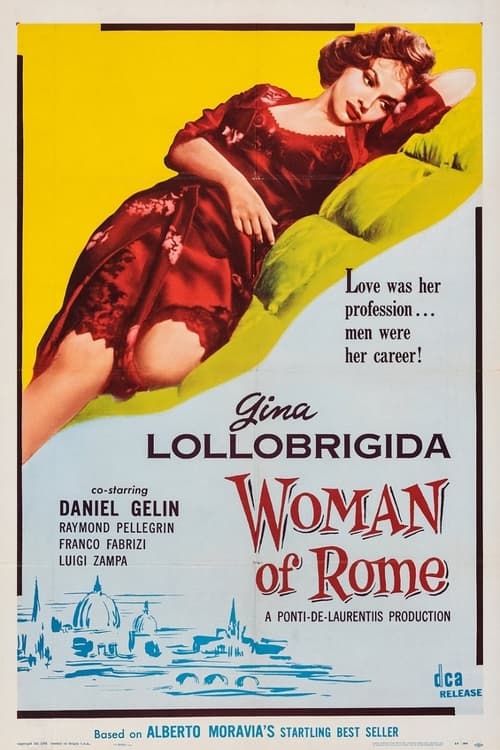
During the fascist era, Adriana a beautiful young model, becomes a prostitute after a love affair gone wrong. She meets Mino, a partisan who falls in love with her and wants to redeem her.
Woman of Rome

When a don who they were suppose to protect ends up dead, his bodyguard and bodyguard's friend must go under cover to escape the wrath of mob.
Run, Run, Joe!

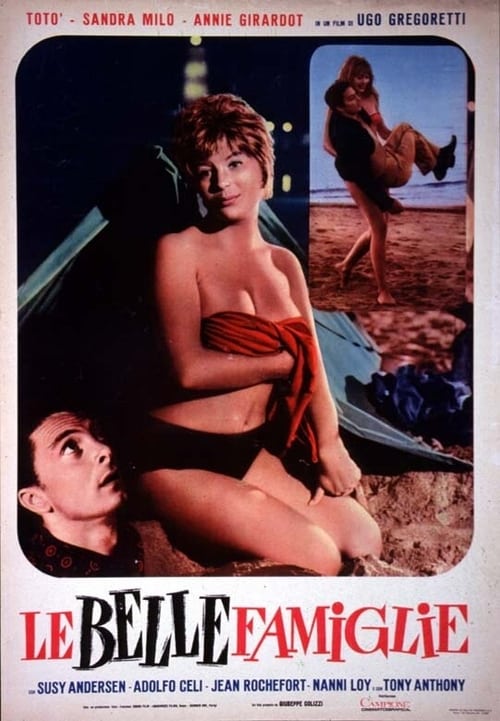
The film's theme is four episodes that offer the public a glimpse into the lives of rich and poor families in Italy in the 1960s.
Beautiful Families

An industrial exploiter, an old knife thrower, a cynical professor, and an ungrateful husband depict the selfishness and superficiality of the male gender.
Let's Talk About Men

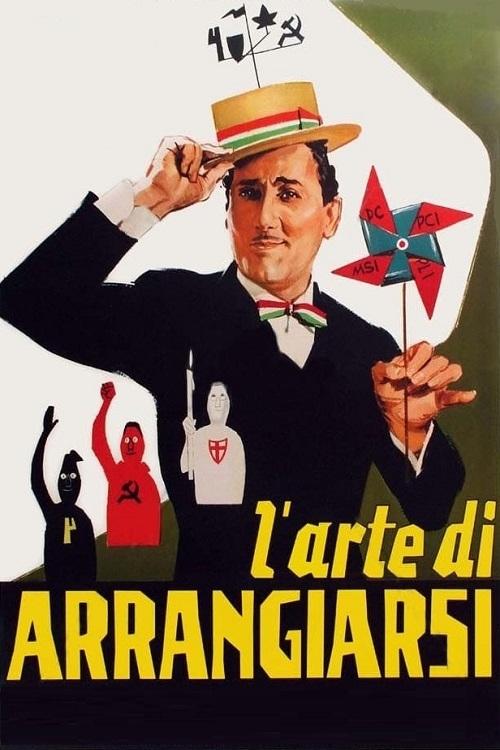
In this comedy Alberto Sordi plays Rosario Scimoni, known as Sasà, an opportunistic and unscrupulous guy, nephew of the mayor of Catania, and he's always ready to take sides with anyone who can help him. He switches from socialism to fascism; he changes his political faith the same way he changes women. He even tries to found his own party.
The Art of Getting Along

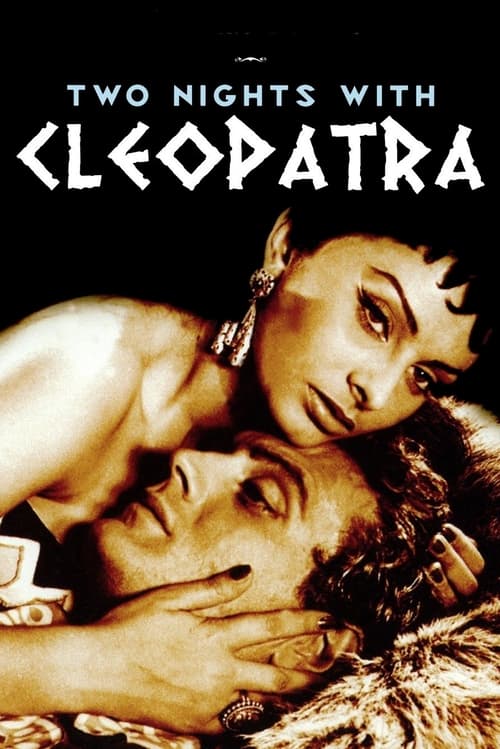
Sophia Loren plays a dual role, as both the sultry Queen of the Nile with a "man-a-night" appetite and a beautiful slave girl who takes her place and is wooed by a bodyguard who thinks she's the real monarch.
Two Nights with Cleopatra

Following World War II, the Allies designate that an unidentified town in the Trieste area as being partly Yugoslavian and partly Italian. A white line of demarcation splits the town in half and the townspeople are given just a short time to decides on which side of the line they will live. This leads to the dividing of homes, friends, families and the church and tensions run high.
The White Line

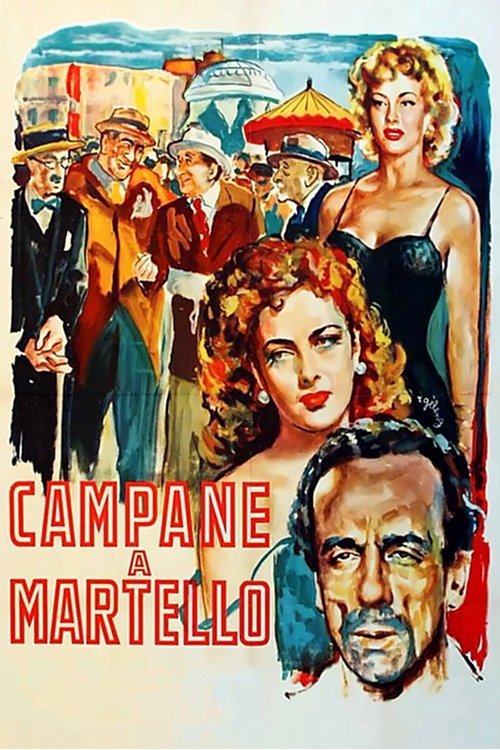
Agostina is a maid turned prostitute during World War II. She sends all the money she makes to the local priest in her home village for safekeeping. After the war is over Agostina and her friend Australia plan to open a clothing store so they return to her home island to collect the money from the priest. But after arriving there Agostina learns in shock that the priest has been dead for more than a year and that his eccentric successor mistook the received money for donations and spent all of it on building a new orphanage for war orphans. To make matters even worse, other islanders think that Agostina is now a millionaire and beg her to help them financially.
Campane a martello

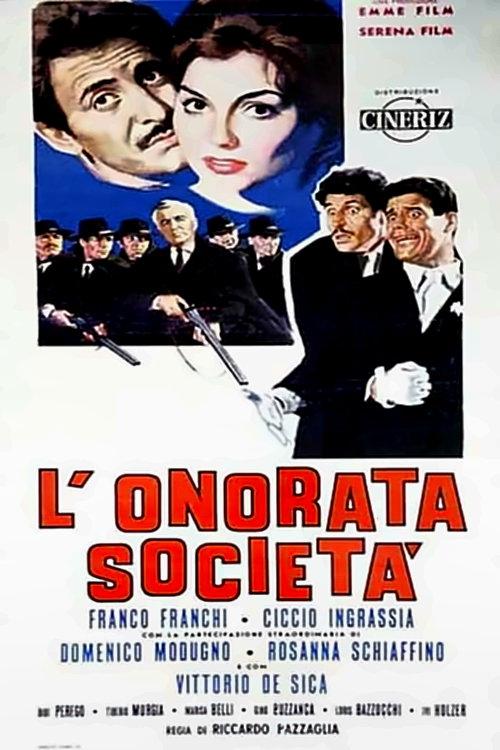
Salvatore and Rosalino are sentenced to death by the Mafia because they are accused of having seduced the daughters of a boss. As they are about to be shot they manage to escape with the two girls.
The Honored Society

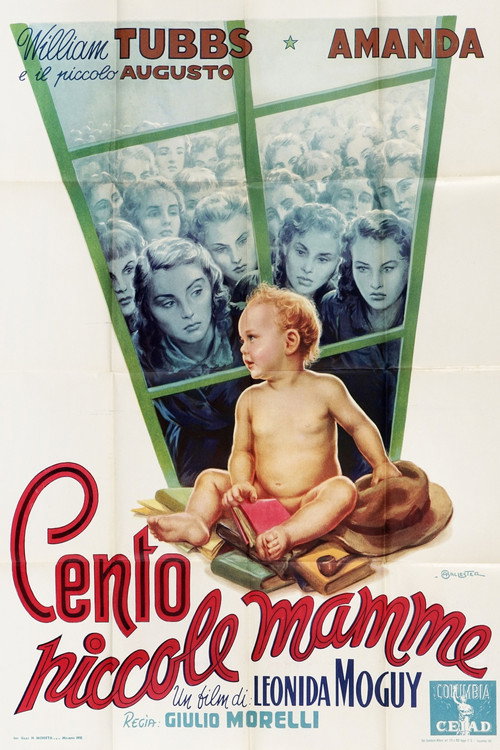
No description available.
100 Little Mothers

Depicts the birth of an independent TV station.