Jakobois
Directing
Biography
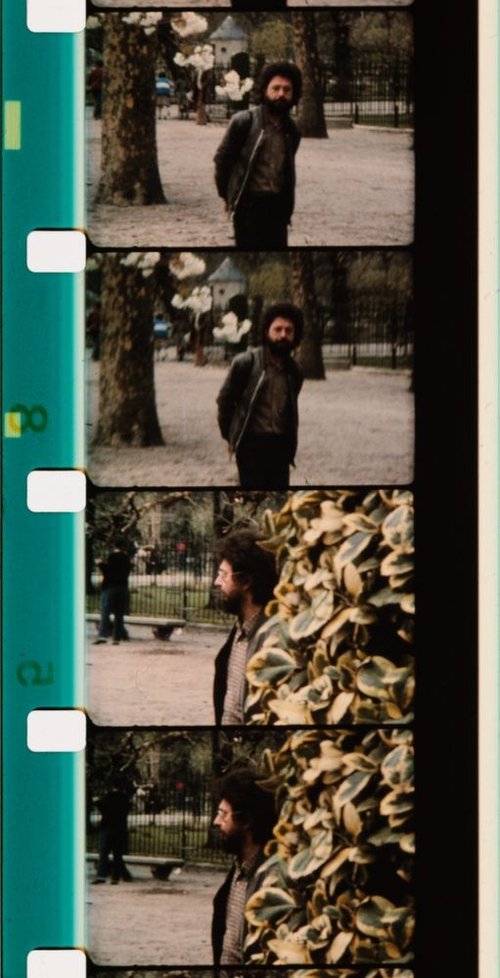
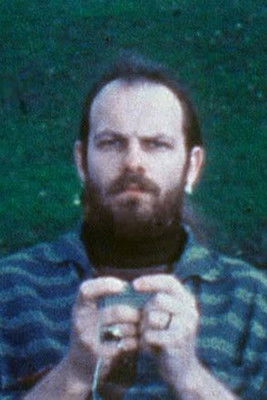
The road which led Jakobois, like many experimental film-makers, to filmic expression was painting. This development he owes to a succession of encounters and personal choices rather than to a university or art school. He has worked in the mediums of sculpture and painting since 1972, influenced by the writings of Jean Dubuffet and the work of Paul Klee, exploring the confluence between minimal art and gestural expression. His first encounters with experimental film date back to 1976, and occurred in the meeting places and specialized programs which at the time proliferated on both banks of the Seine in Paris. He began with using the Super 8 medium, working autonomously as an "artist film maker". His work has been seen in many film festivals as far as Rotterdam, London, Tokyo, Moscow and New York, including a major retrospective season of his films in Paris at the Centre Pompidou in 1988. He was a member of the group "4 à 4 Métro BarbèsRochechou Art" with Téo Hernandez, Michel Nedjar and Gaël Badaud.
Known For

Cinématon is a 156-hour long experimental film by French director Gérard Courant. It was the longest film ever released until 2011. Composed over 36 years from 1978 until 2006, it consists of a series of over 2,821 silent vignettes (cinématons), each 3 minutes and 25 seconds long, of various celebrities, artists, journalists and friends of the director, each doing whatever they want for the allotted time. Subjects of the film include directors Barbet Schroeder, Nagisa Oshima, Volker Schlöndorff, Ken Loach, Benjamin Cuq, Youssef Chahine, Wim Wenders, Joseph Losey, Jean-Luc Godard, Samuel Fuller and Terry Gilliam, chess grandmaster Joël Lautier, and actors Roberto Benigni, Stéphane Audran, Julie Delpy and Lesley Chatterley. Gilliam is featured eating a 100-franc note, while Fuller smokes a cigar. Courant's favourite subject was a 7-month-old baby. The film was screened in its then-entirety in Avignon in November 2009 and was screened in Redondo Beach, CA on April 9, 2010.
Cinématon

One of Mark Rappaport's later narratives (which won the Gold Hugo for Best First Feature at the Chicago International Film Festival in 1979), Impostors is an off-kilter comedy/mystery focused on two magicians trying to find Egyptian jewels, their promiscuous assistant, and a man who loves the assistant.
Impostors
Reel 26 of Gérard Courant’s on-going Cinematon series.
Cinématon XXVI

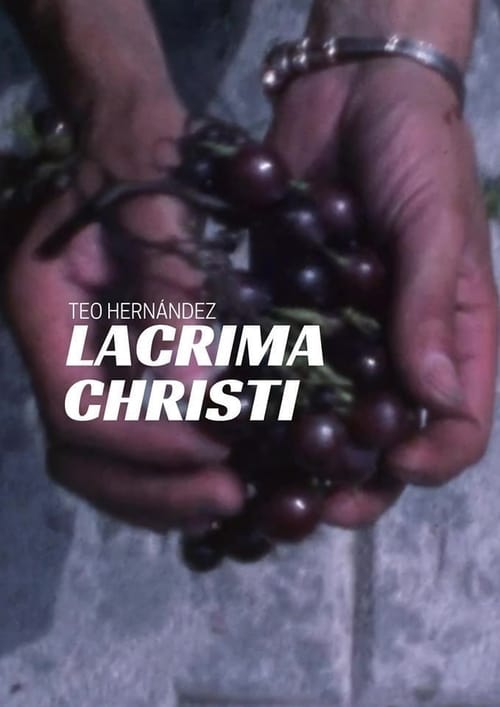
Lacrima Christi is the longest of the over 150 films made by the Mexican filmmaker resident in Paris, Teo Hernández. Part three of a tetralogy devoted to Christ’s Passion, Lacrima Christi is an exploration of the transfer between desire and myth that takes as its starting point a series of objects found in the flea market of Belleville.
Lacrima Christi

Outtakes from the movie
Chutes de trois gouttes de mezcal dans une coupe de champagne

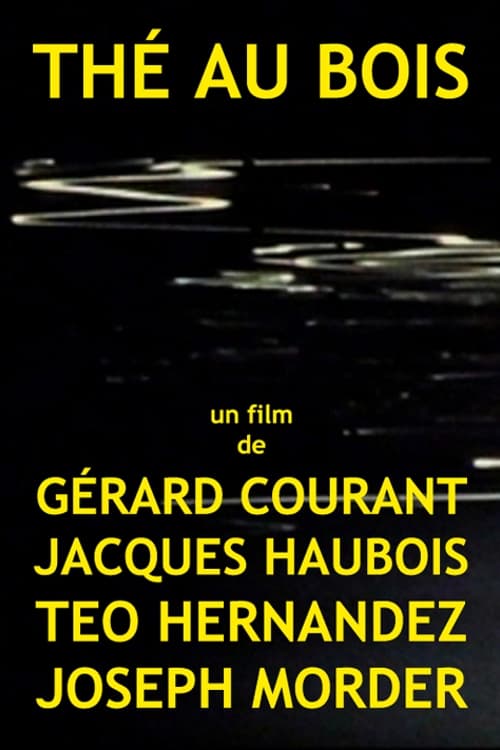
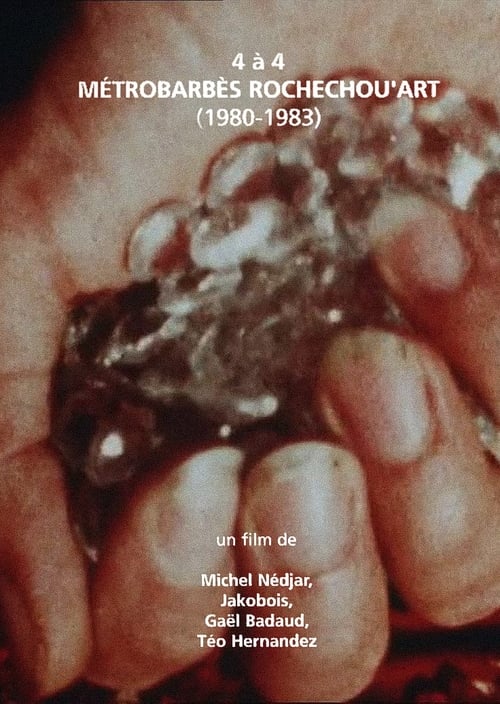
In the early '80s, this collective of artists invented a style of cinema made in 4 hands, where each of the protagonists is also a filmmaker.
4 à 4 Métro-Barbès-Rochechou-Art

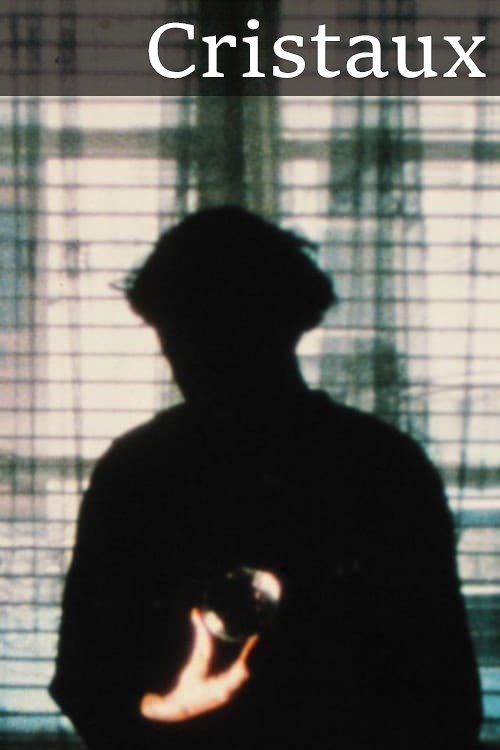
The tetralogy pieces are dominated by the concept and presence of death, foreclosure, fetal vertigo. As such, CRISTAUX is a real descent into an inner labyrinth, which we do not know if it is organic or cultural. At the same time, the film contains a dialectical break that initiates other semantic directions in Hernandez's work. Under the influence of Michel NEDJAR, the filmmaker abandons his traditional method of editing based on rushes. The operation is now completed inside the camera, filming. This more flexible way of proceeding ("the camera must become a second eye") is already reflected in the clear openings of Lacrima Christi: the Christian myth seems to be on the way to exorcising. The pantheistic intoxication - close to that evoked by Nietzsche - seizes places, objects and participants.
Cristaux

Teo Hernandez films waste and scrap found on the pavements of the streets of Paris. “Sidewalks are great subjects: garbage, objects and materials, stains, signs, are a movie subject.”
Mesures de miel et de lait sauvage

No description available.
Sur Graal de T.H.

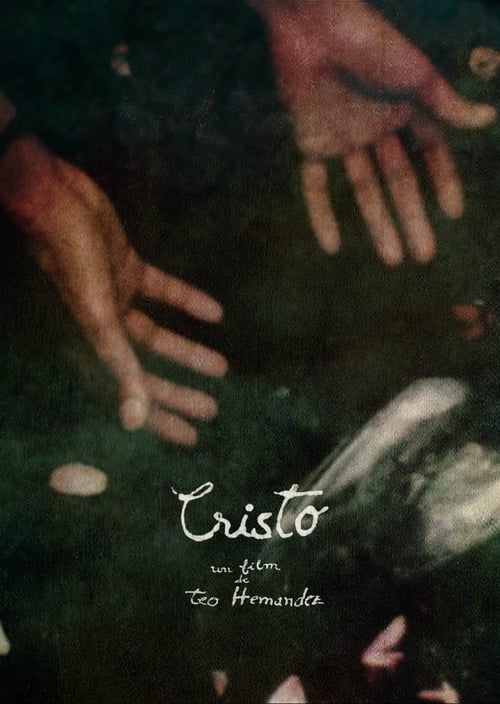
All of history, that of Christ or any other, permeates the world, leaves its mark, modifying and informing history, and all that the human reproduces and creates. The best way for historical interpretation or literary adaptation is to move as far as possible from literal interpretation. That is, it is a contemporary and personal interpretation. The story of Christ is an archetypal story. It has modified and informed a morality and a vision of the human being in the West, it must be taken for what it is and what it has become: matter.
Cristo

Eyes and ears travel discontinuously through everyday life and the sub-worlds of the city and the body. A fragmented and subjective day-to-day chronicle that outlines a recurring obsession for registering even the most ordinary things, where the least poetic aspects of life, that is to say, the most somber ones, become the eye’s filter.
Fragments

No description available.
Cinématon n°251 : Jakobois
No description available.
Child Play - Traffic Jam

Outtakes from the movie
Chutes de Michel Nedjar

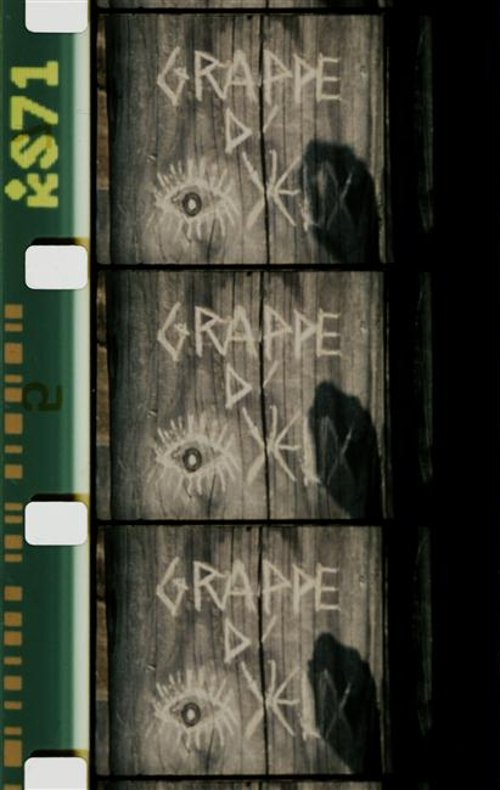
Through the use of portraits, shadow play and reflections, this series of exercises with and from body language compose a "four-handed" look against the notion of authorship: a vindication of the community content (repressed?) in every image.
Bouquet of Eyes

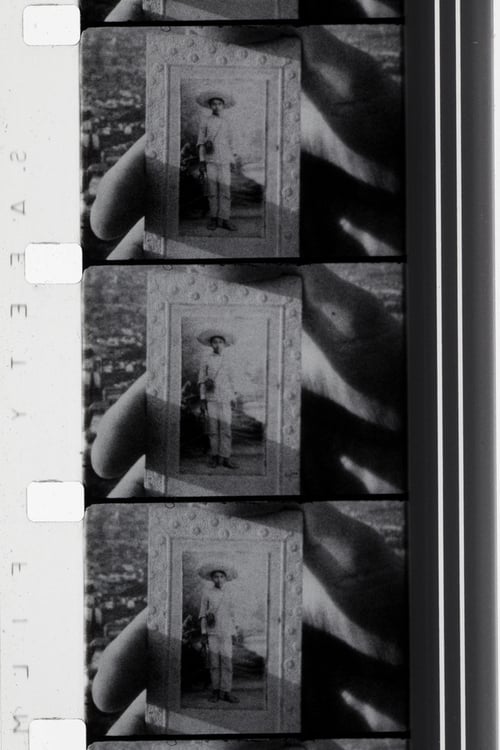
An autobiographical black-and-white short in which Teo Hernández portrays his Purépecha father by holding backlit old photographs atop the Montparnasse Tower while reading a manifesto of sorts on his filmmaking.
Three Drops of Mezcal in a Glass of Champagne
No description available.
La fenêtre et le néant
No description available.
F.H. 79 (Arrête ton cinéma)
No description available.
Vues du pont

No description available.