Pío Caro Baroja
Directing
Known For
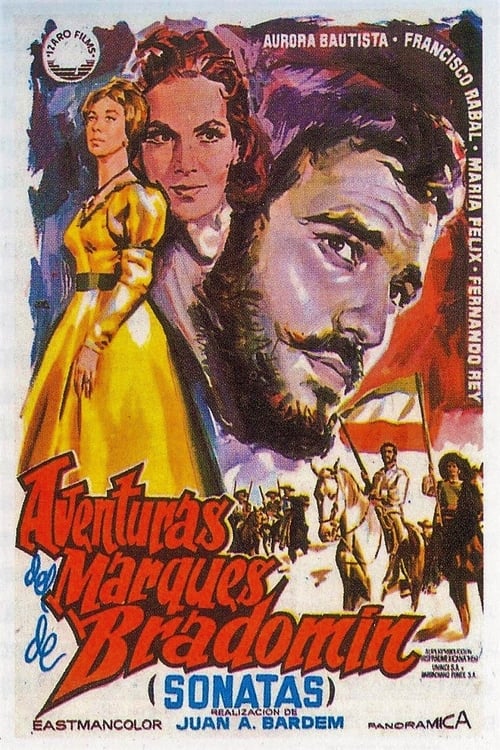
In the fall of 1824 Javier Montenegro, Bradomin Marquis is spared death hanging by Captain Casares, and in return, the Marquis agrees to help him escape to America. Adaptation of "Sonata de Otoño" and "Sonata de Estío" of Ramón María del Valle-Inclan, which included elements Bardem later works of the author.
Sonatas
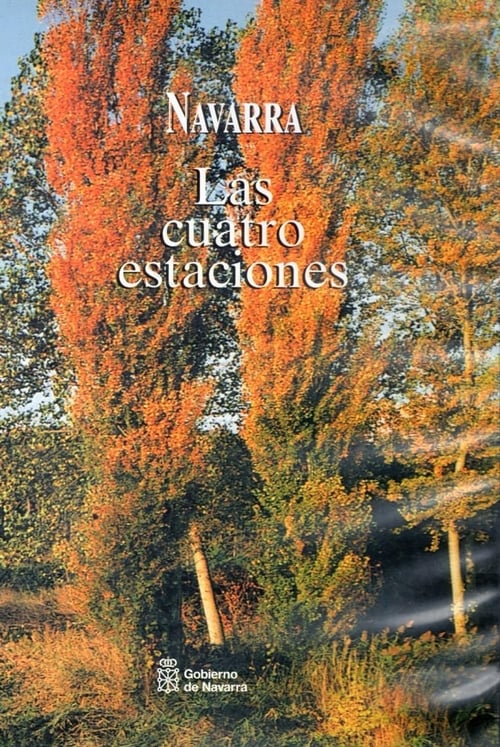
A sample of the most relevant and characteristic aspects of traditional Navarran culture: carnivals, pilgrimages, crafts involving farm implements and tools, agricultural work, patron saint festivals, and other manifestations of rural society and folklore unfold over 150 minutes at the pace set by the seasons. The film is a reference document of prime importance on traditional Navarrese society, which was beginning to disappear in the years when the film was shot due to the rapid transformation of the region into an industrialized society. More than thirty years later, this process has been almost completely accomplished, giving the film a unique added historical value.
Navarra, las cuatro estaciones
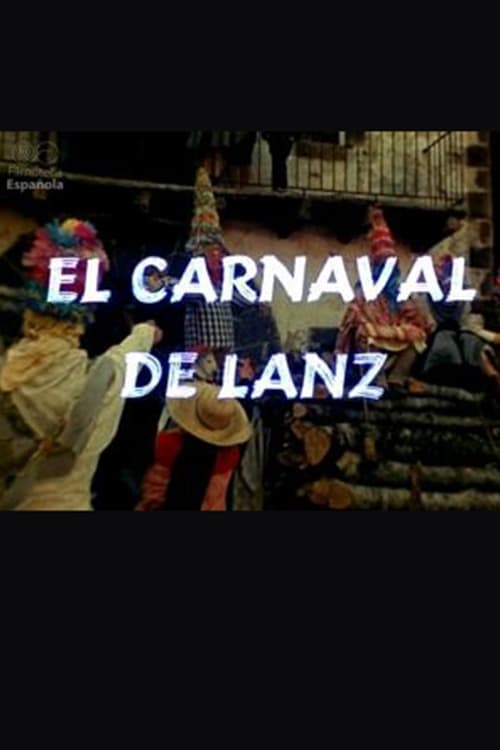
Ethnographic documentary by NO-DO recreating the traditional carnival of the Navarrese village of Lanz.
El carnaval de Lanz
No description available.
La Alberca, vida y muerte
Documentary directed by Pío Caro Baroja, divided into eight distinct parts: Man, Stone, Meadows, Trees, Rural Environment, Iron, Sea, and Villages. This eminently ethnographic work is a compendium of the customs and traditions of a people with an ancient history, which today remains a witness to many images that will never again be part of everyday life.