Acting
World in Action was Granada Television’s flagship ITV current affairs series, running from 7 Jan 1963 to 7 Dec 1998, and built a reputation for film-led investigative reporting and a forceful editorial stance. Its journalism produced major public and political repercussions—including investigations associated with miscarriages of justice such as the Birmingham Six—and it also served as a platform for landmark documentary projects, including the first broadcast of “Seven Up!” as part of the strand in 1964.
A German television format in which Günter Gaus interviewed prominent members of German society, particularly politicians. More than 200 interviews were conducted over the course of 40 years.
No description available.
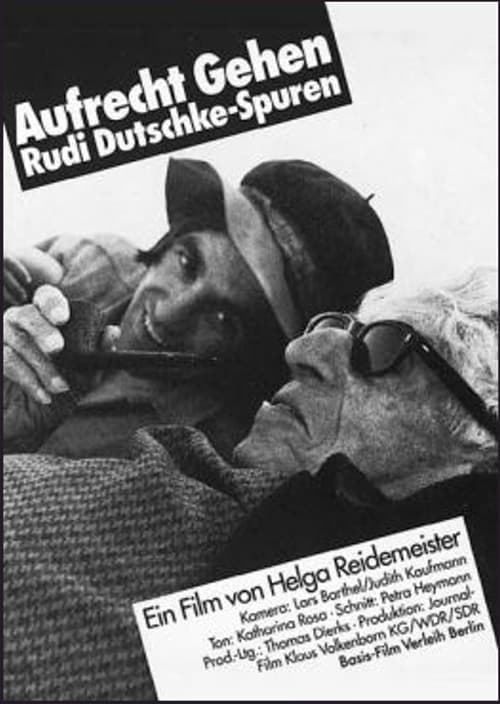
Portrait of the spokesman of the student movement and extra-parliamentary opposition Rudi Dutschke, who died on December 24, 1979 from the late effects of an assassination attempt. The film is not limited to the mere biography of the extra-parliamentary politician, but also depicts the political environment as well as the late effects of the student movement. In retrospect, it condenses into a picture of a highly politicized society that had not yet begun its retreat into the private sphere.
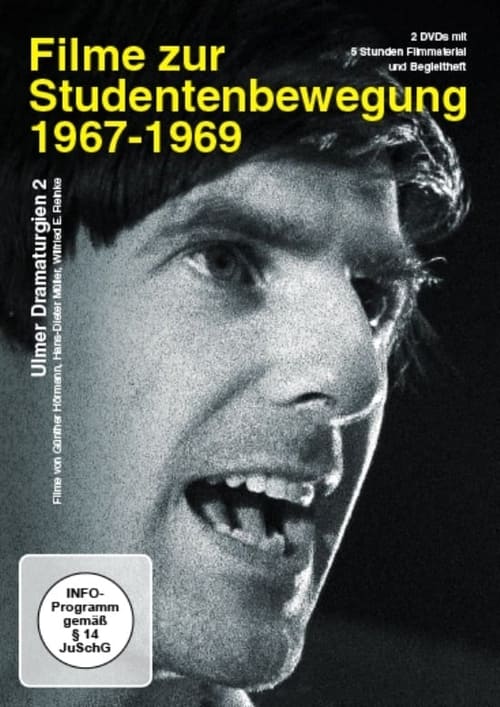
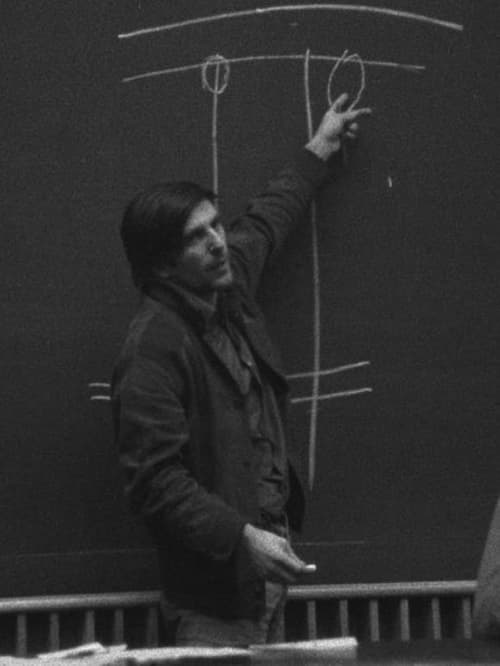
The film consists of four parts: Part 1 shows the founding of a new working group of the "Critical University" at the FU Berlin. Participants are students, workers, pupils, assistants and a university lecturer. The working group is founded to study the problems of educational advertising. Part 2 shows the campaign "Expropriate Springer"; the university administration of the FU Berlin refuses the rooms. The Springer Hearing takes place after all. Part 3 describes the Vietnam Congress, shows Dutschke's speech and a first approach to a counter-demonstration against the students. Part 4 answers Wolfgang Lefevre's questions about the next goals of the SDS.
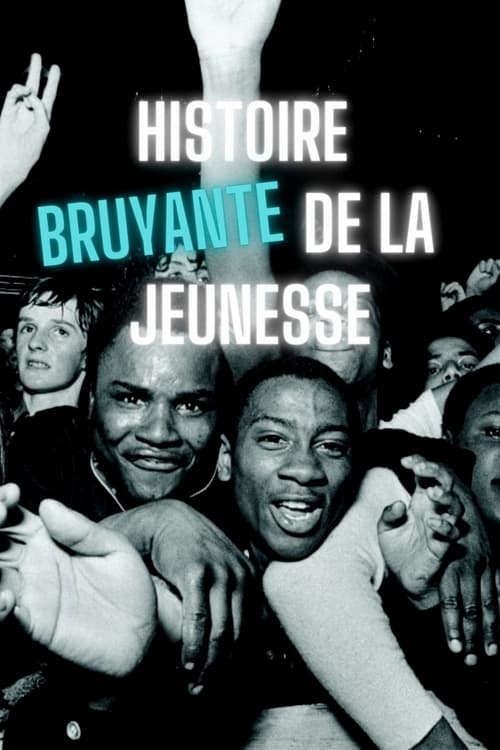
A look back at the social movements, revolts and youth subcultures from the post-war period to the present day: after the World War II, the left-bank of Paris became a mecca for jazz and alternative living, youth culture was born with trailblazing American movies, and rock became the soundtrack to a generation that wanted to change everything.
In 2014, Germany television network ZDF commissioned a comprehensive TV documentary on the history of the Red Army Faction (RAF). In six 45-minute parts, the series describes the origins, rise, and fall of the terrorist organization "Red Army Faction." Interviewees include Winfried Ridder, former head of department at the Federal Office for the Protection of the Constitution; Rainer Hofmeyer, former head of department at the Federal Criminal Police Office; and political scientist Dr. Wolfgang Kraushaar.
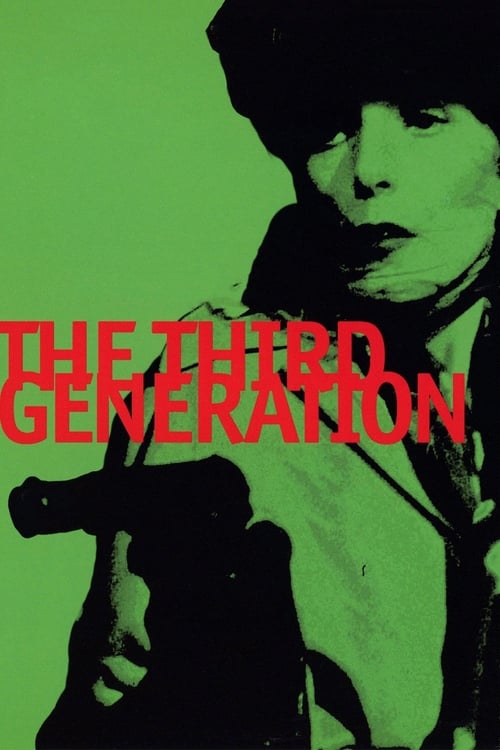
A wildly anarchic satire of guerrilla terrorism in which a band of leftist radicals inadvertently become puppets of the West German government, which uses them to justify its authoritarian policies.
Giefer documents the International Vietnam Congress, which took place on February 17 and 18, 1968 in the Audimax of the Technical University of Berlin (TU). With his photographs of the counter-demonstration, which was organized on 21 February 1968 under the slogan "Berlin stands for freedom and peace" on John-F.-Kennedy-Platz in Berlin-Schöneberg, Giefer also shows the counter-movement.