Camera
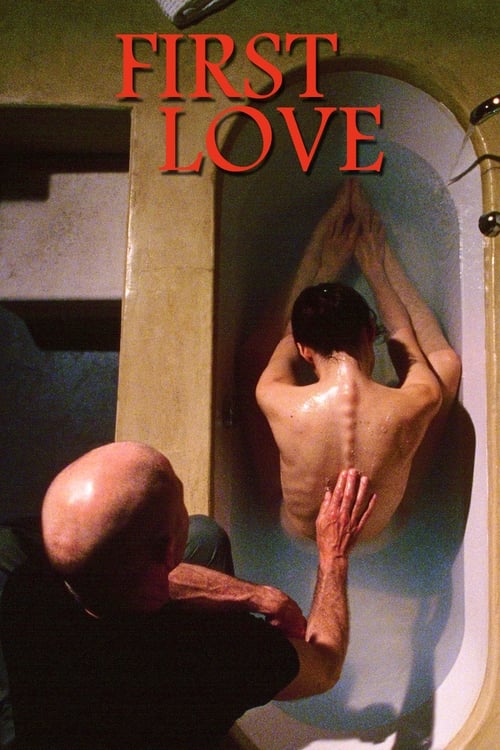
Vittorio is looking for a woman who matches his ideal. Through a classified ad he meets Sonia, a sweet, pleasant, intelligent girl. However, she weighs 125 pounds -- which according to Vittorio is way too much. A goldsmith by trade, Vittorio is obsessed with the desire to shape Sonia's body and mind as does a fire with gold. Almost imperceptibly Sonia becomes a passive participant and the relationship grows into a reciprocal masochistic game. When the two lovers isolate themselves in a country house in the Veneto hills, they dangerously lose touch with reality and the rest of the world.
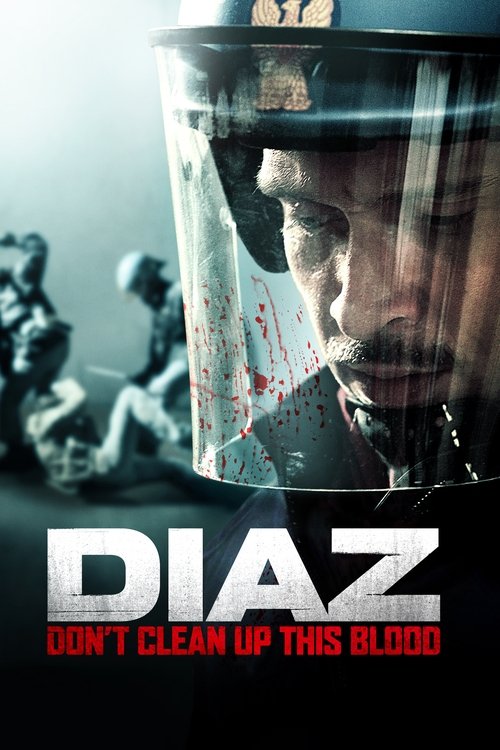
On July 19–21, 2001, over 200,000 people took to the streets of Genoa to protest against the ongoing G8 summit. Anti-globalization activists clashed with the police, with 23-year-old protester Carlo Giuliani shot dead after confronting a police vehicle. In the aftermath, the police organized a night raid on the Diaz high school, where around a hundred people between unarmed protesters—mostly students—and independent reporters who documented the police brutality during the protests had took shelter. What happened next was called by Amnesty International "the most serious breach of civil liberties in a democratic Western country since World War II."
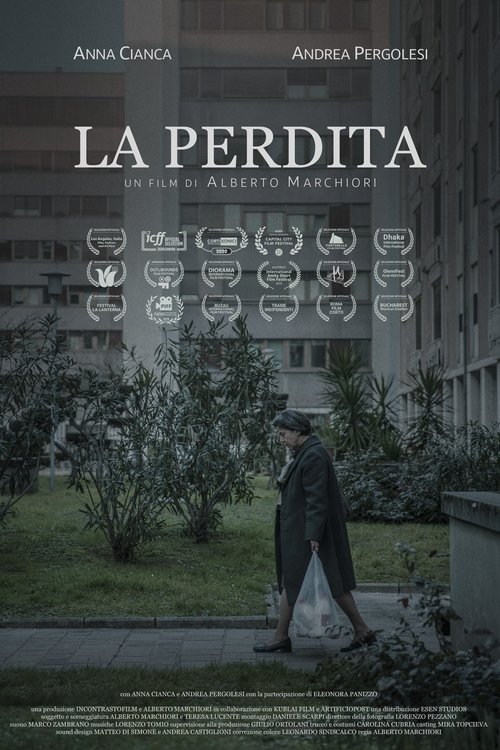
Maria has always played the part of the caring mother and grandmother. Which is what everyone expected from her. A simple question opens her eyes, she realizes that she needs an authentic friendship. For the first time, she asks for help.
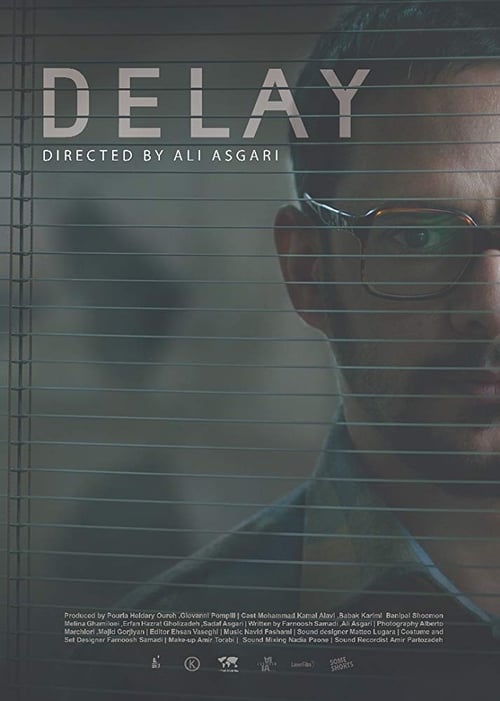
A man and his two children are late for their flight. While they wait for the next flight something happens that changes his point of view about being a father.
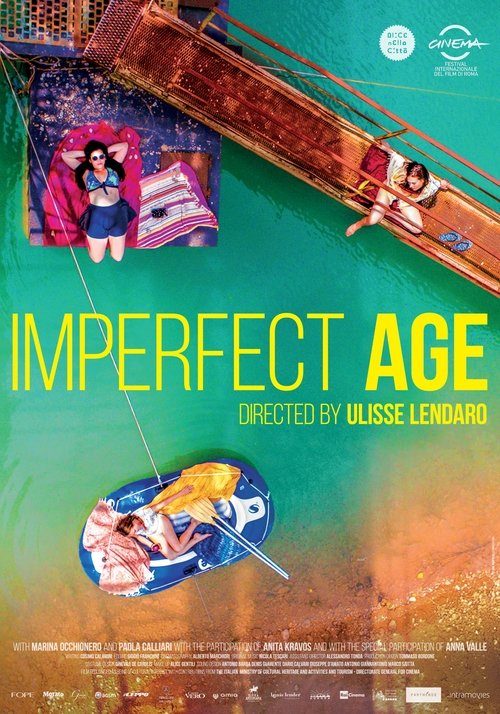
No description available.
Eighteen-year-old Matilde lives with her grandmother and her mother Laura, a woman struggling with debt and failures. Completely disconnected from reality and attached to her online avatar, Matilde has found her own way to make money: stripping on webcam. One day, Laura is forced to reveal her debts to her daughter, who plots an ideal solution to their troubles, unexpectedly involving Ernesto, a wealthy bourgeois obsessed with sex and possessions.
Franco Elica is a film director casting a remake of a pious melodrama in Rome. He's melancholy, heading south for a break. On a beach, he meets a man who films weddings and is roped into helping film the wedding of the daughter of a severe and imperious prince. The wedding is one of convenience - the prince needs money, the groom is a mama's boy. Elica is attracted to the bride, Boda, and tries to convince her not to marry. No matter how outrageous his behavior, the prince keeps Elica on as the wedding director. As the wedding approaches, what's real blurs with Elica's imagination. Is he mad?
A mystery-thriller about an Italian woman who moves to Davenport to open a restaurant. After her husband commits suicide, she spends fifteen years recovering at a Minnesota mental hospital. When she builds herself up enough to begin another restaurant, she discovers that a murder took place there fifty years earlier. She decides to investigate and finds a secret plot.
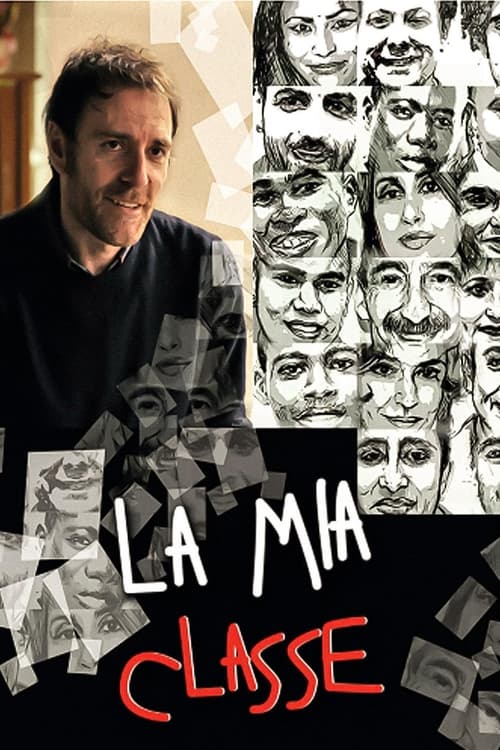
The ostensibly simple story of a sympathetic veteran teacher giving Italian lessons to a weekly class of diverse immigrants is given infinitely more depth and complexity by the manner in which director Daniele Gaglianone renders his story. Blurring the lines between fact and fiction, truth and artifice, and between documentary and drama, Gaglianone has created a film within a film. You see the apparent artifice of Gaglianone’s crew using professionals, including the noted film actor Valerio Mastandrea as the teacher, interlinked with ‘real’ immigrant protagonists, studying the language to improve their chances of employment and of gaining a permanent residence permit. Thus in the course of the lessons there is simultaneously the painful and upsetting relation of the students’ personal stories but also humour, as they interact and share their humanity, bridging cultural differences, united in their striving to make a better life for themselves. (Source: LFF programme)
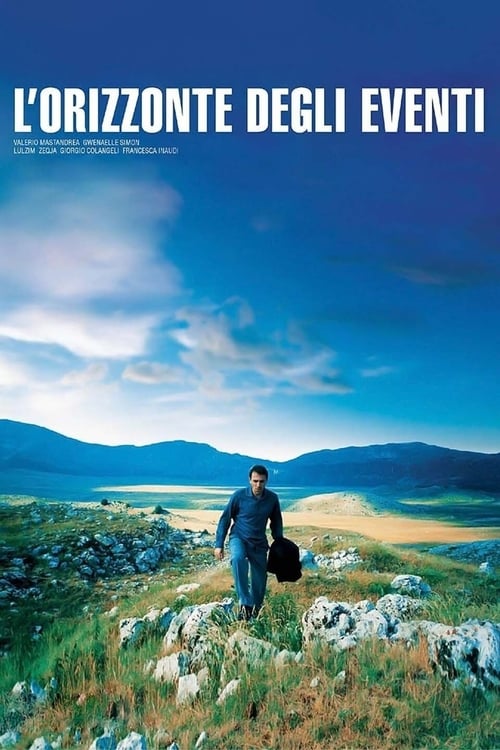
The film is about two worlds, different and parallel, living together in the same territory: the Gran Sasso of Italy. The contact between the two realities occurs through the characters of Max, a nuclear physics researcher who works tirelessly in the laboratory located in the belly of the mountain, and the shepherd Bajram. In fact, the shepherd walks on the physicist's head but neither of them knows it. Inside the laboratory the most advanced craft of mankind is being developed, above the mountain, on the other hand, there are poor immigrants doing the oldest work in the world. Gran Sasso is, according to the director, the synthetic image of globalization.
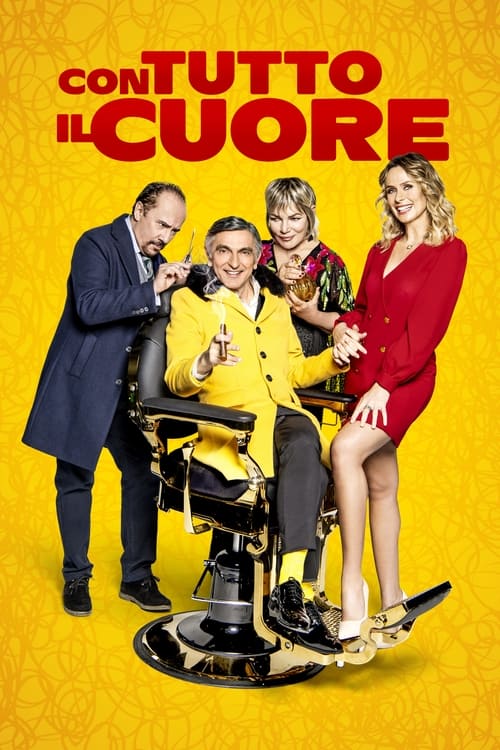
Ottavio Camaldoli is a professor of Latin and Greek. An honest and gentleman, he is considered a "fool" by everyone around him. But what would happen if this defenseless man, a victim of petty daily abuses in his social life, at work, and even at home, were to receive another man's heart transplant? Especially if this other man, the donor, were a brutal criminal with the sinister nickname of "O Barbiere" (The Barber)? Would Ottavio Camaldoli, after inheriting the heart, automatically become a criminal? Science tells us that these are just silly, ancient beliefs. But what if Donna Carmela, the Barber's ruthless mother, were convinced that her son is still alive thanks to the heart now beating in the professor's chest?
The film, a nostalgic fantasy documentary, depicts in six episodes a family story in Bobbio between 1999 and 2008. We discover the 5 years-old Elena being brought up by her aunts (Marco Bellocchio's sisters) because her mother Sara is trying to succeed as an actress in Milan. Her uncle Giorgio has a difficult relationship with his sister and judges her for not taking care of her daughter. But as soon as Sara can afford it, she offers to take Elena with her, leaving the village and her aunts, perhaps for ever - while Giorgio, up to his eyeballs in debt, takes refuge in Bobbio. His sister will help him and sell a house.
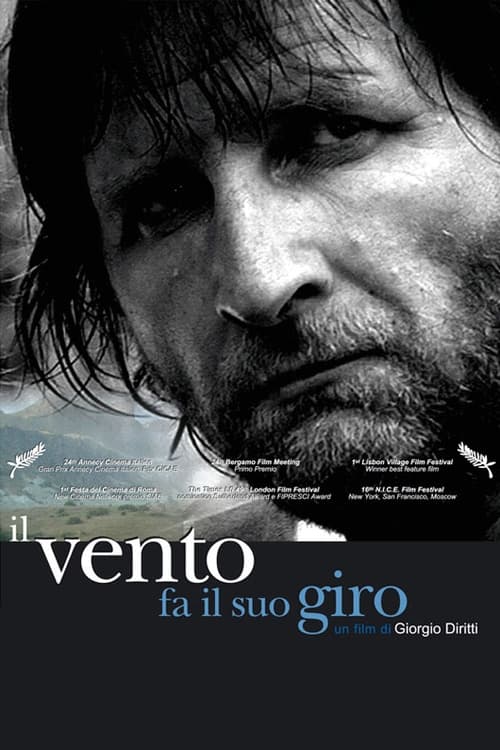
The aging, conservative population of a small, sleepy village in the Italian Alps are surprised to see that a former French professor has settled there with his young wife and their three children to produce goat cheese, in order to escape the wrongs of civilization. At first they are suspicious of his unconventional ideas and lifestyle, then are conquered by the enthusiasm, kindness, helpfulness of the young family and start to see in them a possible rebirth of the place. But little by little misunderstandings, envy and conflicts take over.
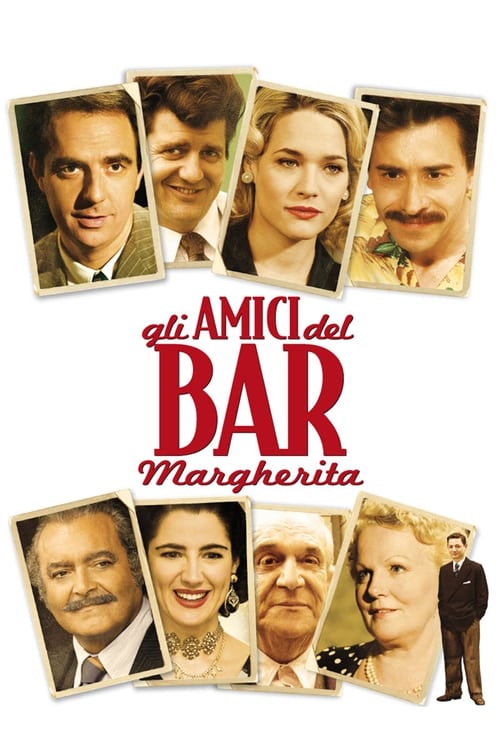
Bologna, 1954. Taddeo, a young man of 18 whom everyone calls Kid, dreams of becoming one of the regulars of the mythical Margherita Café, located under the portico across from his family's home. Through a ploy, he manages to get work as the chauffeur for Al, the neighborhood's most glamorous and mysterious resident. Having been taken under Al's wing, Taddeo gets to witness the adventures of Bep, who is in love with Marcella the entraineuse; the trials and tribulations of Gian, an aspiring singer and the victim of a horrible practical joke; the crazy behavior of Manuelo, a small-time robber with a sex phobia; the meanness of Zanchi, inventor of the elastic necktie; and the bizarre manias of Sarti, a ballroom dancing champion who wears his tux day and night. And Taddeo's home life is no less out of the ordinary, considering his mother is being led on by the family physician while his grandfather has fallen head over heels for a well-built piano teacher.
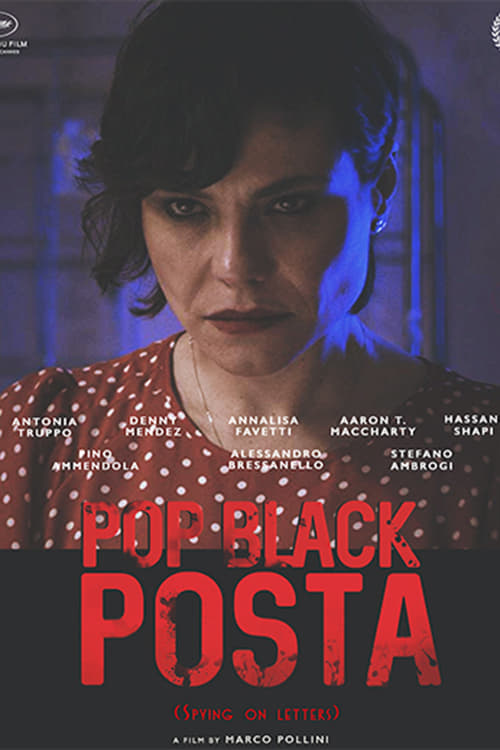
In a post office 5 people are kidnapped by a crazy woman. They have to confess their crimes and sins and find a way to escape . Good Film, a must see.
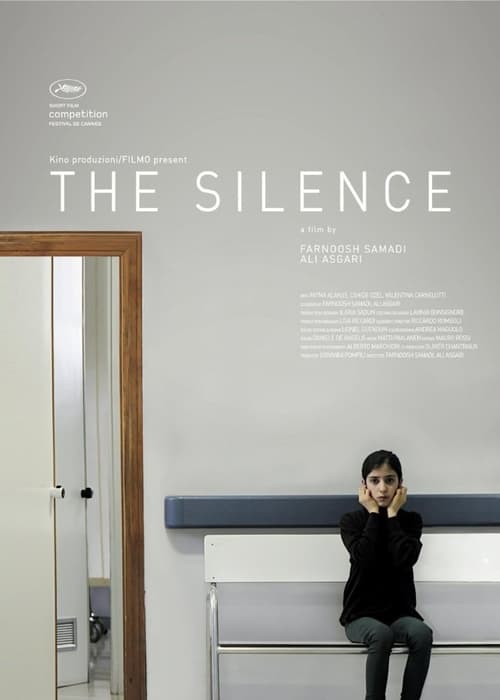
Fatma and her mother are Kurdish refugees living in Italy. One day at the hospital, Fatma learns her mother has breast cancer.
Camilla wants to be a ballerina and the upcoming auditions for a dance college will be a great opportunity for her to showcase her talent. But, pushy like a tenacious summer wind, Sara swirls into her life and introduces her to an unfamiliar world made of sex, shopping sprees, soft drugs, parties, and wild friends.
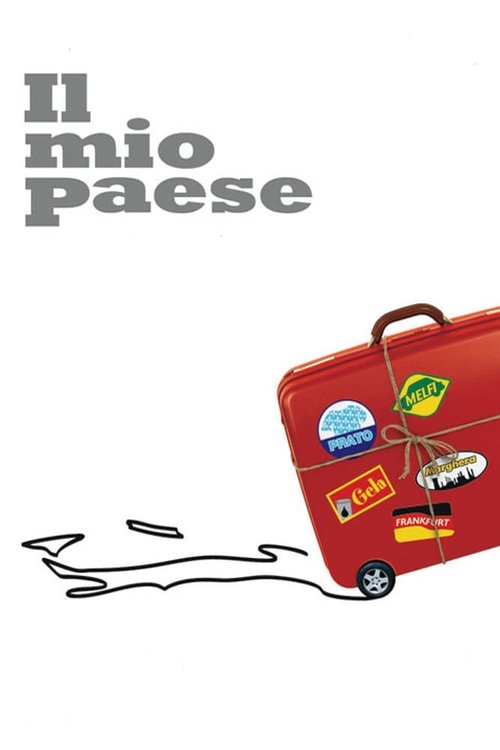
A journey from the south to the north of Italy covering the track of the legendary Joris Ivens documentary "L'Italia non è un paese povero".
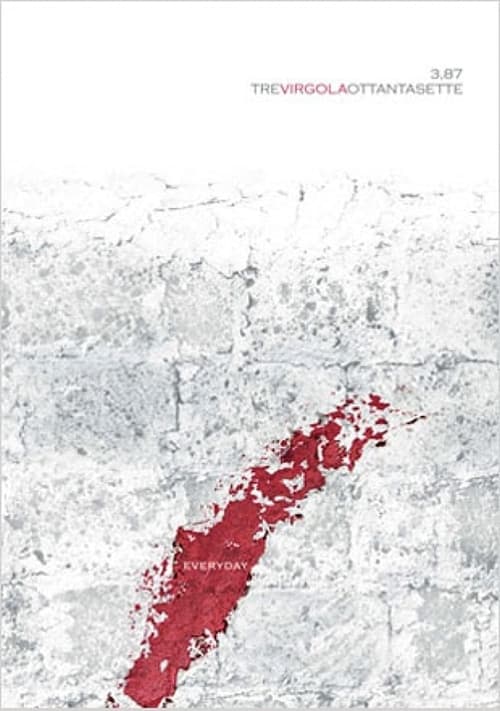
During 2004 alone, 1400 people in Italy died at their workplace, 3.87 per day. Andrea is one of them.