Lajar Muzuris
Acting
Known For
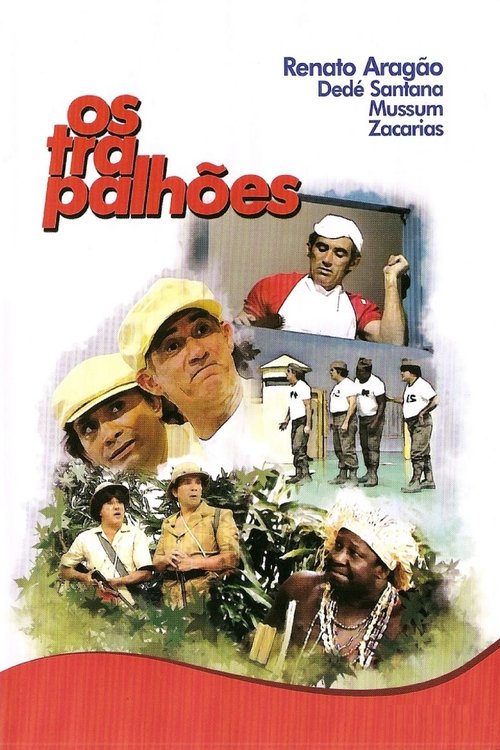
Os Trapalhões was a Brazilian comedy group and also a Brazilian television series created by Wilton Franco. Its members were Dedé Santana, Zacarias, Mussum and their leader Didi Mocó, that was played by Renato Aragão. The name Trapalhões is derived from the Portuguese verb atrapalhar, which means the opposite of helping, to do something the wrong way or to Those that confuse. The name is translated "Tramps" in English DVD subtitles. It was aired by Rede Globo from 1977 to 1999. On March 18, 1990, Zacarias died due to respiratory failure, but the group and the series didn't come to an end until July 29, 1994, when Mussum died due to an unsuccessful heart transplant.
The Trapalhões
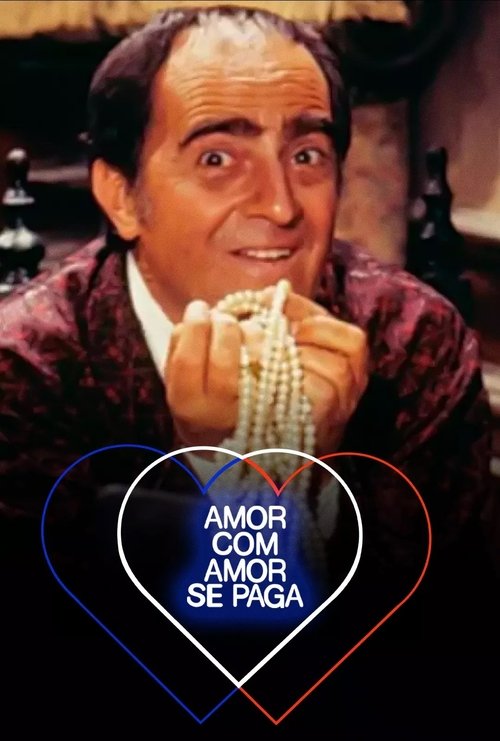
Nonô Corrêa, extremely stingy, puts padlocks on the refrigerator and pantry cupboards to prevent his children, Elisa and Tomaz, from eating more than he considers necessary. Nonô never forgets to raise the rents on the apartments he rents, leaving the tenants desperate. The funny thing is that Nonô is very rich and hides his precious fortune from everyone. The only one who knows his secret is Anselmo. Another character who suffers from Nonô's miserliness is the maid Frosina, who has worked for him for over 20 years. At a certain point in the story, an orphan, Zezinho, crosses Nonô's path. The boy wins the heart of the neurotic man.
Amor com Amor Se Paga
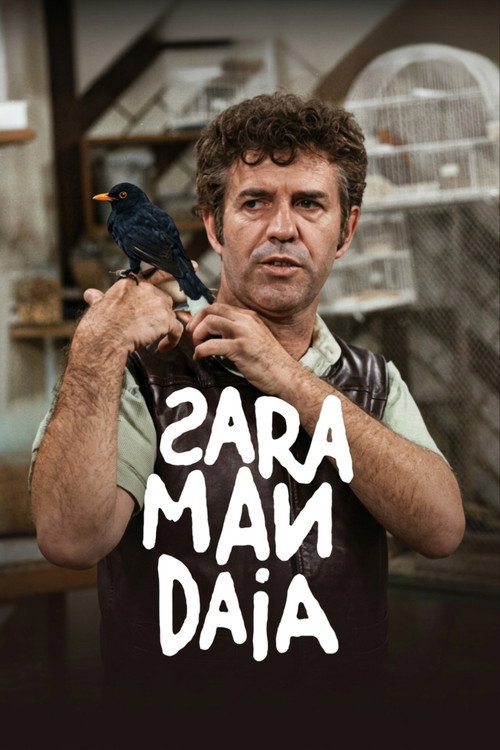
Saramandaia is a Brazilian telenovela originally written by Dias Gomes in 1976. It's considered remarkable because of the Magic Realism (used by the author to subtly criticize the Military Regime of the time) and had 160 chapters. The story centers on the name change that the city undergoes, promoted by the younger citizens and reviled by the older ones. It also focuses on the lives of the city's quirky residents.
Saramandaia
No description available.
Pai Herói
No description available.
Jerônimo, o Herói do Sertão

No description available.
Coração Alado

No description available.
O Cafona
No description available.
Bandeira 2

No description available.
Assim na Terra Como no Céu

No description available.
Verão Vermelho
No description available.
O Grito

No description available.
O Rebu

No description available.
Sétimo Sentido

No description available.
O Bem-Amado

No description available.
Caso Especial
No description available.
Cinderela 77
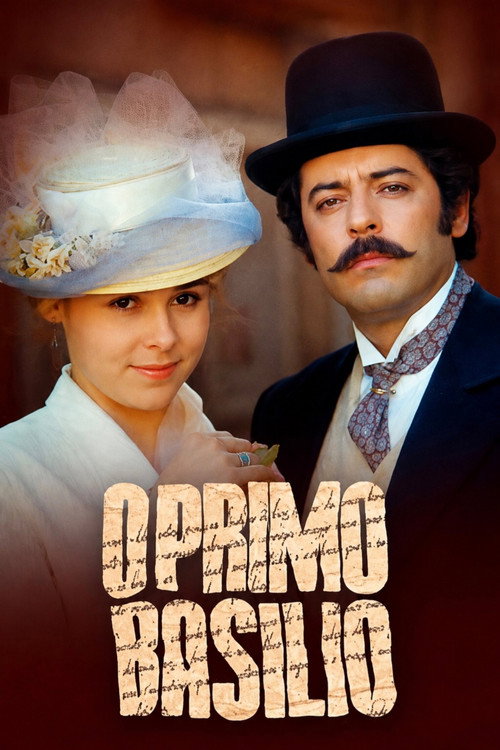
Arriving in Lisbon from London, Basílio falls in love with his cousin Luísa, but he must go to Brazil, promising he will eventually marry her. As time goes by, he sends her a letter ending the relationship and she marries Jorge, an engineer. One of Jorge's rich aunts dies, leaving him a small fortune and her former maid Juliana. Juliana gets hold of love letters between Luísa and Basílio and starts to blackmail her employer.
Cousin Bazilio
No description available.
A Ponte dos Suspiros
No description available.
O Noviço
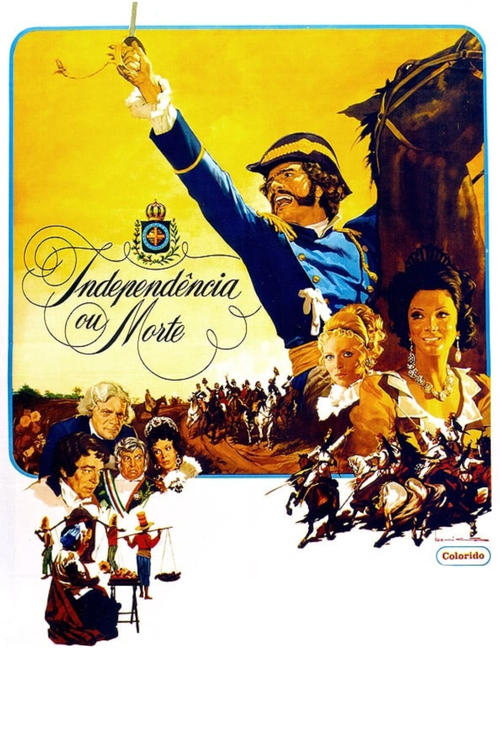
The story of how D. Pedro I proclaimed the Brazilian independence on September 7th, 1822, and rose from prince of Portugal to first emperor of Brazil.