Věra Kadlecová
Production
Known For
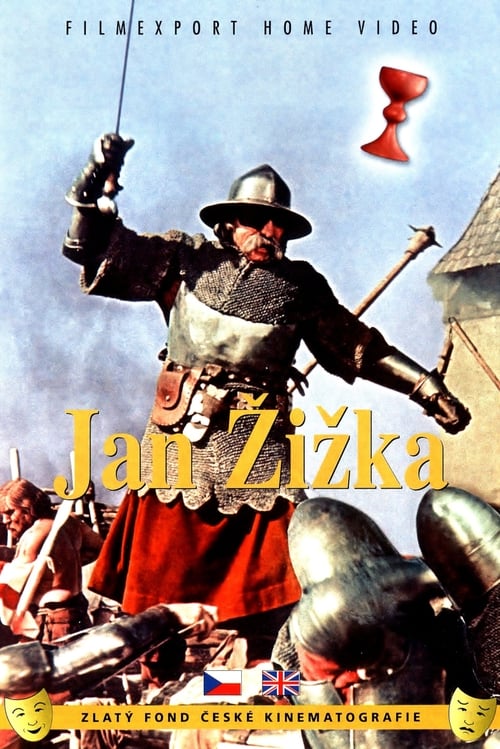
The second part of the revolutionary Hussite trilogy takes place in the years 1419-1420.
Jan Žižka
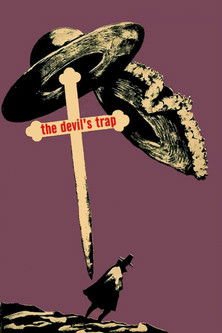
A small town is one day visited by a priest who is there on a secret mission. He is a member of the Inquisition sent to investigate the activities of a local miller. The miller and his son are the descendants of an old family whose ancestral home burned down a century ago, but was rebuilt from scratch. The miller inherited much of his knowledge about the land, water, and a building's stability from generations of family experience. His reputation for finding water and predicting when a structure might collapse have come to the attention of the Inquisition -surely he must be in league with the Devil.
The Devil's Trap
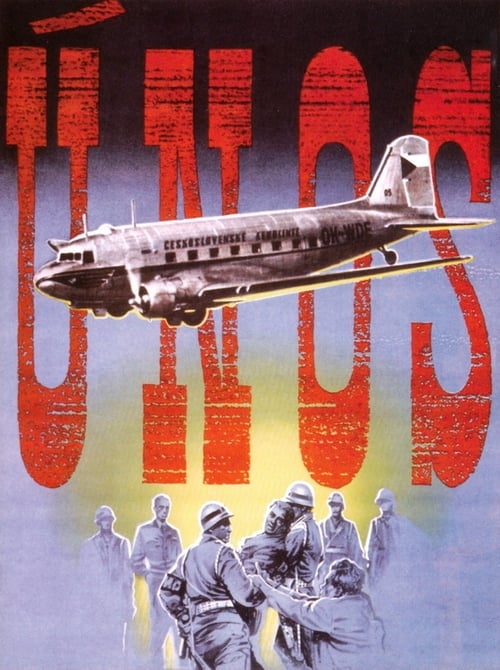
American agents hijack a plane on the Ostrava-Prague route to launch a campaign against the People's Democratic Czechoslovakia. The plane lands in West Germany, but the Americans have an unexpected problem convincing the hijackers to stay in the West. Based on a true story.
Kidnapped
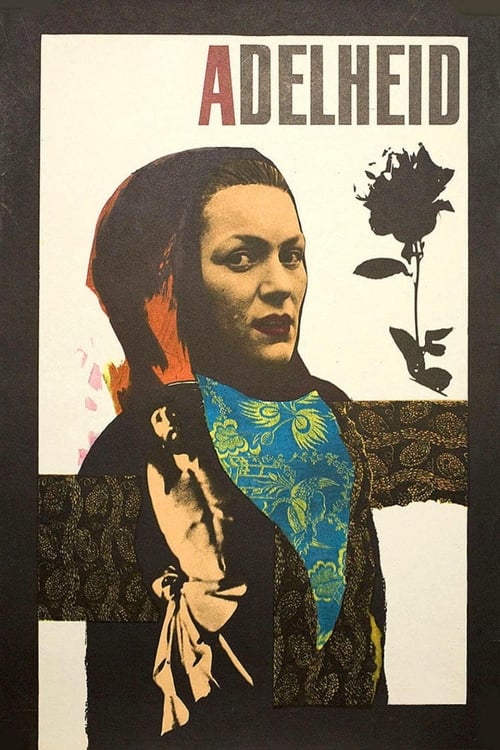
In the aftermath of World War II, a soldier takes charge of a manor formerly owned by a German family and falls in love with the daughter, now a maid. Their relationship forces him to confront the tension between his love and his conscience.
Adelheid
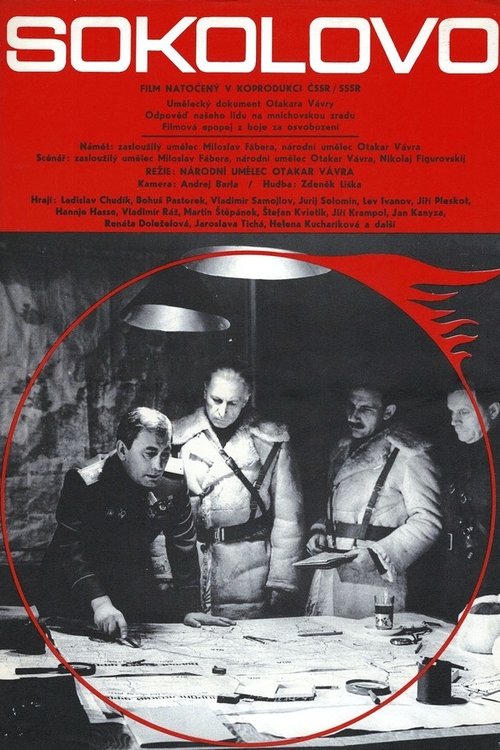
The plot begins in the Soviet Union showing first efforts to establish the Czechoslovak legion in 1942. The film also shows the assassination of Heydrich and the subsequent annihilation of Lidice. The main topis of the film is battles with German troops for Sokolovo.
Sokolovo
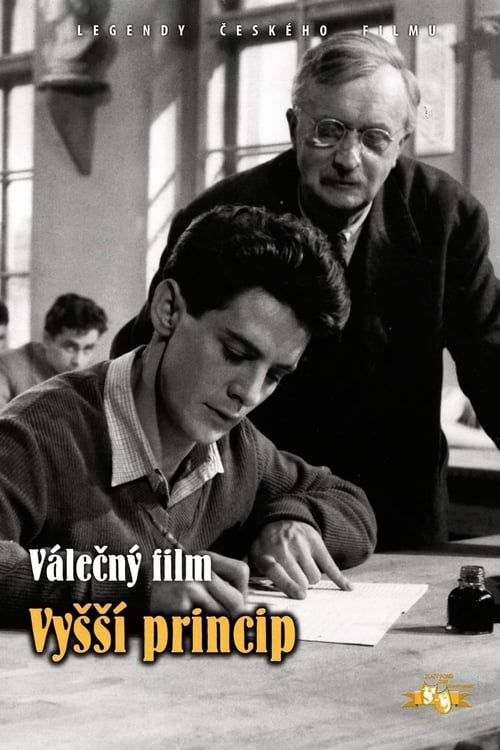
During the Nazi occupation of a Czech city civilians are being rounded up on the slightest of pretexts and shot. One day three high school boys who crack jokes about a recently deceased "hero of the Reich" are pulled out of school by the Gestapo.
Higher Principle

Cast out by his father, young Ondrej joins the Order of the Teutonic Knights, where he is raised by strict monk Armin. After years of hardship, Ondrej escapes from the Order when he is wrongly punished, and sets out for his former home. Arriving to discover his father to be dead, Ondrej now not only assumes control of his father's properties, but seeks to marry his former stepmother.
The Valley of the Bees
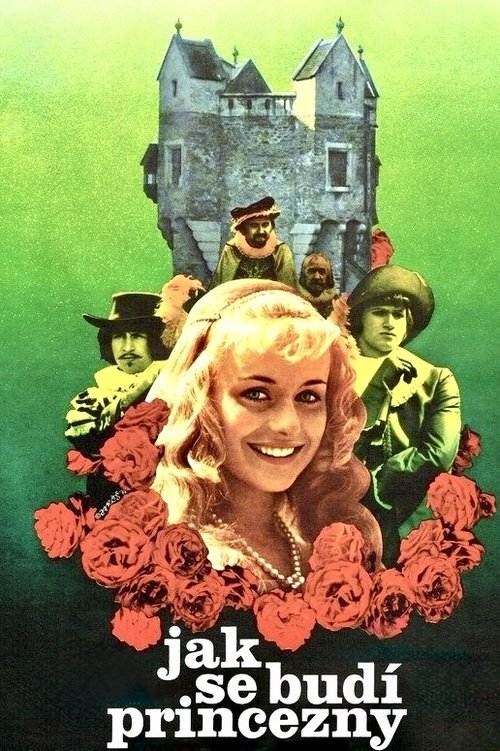
At long last, King Dalimil and Queen Eliška have produced an heir, Princess Růženka. Consumed with envy, Eliška’s sister Melánie casts a curse: On the day Růženka turns seventeen, she will prick her finger and fall into a deep sleep together with the entire kingdom.
How to Wake a Princess
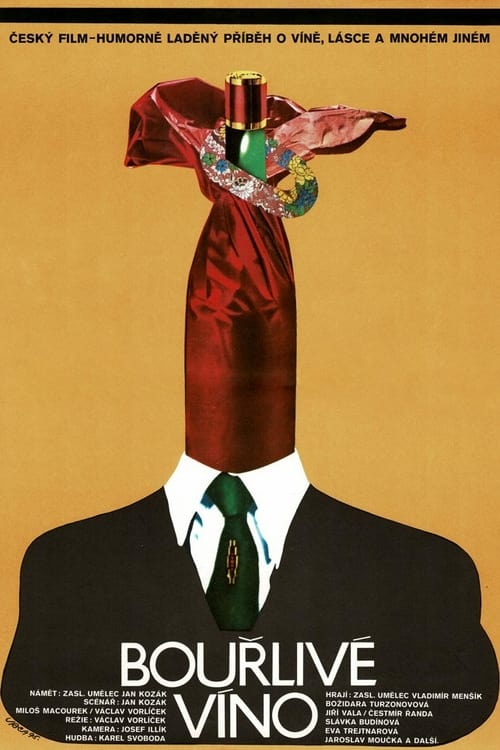
It is the summer of 1968 and also in South Moravian Pálavice appear political clashes. The so far peacefully farming Unified farmers' cooperative starts splitting. Some of the farmers have found the cooperative called Vidrupa and want to deal with wine in private trade. Michal Janák, chairman of the farmers' cooperative is a deliberate man and refuses the latent return to the capitalism. As an excellent farmer he continues preparing planting out new vineyards. His adversaries do not agree - the returns will come many years later. Jozka Hrdlicka, an émigré, notices on the Austrian TV the interview with the representatives of Vidrupa and decides to visit his native village. The new suit and the hired car transform the bankrupt and criminal to the successful businessman with wine.
Wine Working
The short story film follows the fate of three young men who will soon have to decide what to do with their lives. The first "Poet", an aspiring author, publishes his first poem, while the sporting career of the second "Rep", a national table tennis player, is disrupted by a maths repartee. The last "Beaver Grizzly" is a tramp more used to solitude, yet he starts a pioneer troop...
Maturita za školou

The 19-year-old volleyball player has been bedridden for a long time due to a spinal injury. The self-confident and energetic girl has time to recap her life and short sporting career so far...
Zrcadlo pro Kristýnu

Pavel, a young student living in Prague in 1942, hides a Jewish girl in his apartment building's attic. Amidst the brutality of the occupying German army, love blossoms between the two. He is her only link to the outside world. Then the two are discovered by Pavel's mother, who forces the residents of the apartment building to decide whether Hana can remain.
Romeo, Juliet and Darkness
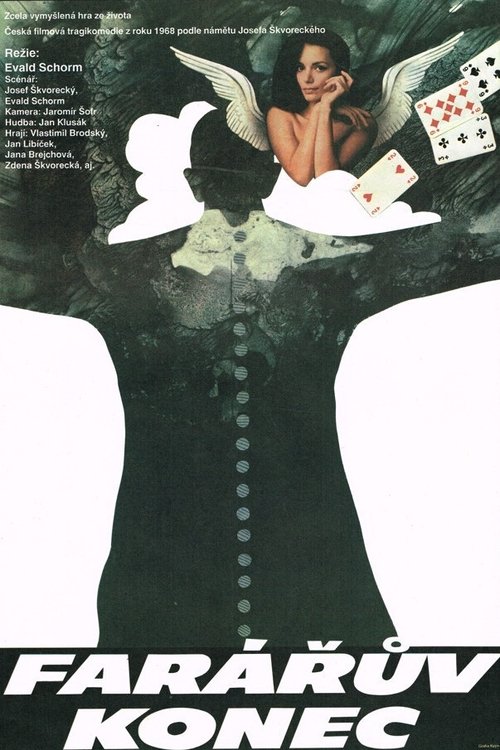
A verger, who likes to dress as a priest, is invited, by one of the villagers, to be the pastor at a vacant church. The atheist teacher resents the pastor, and tries to embarrass him in various ways, including being caught with the local girl, Majka.
The End of a Priest
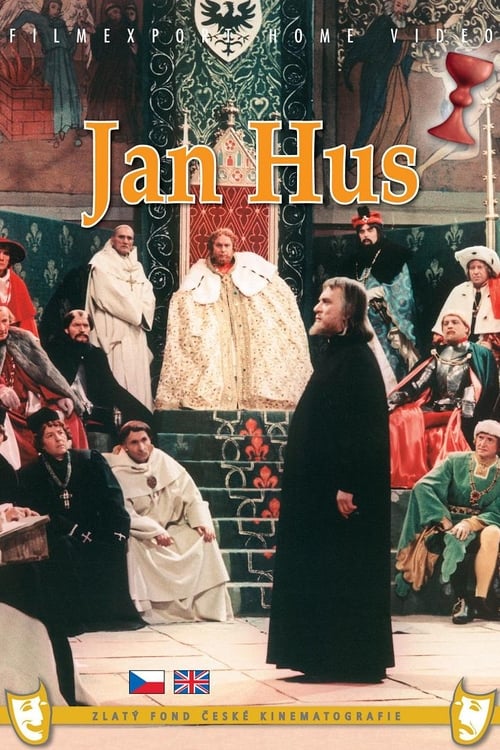
The first part of the "Hussite Revolutionary Trilogy", completed with Jan Žižka (1955) and Proti všem (Against All Odds, 1957). The film captures the period from May 1412 to the summer of 1415, a turbulent time in the Czech Kingdom, during which there were protests in Prague against the sale of "omnipotent indulgences" whose sale throughout the kingdom was announced by Pope John XXIII. The ideological leader of this movement is the preacher Master Jan Hus, whose words, calling for the elimination of church abuses, are listened to in the Bethlehem Chapel by thousands of ordinary Praguers, Czech lords and Queen Sophie, wife of the Czech King Wenceslas IV.
Jan Hus
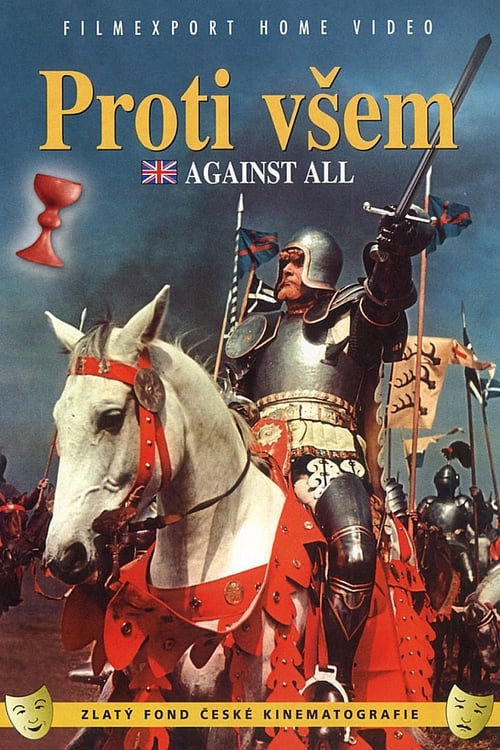
After the battle of Sudoměř the Hussite teaching spreads through the whole country and people start leaving their homes to help build the fortification of Tábor. Prague citizens request help against the army of Zikmund. The Hussite army with Jan Žižka in the lead make their way towards Prague. They fortify themselves on the mountain Vítkov and engage in a bloody battle with Zikmund’s huge army.
Against All
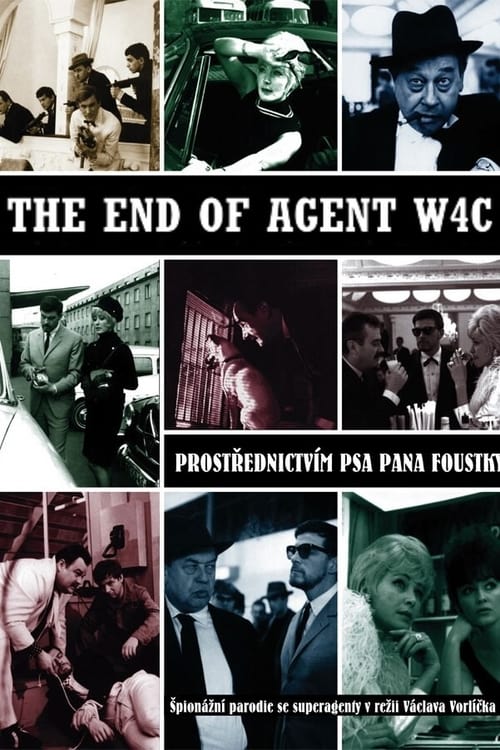
The invincible agent Cyril Juan Borguette alias W4C has been assigned a mission to go to a hotel in Prague, get hold of a saltcellar with a plan for the military exploitation of Venus hidden in it, and hand it over to the beautiful agent Alice. He will have to compete for the saltcellar with other agents working for the world's various greater and smaller powers. The head of the Prague counter-intelligence unit gets news of agent W4C's mission. Deficient in personnel, he nominates accountant Foustka as agent 13B. Mr Foustka takes his dog Pajda with him and the two head for the airport. Pajda helps him track down agent W4C in a classy hotel that becomes the battleground for the interests and plans of the secret agents from different countries, each trying to get hold of the precious saltcellar.
The End of Agent W4C
An ideologically-oriented film set in a prestigious medical sanatorium - a young doctor sympathizes with the poor people of the area, helping workers and their sick children.
Případ dr. Kováře
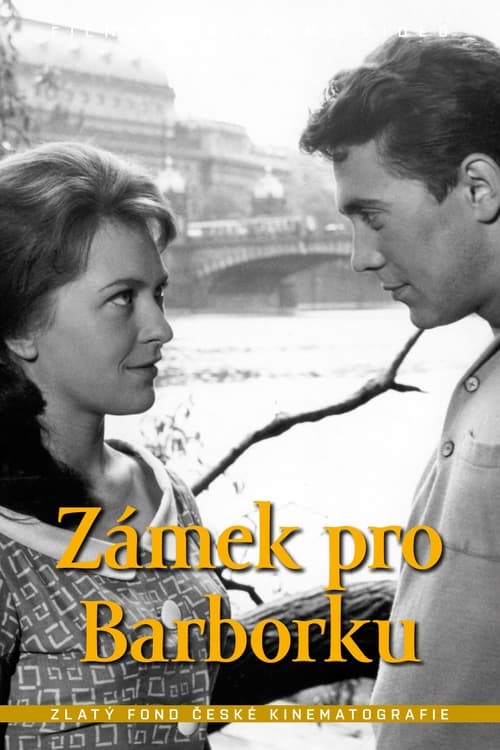
Twelve graduates of one year of DAMU decide to go to the regional theatre together. During the first season, the enthusiastic collective breaks up and only five remain, determined to continue.
Zámek pro Barborku
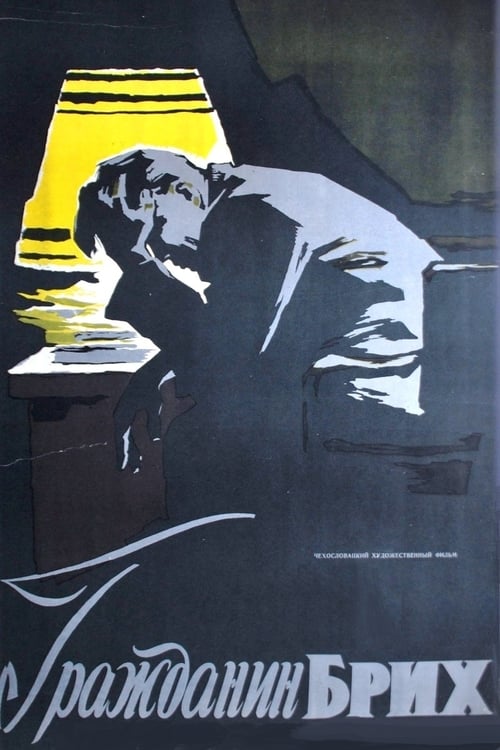
František Brych, a principled lawyer, refuses to back the new Communist regime at his factory and grows increasingly alienated, even as his former love Irena, unhappily married to factory owner Ondřej Ráž, seeks his understanding. When he helps plan an escape over the Šumava border, the group’s panic and violence lead to murder, prompting Brych to abandon the scheme and return home with Irena.
Občan Brych
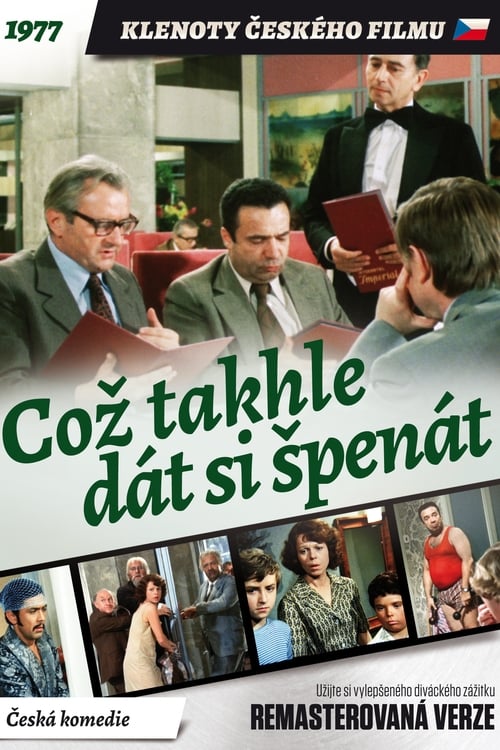
The heroes of this absurd comedy, full of confusion and humor are Dzharda Zemanek and Frantisek Liska.