Robert Morris
Directing
Biography
Robert Morris (b.1931, Kansas City, Missouri; d. 2018, Kingston, New York). Major exhibitions of his work include his installation at the Green Gallery, New York (1965), as well as solo shows at the Whitney Museum (1970), the Tate Gallery (1971) and the Guggenheim, New York (1994). Recently, his work has been exhibited at Leo Castelli, New York (2008); Sprüth Magers Lee, London (2005); Tate Modern, London; Museum Abteiberg, Mönchengladbach (2009); Institut Valencià d’Art Modern, Valencià (2011); Museo Nacional Centro de Arte Reina Sofia, Madrid (2013); Mart Museum, Trento (2016).
Known For
No description available.
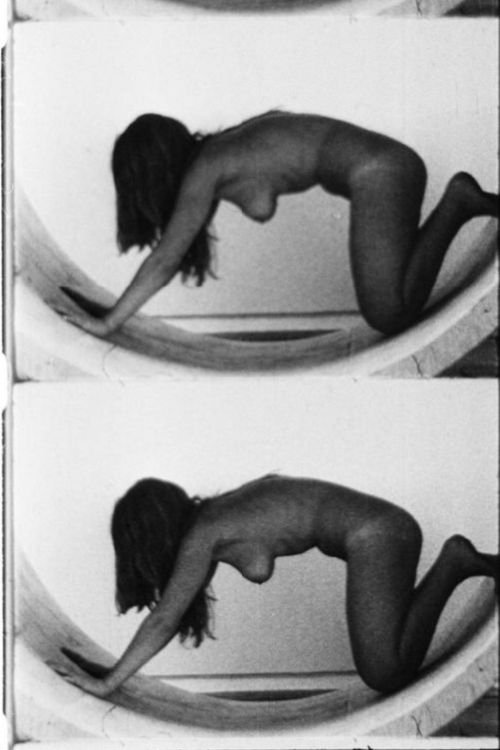
Neo-classic
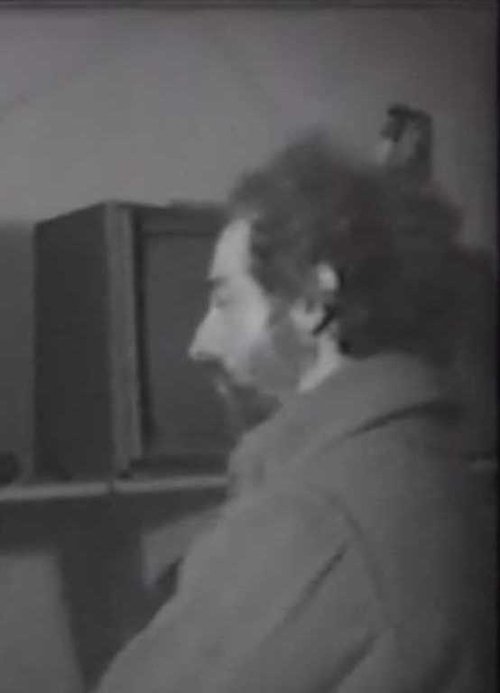
In 1972, Robert Morris and Lynda Benglis agreed to exchange videos in order to develop a dialogue between each other’s work. Morris’s video, Exchange, is a part of that process—a response to Benglis’s Mumble.
Exchange
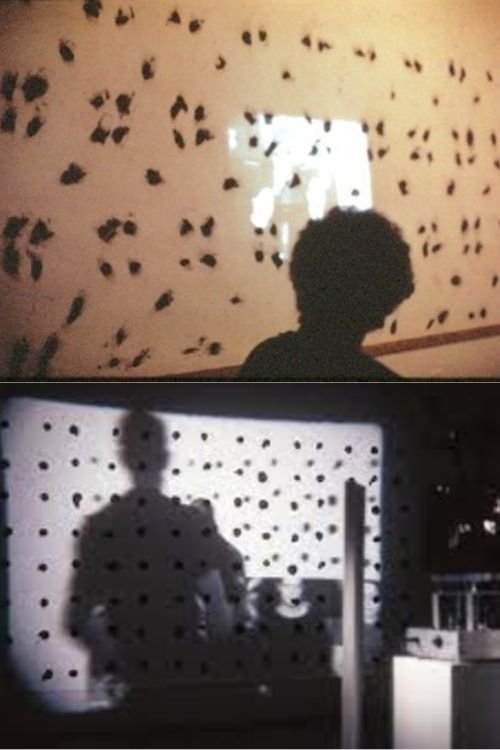
Finch College Project, 1969, by Robert Morris is an installation which consists of a film projected in the same site where it was created. It is a significant precursor to the immersive video installations that gained prominence as a medium for avant-garde art during the 1970s. This project constitutes a continuation of Morris’s earlier interest in installations that produce a total environment, as in his 1961 work, Untitled (Passageway). In 2001, the Whitney Museum of American Art included Finch College Project in the exhibition Into the Light: The Projected Image in American Art 1964–1977, placing this piece in conversation with similar moving-image installations created by artists such as Vito Acconci, Simone Forti, Dan Graham, and Joan Jonas.
Finch Project
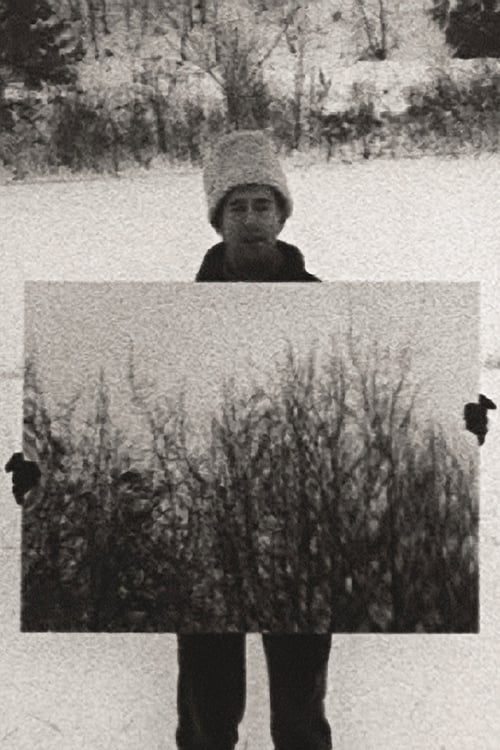
Morris, in a winter landscape, holds a mirror to nature, and to the camera.
Mirror
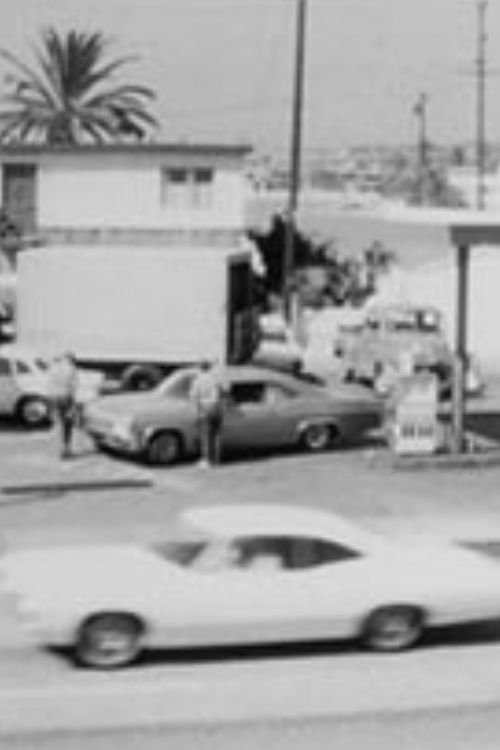
A Southern Californian gas station is observed over time from fixed and moving perspectives, exploring the distinction between the human experience of space and the ‘objective’ perspective of the camera.
Gas Station

For Wisconsin, Morris directed a large group of students to run, wander, collide, and form piles in certain patterns on another snowy field. Though their movements hint at mass hysteria, mass hypnosis, and, when they collapse in sequence, mass murder, the film ultimately celebrates the joy of participation.
Wisconsin
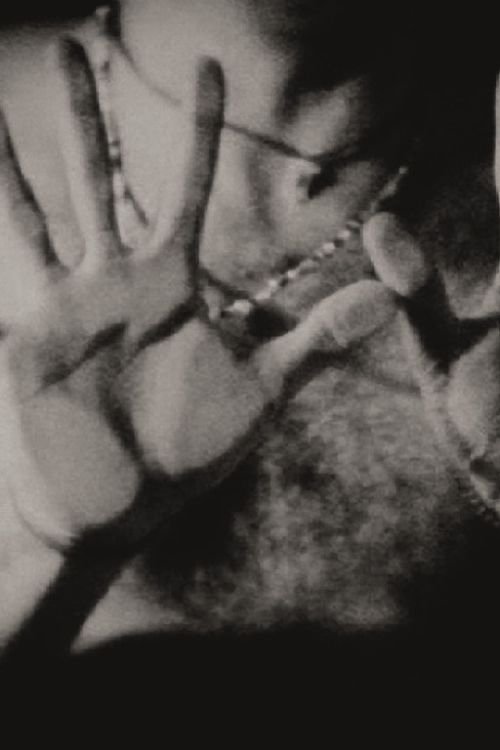
Made for Art by Telephone – an exhibition held at the Art Institute of Chicago in 1969. Morris simply dictated instructions for the making of the film. Despite this conceptual origin, it is also an essentially cinematic ‘performance’, exploiting slow motion, tight framing and an implicit analogy between the transparent glass door against which the figure pushes, and the screen or image surface. The repetitions and variations, the use of gesture, weight and force, give the performance a dance-like gravity.