Rosa Coutinho Cabral
Directing
Biography
A graduate in Sociology from the Instituto de Ciências de Trabalho e Empresa. Final year student in 1977-78 at the Cinema Scholl of the Conservatório Nacional. Assistant director on the TV - Cinema Team of the Secretary of State for Emigration Department until April 1978.
Known For

João is a freelance television journalist. When he begins a new story about an old pigeon breeder in a poor neighborhood on the outskirts of Lisbon, João meets Ana, his teenage granddaughter, a mysterious character who is beginning to exercise an irresistible fascination for him. With the time João starts to lose the interest in the pigeon breeder and begins to take an interest in Ana and her world, which she only shares with another abandoned kid, until she realizes that her life is full of dark stories.
Lavado em Lágrimas

No description available.
Arriverdeci Macau

Adaptation of a Portuguese traditional tale. A travelling man rests at a inn. While sleeping, three beautiful women tell him where to go, the black islands, where he can find them and marry the one that is a princess.
A Princesa das Ilhas Negras

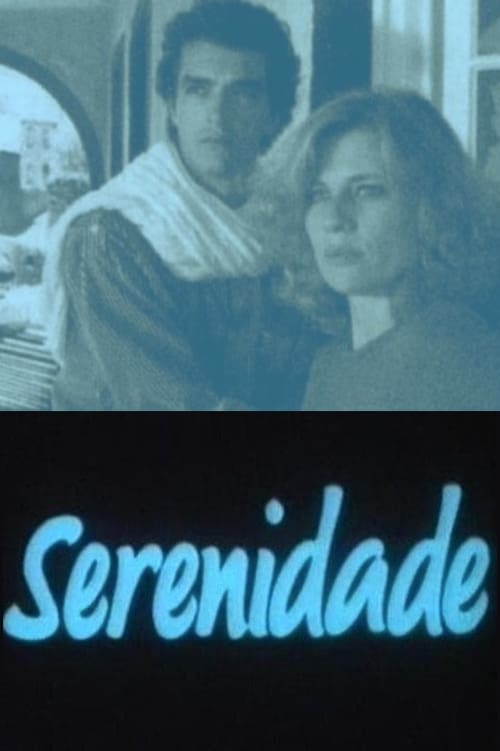
Luís Medeiros, Azorean painter, meets two odd characters in an exhibit in Lisbon: Inês, a charming woman, and Ed, a sneaky man. The two reveal to have with them a precious document that might be threatening to Luís. He brings them back home but his serenity is over due to an unexpected chain of events.
Serenity

A couple looks to mend their relationship and build a new home in the Azores.
Black Heart

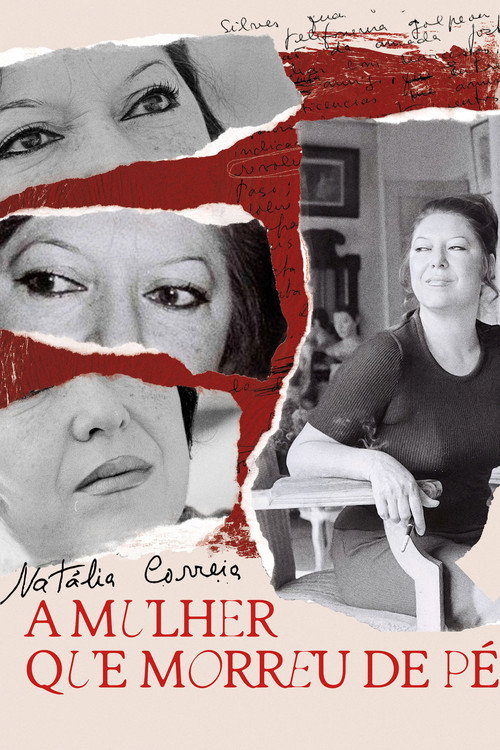
This fictional documentary traces a poetic cartography based on the journey of a theater group to São Miguel, Natália Correia's birthplace, and Lisbon, where she lived most of her life. It passes through Botequim, Assembleia da República, Hotel Britânia, Teatro Micaelense, Parque Terra Nostra, and so many other places once inhabited by Natália and now by these actors who help us to unearth the myths, ghosts, and pains born in the life and work of Natália — one of the most important figures in Portuguese culture, literature, and politics, before and after April 25.
A Mulher que Morreu de Pé

No description available.
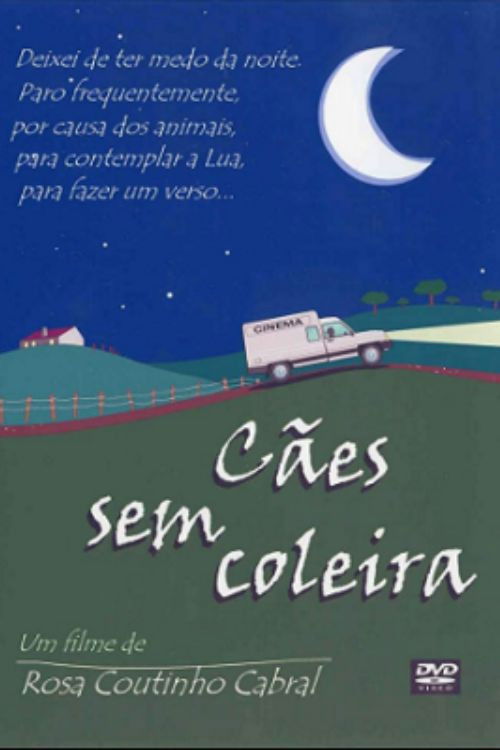
Cães Sem Coleira
The filmmaker films the last moments before she is evicted from the house in which she has been living for many years. The camera serves as the guide in this process of mourning, building an archive of the house, the neighbourhood, the people that lived there or the ones that visit.
Rosa's House

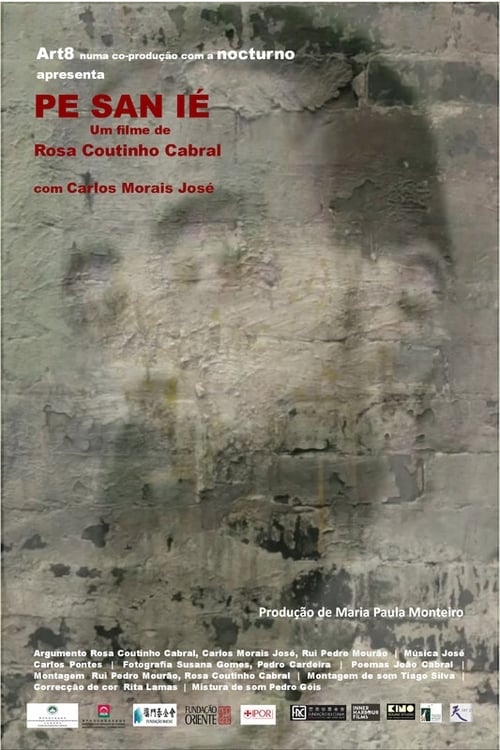
Camilo Pessanha, the greatest Portuguese symbolist poet, wrote and rewrote until his death, the poems of Clepsydra - his only work. PE SAN IÉ is not the portrait, nor the illustration of his poems, but the essay on the cinematographic form of his voluntary exile in Macao.
Pe San Ié - O Poeta de Macau
Follow the “Bailinhos” since their rehersals to their presentation, circulating among all the parishes of island Terceira as artists and audience, mobilizing across a community that "speaks" his identity, through a genuine popular theatre festival dominated by social satire of current events