Production
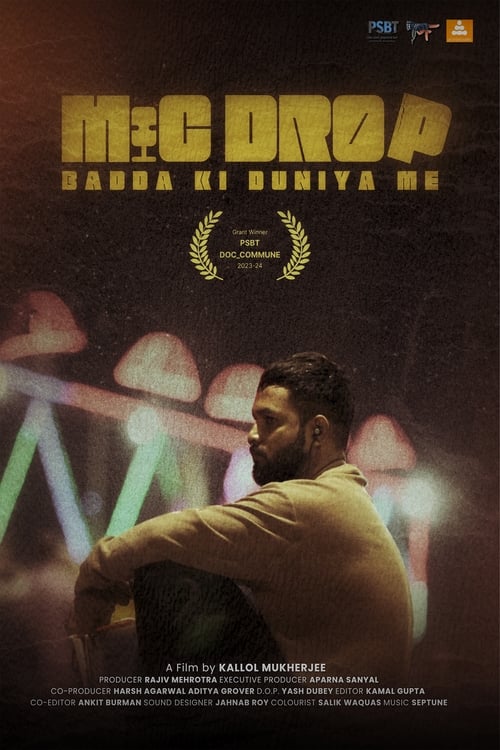
In a region where the native language is often overlooked, a young Bundelkhandi rapper works tirelessly on his first album. As he faces financial struggles and a lack of resources, the question remains: will he be able to make it and at what cost?
Story of the unexpected imprisonment of a number of women, for their resistance to the Emergency of 1975-77, through the life of Socialist and famous actor Snehalata Reddy. Being the only woman political prisoner in jail, she spent eight months in solitary confinement, recording her concerns and traumatic experiences in her diary, extracts of which were later published. Released for a few weeks on parole, she died of a heart attack just before she was to return to jail. The film recounts her ordeal through the reminiscences of her children and close friends.
Vipin Vijay's Palace of the Winds is a poetic essay about that "Holy Little Box," the radio, conceived of as a ghostly transmitter of Indian cultural artifacts.
Adoor Gopalakrishnan’s films map the history of the region from the inside. This Documentary looks at how the filmmaker dealt with human conditions at the most elemental level with a sensibility that makes his films universal in appeal.
An impressionistic sketch of ‘the public’ as created by our cinema and its relationship with cinema itself.
In a far suburb of Bombay, residents from slums are moved into high-rise apartment complexes with the promise of a better life. While these complexes are built allegedly to house the poor, they have been seen as moves to free prime slum land for commercial development. The complexes soon degenerate into places worse than slums. The film lets the viewer experience the living conditions of places hidden away in a 21st century metropolis.
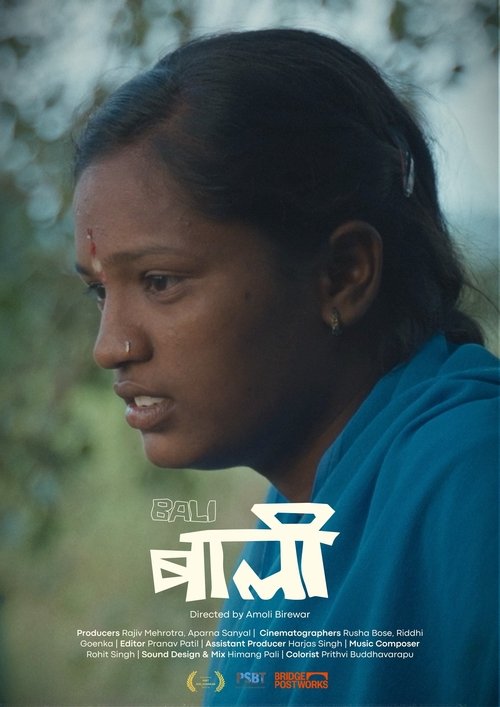
Inspired by movies, a young girl from the Banjara tribe in rural Maharashtra fights for her dream of becoming a kabaddi player to escape a forced marriage. During a district-level tournament, she slips into a Bollywood-tinted dream, momentarily becoming the hero she’s always imagined.
They set off, looking for work in far-off places, but disappeared along the way. Inspired by Shiv Kumar Batalvi’s “birha” poetry, the film traces the longing on both sides: on the part of those who are missing, and those that wait for them to return.
Alvina visits her late Grandfather’s House, on the 5th anniversary of his demise. She and her grandmother bond over their memories and affection towards him. As they spend slow afternoons together, talking about him, his patriarchal tendencies begin to surface. Alvina speaks to her father, and a childhood of fear and tyranny surfaces in her father’s recollections. Her grandmother’s experiences as a woman and a wife are colored by the same tyranny. These well kept secrets only had the tree outside the balcony and the walls of the house as witness, and their burden brings the house to life, and makes the tree restless.
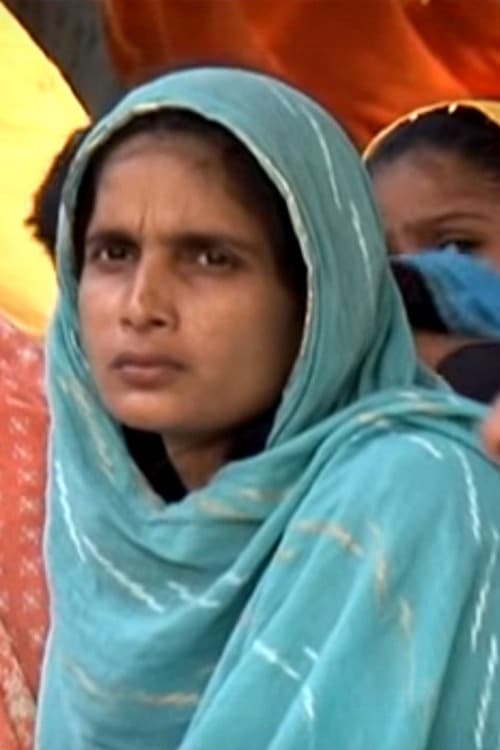
Three women from Nizamuddin basti, Delhi, take a decision that sets them on a journey to find themselves- they join a gym.
A documentary on the struggle of Tamil writer Sundara Ramaswamy to evolve modern literature in a society stuck with caste identities, traditional hypocrisy and language chauvinism.
Kaushik Mukhopadhyay assembles and pairs discarded and broken household gadgets into unexpected cyborg-like creatures that occupy the space between machine, toy and home. His objects are quirky, humorous and noisy which tend to break down sometimes. The Film brings to light these narratives of unexpectedness, embodying fragments of political, personal and art history.
A documentary on the films of Shyam Benegal explores the time, ethos, and concerns of the New Cinema Movement in India through his oeuvre.
The uncertainties of life in the filmmaker's village, shot over a period of five years through the stories of his sister and her neighbours, threatened by the ever-expanding, land-hungry industries. Screened at Delhi and Mumbai.
Brair Kani explores an ancestral house located in Srinagar, Kashmir. Using the attic as a site of reflection, the film navigates the relationship between space, belonging and personal history. Inhabiting the confines of the attic, the house spirits exist simultaneously as carriers of collective memory and as manifestations of the emotional landscape.
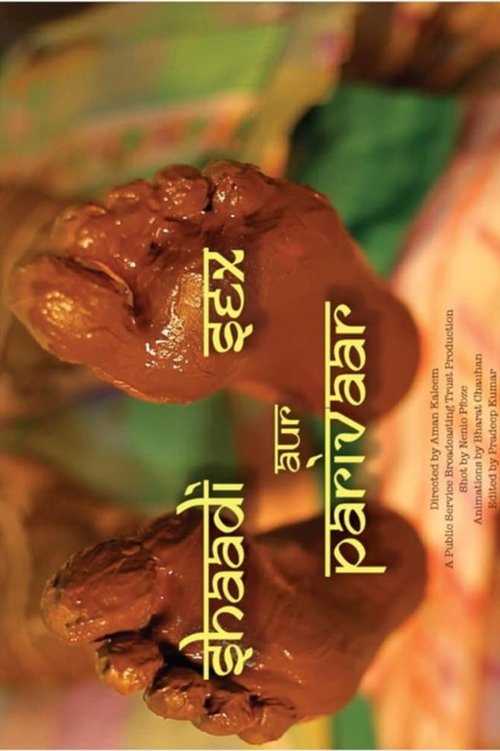
The documentary short film observes the institution of marriage through the perspective of three brides in India.
Bajrangi Bhaijaan explores how ideas of masculinity in India are tied to Salman Khan fandom. It tries to understand what eco-blockbuster-manufactured machismo has on the Indian male already struggling with his identity in a globalized world. The story of a Salman Khan look-alike Shan Ghosh, and his two fans Balram and Bhaskar
As a call from the periphery of sanity, the film is a series of dream narratives, and accounts of spiritual possession as experienced by women 'petitioners' at the shrine of a Sufi Saint in North India.
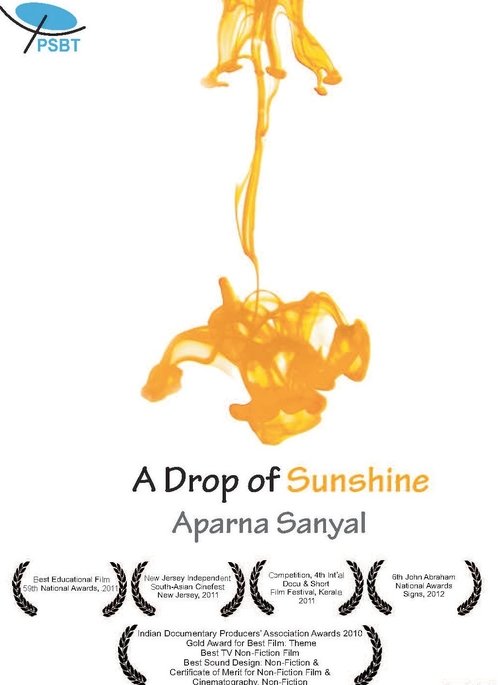
Schizophrenia. It may be one word, but it immediately conjures up multiple connotations. Mad. Incurable. Violent. Suicidal. Chemical imbalances. Crazy. A lifelong condition. Inevitable dependency on Medicines. Dark. Terrible. 'A Drop of Sunshine' challenges these notions. It questions the mainstream view of the condition and seeks alternate ways of recovering from it. Through the powerful story of its young and gutsy protagonist, Reshma Valiappan, it seeks to give viewers a new vocabulary to address the stigmatized mental illness. The film proposes that the only treatment method that can work in Schizophrenia is one where the so-called 'patient' is encouraged and empowered to become an equal partner in the process of healing.
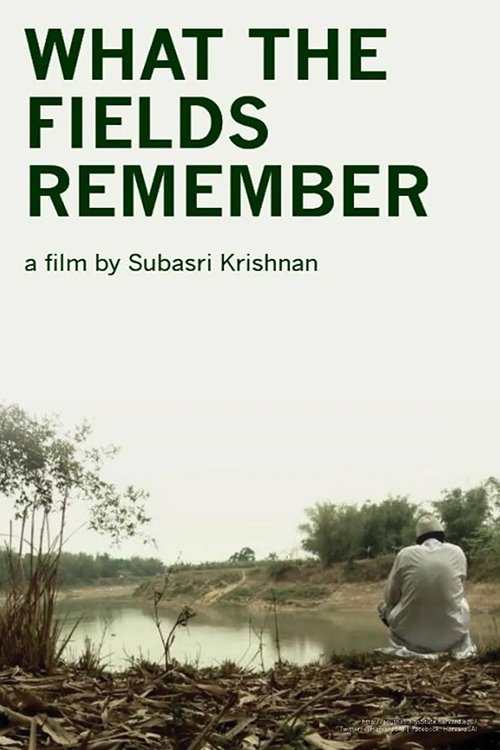
The Film revisits the event, when 1800 Bengali Muslims were killed in Nellie and surrounding villages in Assam. It is an exploration of how the survivors remember the violence, over three decades later, and how the spaces that witnessed this violence continue to mark people’s relationship to history and memory.