FEEL IT.STREAM
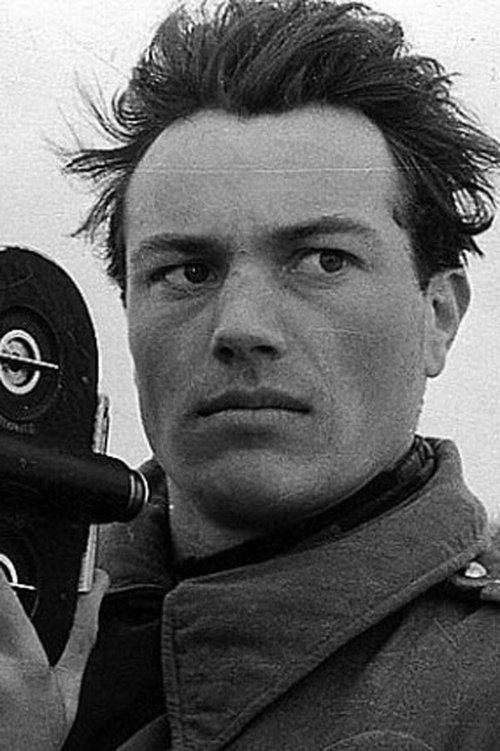
Mykola Vinhranovskyi

Mykola Vinhranovskyi

Directing

Biography

Writer, actor, film director, and translator. He graduated from the All-Union Institute of Cinematography (1960) in Moscow and has worked at the Kyiv Artistic Film Studio, where he played the lead role in Yuliia Solntseva's film The Tale of Flaming Years (1961). He wrote film scripts and directed the feature films The Squadron Turns Westward (1967), The Shore of Hope (1967), Duma about Brytanka (1969), and Klymko (1984) and several documentaries. Vinhranovsky gained prominence in the early 1960s as a leading poet of the shistdesiatnyky. He published the poetry collections Atomic Preludes (1962), A Hundred Poems (1967), Poems (1971), On the Silver Shore (1978), Kyiv (1982), With Warm Lips and a Golden Heart (1984), I Love This Woman (1990), From the Days Embraced by You (1993), and Love, Do Not Say Farewell (1997); several books of stories, including In the Depth of the Rains (1980; about the making of a film) and The Horse on the Evening Star (1986); the novel Nalyvaiko (1991); and, from 1970, several poetry books for children, for which he was awarded the Shevchenko Prize in 1984.

Known For

Chronicle of Flaming Years
5.2

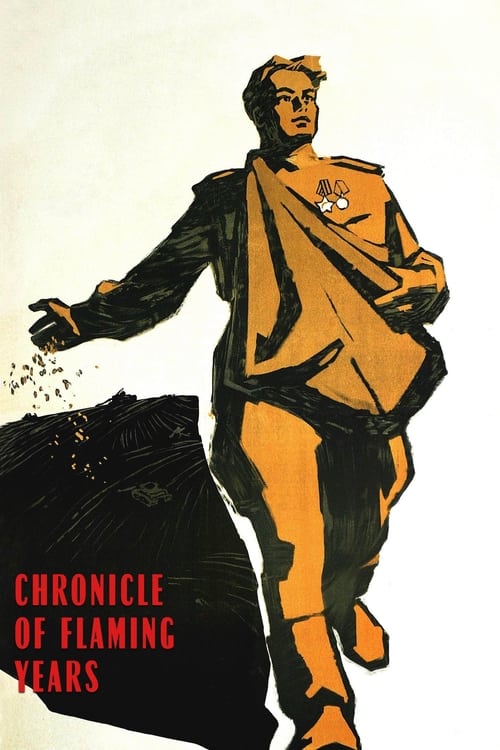
Once again, director Yulia Solnsteva directs a movie that her late husband Alexandre Dovchenko scripted but did not live long enough to shoot. In this wartime drama, the emphasis is on the heroics of both the civilians and the soldiers during times of severe stress in World War II. At the core of the action is one man in particular, whose sacrifices and heroics speak for a much larger group.

Chronicle of Flaming Years

1961
Klymko
7.0

Village boy Klimko, accompanying his father to the front, stays with his stepmother. In the occupied village, the hero cannot see his friends. Having survived hunger, injuries and loneliness, the boy enters a vocational school - nine kilometers from the village - and works with new friends for the front...

Klymko

1983
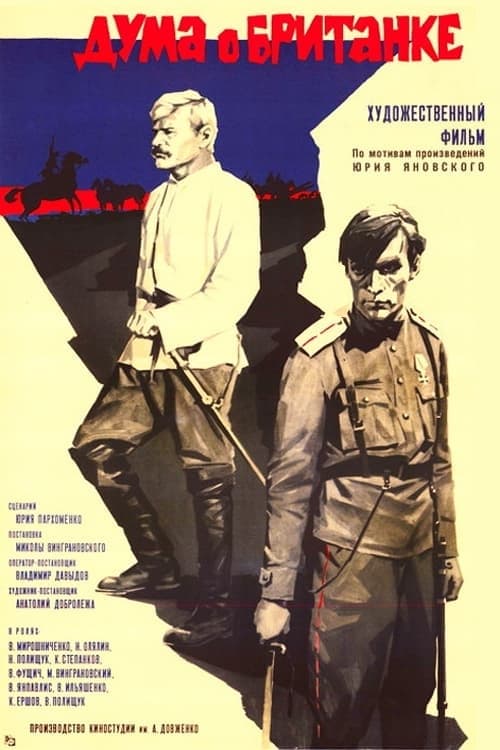
Duma about Brytanka
8.0

The film tells about the brutal class struggle during the civil war in the villages of southern Ukraine.

Duma about Brytanka

1970
The Squadron Turns Westward
N/A

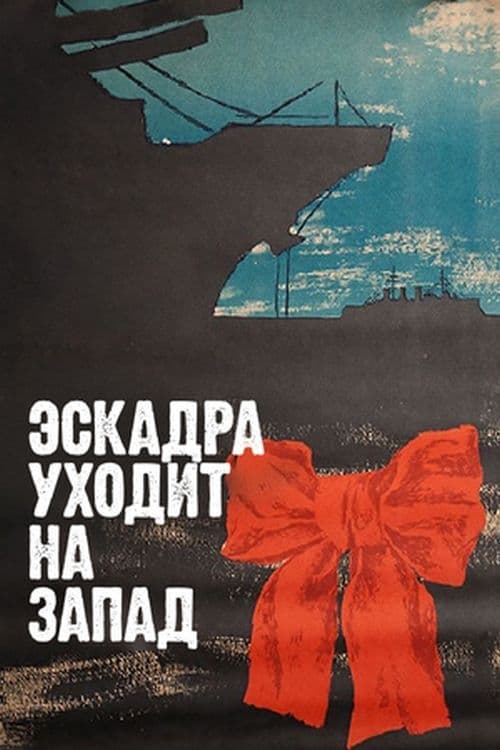
The action takes place in Odesa in 1918-1919. At the request of General Denikin, a French squadron arrives in Odesa to restore order in the city. Odesa Bolsheviks are trying to convince the sailors to leave the city. At the center of the story is the heroic fate of Frenchwoman Jeanne-Marie Lyabourb (1877-1919), shot by French interventionists.

The Squadron Turns Westward

1966
Daughter of Strution
6.2

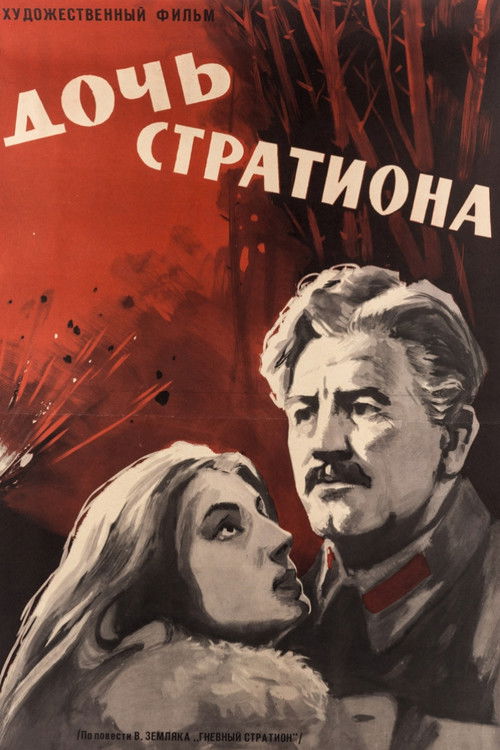
The German intelligence officer Sturmer, under the guise of captain Voron, commits sabotage one after another with the aim of reaching the commander of the partisan detachment of Stration. Galinka, the daughter of Stration, who fell in love with Voron, invades their duel.

Daughter of Strution

1965
Vasyl
N/A

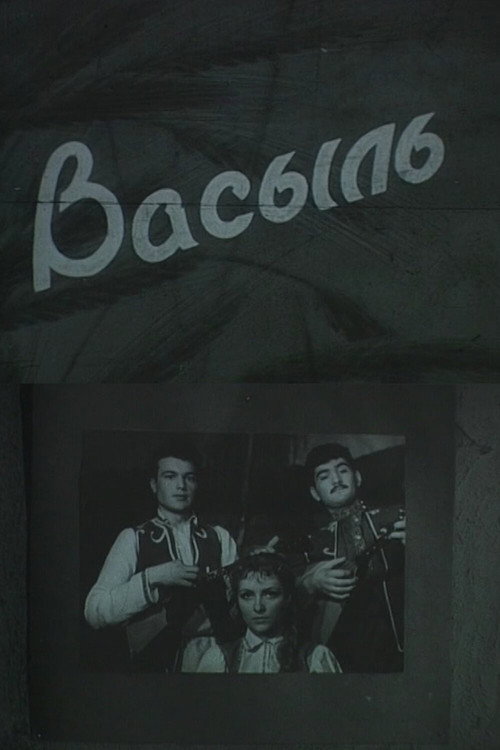
Two lovers cannot be together—the girl’s authoritarian father refuses to approve the marriage. When the young man kills him, a third figure—the couple’s childhood best friend—rushes to take revenge. He is faced with a difficult choice.

Vasyl

1955
Ukrainian Rhapsody
5.7

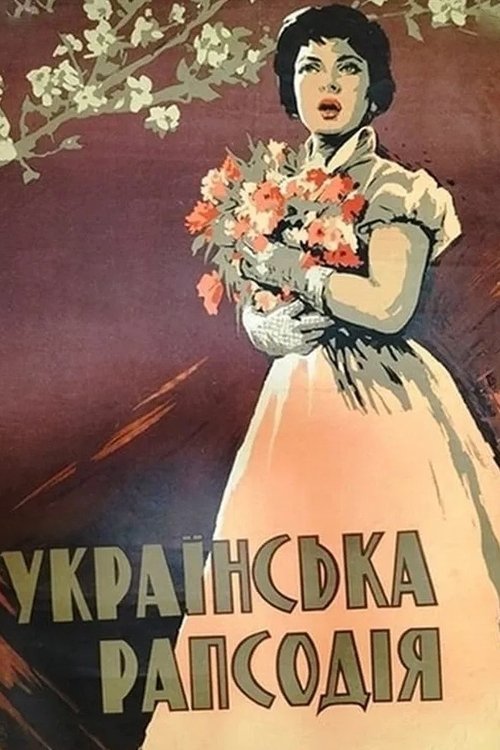
World War II separates lovers Oksana and Anton. The young man is taken prisoner by the Germans, while his beloved abandons her studies at the conservatory to become a frontline nurse. Despite all the hardships, their paths cross again.

Ukrainian Rhapsody

1961
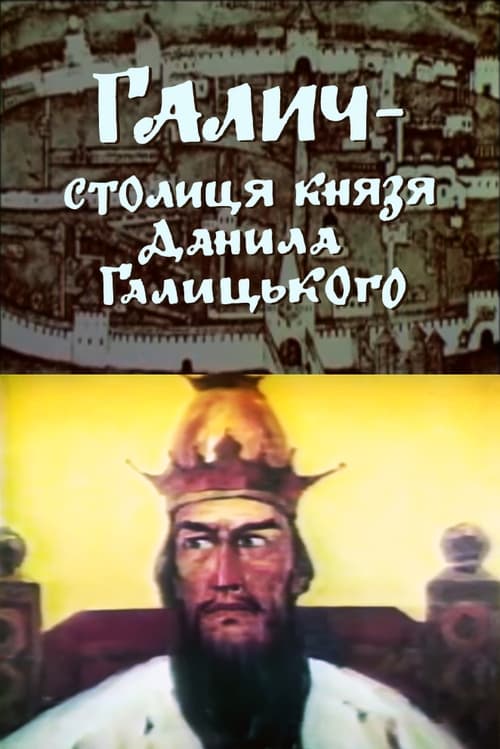
Halych is the capital of Prince Danylo Halytsky
N/A

The film is dedicated to the historical period of the XI-XIII centuries, the times of Kyivan Rus and the Galician principality.

Halych is the capital of Prince Danylo Halytsky

1993
Dovzhenko. Diary. 1941-1945
N/A

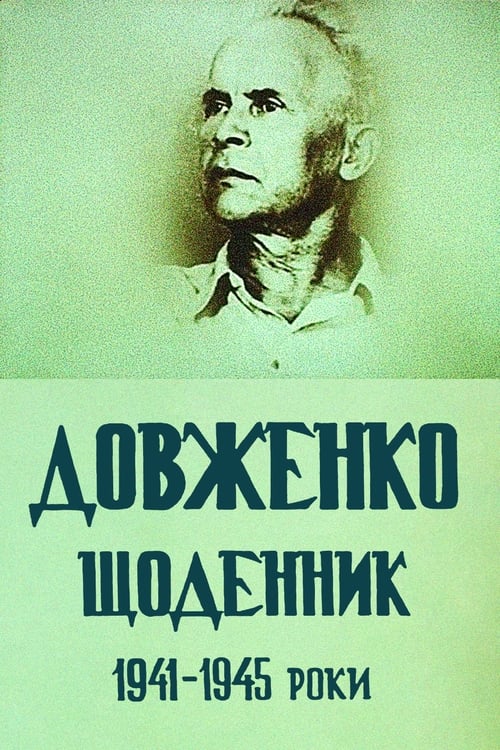
An outstanding poet, student of Oleksandr Dovzhenko, Mykola Vinhranovsky reads excerpts from his teacher's diary, comments on it - thereby emphasizing the tragic fate of the great artist. The film uses a chronicle of the war and post-war years.

Dovzhenko. Diary. 1941-1945

1992
Mykola Vinhranovsky
10.0

No description available.

Mykola Vinhranovsky

1993
Ukrainian Night of the 33rd
N/A

Ukrainian Night of the 33rd is series of documentaries about the Holodomor, which includes the “Fear”, “Horror”, “Guillotine”, “Case of Hrushevsky.” Each part is full of horror, and the viewer is constantly in tension.

Ukrainian Night of the 33rd

1994
Seromanets
N/A

Old wolf Seromanets is the only surviving member of a pack hunted by humans. A young boy struggles to save the animal life.

Seromanets

1989
Silent Shores
9.0

The fishery supervision employee is killed. During the investigation the public law enforcement official has looked out on the trace of the illegal grouping which has serious reasons for the commission of more considerable crimes than the illegal animals killings.

Silent Shores

1973
Khortytsia is the capital of Zaporozhian Sich
N/A

No description available.

Khortytsia is the capital of Zaporozhian Sich

1992
Krasts
N/A

Uldis Brauns' diploma film at VGIK

Krasts

1959
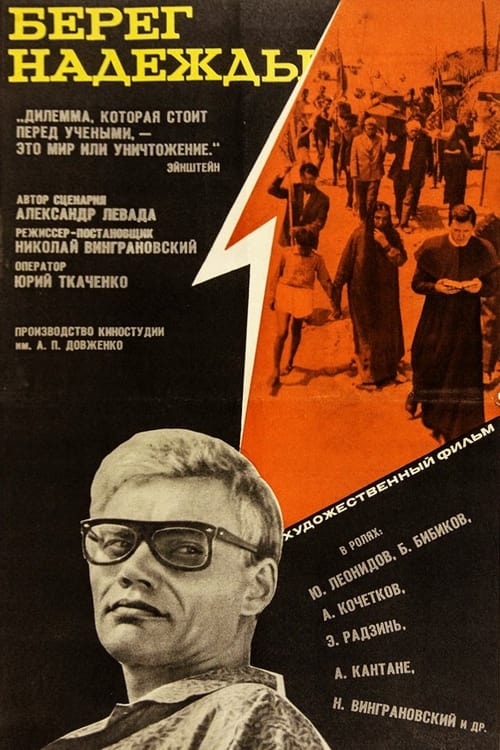
The Shore of Hope
N/A

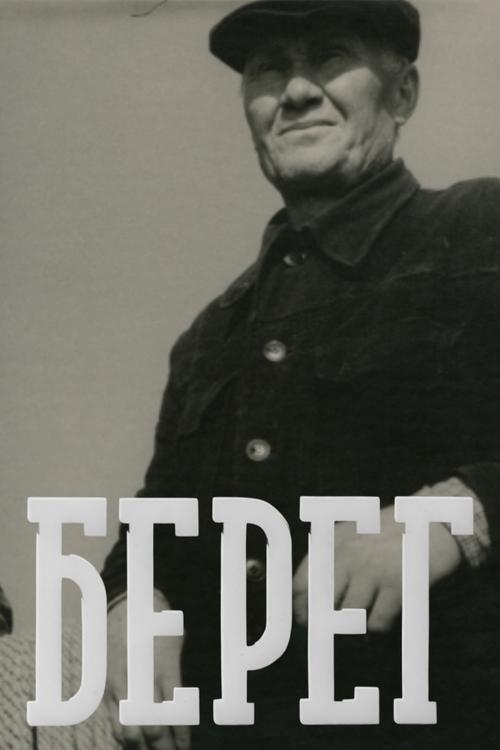
The film is set on an island in the Pacific where a hydrogen bomb is being tested. A group of local fishermen die from radiation sickness. The inventor of the bomb, American scientist Thomas Sherwood, also receives a large dose of radiation and is now terminally ill. Once he professed the theory of "redemption through his own suffering," but now, in the face of death, he realized that such atonement does not benefit anyone.

The Shore of Hope

1967
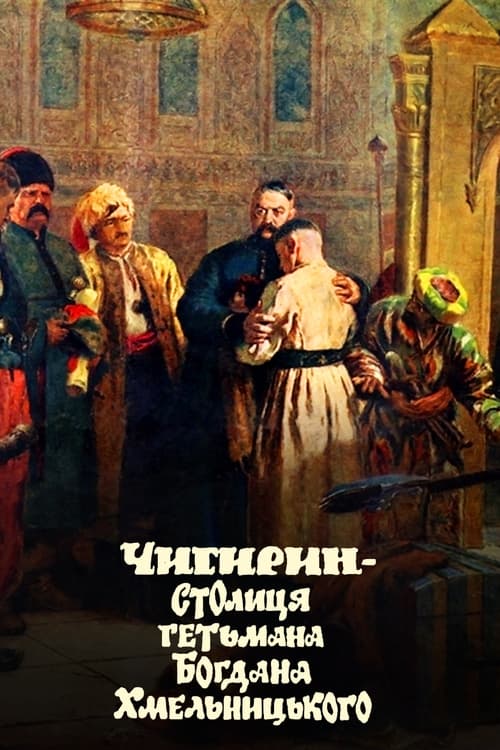
Chyhyryn is the capital of Hetman Bohdan Khmelnytsky
N/A

No description available.

Chyhyryn is the capital of Hetman Bohdan Khmelnytsky

1993
Baturyn is the capital of Hetman Ivan Mazepa
N/A

The film is dedicated to the events of the early eighteenth century, the time of Hetman Ivan Mazepa.

Baturyn is the capital of Hetman Ivan Mazepa

1993
Hetman Sahaidachny
N/A

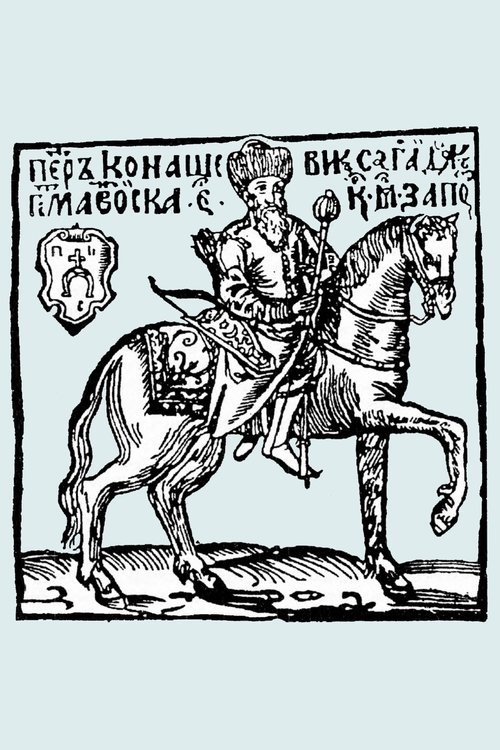
In 1997, Vinhranovsky resumed his project to create a “cinematic encyclopaedia of Ukraine” by securing funding from a private investor. He began filming the documentary “Hetman Sagaidachny,” facing concerns about the investor’s commitment and the lack of paintings from Petro Sagaidachny’s era. Overcoming these challenges, he found relevant paintings in Kyiv museums, confiscated in the 1930s. Filming, which was slow, concluded in April 1999.

Hetman Sahaidachny

1999