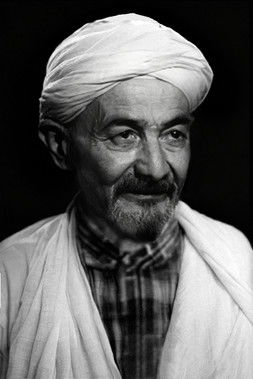
Djelloul Bachdjarah
Acting
Biography
Djelloul Bachdjarah (Arabic: جلول باش جراح), born in 1908 in Algiers, died on March 29, 1971, in Algiers; a man of the theater and film actor, a proponent and organizer of a politically engaged theater. His name (often spelled Djelloul Bach-Djera or Djelloul Bachdjerrah) contains the prefix "bach," indicating a function. Djelloul Bachdjarah belonged to a family from the former Beylik of Algiers, the so-called Ottoman military caste; one of his ancestors served in the Ottoman Empire's army as a surgeon (djerrah). At the age of sixteen, he deserted the French army, in which he had just been drafted, following a forced recruitment campaign conducted by the gendarmerie. Imprisoned, he was released a few months later. Around 1924, the young Djelloul attended meetings of La Fraternité algérienne (The Algerian Fraternity), an association founded by Emir Khaled and often led by communist activists. It was there that he reportedly heard a call for the creation of "an Algerian theater of struggle." In any case, it was during this period, through traveling performances, that three major figures of Algerian theater asserted themselves against colonial cultural domination: Ali Sellali, known as Allalou, Mahieddine Bachtarzi, and Rachid Ksentini. For them, theatrical production served as a means of awakening and raising political awareness. The medium was colloquial Arabic. This conception would later influence the work of Kateb Yacine and Abdelkader Alloula. The colonial administration saw this as a breeding ground for agitators. Djelloul Bachdjarah was one of them. An experience in popular music and his passion led him to join the troupe, formed by Rachid Ksentini, El Hilal el Djazairi (The Algerian Crescent), of which he became the linchpin. The two men were placed under close police surveillance, and censorship even affected the plays performed during a tour in Biskra. Rachid Ksentini and Djelloul Bachdjarah parted ways following a professional disagreement. Bachdjarah, who remained an actor, continued to suffer harassment from the colonial administration; he was imprisoned several times. After escaping, he boarded an English four-masted ship and worked various jobs besides that of a sailor. Taking advantage of a stopover in France, he went to Paris where he reportedly worked for a time in a factory. Later, he moved into film, appearing in several movies. In 1956, he was working as a professor of diction at the Algiers Conservatory. After 1962, he actively collaborated on the first films of independent Algeria: "The Night Fears the Sun" and "Opium and the Stick." But his heart wasn't in it anymore. Djelloul Bachdjarah had just lost his son, El Hadi, assassinated by the French army a few hours before the ceasefire of March 19, 1962. Djelloul Bachdjarah died on March 29, 1971, and was buried in the Sidi M'hamed cemetery in Algiers.
Known For
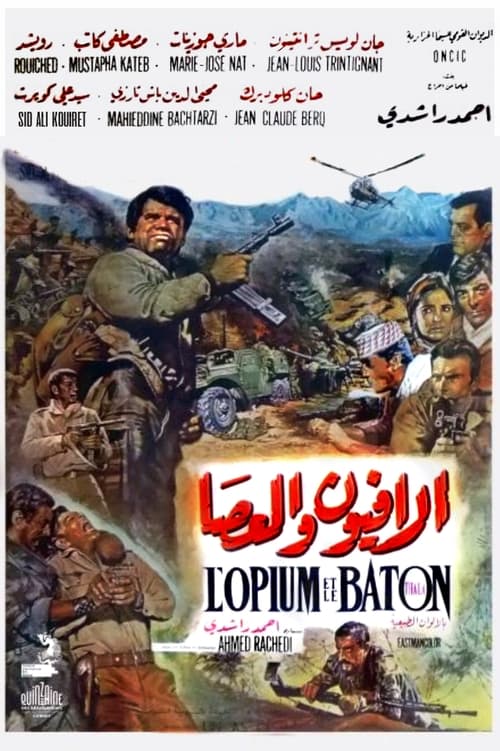
In 1950, in Algeria, in a village in Kabylia, Algerian resistance fighters resisted the French occupation army. Bachir returns to the village to escape the clashes ravaging Algiers. In Thala, he has two brothers, Ali and Belaïd. The first is engaged with the ALN (The National Liberation Army) and fights against the colonizer. His second brother, Belaïd, the eldest, is convinced of a French Algeria. His family torn apart, Bachir decides to join the war and takes sides against the repression of the French army. The French army is trying in vain to turn the population against the insurgents by using disinformation. The more time passes, the more the inhabitants of the village and surrounding areas, oppressed, rally to the cause of the FLN, their houses and their fields will be burned... Adaptation to the cinema of the eponymous novel Opium and the Stick, published in 1965, by Mouloud Mammeri, the film was dubbed into Tamazight (Berber), a first for Algerian cinema.
Opium and the Stick
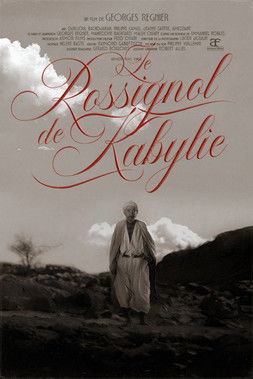
This story, set against the backdrop of the Algerian War, could be an oriental tale. The "Nightingale of Kabylia" is the nickname given to old Ahieddine, a poet who lives in a mountain village. Ahieddine receives a visit from a young French officer. What does the officer want? Information, no doubt. The lieutenant, who once studied the Kabyle language, simply wants to visit a renowned poet, speak with him, and hear him recite a poem. Such a visit will be difficult to justify to the men of the maquis. That very evening, Ahieddine is summoned to appear before a tribunal of maquisards. He is condemned to death for treason. Does he have a wish before he dies? Yes, to compose one last poem, the poem of his death. He improvises a poem; the men listen, moved by the words of their own language, which express the poetry of their people. They pardon old Ahieddine and grant him his freedom. Destiny, however, awaited at the bend of a mountain path, the "Nightingale of Kabylia".
The Nightingale of Kabylia
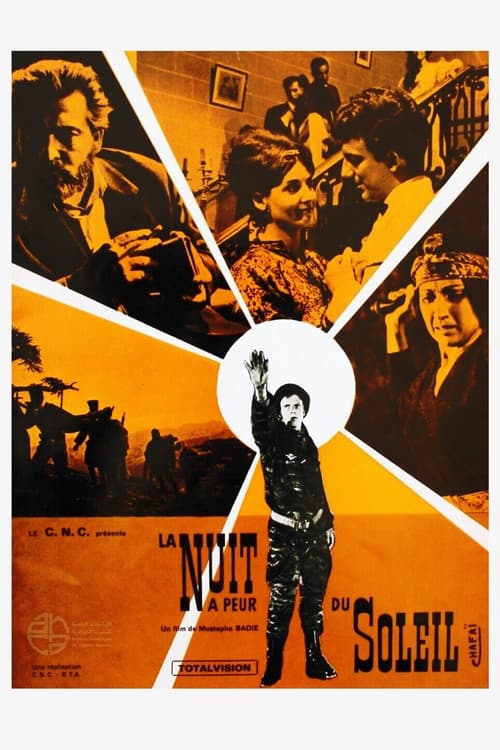
Historical film in four scenes which retrace the returns, the progress and the outcome of the war of liberation in Algeria. The first painting, “The land was thirsty” describes aspects of injustice and colonial oppression. The second “The Paths to the Prison” recounts the sufferings of the people engaged in combat. The last two are the stories of two lives.