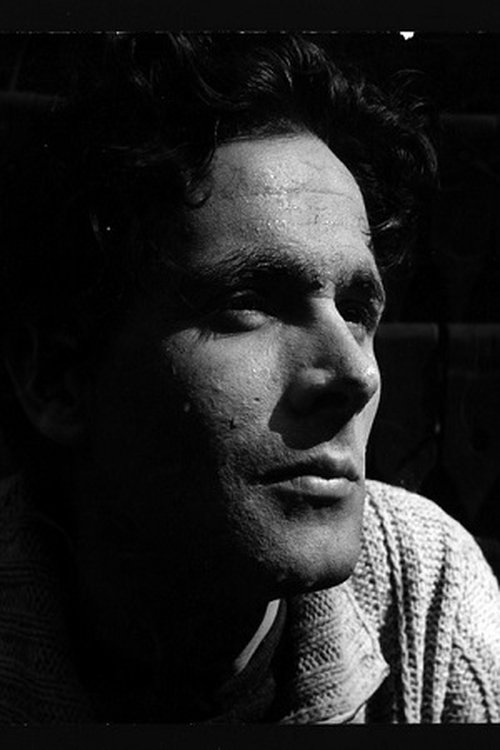
Giuseppe Taffarel
Directing
Biography
Giuseppe Taffarel was born in Vittorio Veneto (TV) on March 1, 1922, where he died on April 9, 2012, shortly after celebrating his ninetieth birthday. From an early age he showed an innate passion for theater. He was self-taught and read plays with predilection. At the age of 19 he arrived in Rome where he attended the Academy of Dramatic Arts directed by Silvio D'Amico. In 1943 he enlisted in the partisan resistance fought in the Belluno-Treviso Prealps. He distinguished himself for his courage in numerous war actions. In 1946 he returned to Rome, in the golden age of neorealism, frequenting the world of cinema that he found at the Menghi Brothers' trattoria and at the Rosati bar. In the capital, while participating in the writing of numerous screenplays, he began a career as a film actor that saw him act in about twenty films including Achtung! Banditi! by Carlo Lizzani (1951) with Gina Lollobrigida and Giuliano Montaldo. At the end of the 1940s he collaborated with Glauco Pellegrini and Rodolfo Sonego on the making of some documentaries (the most famous are Parliamo del naso, Lezioni di anatomia and L’esperienza del cubismo) and was assistant director on Ceramiche Umbre by Glauco Pellegrini (1949), the first experimental color documentary by Ferraniacolor produced by Lux Film. In 1960 – after having theorized on the birth of the “new documentary cinema” with Michelangelo Antonioni and his friend Vittorio De Seta – he directed his first film La croce shot in Vittorio Veneto and its surroundings. From then until the beginning of the 1980s, he made over three hundred documentaries on different themes and genres: from paleontology to contemporary history, from natural sciences to Italian customs up to the representation of cities and landscapes where the history of art and anthropology are always highlighted. In all of Taffarel’s works, the anthropological/ethnographic gaze flows into the aesthetics of the image, culminating in moments of absolute lyricism and rare audiovisual poetics. The Venetian author’s ability to observe life, grasping the threads that connect the small history of the common man to the great history of humanity, is recognizable in about twenty short films in neorealist style. These documentaries can be considered small pearls in the history of cinema, like the recently restored and digitalized Fazzoletti di terra (1962), L’alpino della Settima (1969) and Via Crucis (1972).
Known For
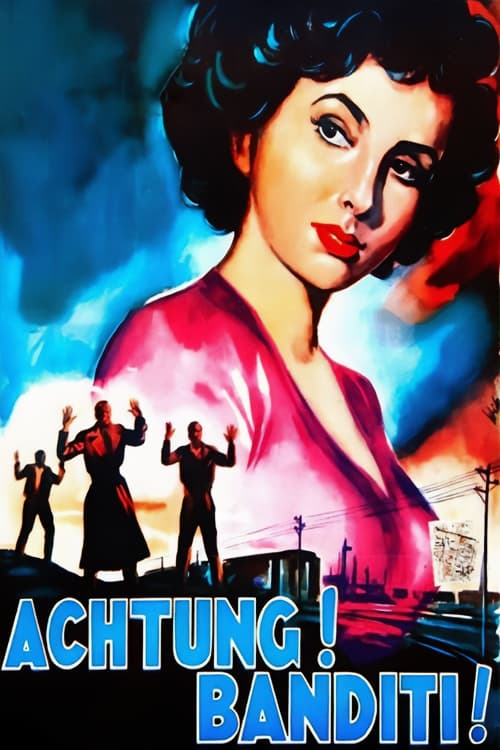
During the winter of 1944, the partisans stationed in the Ligurian Apennines must go to a factory in Genoa, in order to pick up a delivery of weapons. Meanwhile, there's a strike in the city and the Nazis are trying to suppress it violently. The factory becomes the scene of fighting between the Germans and the partisans but the latter, aided by the workers, will be able to get the better.
Attention! Bandits!
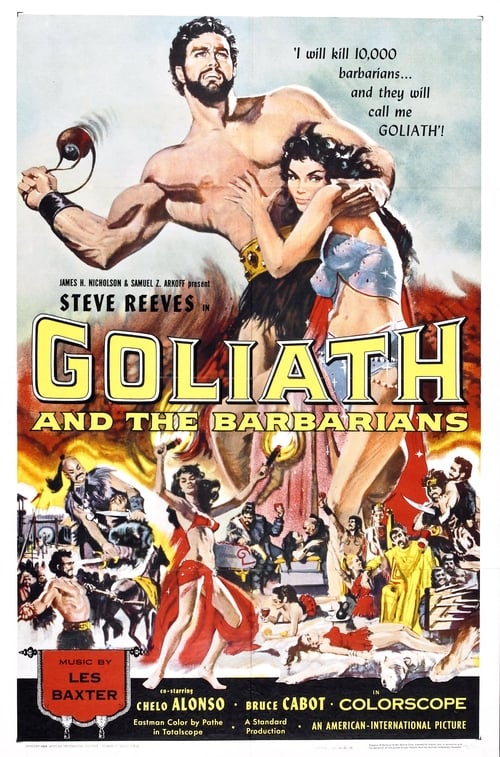
When barbarians invade his village and kill his father, a local man wages a one-man war against them.
Goliath and the Barbarians
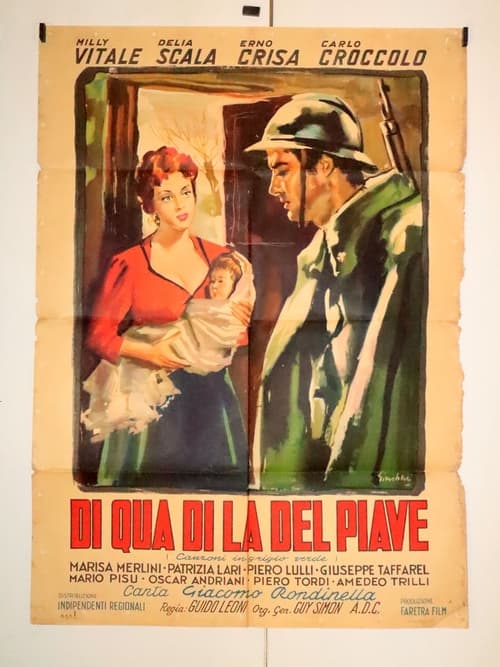
No description available.
Di qua, di là del Piave
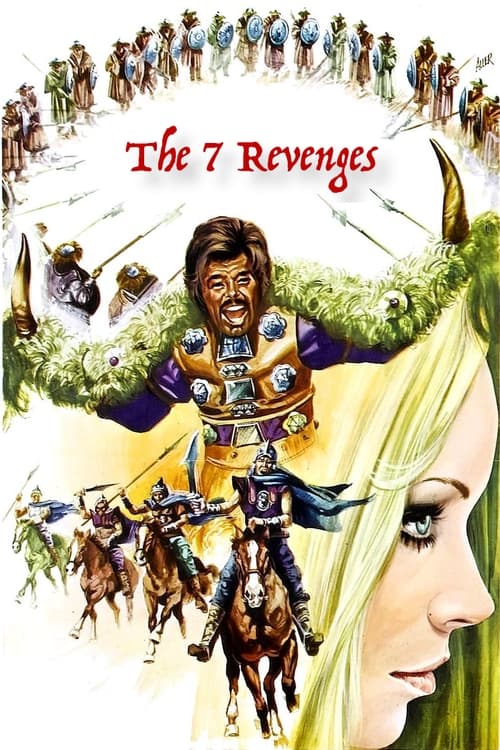
The leaders of Circassians and Kyrgyz face off in a tournament divided into seven challenges: only one will gain the supremacy.
The Seven Revenges
A love story along the lines of Romeo and Juliet, set in Calabria: two young lovers belong to two families who have always been enemies of each other.
Il sentiero dell'odio
The public display of hanged partisans, the bloody revenge of German soldiers, the bodies of those who had been shot, the deported families: traumas that remain in the memories of survivors and relatives of victims.
Monte Grappa 1944
A man promised to his dying mother to find and give a proper resting place to the remains of the father, a soldier, dead during WW1 and never found. It's an impossible and desperate quest since he died during Mount Piana battle that lasted two years and resulted in the killing of 14000 soldiers. But the obstinate man never gave up searching on the Dolomiti Mountains for all his life.
Un alpino della settima
An elderly widower visits his wife at the cemetery. In his mind, a dialogue begins between the two, in which their son, who died prematurely, also becomes involved. The man realizes that he is living without a purpose and that perhaps death would be a liberation for him.
Voci
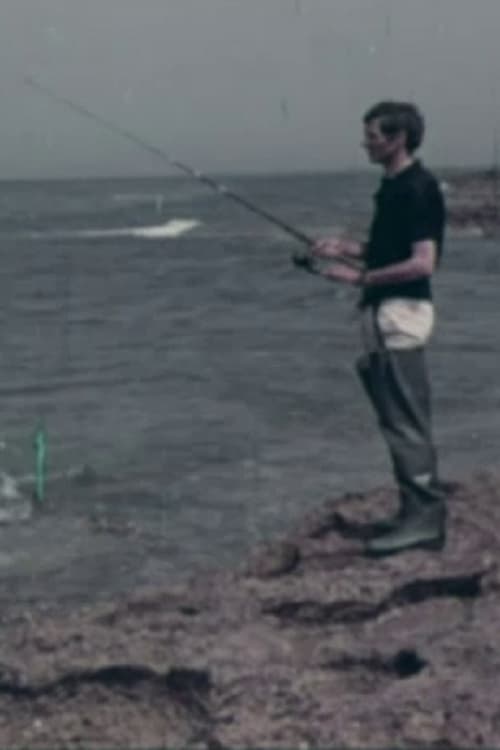
An overview of various sport fishing techniques, with a focus on surf casting or heavy casting from the shore, which originated in England and allows casts of up to 70 meters to be made in rough seas (which encourages large fish to approach the shore), using fresh razor clams as bait.
Surf Casting
The lagoon of Grado as seen and loved by the poet Biagio Marin. People, things, the sea, the seasons, seagulls: everything filtered through a poetic lens that transcends reality to recreate moods, visions, passions, and love for one's homeland.
Paese mio covo de' corcali
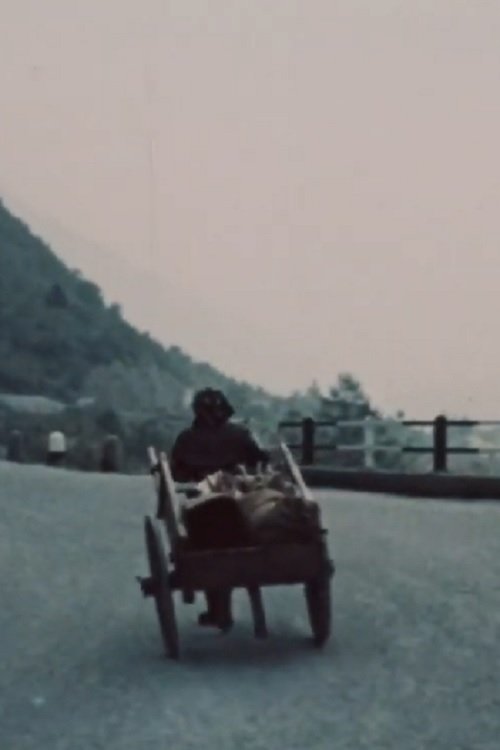
The “nerte” are wandering women who travel down from the Upper Friuli region to the Veneto region to sell wooden objects for domestic use. They live humbly, sleeping in barns and eating whatever they can to save what little they earn. The documentary follows one of these women on her long journey.
Le nerte
Toni is an elderly man who lives in a nursing home in Vittorio Veneto (Treviso). Every night he has a nightmare: crows attack him and peck at his face, leaving him frozen in terror. For him, the nursing home is a waiting room for death, but he still wants to live. Around him are other elderly people in bed and in the dining room.
Un giorno alla settimana

First short film directed by Taffarel. A large wooden sled is carried by a farmer to the top of Mount Visentin to collect the hay left to dry along the slopes.
La croce
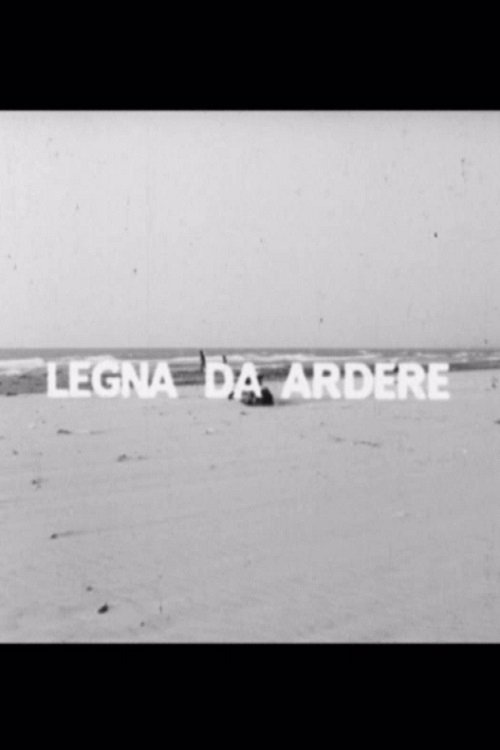
Two children are alone on the beach; the little girl plays while the older boy, Enzo, aged seven, collects firewood for the coming winter. Their parents are working, and the two children will have to grow up quickly.
Legna da ardere
All the small islands, even those measuring just a few square meters, that make up the Grado lagoon (province of Gorizia) are inhabited by fishermen. There is one hut per island, rarely two. Fishing is carried out using the ebb and flow of the tide, which exposes and floods vast areas of muddy shallows.
Laguna
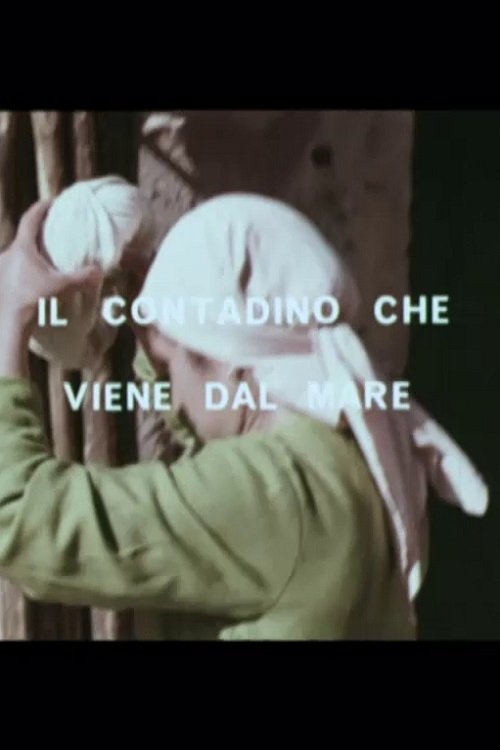
The vineyards of Bagnara Calabra (in the province of Reggio Calabria) are located on rocky cliffs overlooking the sea. Small terraces were built by local fishermen over centuries of hard work, on days when fishing was not possible. The short film describes the life of a couple of farmers/fishermen divided between the vineyard and fishing at sea.
Il contadino che viene dal mare
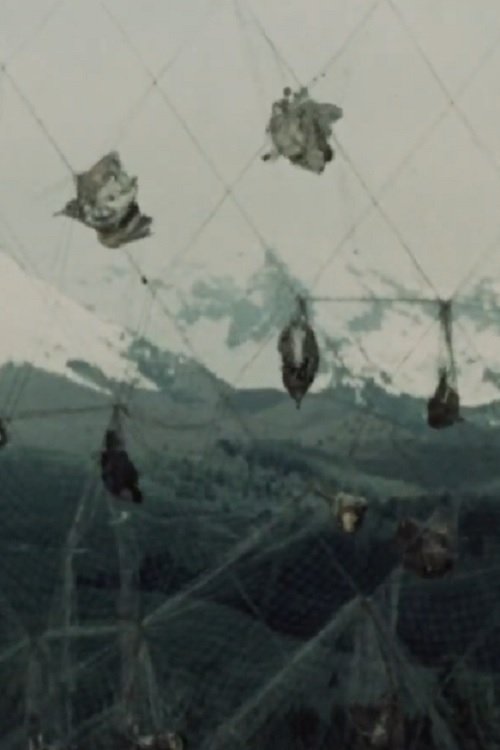
It illustrates the operation of a large bird catcher (uccellanda) with a net and bait, characteristic of northern Italy and in particular the Veneto region. Preparations for bird-catching nets, training to call numerous birds, laboriously prepared tricks to deceive migratory birds and catch them in the net.
Uccellanda
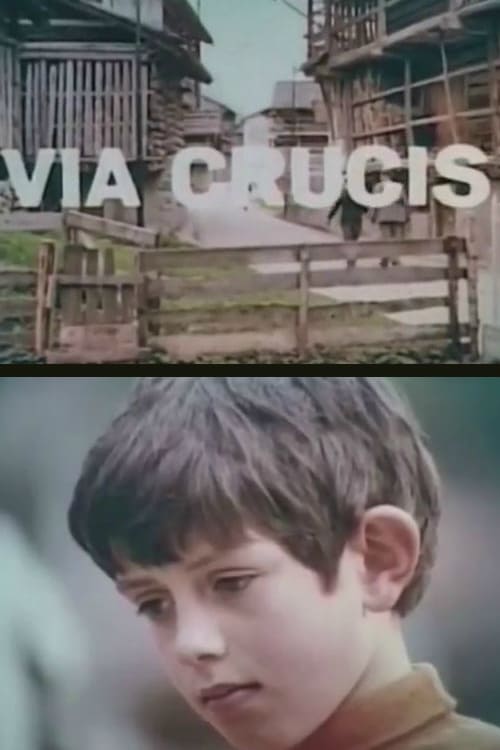
A child has no memory of his dead father, but every day he spends hours on his grave.
Via Crucis
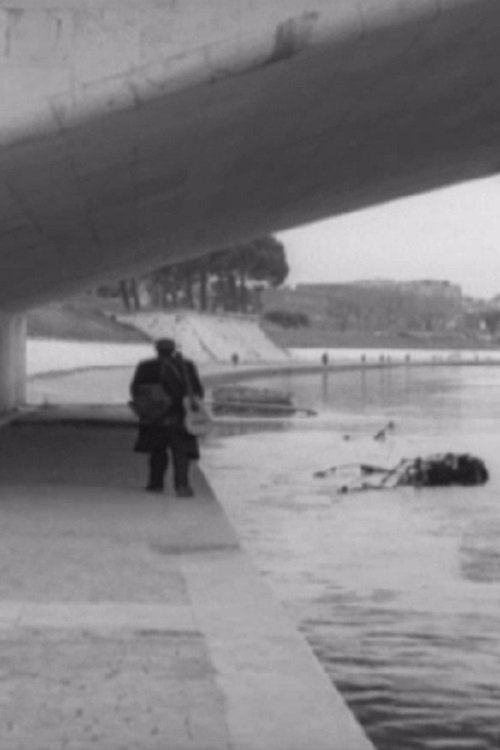
Short film preparatory to an unrealized feature film. The life of a homeless man in Rome. The elderly man plays guitar on the street among passersby. Under a bridge over the Tiber, he makes himself a bed out of cardboard boxes; an old woman joins him, washing handkerchiefs in the river, and he approaches her.
Solitudine
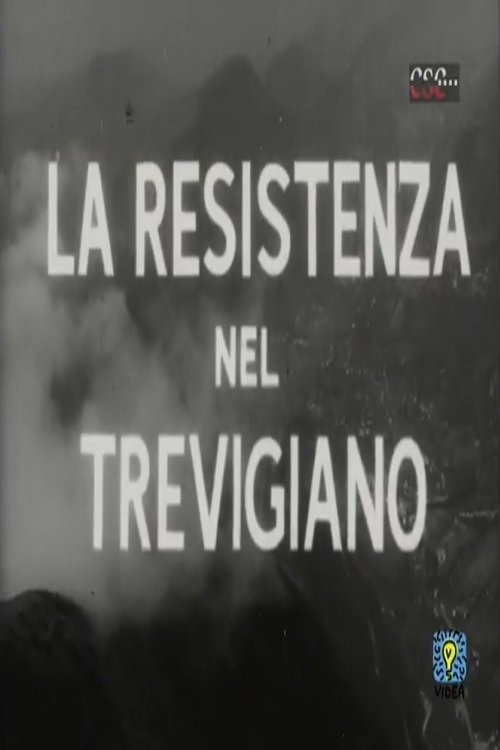
Reconstruction of a dramatic episode in the partisan struggle that took place in Treviso in July 1944, where a raid by Nazi-Fascist militias led to the capture and hanging of more than seventy partisans.