John Robins
Directing
Known For
An anthology series of television plays which aired on BBC1 from October 1964 to May 1970. The plays were usually written for television, although adaptations from other sources also featured.
The Wednesday Play

The misadventures of a divorced mother, two teenage daughters, and new building superintendent in Indianapolis.
One Day at a Time

Theatre 625 is a British television drama anthology series, produced by the BBC and transmitted on BBC2 from 1964 to 1968. It was one of the first regular programmes in the line-up of the channel, and the title referred to its production and transmission being in the higher-definition 625-line format, which only BBC2 used at the time.
Theatre 625
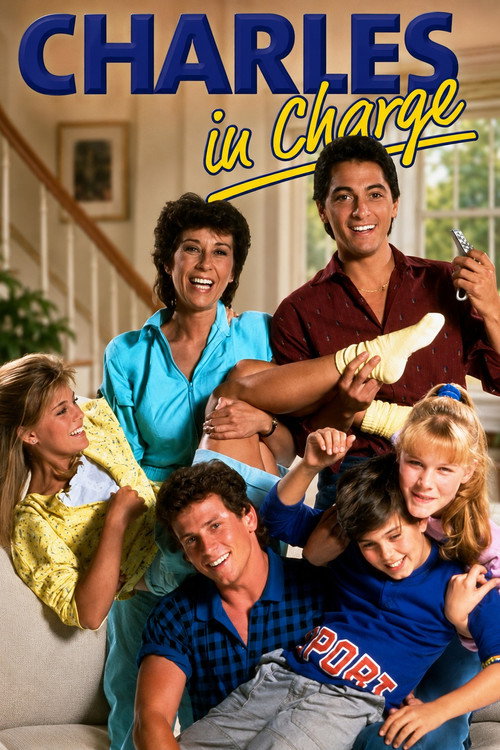
Charles, a 19-year-old student at the fictional Copeland College in New Brunswick, New Jersey, works as a live-in babysitter in exchange for room and board.
Charles in Charge
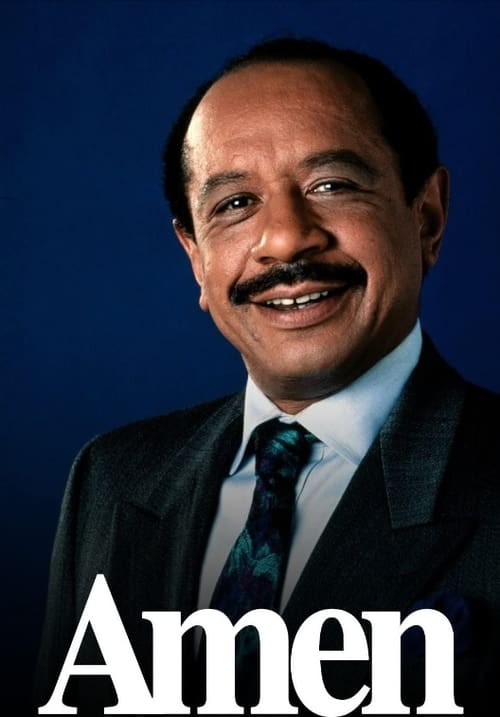
Amen is an American television sitcom produced by Carson Productions that ran from September 27, 1986 to May 11, 1991 on NBC. Set in Sherman Hemsley's real-life hometown of Philadelphia, Amen stars Hemsley as the deacon of a church and was part of a wave of successful sitcoms on NBC in the 1980s which featured entirely or almost-entirely black casts. Others included The Cosby Show, A Different World, and 227.
Amen
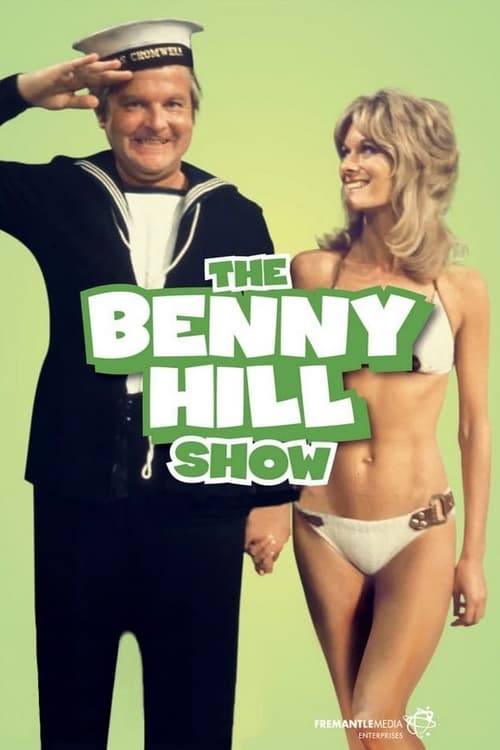
The Benny Hill Show is a British comedy television show that starred Benny Hill and aired in various incarnations between 15 January 1955 and 30 May 1991 in over 140 countries. The show focused on sketches that were full of slapstick, mime, parody, and double-entendre. Thames Television cancelled production of the show in 1989 due to declining ratings and large production costs at £450,000 per show.
The Benny Hill Show
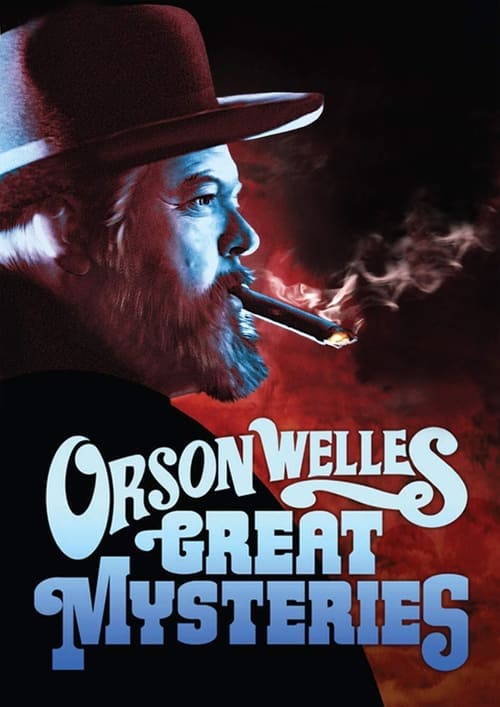
Orson Welles’ Great Mysteries is a British television anthology series produced by Anglia Television for the ITV network and broadcast between 1973 and 1974. The series presents standalone adaptations of classic mystery, crime, and supernatural stories drawn from literary sources including Dickens, Conan Doyle, Wilkie Collins, Balzac, Maugham, O. Henry, and others. Each episode is framed by original introductory and closing sequences performed by Orson Welles, who serves as the series’ host and sole recurring on-screen presence. These segments, written and directed by Welles (uncredited), function as stylized narrative framing devices rather than dramatic participation in the stories themselves. The dramatic content of each episode is performed by separate casts and directors, with no continuing characters or serialized narrative, establishing the series as a unified television anthology rather than a collection of standalone films.
Orson Welles' Great Mysteries
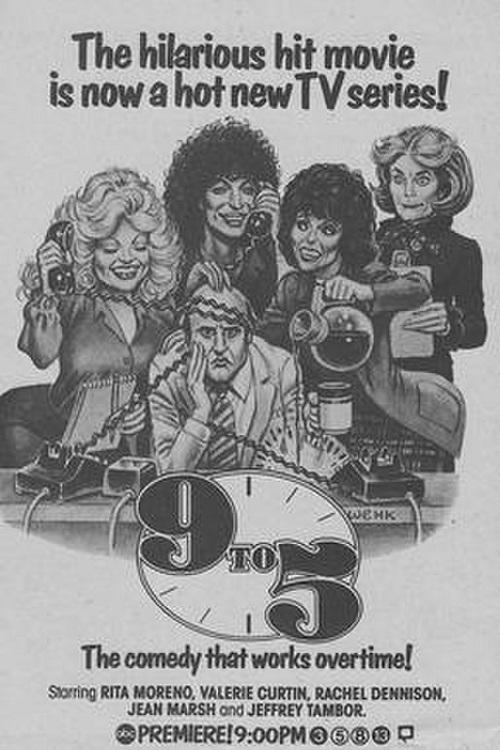
The sitcom takes us into the further adventures of the characters from the movie of the same name.
9 to 5
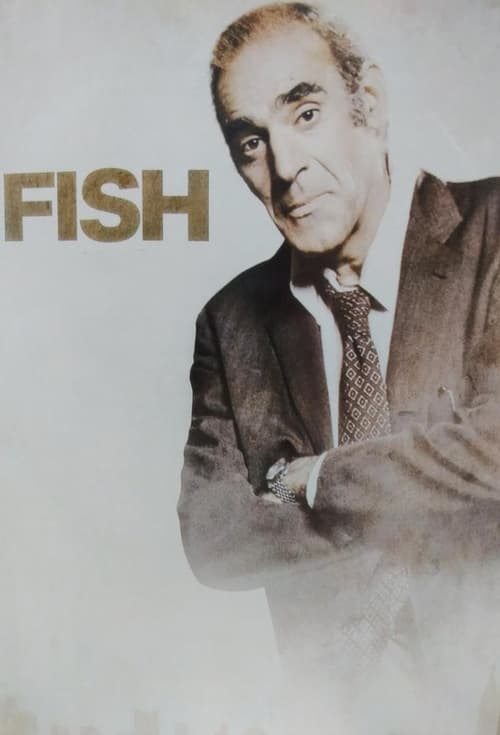
Fish is a spin-off television series of the sitcom Barney Miller. It starred Abe Vigoda as New York Police Department Detective Phil Fish and Florence Stanley as his wife Bernice.
Fish
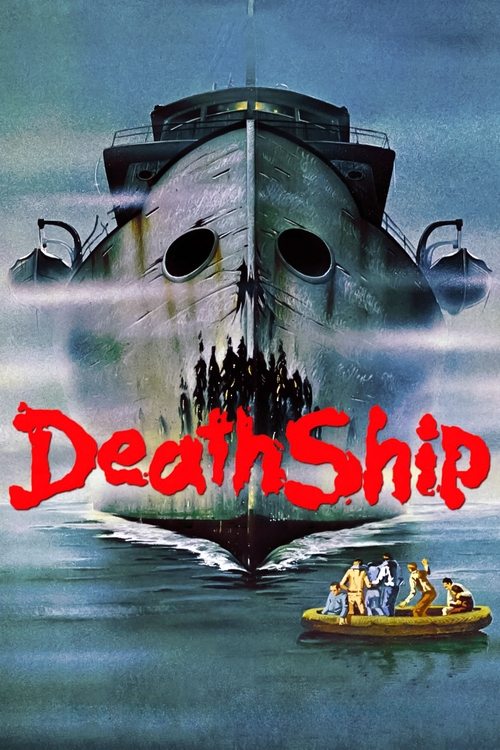
Survivors of a tragic shipping collision are rescued by a mysterious black ship which appears out of the fog. Little do they realise that the ship is actually a Nazi torture ship which has sailed the seas for years, luring unsuspecting sailors aboard and killing them off one by one.
Death Ship
The Ugliest Girl in Town is a short-lived American sitcom produced by Screen Gems for ABC. It ran from September 26, 1968 to January 30, 1969. Timothy Blair is a Hollywood talent agent. He falls in love with Julie Renfield, a British actress who is visiting the United States to do a movie. After that movie is finished, she returns to England. To assist his brother Gene complete a photography assignment, Timothy dresses as a hippie and poses for a photo shoot. The photos are sent to a modeling agent in England who assumes that they are of a woman. He offers "her" a job. Knowing that this would be the only chance to go to Great Britain and be with Julie, Tim accepts and dubs himself "Timmie". Tim has two weeks of vacation to spend as much time with Julie as he can, but when as he is about to leave with his brother, Gene loses £11,000 gambling. Unless he pays him back, Tim has to continue being Timmie for a while longer. In 2002, TV Guide ranked the series number 18 on its '50 Worst TV Shows of All Time' list.
The Ugliest Girl in Town
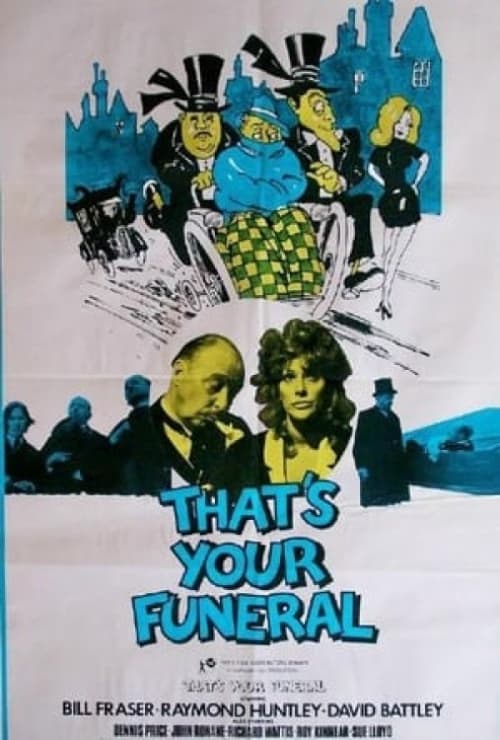
Two funeral parlours fight one another for business, one of whom is more shady than the other.
That's Your Funeral
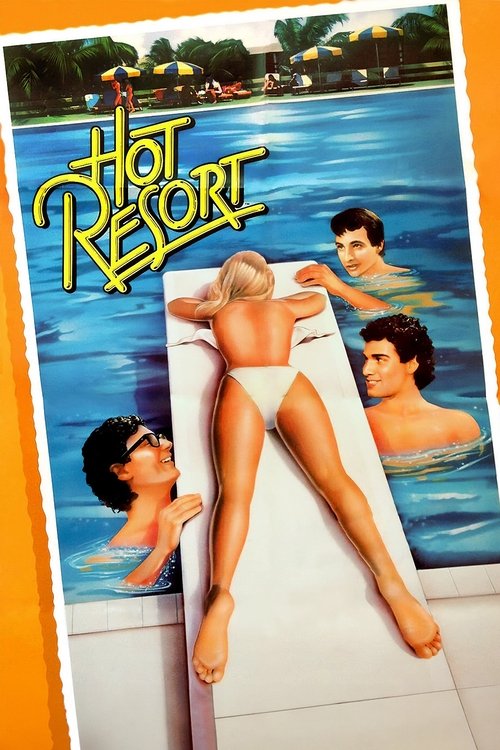
Several young American men go to St Kitts for a summer job at a resort hotel, hoping to earn money for college and meet women. They clash with a group of wealthy Ivy League rowers there to film a soup commercial.
Hot Resort
No description available.
Mr Aitch
While on holiday, the Walker children spot an island. Borrowing a boat, they meet pirates seeking their uncle's trunk. After adventures with storms and cakes, the children and pirates learn friendship.
Swallows and Amazons
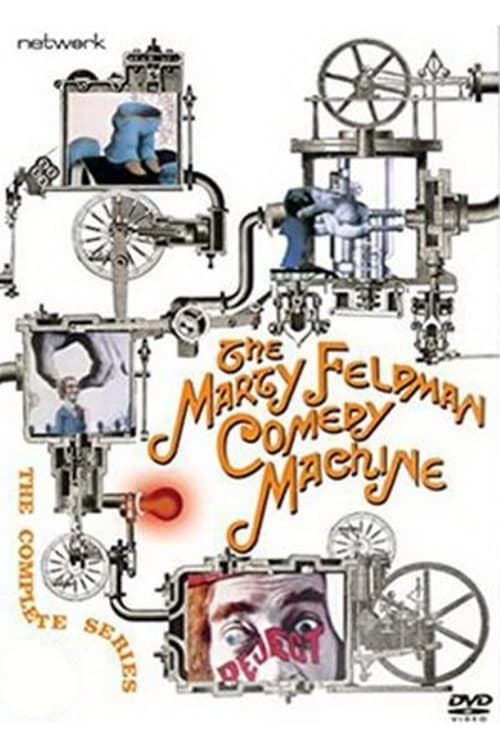
A 1971 comedy and variety sketch show co-produced by ATV in the UK and ABC TV in America, filmed at Elstree Studios. It featured opening and closing credits by Terry Gilliam, guest appearances by Spike Milligan, Bob Todd, John Junkin and Frances de la Tour, and also material written by Barry Levinson and Larry Gelbart.
The Marty Feldman Comedy Machine
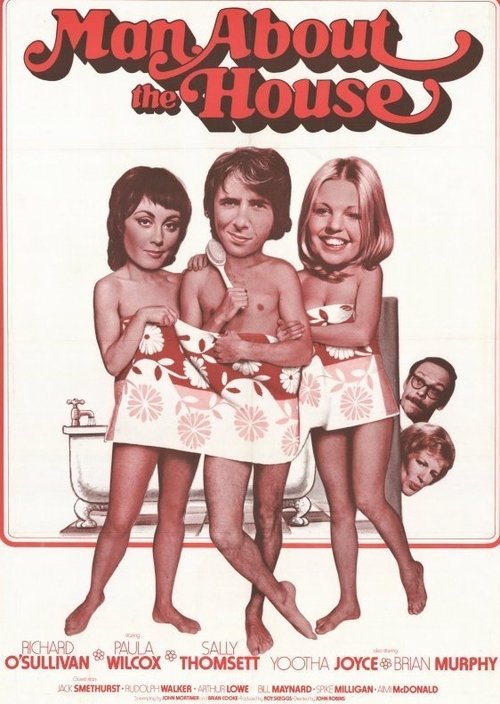
An unscrupulous property developer wants to flatten the street to make way for new buildings. Householder George Roper is happy to take the offered money and run but his wife Mildred and their lodgers join with other residents to take a stand and keep things as they are.
Man About the House
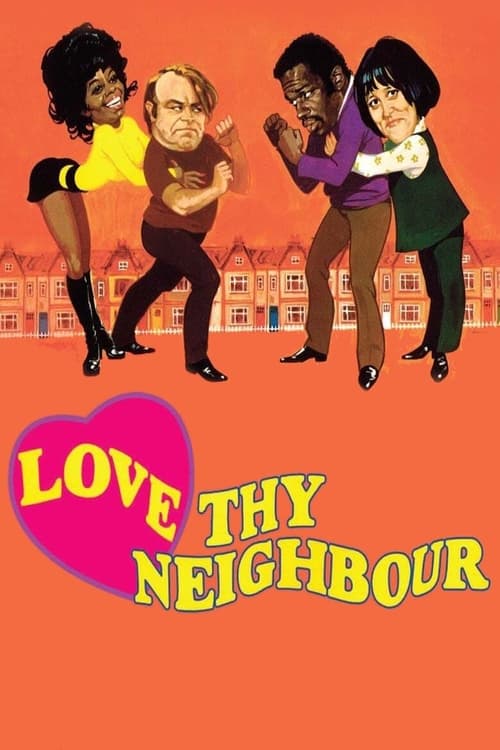
Two men who are nextdoor neighbors constantly battle it out over seemingly trivial offenses. Their wives, on the other hand, are best of friends. The two couples attempt to win a 'love-thy-neighbor' competition by lying...
Love Thy Neighbour

In a foreign port two boys come to a fisherman saying they are refugees from a country where a military take-over has organised a gigantic League of Youth.
By Common Consent
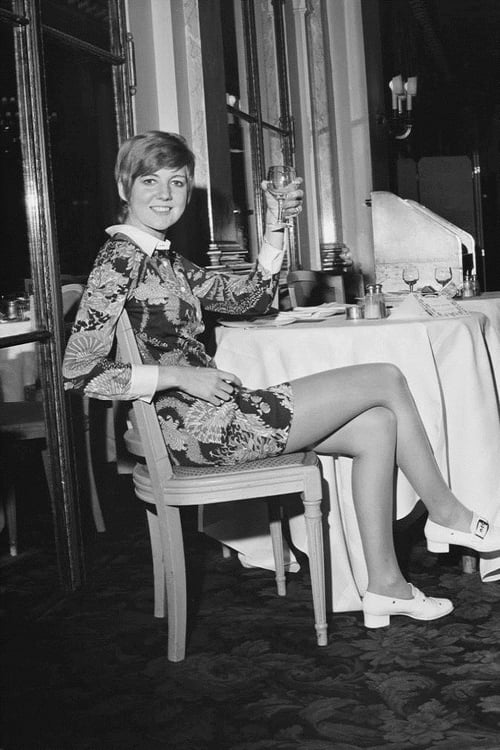
In April 1966, Cilla opened in a 3-week cabaret season at London’s Savoy Hotel. On her final Sunday, she starred in her own television special produced by her manager Brian Epstein’s film company, Subafilms. It was the first colour television show of its kind to be made by an independent producer in Britain. The show was broadcast in the UK in black & white but aired in colour in The Netherlands and the USA. ‘Cilla at the Savoy’ was one of the most watched television specials of the 1960s.