Acting
Guidés par Olivier Minne dans les couloirs de Fort Boyard, les invités tentent de remporter le plus de gains pour des associations.
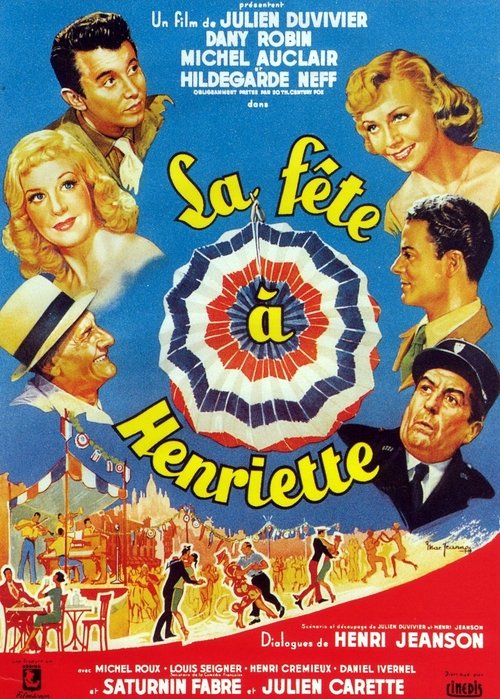
Deux auteurs se disputent l'histoire d'une jeune fille qui tombe amoureuse le soir du 14 Juillet, la faisant passer du drame à la comédie.
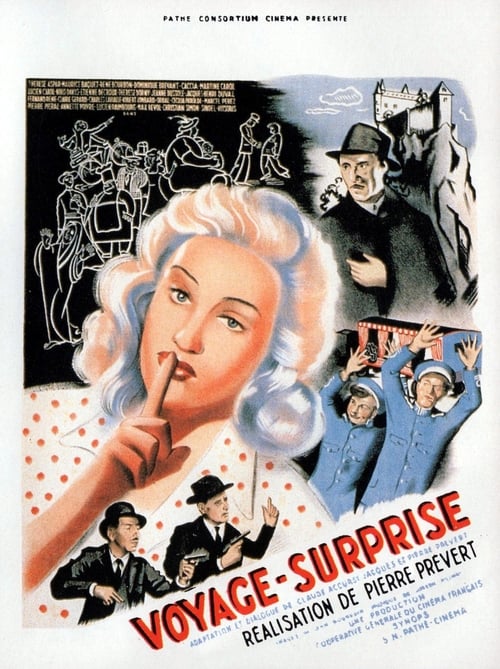
Un garagiste au bord de la faillite, Piuff, subissant la concurrence de Grosbois, décide d'organiser un nouveau type de voyage pour attirer la clientèle. Grosbois va tenter de faire couler le voyage, tandis qu'un anarchiste à la recherche d'un trésor s'en mêle. Surréaliste, le voyage répond à ses promesses de surprises : un autocar à la décoration fantaisiste, une femme en robe de mariée dans un arbre, un pique-nique en plein air, puis une nuit dans une ancienne maison close, aux chambres étonnantes... avant de connaître les geôles d'un despote en jupons !
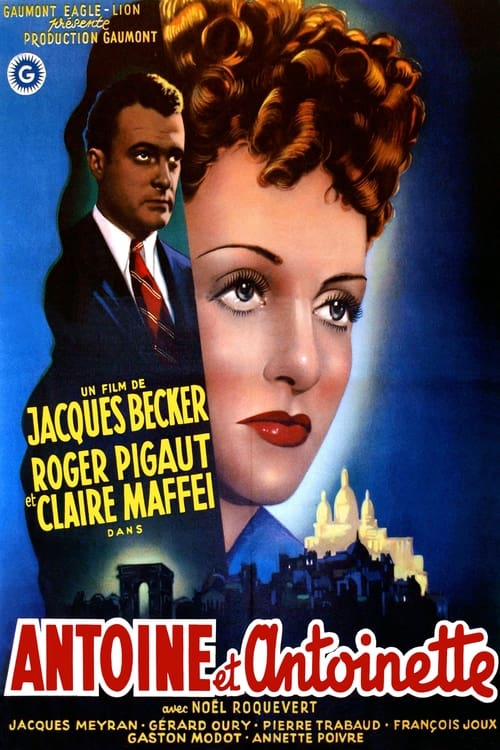
Antoine et Antoinette, un jeune couple installé à Paris, mène une existence monotone : lui travaille dans une imprimerie tandis qu'elle est vendeuse. Mais un soir, ils reprennent espoir : Antoine trouve dans le sac de sa compagne un billet de loterie gagnant. Il décide alors de l'encaisser mais perd son portefeuille. S'ensuit alors une série de péripéties qui redéfinira les priorités du couple tout en les forçant à conserver leur optimiste.
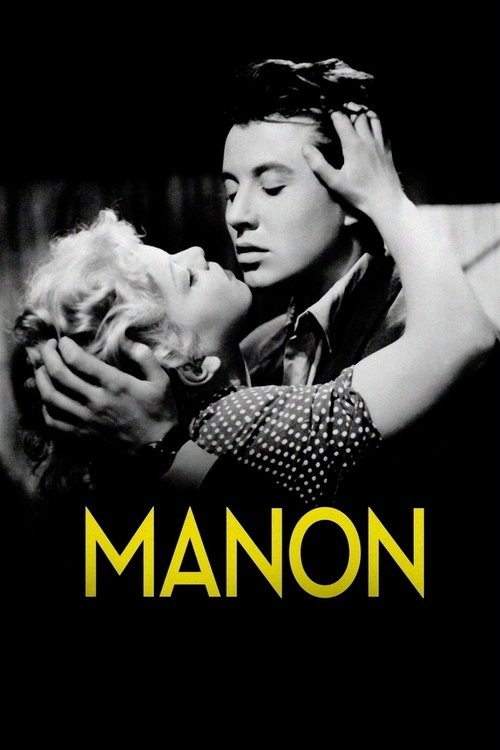
La France, nouvellement libérée du joug allemand. Pris comme passagers clandestins à bord d'un navire, Manon, une jeune femme accusée de collaborer avec les nazis, et Robert, un résistant qui l'a sauvée des représailles, racontent au capitaine les nombreux défis qu'ils ont dû relever pour survivre.
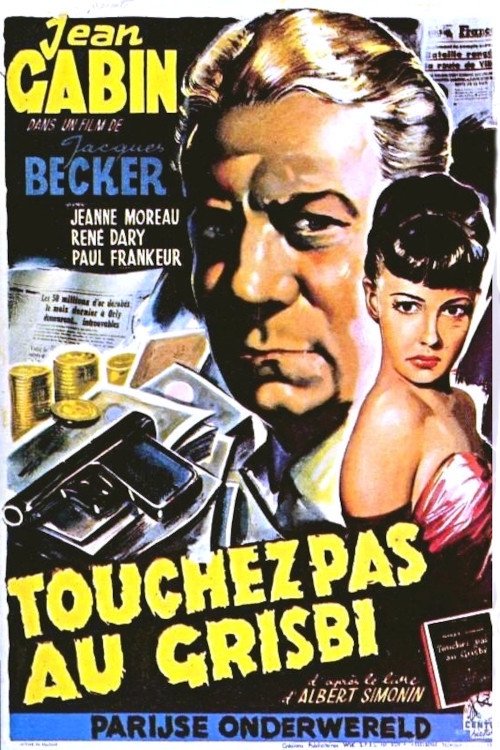
L’amitié qui lie Max et Riton est légendaire dans la mafia. À Orly les deux truands se sont emparés de 50 millions en lingots d’or et le milieu ignore qui a eu l’audace de réaliser ce coup fumant. Manquant de prudence et de discernement, Riton se confie à son amie Josy, qui s’empresse alors de révéler l’affaire à son amant Angélo…
Micheline, une jeune provinciale, arrive à Paris pour préparer son mariage avec un soyeux lyonnais, Daniel Rousseau. Mais elle tombe amoureuse du meilleur ami de son futur mari.
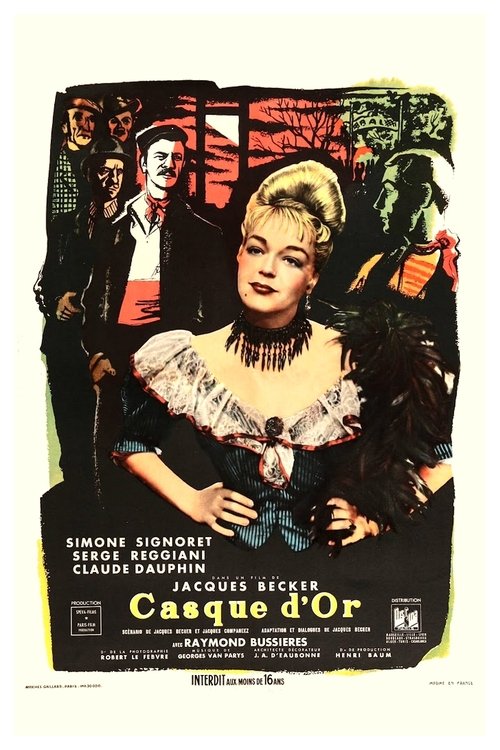
À la fin du XIXe siècle, lors d'un bal à Joinville, aux portes de Paris, Georges, un ancien criminel travaillant comme menuisier, rencontre Marie, une jeune femme liée à une bande criminelle.
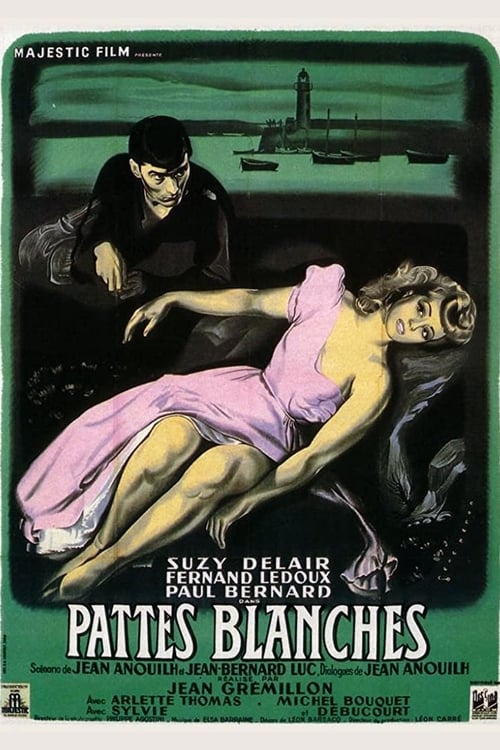
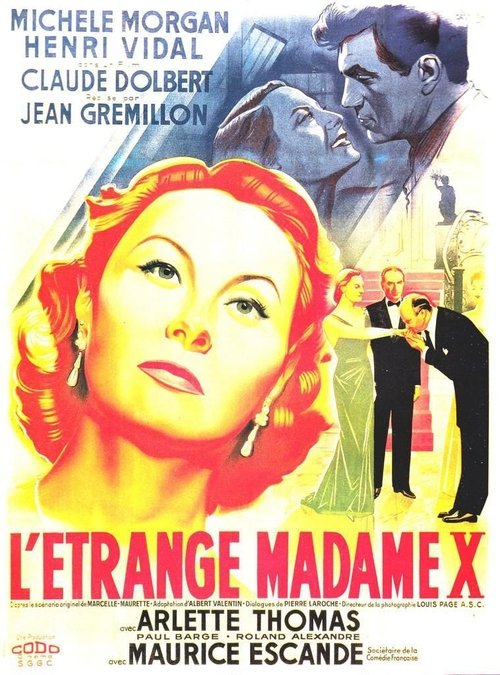
Dans un petit port breton, une belle et mystérieuse inconnue attise les passions de deux hommes.
Sur les rivages d'Aulis, les Grecs se préparent à aller attaquer Troie. Mais leurs bateaux ne peuvent pas appareiller car les dieux retiennent les vents nécessaires au départ. Agamemnon consulte l'oracle. La solution est tragique. Afin d'apaiser la déesse Artémis qu'il avait offensée, il doit sacrifier sa propre fille.
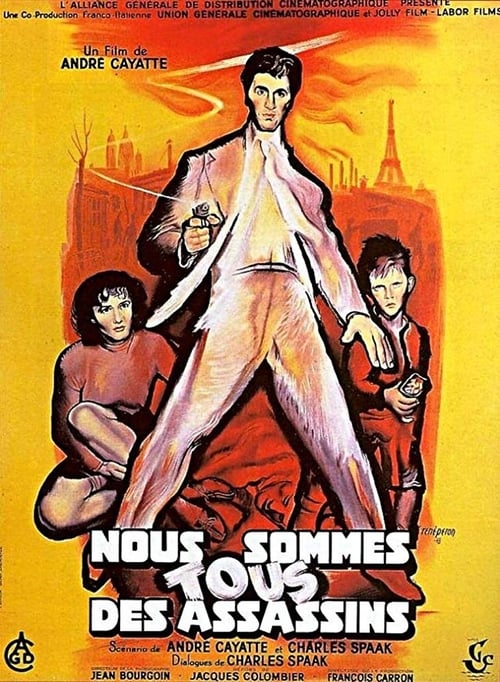
René Le Guen est un assassin qui, après la guerre, sévit lors de la libération. Arrêté, condamné à mort, il se retrouve avec d'autres prisonniers, également assassins. Son avocat cherche à obtenir la grâce en mettant en cause la société.
Au début du siècle, la politique et l'amour amènent une femme à se faire justice pour défendre son bonheur et celui de son mari. Décembre 1907, Joseph Caillaux, ministre des Finances, reproche à Andrieux, son inspecteur, de lui remettre un rapport incomplet.
Eté 1939. Le Tour de France reprend la route. Albert Brégeon, un grand champion trop sûr de vaincre, se laisse distancer par ses rivaux dans les étapes de plaine. Colette Monnier, une jeune journaliste néophyte qui suit son premier Tour, se moque du coureur qu'elle estime, un peu rapidement peut-être, déchu.
Paris, France. Le commissaire Wens suit la piste d'un meurtrier impitoyable jusqu'à un endroit inattendu.
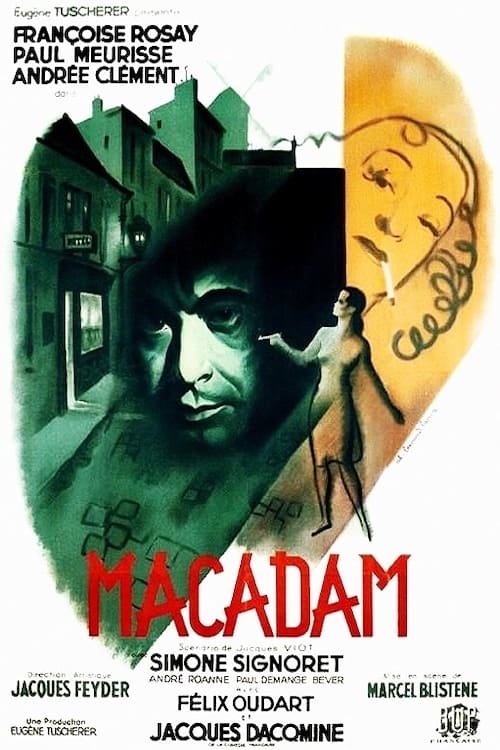
Une sordide histoire, située dans un faubourg de Paris, où interviennent une douteuse tenancière d'hôtel qui ne recule ni devant l'assassinat, ni devant la délation ; un de ses anciens complices traînant avec lui une valise bourrée d'argent ; un camelot sympathique ; la maîtresse du gangster ; la fille avisée de la tenancière. Trafics, meurtres, beuveries se succèdent sans que la vertu soit récompensée.
Étienne rencontre Irène dans un stade lors d'une rencontre sportive. Ils partent un dimanche pour la campagne et s'éprennent définitivement l'un de l'autre. Étienne travaille dans une scierie ; Irène est femme de chambre, du moins est-ce ainsi qu'elle s'est présentée à son amant....
Louise Jarraud est profondément et définitivement marquée par un drame qui a bouleversé sa vie pendant la Première Guerre mondiale. Elle a, en effet, perdu coup sur coup son mari et son fils. Depuis, elle consacre sa vie aux enfants des autres. Devenue gouvernante, passant d'une famille à l'autre, elle a élevé Frédéric, Gérard, Charlotte et Daniel, qu'elle considère presque comme ses enfants.
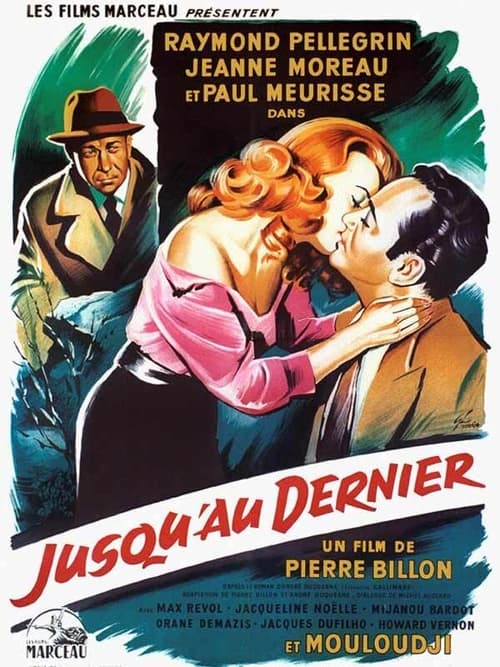
Fernand Bastia, un truand, a "doublé" ses amis et s'est réfugié chez des forains où travaille sa sœur Marcella. Il a gardé les 14 millions d'un hold-up et a dénoncé le reste de la bande à la police. Certains se sont échappés et Riccioni, leur chef, retrouve la trace de Bastia. Celui-ci après avoir été l'amant de Gina, une danseuse, mourra comme tous ceux qui convoitaient le magot : Riccioni, Quedchi, un gitan, pépé, le second de Riccioni et Marcella.
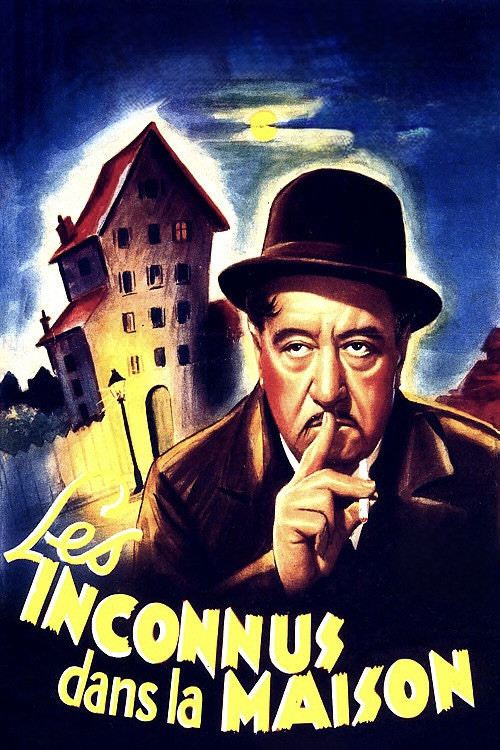
Ancien ténor du barreau, Hector Loursat vit retiré en province. Alcoolique depuis le départ de sa femme, voilà dix-huit ans, les rapports avec sa fille Nicole sont quasi inexistants. Un jour, le cadavre d'un homme est découvert dans sa vaste demeure. Nicole, qui fréquente une bande de jeunes voleurs, est soupçonnée.... En 1945, le film ne reçut pas son visa d'exploitation, la censure l'interdit.
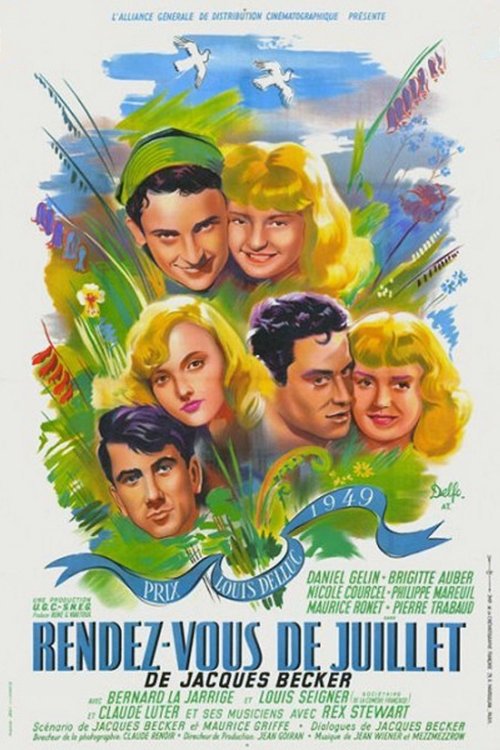
Les problèmes amoureux et les aspirations professionnelles d'une bande de jeunes dans le Paris de l'après-guerre, entre la préparation d'une expédition africaine, les répétitions théâtrales et les soirées dans les cabarets de jazz...