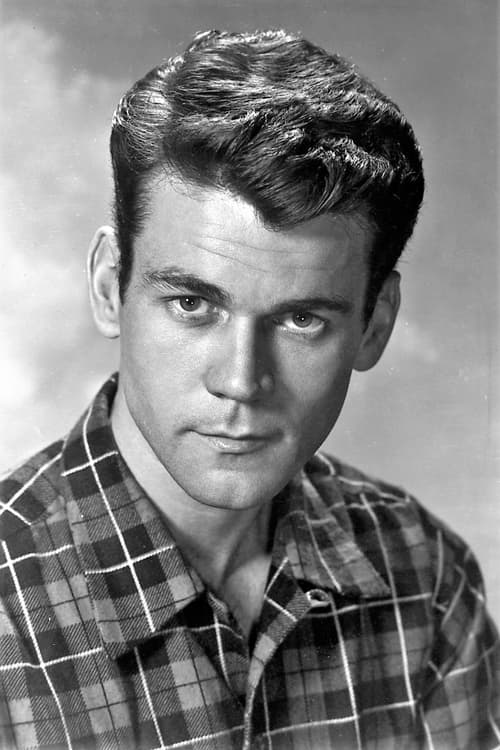
Don Murray
Acting
Biography
Donald Patrick "Don" Murray (July 31, 1929-February 2, 2024) was an American actor. Murray was born in Hollywood, California. He attended East Rockaway High School (class of 1947) in East Rockaway, New York where he played football and track, was a member of the student government and glee club and joined the Alpha Phi Chapter of the Omega Gamma Delta Fraternity. From high school he went on to the American Academy of Dramatic Arts. Murray had a long and varied career in films and television, including his role as Sid Fairgate in the long-running prime-time soap opera Knots Landing from 1979 to 1981. He was nominated for an Academy Award as best supporting actor in Bus Stop (1956) in which he co-starred with Marilyn Monroe. He starred as a blackmailed United States senator in Advise & Consent (1961), a film version of a Pulitzer Prize-winning novel by Allen Drury that was directed by Otto Preminger and cast Murray opposite Henry Fonda and Charles Laughton. He also co-starred with Steve McQueen in the film Baby the Rain Must Fall (1965) and played the ape-hating Governor Breck in Conquest of the Planet of the Apes (1972). In addition to acting, Murray directed a film based on the book The Cross and the Switchblade (1970) starring Pat Boone and Erik Estrada, and he scripted two episodes of Knots Landing ("Hitchhike" parts 1 & 2) in 1980. Murray starred with Otis Young in the ground breaking ABC western television series The Outcasts (1968-69) featuring an interracial bounty hunter team in the post-Civil War West. Murray decided to leave Knots Landing after two years to concentrate on other projects, although some sources say he left over a salary dispute. The character's death was notable at the time because it was considered rare to "kill off" a star character. The death came in the second episode of season three, following up on season two's cliffhanger in which Sid's car careered off a cliff. To make viewers off doubt the character would actually die, Murray was listed in the newly created credit sequence for season three; the character survived the plunge off the cliff (thus temporarily reassuring viewers), but died shortly afterwards in hospital. Although he effectively distanced himself from the series after his exit in 1981, Murray later contributed an interview segment for Knots Landing: Together Again, a non-fiction reunion special made in 2005. Murray was the first husband of actress Hope Lange. They had two children, including actor Christopher Murray.
Known For

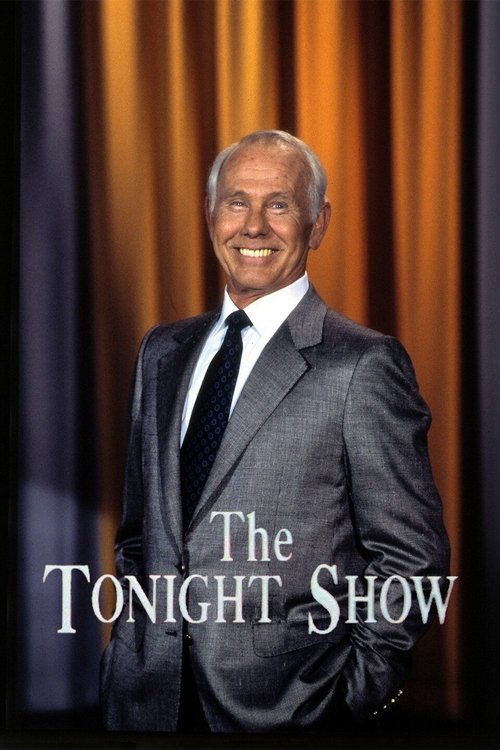
The Tonight Show Starring Johnny Carson is a talk show hosted by Johnny Carson under The Tonight Show franchise from 1962 to 1992. It originally aired during late-night. For its first ten years, Carson's Tonight Show was based in New York City with occasional trips to Burbank, California; in May 1972, the show moved permanently to Burbank, California. In 2002, The Tonight Show Starring Johnny Carson was ranked #12 on TV Guide's 50 Greatest TV Shows of All Time.
The Tonight Show Starring Johnny Carson

The Mike Douglas Show is an American daytime television talk show hosted by Mike Douglas that originally aired only in the Cleveland area during much of its first two years on the air. It then went into syndication in 1963 and remained on television until 1982. It was distributed by Westinghouse Broadcasting and for much of its run, originated from studios of two of the company's TV stations in Cleveland and Philadelphia.
The Mike Douglas Show

An unassuming mystery writer turned sleuth uses her professional insight to help solve real-life homicide cases.
Murder, She Wrote

An annual awards ceremony recognizing excellence in film and television, both domestic and foreign, bestowed by the Hollywood Foreign Press Association.
Golden Globe Awards

The body of Laura Palmer is washed up on a beach near the small Washington state town of Twin Peaks. FBI Special Agent Dale Cooper is called in to investigate her strange demise only to uncover a web of mystery that ultimately leads him deep into the heart of the surrounding woodland and his very own soul.
Twin Peaks

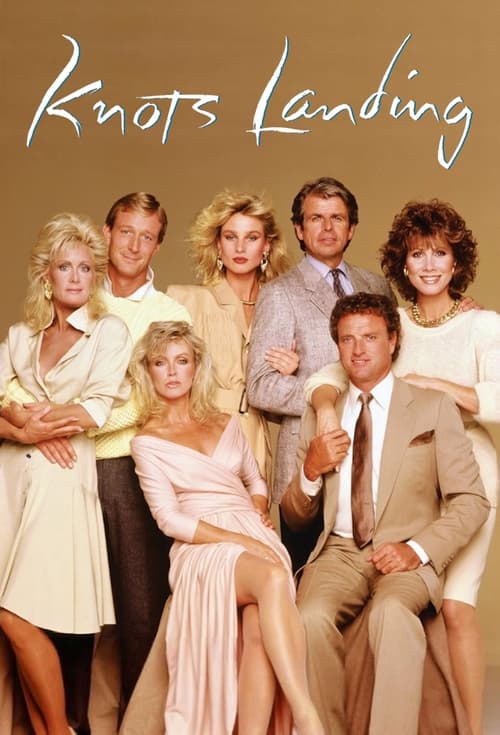
The domestic adventures, misdeeds and everyday interactions of five families living on a cul-de-sac in a small California community.
Knots Landing

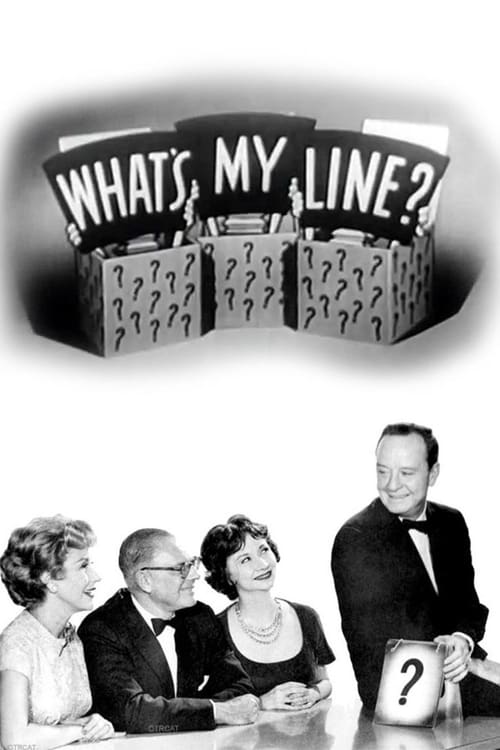
Four panelists must determine guests' occupations - and, in the case of famous guests, while blindfolded, their identity - by asking only "yes" or "no" questions.
What's My Line?

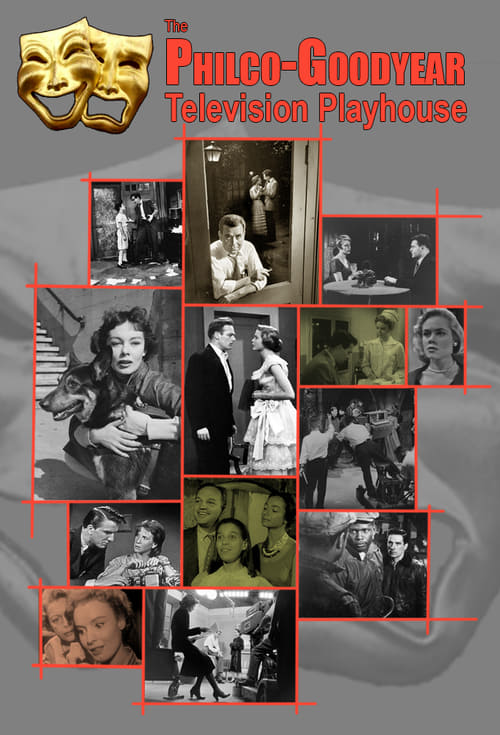
The Philco Television Playhouse is an American anthology series that was broadcast live on NBC from 1948 to 1955. Produced by Fred Coe, the series was sponsored by Philco. It was one of the most respected dramatic shows of the Golden Age of Television, winning a 1954 Peabody Award and receiving eight Emmy nominations between 1951 and 1956.
The Philco Television Playhouse

Brothers Brian and Joe Hackett attempt to run an airline on the New England island of Nantucket while surrounded by their various wacky friends and employees.
Wings

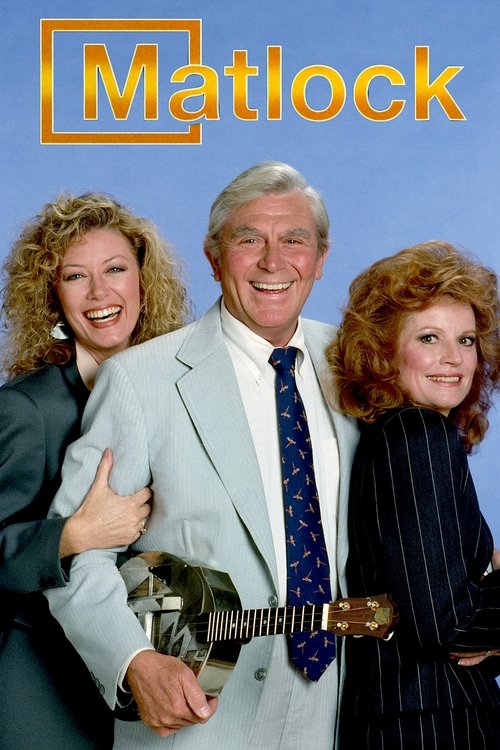
Thrifty, folksy and cantankerous, Matlock charges a premium for his services but is worth every penny: This renowned attorney, always clothed in his trademark light-gray suit and driving his signature Ford Crown Victoria, has an uncanny knack for finding overlooked clues and exposing murderers in dramatic courtroom scenes.
Matlock

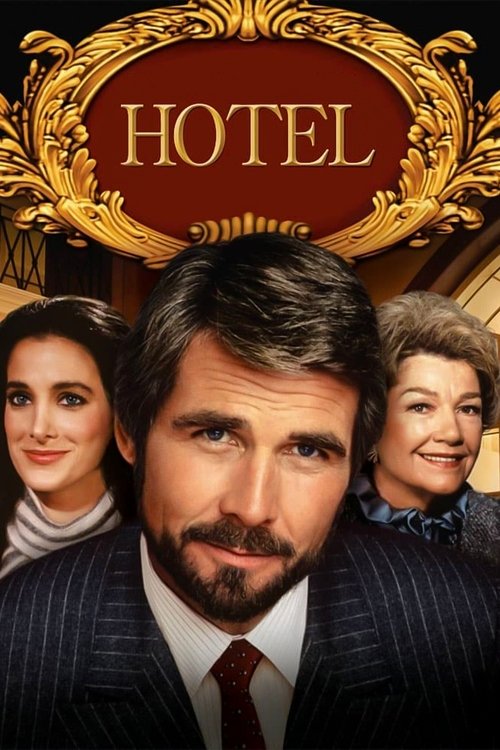
Hotel is an American prime time drama series which aired on ABC from September 21, 1983 to May 5, 1988 in the timeslot following Dynasty. Based on Arthur Hailey's 1965 novel of the same name, the series was produced by Aaron Spelling and set in the elegant and fictitious St. Gregory Hotel in San Francisco. Establishing shots of the hotel were filmed in front of The Fairmont San Francisco atop the Nob Hill neighborhood. Episodes followed the activities of passing guests, as well as the personal and professional lives of the hotel staff.
Hotel

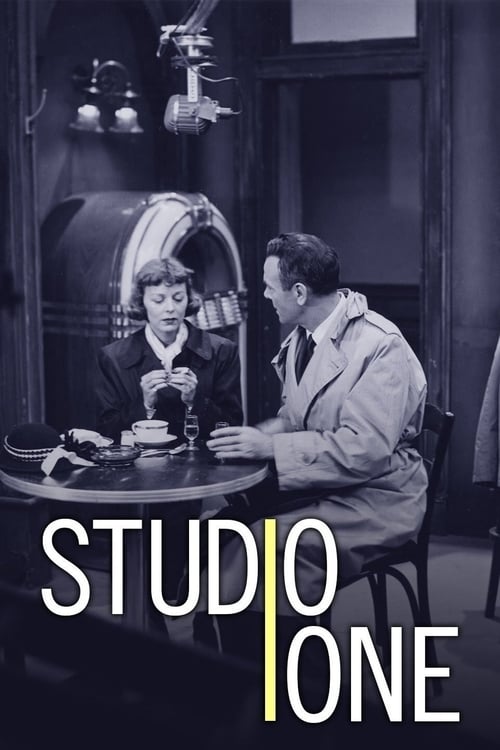
An American radio–television anthology series, created in 1947 by Canadian director Fletcher Markle, who came to CBS from the CBC. Studio One, presented by Westinghouse, was one of the first of the anthology TV programs. The episodes were often abridged remakes of movies from years gone by and many future well-known television and movie actors appeared in the productions.
Studio One

The Ed Sullivan Show is an American TV variety show that originally ran on CBS from Sunday June 20, 1948 to Sunday June 6, 1971, and was hosted by New York entertainment columnist Ed Sullivan. It was replaced in September 1971 by the CBS Sunday Night Movie, which ran only one season and was eventually replaced by other shows. In 2002, The Ed Sullivan Show was ranked #15 on TV Guide's 50 Greatest TV Shows of All Time.
The Ed Sullivan Show

Playhouse 90 is an American television anthology series that was telecast on CBS from 1956 to 1960 for a total of 133 episodes. It originated from CBS Television City in Los Angeles, California. Since live anthology drama series of the mid-1950s were usually hour-long shows, the title highlighted the network's intention to present something unusual, a weekly series of hour-and-a-half dramas rather than 60-minute plays. Playhouse 90 began as a pitch by Frank Stanton—the formidable, forward-thinking right-hand man to CBS chairman William S. Paley—during a brainstorming session for program ideas. The project was ultimately developed by Hubbell Robinson, a CBS vice president who received no screen credit on Playhouse 90 but is often described as its creator.
Playhouse 90

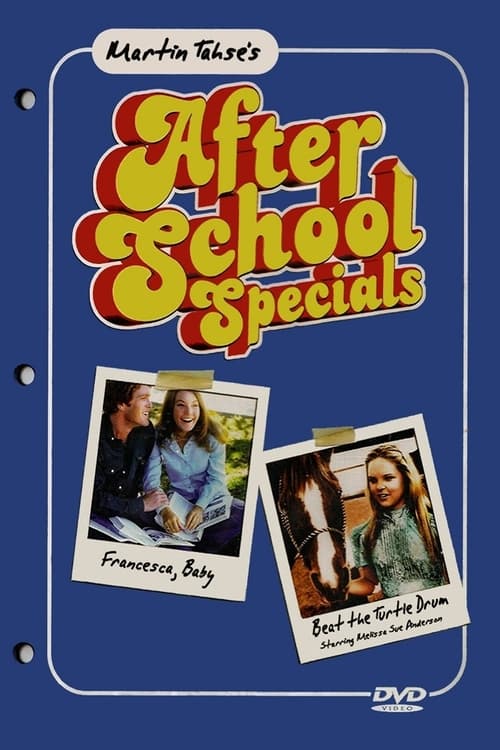
Dramatically presented situations, often controversial, of interest to children and teenagers. Several episodes were either in animated form or presented as documentaries. Topics included illiteracy, substance abuse and teenage pregnancy.
ABC Afterschool Special

Detective Cheng is commissioned by Interpol to destroy the Empire of Chaiba, a worldwide criminal organization based in Southeast Asia. He initiates an undercover operation to infiltrate the organization.
Police Story

No description available.
The Single Guy
Danger is an American anthology series which aired on CBS from September 19, 1950 to May 31, 1955.
Danger

Kraft Television Theater is an American, well-received anthology series presenting live television dramas.
Kraft Television Theatre
Lux Video Theatre is an American anthology series that was produced from 1950 until 1959. The series presented both comedy and drama in original teleplays, as well as abridged adaptations of films and plays.