Acting
No description available.
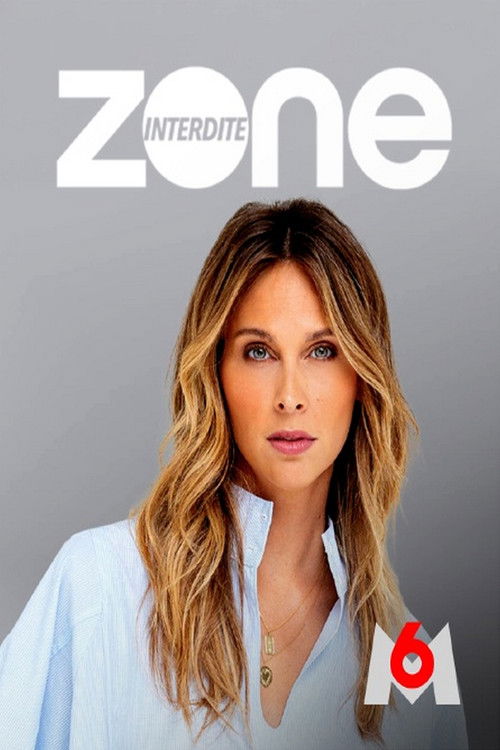
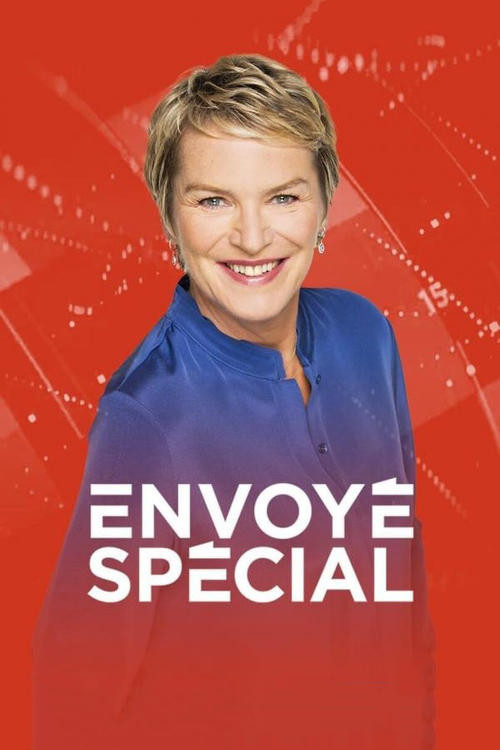
For thirty years, Zone Interdite has been the magazine that documents and analyzes the upheavals in French society. Conducted over time, the investigations broadcast in the program reveal the taboos, passions, and struggles of the French people at the heart of current events.
For more than twenty-six years, the show has offered reports abroad, surveys of social phenomena and portraits. Because it is sometimes difficult to understand the life of your neighbor or of everyone you meet in the street, Special Envoy will do it for you: listen, question, understand, investigate.
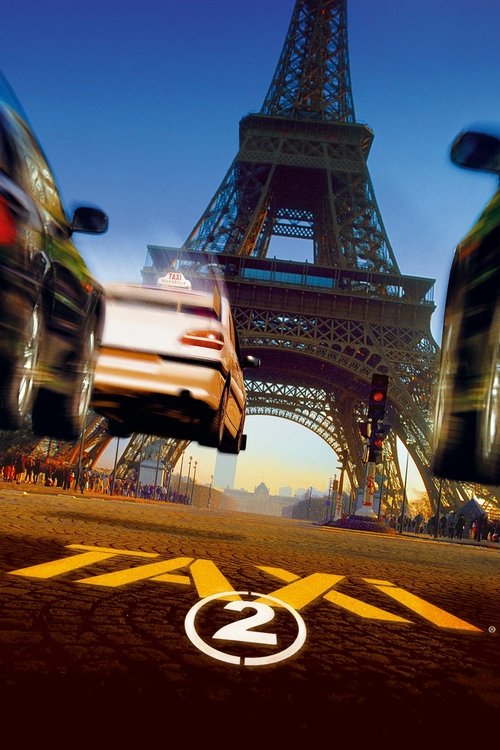
A cabdriver and a cop race to Paris to rescue a love interest and the Japanese minister of defense from kidnappers.
Bahia Benmahmoud, a free-spirited young woman, has a particular way of seeing political engagement, as she doesn't hesitate to sleep with those who don't agree with her to convert them to her cause - which is a lot of people, as all right-leaning people are concerned. Generally, it works pretty well. Until the day she meets Arthur Martin, a discreet forty-something who doesn't like taking risks. She imagines that with a name like that, he's got to be slightly fascist. But names are deceitful and appearances deceiving.
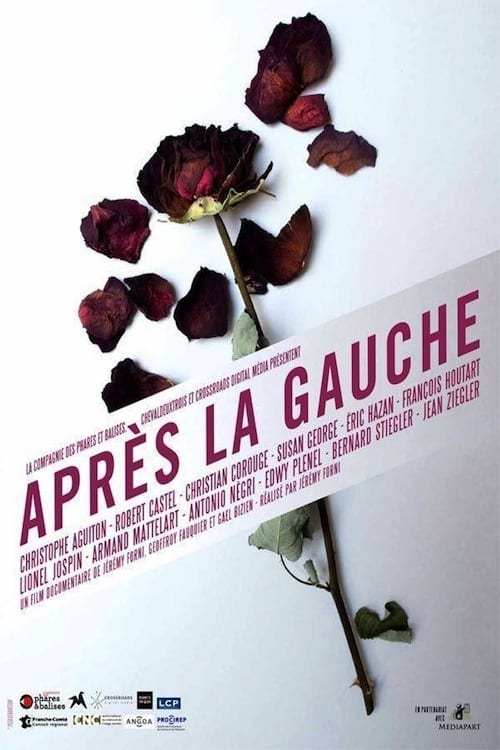
What does it mean to be leftist today? The film tries to answer this essential question by interviewing great figures of contemporary thought. From the disappearance of the USSR to the latest financial crisis, Après la gauche is a journey through 20 years that have upset the left, but it's - above all - an act of resistance.
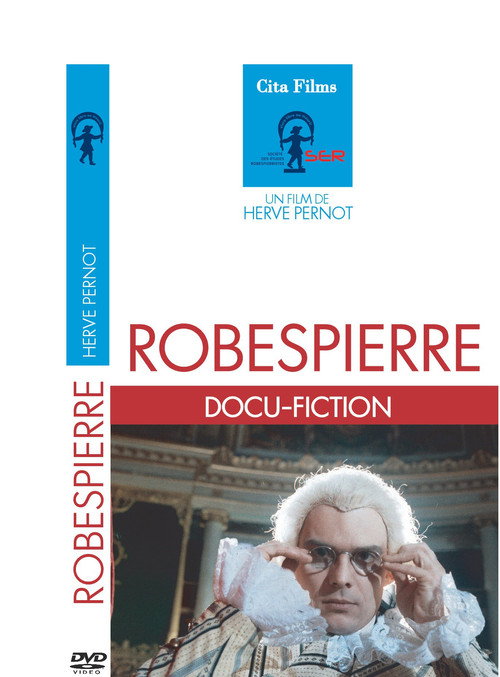
Robespierre, a child of the Enlightenment, passionate about justice and concerned with order, is thrust into the storms of the Revolution. He becomes one of its most tragic figures. The guiding thread of this dramatic development is Robespierre’s own speech. Excerpts from his major addresses are thus staged, emphasizing the contradictions of a man who advocates for the abolition of the death penalty yet justifies the Reign of Terror, who tirelessly fights for universal suffrage but helps establish an exceptional regime. His life and exercise of power are confronted, thirty years apart, with the analyses and judgments of historians and political figures from the Bicentennial and the early 21st century: Michel Vovelle, Michel Biard, Hervé Leuwers, Patrice Gueniffey, Jacques Chaban-Delmas, Michel Debré, Lionel Jospin, Jean-Louis Bourlanges, and Alexis Corbière.
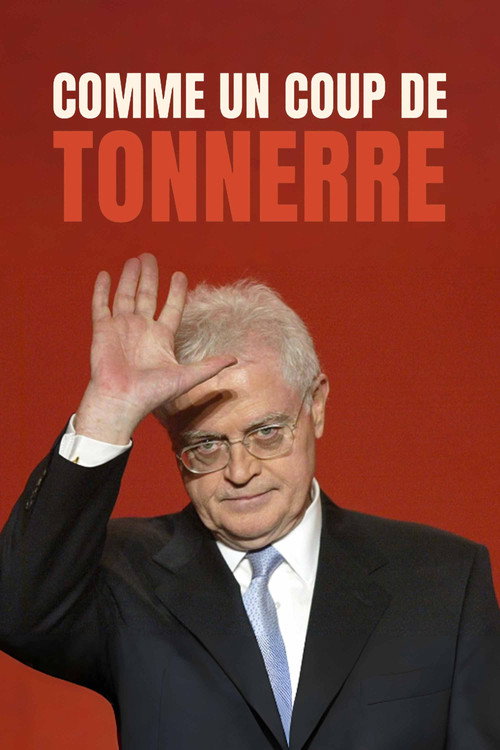
Six weeks of exclusive behind-the-scenes access to Lionel Jospin's 2002 presidential campaign, from the strategy rooms to the night everything collapsed. A gripping inside account of France's most shocking political upset.
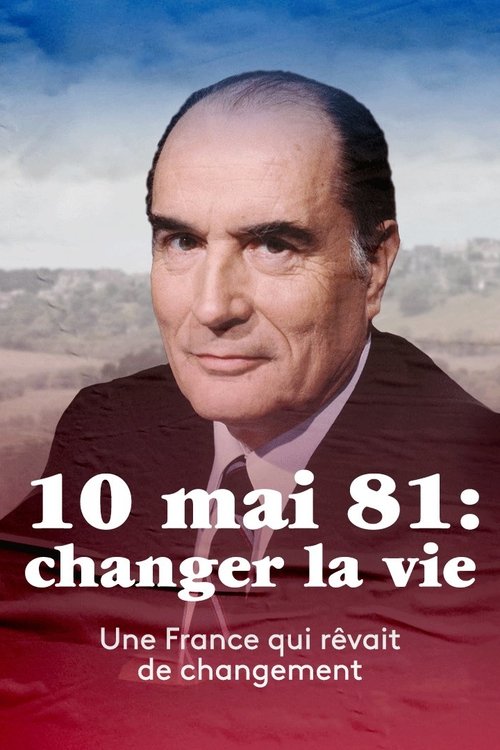
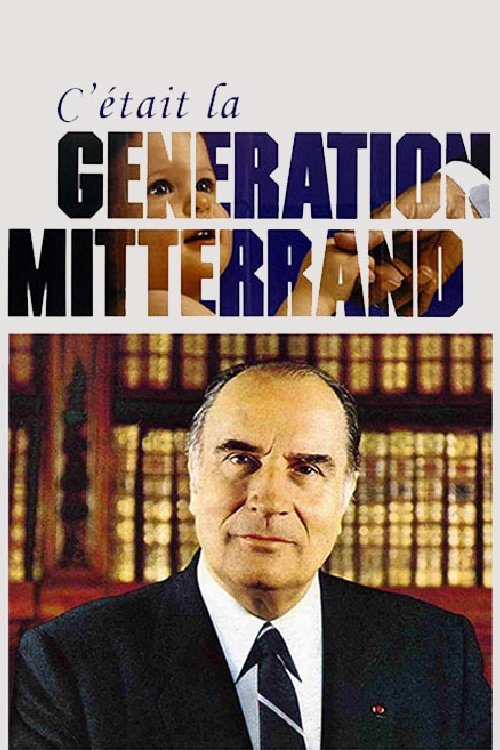
Fourty years ago, in May 1981, with François Mitterrand's election, some people were letting themselves dream about a better life while others were predicting the coming of soviet tanks upon the Champs-Élysées. If we gladly remember the turning point of austerity in 83, there were also the wage rises, the fifth week of paid leave, the abolition of death penalty, the decriminalisation of homosexuality, or the advent of independent radio stations. Rare archives and accounts by those who were at the heart of this story give an overview of it and shed light on lesser-known aspects.
The concept includes a series of shorts titled "Dispositif + No + title". They all deal with subjects mixed in a unique and unusual presentation. It is an inventively surreal image and sound experience. It is Jean Cocteau for the twenty-first century.
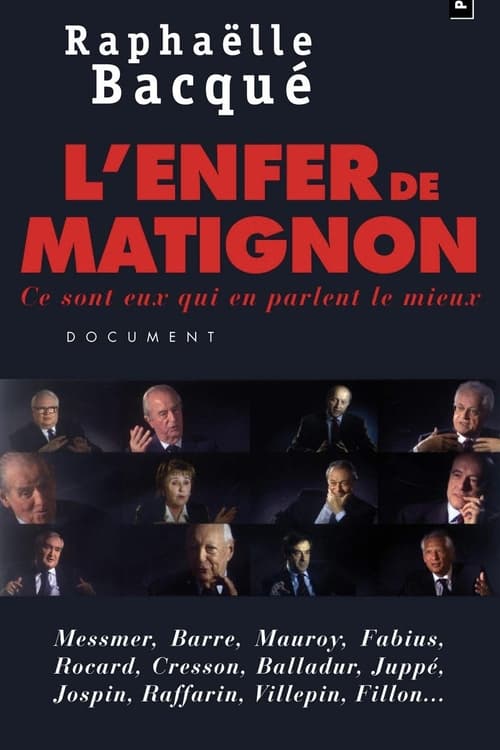
In a series of long interviews, 12 prime ministers talk about their experience in the upper echelons of power. The function of prime minister, torn between the president and the parliament, appointed without necessarily being elected but responsible for everything, is at the center of debate. With the exception of Jacques Chirac (1974-1976 and 1986-1988), deliberately left out because of his image as French President, those who governed France for the past 35 years agreed to discuss the exercise of power, as seen through archive footage, but also how they experienced it personally. Filmed in the same studio and sitting in the same chair, 12 French prime ministers talk freely about their time in office, from their appointment until their resignation.