António Reis
Directing
Biography
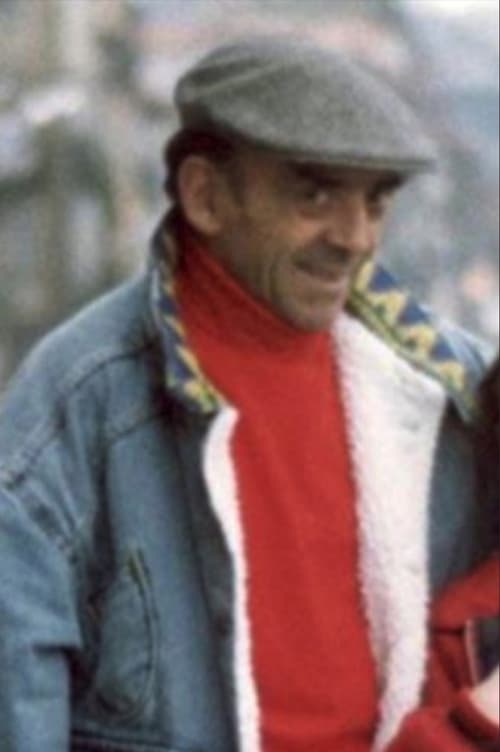
António Ferreira Gonçalves dos Reis, known as António Reis (1927–1991), was a Portuguese film director, screenwriter and producer, poet, sculptor and ethnographer. He was married to Margarida Cordeiro, co-director of most of his films. He is considered as one of the most important directors of his country, due to the originality of his style. Description above from the Wikipedia article António Reis, licensed under CC-BY-SA, full list of contributors on Wikipedia.
Known For

Drawing on a wide mosaic of texts from figures like Montaigne and Kafka, literary and philosophical fragments are used to illustrate and reflect on the human condition. It is a tribute to the landscape and the people who inhabit the Trás-os-Montes region of Portugal, portraying the region not just as a physical space, but as a place where imagination and reality intertwine.
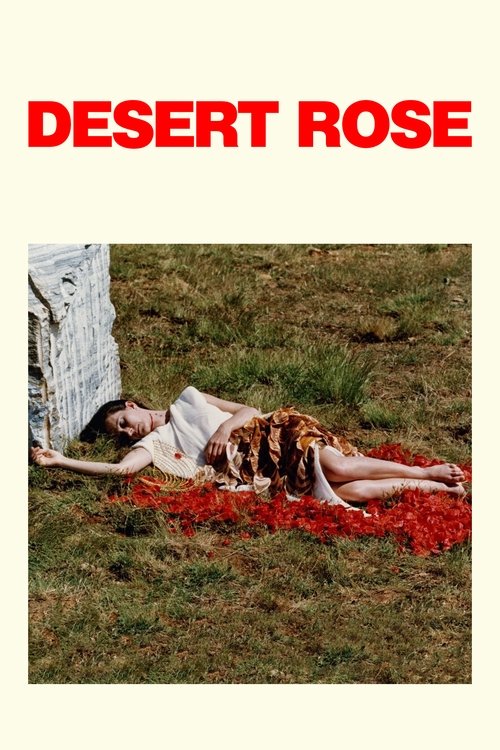
Desert Rose

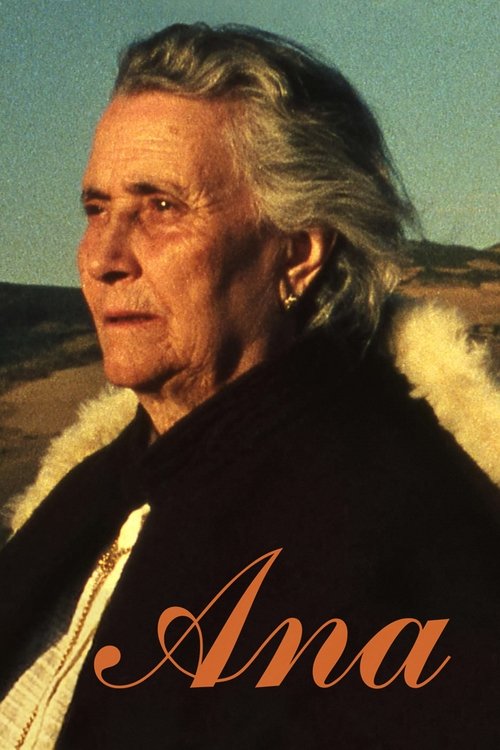
Centered on an elderly matriarch and her family in the Trás-os-Montes region of Portugal. An exploration of the cycle of life and death, using the main character, Ana, as an emblem of a life lived in harmony with nature and tradition.
Ana

In the forties, in a little settlement lost amidst the mountains of Trás-os-Montes, Leonardo tries to survive by buying and selling marten and fox furs, dreaming of the day he’ll close a big deal.
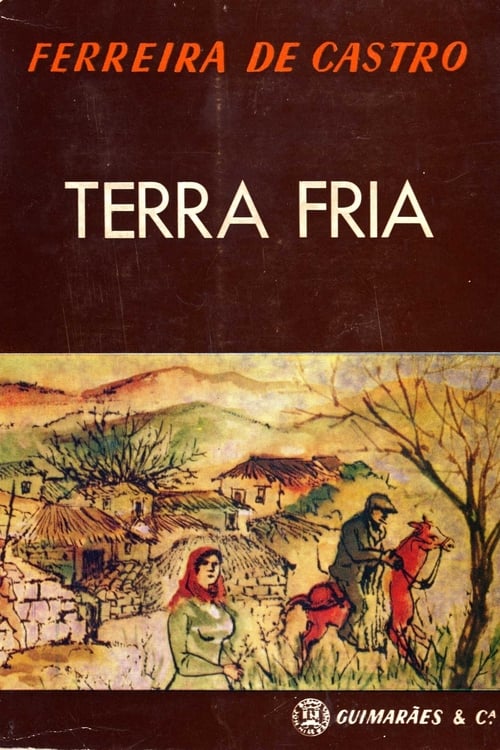
Cold Land

Local people of Curalha, a small village, keep a tradition of representing the Passion of Jesus, according to a 16th century text.
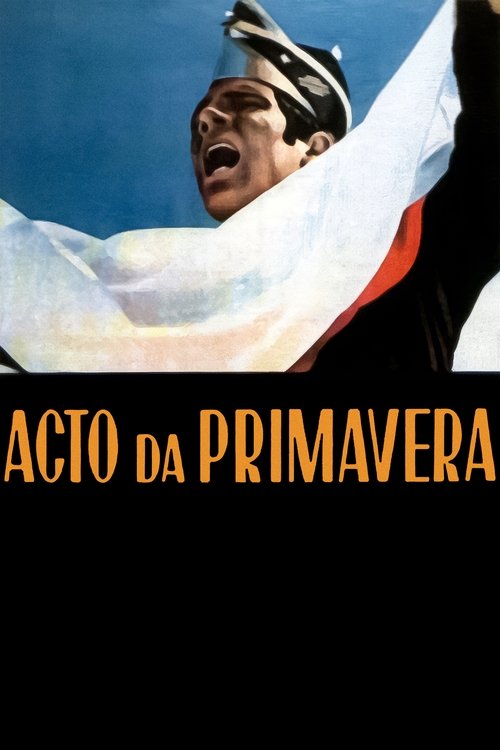
Acto da Primavera

The first feature in António Reis and Margarida Cordeiro’s trilogy is a journey through this almost mythical region of north-east Portugal, a tapestry of micronarratives where past, present and future become intertwined.
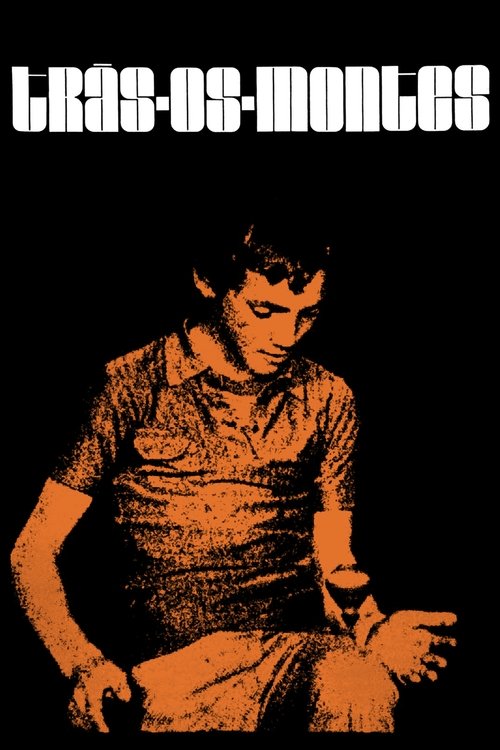
Tras-os-Montes

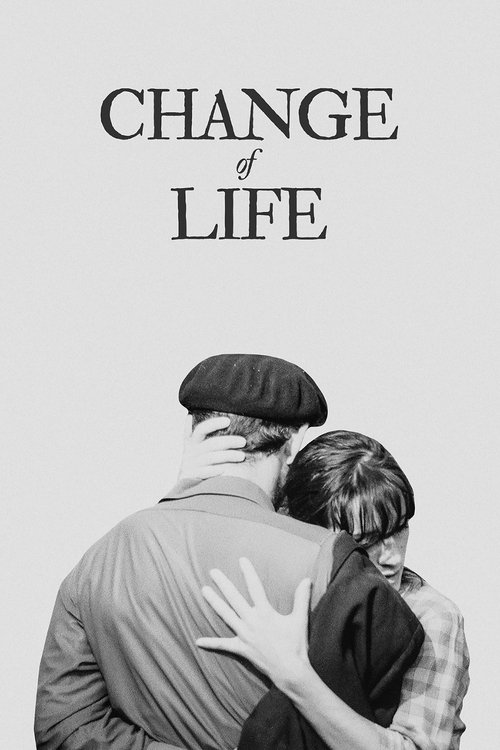
After completing his military service in the Angolan War of Independence, Adelino goes back to the Portuguese fishing village he calls home, only to find that the woman he loves has married his brother. Overcome by bitterness, he sets off to find work in the countryside where he meets Albertina, a free-spirited young woman who challenges him to change his life.
Change of Life

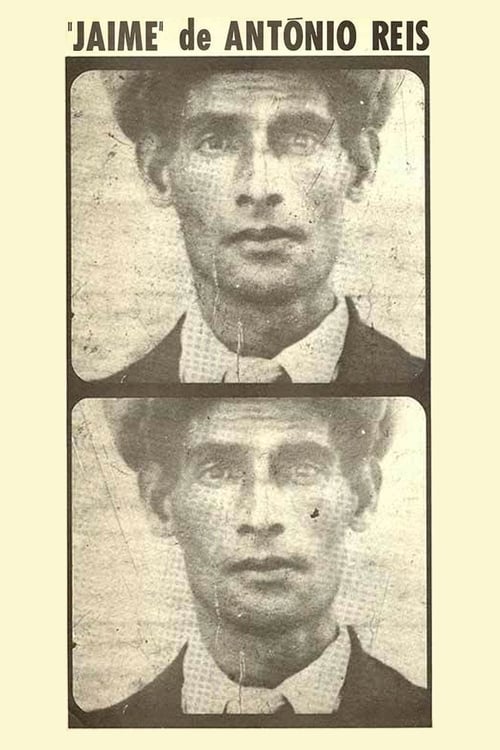
Jaime, a poem of suffering and loneliness, describes the existence and pictorial work of a man isolated in a psychiatric hospital.
Jaime

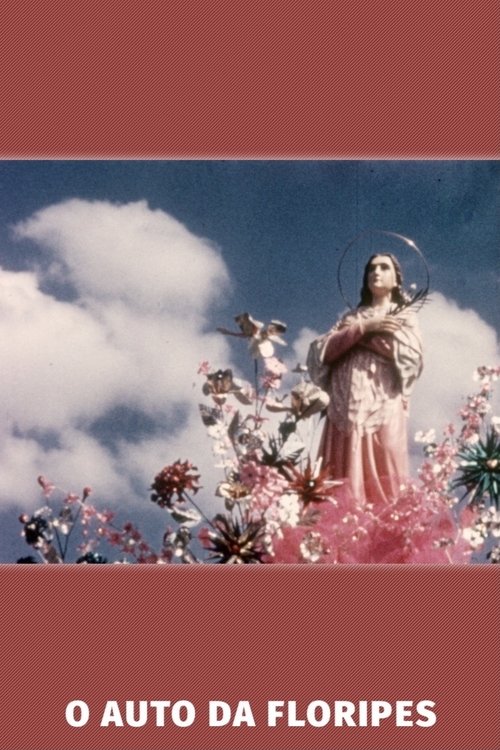
Popular theatre re-enactment that goes back to the XVII-XVI centuries, integrating in the pilgrimage of Senhora das Neves, held every year, in the first days of August. The performers are local people, and the show takes place outdoors, in the church square, involving Christians and Moors.
O Auto da Floripes

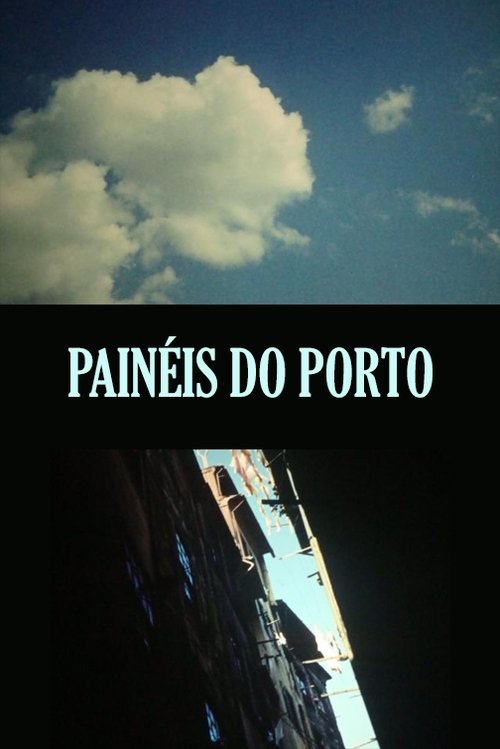
Made by commission of the Porto City Council, 'Painéis do Porto' is a visual essay on the city, gathering sequences filmed between the river and downtown, commented with the reading of poems by authors like Vasco de Lima Couto, Egito Gonçalves, Rosália de Castro, Pedro Homem de Mello, Fernando Pessoa, and António Reis himself, with music by Francisco Rebelo.
Panels of Porto

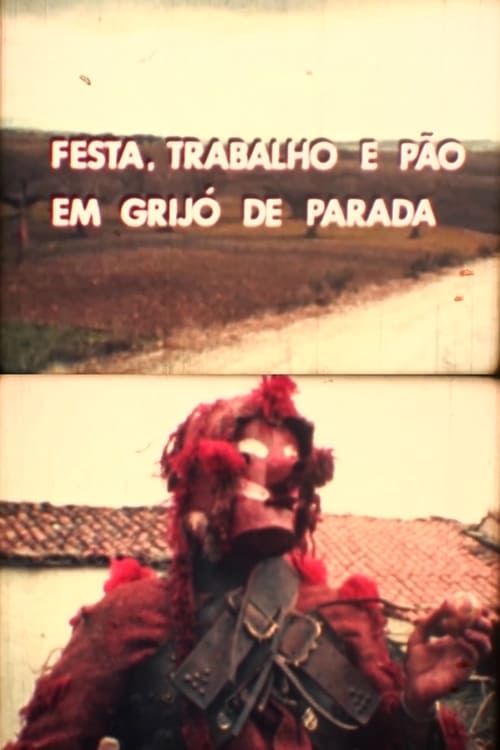
One of the first films that looks at the Portuguese region of Trás-os-Montes. From the mask called “careto” and the popular festival to the everyday reality.
Festa, Trabalho e Pão em Grijó de Parada

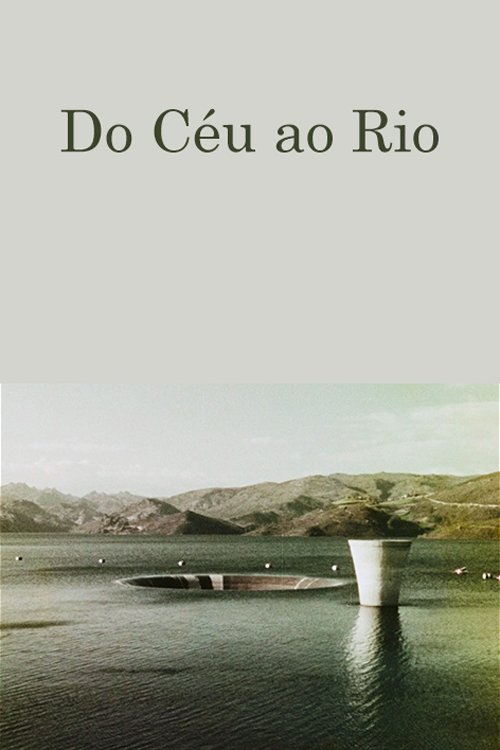
This short film, probably commissioned by the Hidro-Eléctrica do Cávado, shows several aspects of the dams’ network construction in that hydrographic basin, with a commentary read by Fernando Pessa. “Do céu ao rio” was premiered at the Odéon cinema in Lisbon, on January 29, in 1964, but it is in a more fragile heritage situation since its original image negative is not located.