FEEL IT.STREAM
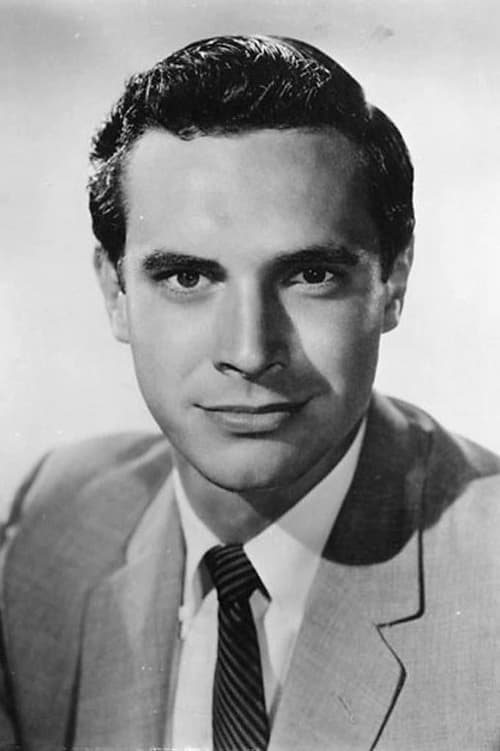
Bradford Dillman

Bradford Dillman

Acting

Biography

Bradford Dillman (April 14, 1930 – January 16, 2018) was an American actor, as well as an author starred in the taut crime drama Compulsion (1959). The lanky, dark-haired Dillman also played Robert Redford's best friend J.J. in The Way We Were (1973). Dillman also appeared opposite Clint Eastwood in the Dirty Harry films The Enforcer (1976) and Sudden Impact (1983). In director Richard Fleischer's Compulsion, derived from the infamous Leopold & Loeb case of the 1920s, Dillman and Stockwell starred as the brazen killers Arthur A. Straus and Judd Steiner, respectively, who think they have committed the perfect murder. Dillman, Stockwell and Orson Welles (who played their attorney) shared best actor honors at the 1959 Cannes Film Festival. The Fox film was an adaptation of a Broadway hit, with Dillman taking on the role that Roddy McDowall had originated on the stage.
Known For

Mission: Impossible
7.6

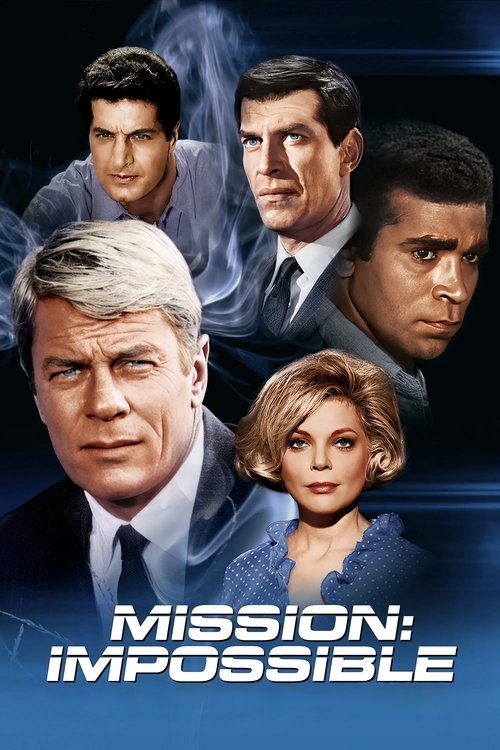
Mission: Impossible is an American television series that was created and initially produced by Bruce Geller. It chronicles the missions of a team of secret government agents known as the Impossible Missions Force. In the first season, the team is led by Dan Briggs, played by Steven Hill; Jim Phelps, played by Peter Graves, takes charge for the remaining seasons. A hallmark of the series shows Briggs or Phelps receiving his instructions on a recording that then self-destructs, followed by the theme music composed by Lalo Schifrin. The series aired on the CBS network from September 1966 to March 1973, then returned to television for two seasons on ABC, from 1988 to 1990, retaining only Graves in the cast. It later inspired a popular series of theatrical motion pictures starring Tom Cruise, beginning in 1996.

Mission: Impossible

1966Series
The Wild Wild West
7.5

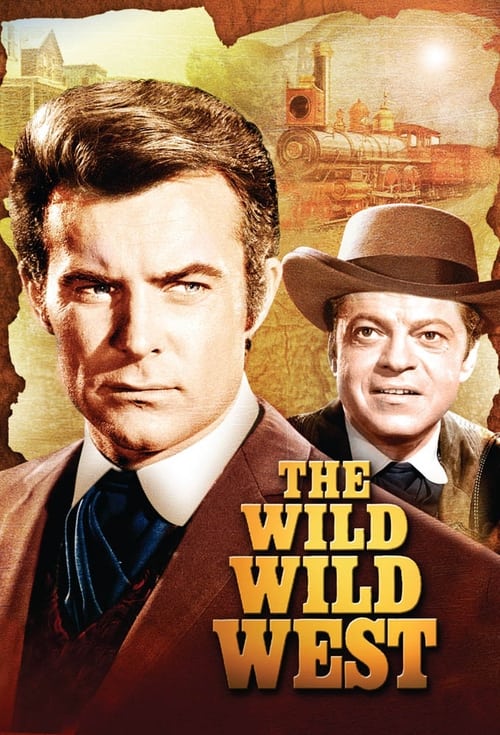
The Wild Wild West is an American television series. Developed at a time when the television western was losing ground to the spy genre, this show was conceived by its creator, Michael Garrison, as "James Bond on horseback." Set during the administration of President Ulysses Grant, the series followed Secret Service agents James West and Artemus Gordon as they solved crimes, protected the President, and foiled the plans of megalomaniacal villains to take over all or part of the United States. The show also featured a number of fantasy elements, such as the technologically advanced devices used by the agents and their adversaries. The combination of the Victorian era time-frame and the use of Verne-esque style technology have inspired some to give the show credit for the origins of the steam punk subculture.

The Wild Wild West

1965Series
Matinee Theater
5.3

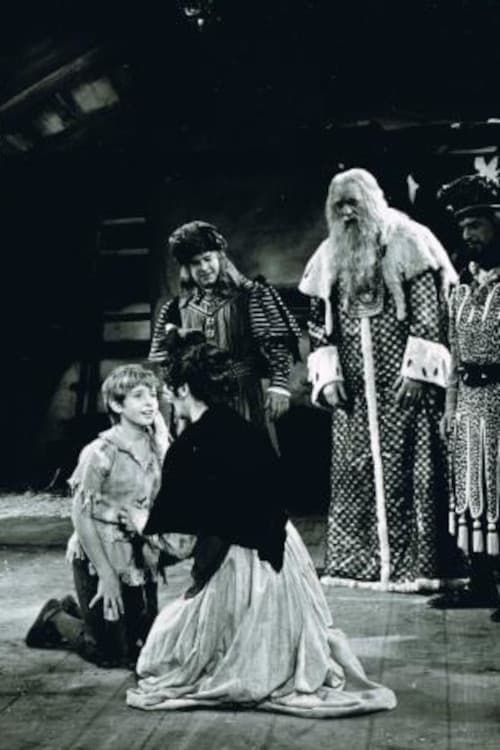
Matinee Theater is an American anthology series that aired on NBC during the Golden Age of Television, from 1955 to 1958. The series, which ran daily in the afternoon, was frequently live. It was produced by Albert McCleery, Darrell Ross, George Cahan and Frank Price with executive producer George Lowther. McCleery had previously produced the live series Cameo Theatre which introduced to television the concept of theater-in-the-round, TV plays staged with minimal sets. Jim Buckley of the Pewter Plough Playhouse recalled: When Al McCleery got back to the States, he originated a most ambitious theatrical TV series for NBC called Matinee Theater: to televise five different stage plays per week live, airing around noon in order to promote color TV to the American housewife as she labored over her ironing. Al was the producer. He hired five directors and five art directors. Richard Bennett, one of our first early presidents of the Pewter Plough Corporation, was one of the directors and I was one of the art directors and, as soon as we were through televising one play, we had lunch and then met to plan next week’s show. That was over 50 years ago, and I’m trying to think; I believe the TV art director is his own set decorator —yes, of course! It had to be, since one of McCleery’s chief claims to favor with the producers was his elimination of the setting per se and simply decorating the scene with a minimum of props. It took a bit of ingenuity.

Matinee Theater

1955Series