Directing
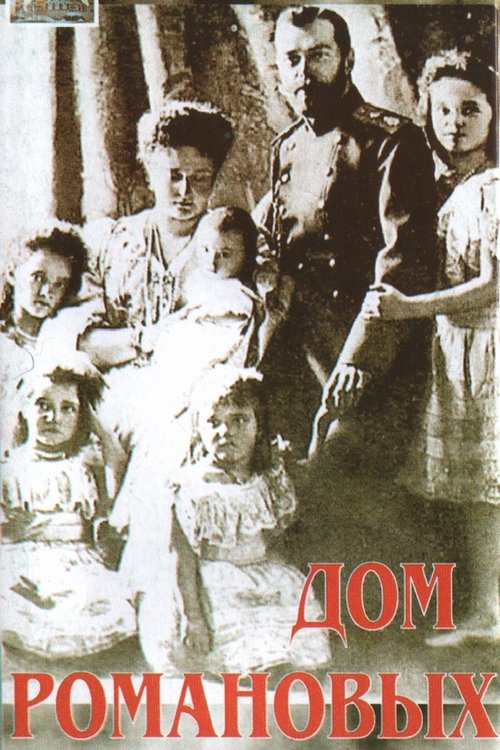
The documentary film dedicated to the life of Nicholas II and his family was edited from chronicle of 1896-1916 from the funds of The Russian State Documentary Film & Photo Archive.
About student riots in the West in 1968.
About the Roman Catholic Church in the USSR.
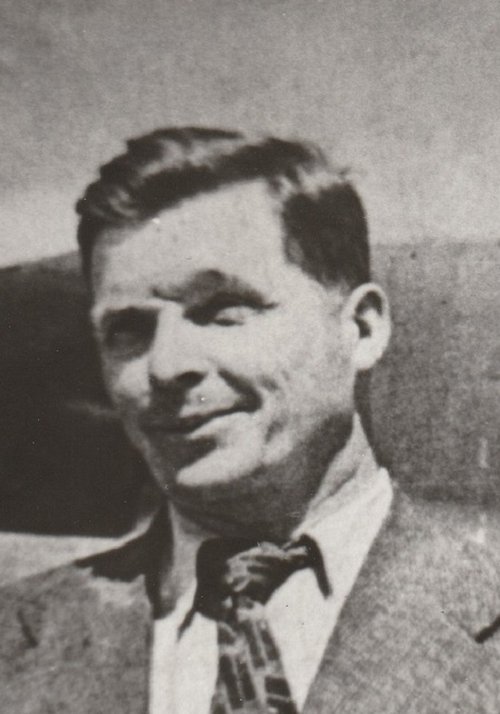
About the creator of famous aircraft - aircraft designer Ilyushin.
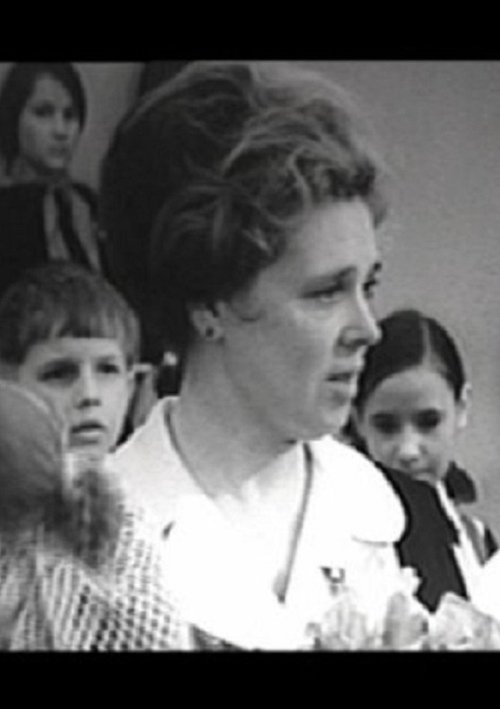
A portrait of Tamara Dmitrievna Chistyakova, an outstanding seamstress who worked in the Leningrad association Pervomaiskaya Zarya and who was awarded the State Prize of the USSR in 1976. This is a story about the fate of a Leningrad girl who survived the Nazi siege of the city but lost her parents during the war. Brought up in a childen’s home, she acquired her profession at a vocational college and became renowned in the Soviet Union as the initiator of a competition for mastering complementary skills in the sewing industry.
The film tells about the winner of the State Prize, writer Victor Astafyev. Rural landscapes shot in the village of Oatmeal: streets, the house where the writer was born. V. Astafyev tells about his life's path, reflects on modern problems, about the responsibility of man to himself; meets with fellow countrymen, readers.
No description available.
Film about documentary film director Mikhail Litvyakov
A camp for difficult teenagers: gangster songs, collectivism, belief in corrective work and high ideals. Theft and chasteness.
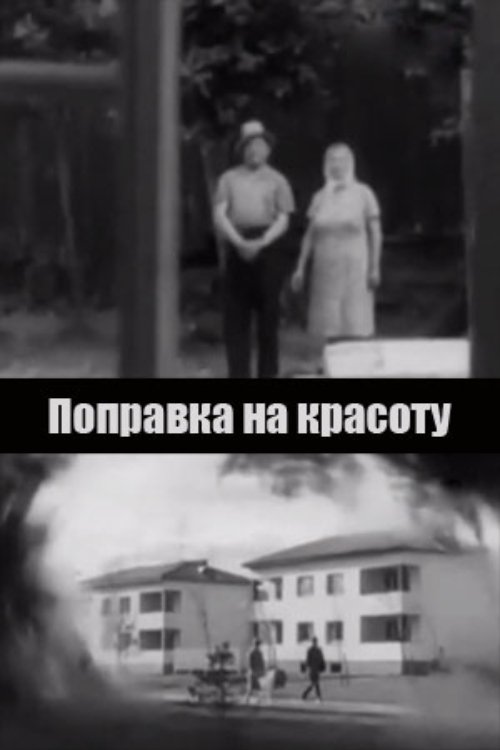
A Dispute in the Village Council — how should the village be redeveloped, what kind of new houses does it need? People want a basement, a small garden plot, a place to keep a piglet — and everything nearby, so they don’t have to run half a kilometer when a neighbor comes over and they need to fetch some pickles from the cellar for a snack. And they don’t want to go up to the ninth floor, even if there’s an elevator. But everything has already been decided — no one will build two- or three-story houses, let alone separate ones. Only five- to nine-story buildings. The plan has been approved, and new residents are already moving into urban-style apartment blocks. So why did they even have the discussion?
A Russian film
About Ivan Selivanov - an artist, a representative of "naive art" from the Kuzbass. Director Mikhail Litvyakov met Ivan Selivanov in 1968. Since then, until the artist's death in 1988, their correspondence continued. The film uses letters, diaries, pictures of the artist, shooting different years.
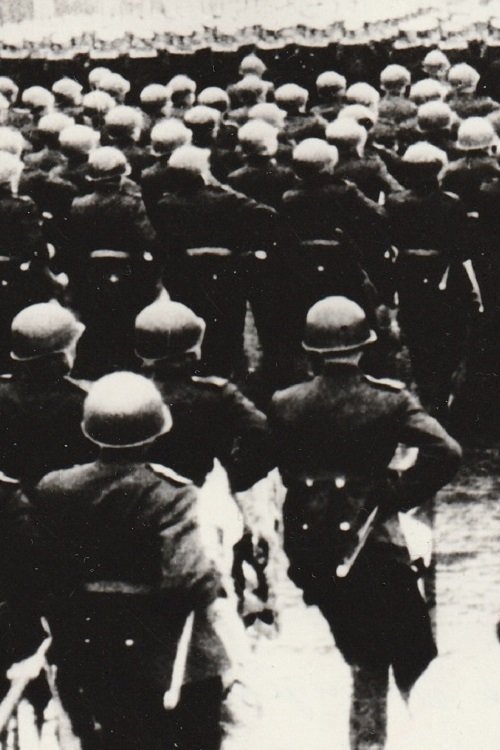
About fighters of a special combined battalion, who on the Victory Parade threw the banners of captured fascist German troops to the foot of Lenin's Mausoleum. In the center of the film the fate of two soldiers: Stepan Smolyakov, who passed with his own gun to Berlin, and Stepan Krivko, a participant in the Parade.
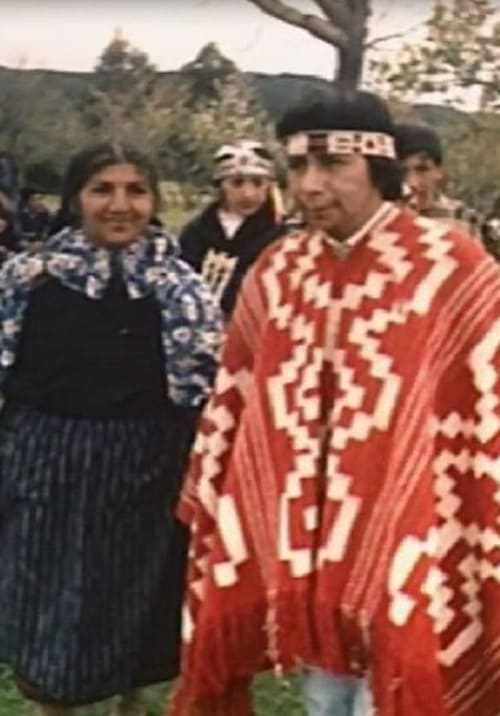
The film emotionally conveys the atmosphere of the resurrection of Chile, showing the country’s first free spring after many years of military dictatorship. It is filled with diverse events, genre scenes and music, in which the mood of the Chileans is reflected.
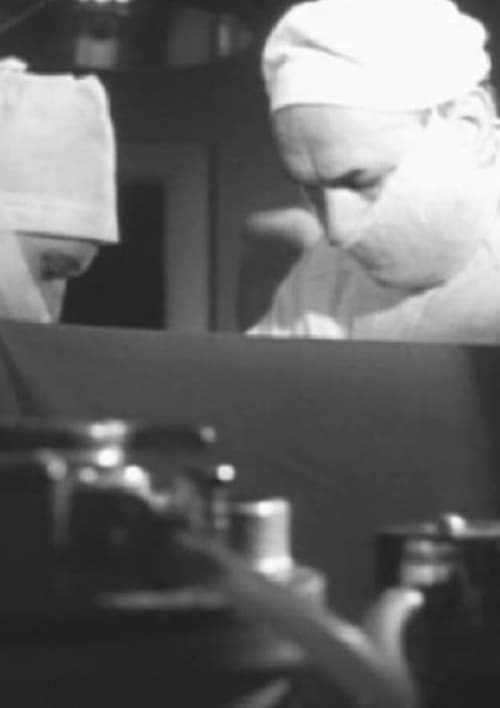
No matter where chief surgeon of the Leningrad Regional Hospital Viktor Sedletsky is, the dispatcher always has information on how to find him.
The film tells about how on the Leningrad radio programs were created for children, about how the child perceives a fairy tale told on the radio. The film features the Honored Artist of the RSFSR, known to all Leningrad children Maria Petrova and People's Artist of the USSR Alexander Borisov.
A film about the history of Leningrad football and the victory of Zenit in the USSR Championship in 1984.
Unobtrusive propaganda of the feast culture, the story that alcohol can be not only harmful, but also useful, if you know how to handle it properly. If you want to look into the wine departments of the shops of that time, visit the winery's workshop, as well as at the tasting sessions of the Nectar bar.
“This film discloses the responsibility adults bear towards children whom they abandon. This is a problem of society’s responsibility to its future. The war ended long ago, but the children’s homes were overflowing in the 1960s. When I found out about this, I was simply dumbfounded. I did not want to read the viewers a lecture, but hoped to affect them on an emotional level. This is one of my most beloved pictures. This is a motto of kindness, mercy, a message from man to the individual, this is the problem of a person’s responsibility to the future” (director Mikhail Litvyakov).
While all the country's agriculture was conducted by collective and state farms, and this way seemed to be the only correct one, the director M. Litvyakov turned to the topic of individual farming, the "privateer". The film caused a storm of indignation from collective and state farm leaders, from the side of the party nomenclature. The question of the release of the picture on the screen was positively solved only in the Central Committee of the CPSU.