
Vladimir Yerofeyev
Directing
Biography
Vladimir Alekseevich Erofeev ( April 1, 1898 , Moscow - July 14, 1940 , Chokh , Dagestan ) - was a Soviet documentary filmmaker, critic. Since 1918, he worked at the ROSTA Windows. From 1922 he worked in the film press; in 1923-1925 - Editor of Kino-gazeta (Erofeev, together with N.A. Lebedev, was the initiator of its creation). Since 1927, he has been a director of the Moscow and Leningrad film factories "Sovkino", the Moscow film factory of culture films. One of the founders of the genre of expeditionary films in Soviet cinema. Since 1930 - the director of the movie theater "Vostokkino" (since 1932 - the movie movie "Vostokfilm"). In 1935-1940. - director of the Moscow film factory (then - short-cut) newsreels - the Central newsreel studio. In 1935-1937. edited several issues of "Soyuzkinozhurnal" and special issues "On the events in Spain". In 1923 - one of the initiators of the creation of the Association of Revolutionary Cinematography and its active worker in 1923-1928. Author of many reviews, articles on the problems of documentary films. He died on July 14, 1940 in the village of Chokh in Dagestan , where he was on a film expedition.
Known For
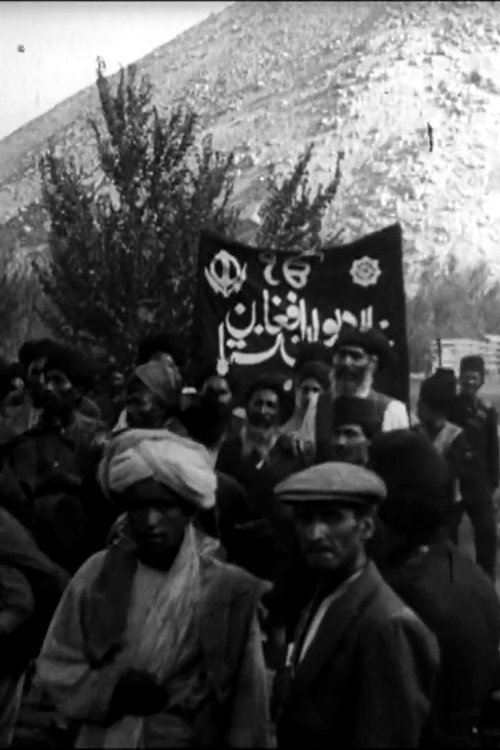
This Russian documentary offered tantalizing glimpses of Afghanistan, which in 1929 was still one of the few heavily-populated areas in the world where the residents continued to live as they did in the Middle Ages. A progressive new leader named Amnullah tries to "Westernize" the country, meeting plenty of resistance from native reactionaries.
Heart of Asia (Afghanistan)

Vladimir Erofeev was a key figure in the development of the Soviet travelogue during the late 1920s. See for example Far Away in Asia [Daleko v Azii, 1931] and The Roof of the World: An Expedition to Pamir [Krysha mira: ekspeditsiia na Pamir, 1927].
Far Away in Asia
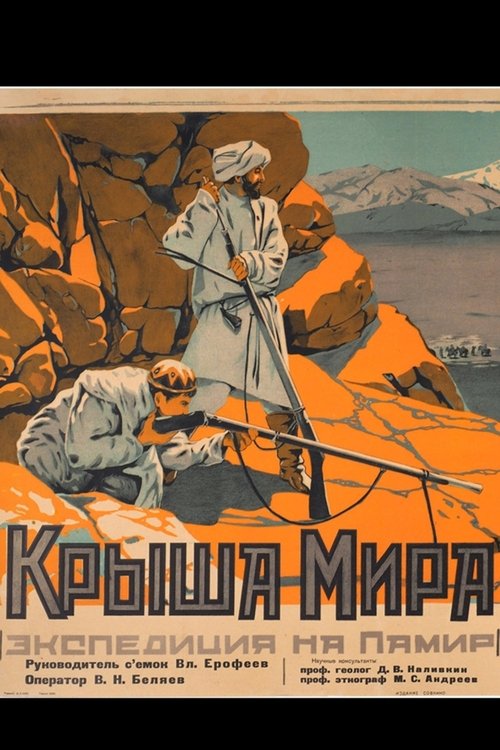
The film opens with an animated map. Starting off in Moscow, the center of the new empire, it leads through Samara and Orenburg to Tashkent, Osh, and further on to the Pamir Mountains of Central Asia. The crew is shown arriving in Osh, in present-day Kyrgyzstan, the expedition’s base. Camera records a picturesque bazaar, veiled women in the streets, and the expedition’s crew, horses, and camels, along with their heavy loads. After leaving Osh, the crew crosses the Taldyk Pass, and makes its first stop in the Alay Valley. Different elements of the trek are featured, including crossing mountain rivers, traversing snowy passes, and descending into valleys in bloom. In the Alay Valley the camera records the practices of the Kyrgyz nomads – constructing a tent, keeping goats, sheep, and horses, making dairy products, and working a traditional one-shuttle weaver’s loom. The community is presented as traditional and self-sufficient.
Roof of the World
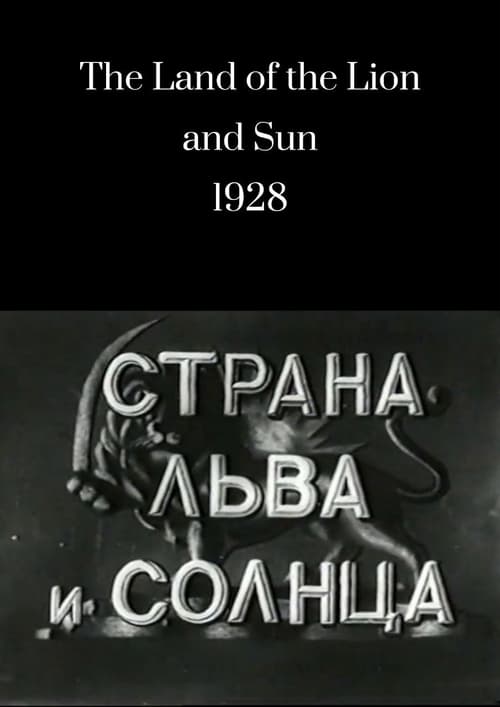
The 41-minute documentary directed by Vladimir Yerofeyev, is a 1928 Russian production. 'The Land of the Lion and Sun' has recorded different moments of Iranian people’s social life, the country’s general ambience, women’s clothing in the year 1921.
The Land of the Lion and Sun
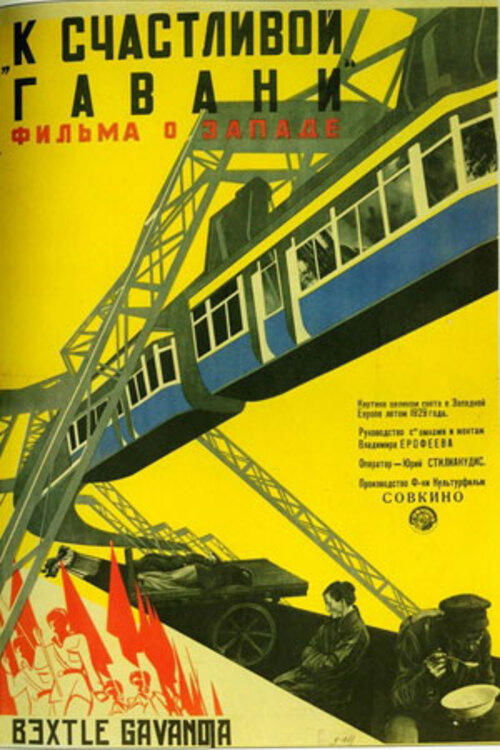
A film about Germany in the 1930s. A grandiose mural depicting the life of the country before the Nazis came to power.