Acting
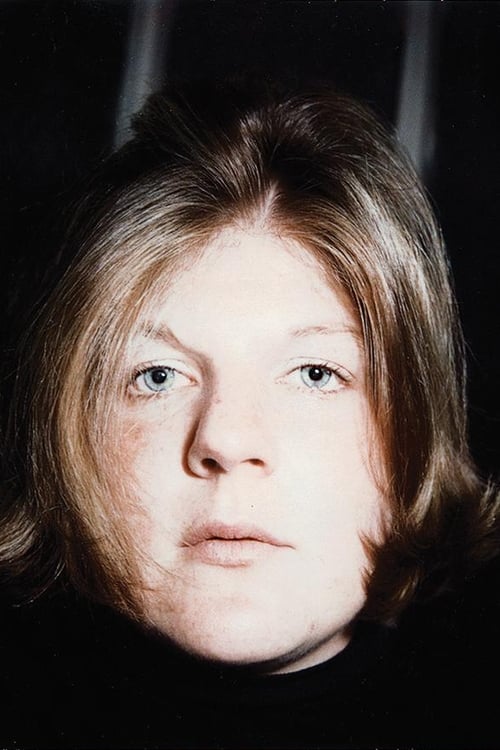
Brigid Berlin is an American artist and former Warhol superstar.
Beverly is the perfect happy homemaker, along with her doting husband and two children, but this nuclear family just might explode when her fascination with serial killers collides with her ever-so-proper code of ethics.
Hazel runs a beauty salon out of her house, but makes extra money by providing ruthless women the oppurtunity to perform hit jobs. L.T. is a parasite, and contacts Hazel looking for work after he runs out of money. She is reluctant to use him for a hit, since she prefers using women, but decides to try him on a trial basis. Meanwhile, the cop she pays off wants an arrest to make it look like he's doing his job, but Hazel doesn't want to sacrifice any of her "associates". The sleazy side of life is explored in this delightfully dark and deadpan film.
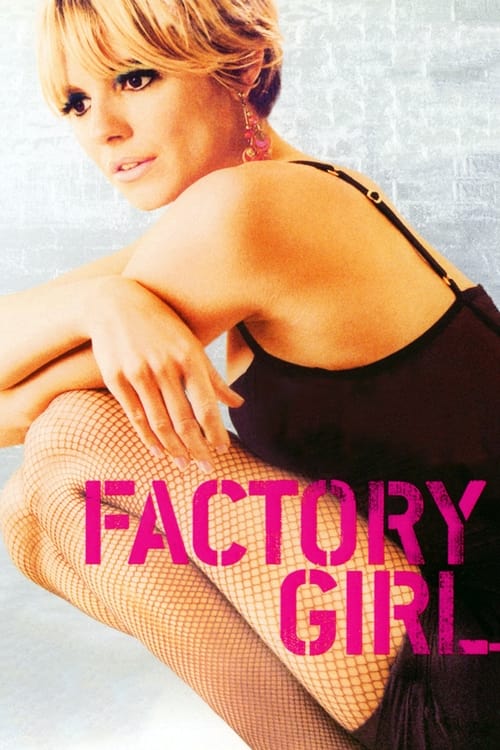
In the mid-1960s, wealthy debutant Edie Sedgwick meets artist Andy Warhol. She joins Warhol's famous Factory and becomes his muse. Although she seems to have it all, Edie cannot have the love she craves from Andy, and she has an affair with a charismatic musician, who pushes her to seek independence from the artist and the milieu.
A Baltimore teenager who picks up a second-hand camera starts snapping his way to stardom, soon turning into a nationwide sensation, with a fateful choice between his life and his art.
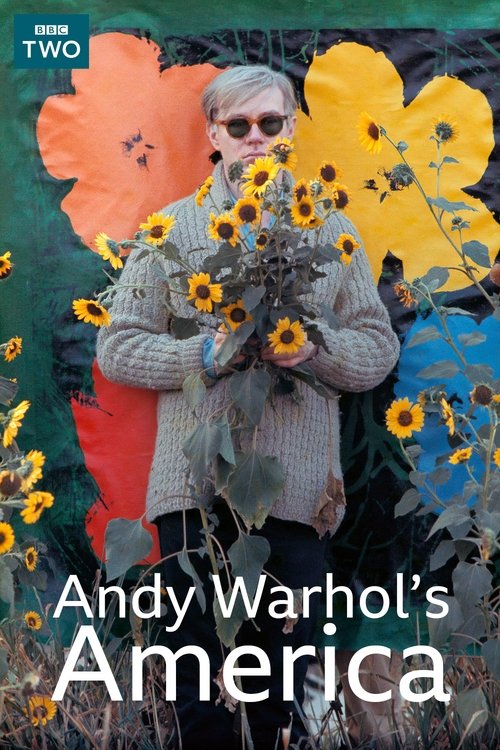
He was a pioneering artist and cultural icon and his work is a history of 20th-century America. A country reinventing itself as seen through an artist's eye. 3 part documentary looking at 20th century America through the life of Warhol.
A documentary on the legendary creator and victim of pop art. Warhol, revolutionary and controversial, was never afraid to break the mold and reshape the reals of art, advertising, and directing. But who was the real man being behind the colors in which he hid?
In a hypercompetitive world, drugs like Adderall offer students, athletes, coders and others a way to do more -- faster and better. But at what cost?
"Tub Girls" features Warhol superstar Viva lying in a bathtub with different people of both sexes, including Brigid Berlin (as Brigid Polk), who appeared fully clothed in the tub.
Joe Spencer, a member of a motorcycle gang, is taking a shower. After his bout with personal hygiene, Joe encounters Andy Warhol's "superstars," who engage him in conversation. The superstars crack jokes he doesn't understand and continually correct his poor pronunciation in an attempt to deflate his machismo. In response to these provocations, Joe becomes more obscene and more boasting, but ultimately, he cannot compete with the put-downs that are part of the put-on performances of the Warhol superstars, who prevail over him in the end.
Warhol's Factory visits Los Angeles.
Fiction and documentary mingle in a freewheeling portrait of Susan Superstar, a New York celebrity on a drug-fueled downward slide that mirrors Edie Sedgwick’s own self-destructive spiral.
Follows various residents of the Chelsea Hotel in 1966 New York City.
Candy is an aloof heiress caught in an unhappy relationship with her brother. Jackie is a virginal intellectual who believes women are oppressed in contemporary American society. And Holly is a nymphomaniac who has come to loathe men, despite her attraction to them. Together, they join a militant feminist group, P.I.G. (Politically Involved Girls), but their newfound liberation doesn't make them any happier.
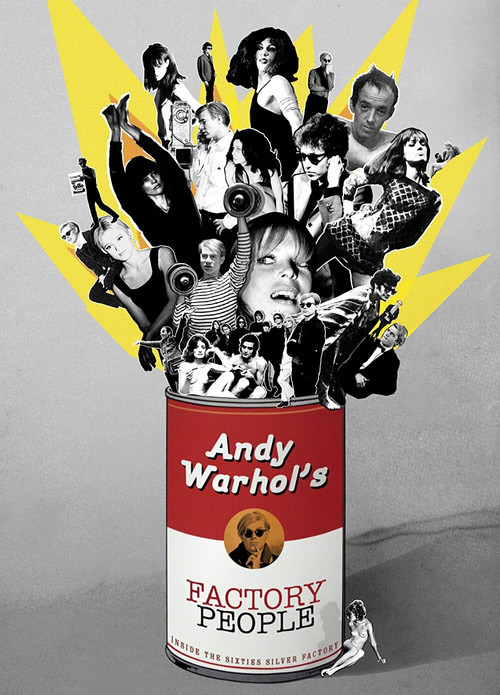
Takes an in-depth look at the lives and times of the people who hung out with Andy Warhol and "worked" at the Silver Factory during the Sixties, making it all click as a new counter-culture arose and began to exert its influence throughout the arts.
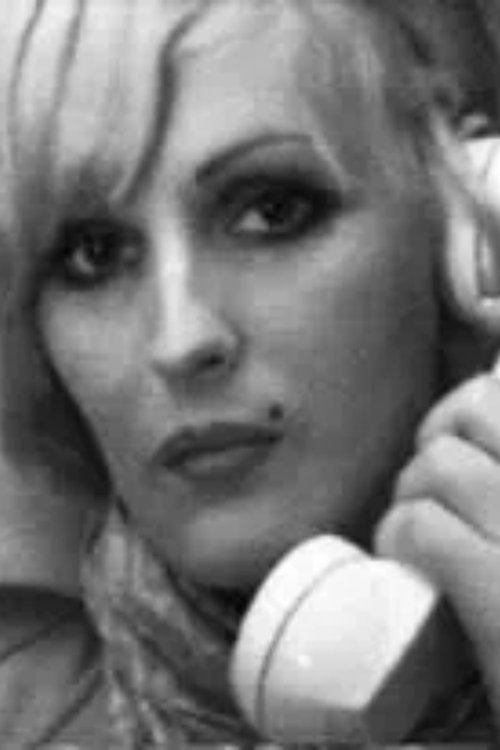
People call each other up just to fight, such a scene in which Brigid Berlin fights on the phone with her mother about her weight and gorges herself with cream pies in bed.
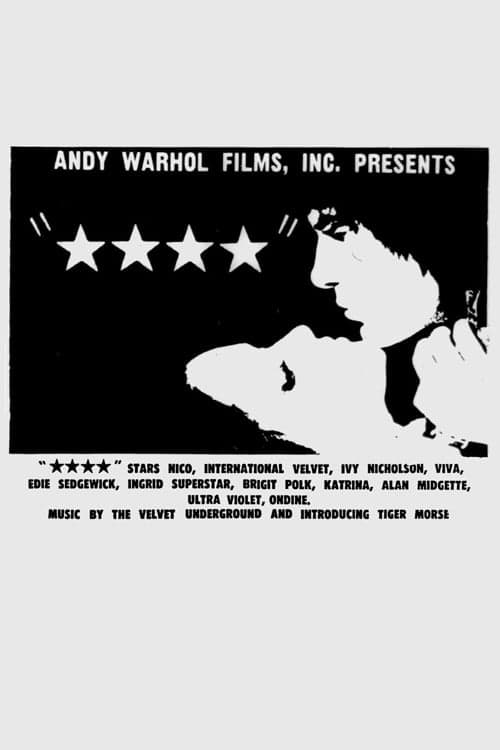
Photographed entirely in color, Four Stars was projected in its complete length of nearly 25 hours (allowing for projection overlap of the 35-minute reels) only once, at the Film-Makers' Cinematheque in New York City. The imagery in the film is dense, wearying and beautiful, but ultimately hard to decipher, for, in contrast to his earlier, and more famous film Chelsea Girls, made in 1966, Warhol insisted that two reels be screened simultaneously on top of each other on a single screen, rather than side-by-side. The film's title is a pun on the rating system used by critics to rank films, with "four stars" being the highest rating. From Wikipedia.
Andy Warhol, one of the most influential artists of the 20th century (who also coined the immortal catchphrase "In the future, everyone will be famous for 15 minutes"), gets the definitive treatment. This film includes a look into his inner circle and examines both his artistic and personal impact on society. From day-glo Marilyns and Elvises to Campbell's Soup cans to the groovy 1960s and '70s, step into the limelight of the Warhol world.
The documentary explores the enigma of actress and artist Mary Woronov and chronicles her colorful career trajectory as a ground breaking female performer starting from her work with Andy Warhol to Roger Corman, that sealed her reputation as a "Cult Queen".
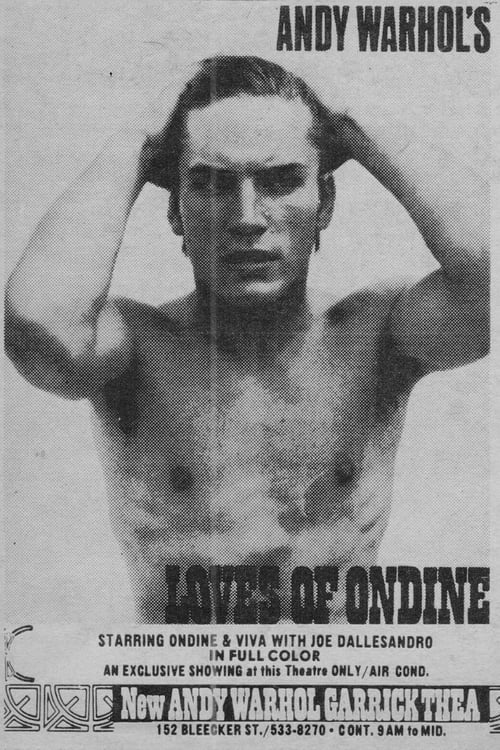
Ondine is a gay man attempting to re-adjust his sexuality via various encounters with different women. After trying his luck with three women, Ondine becomes a background character in a sequence in which a group of Latin American men, calling themselves The Bananas, engage in a food fight. Ondine then engages in a wrestling match with Joe Dallesandro, who is married to Brigid Berlin.
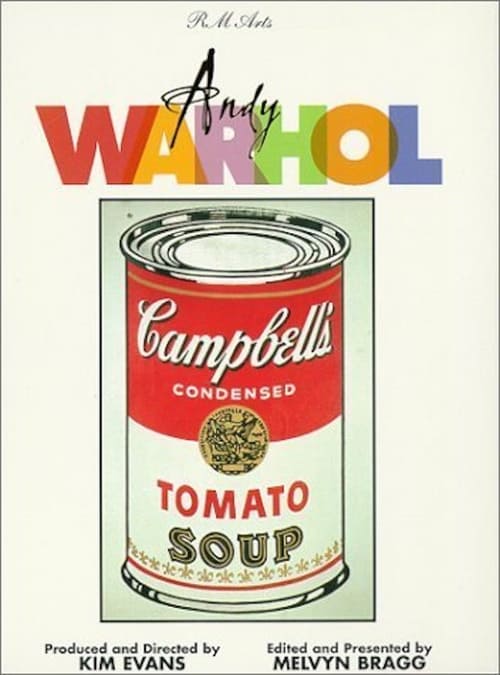
The first major profile of the American Pop Art cult leader after his death in 1987 covers the whole of his life and work through interviews, clips from his films, and conversations with his family and superstar friends. Andy Warhol, the son of poor Czech immigrants, grew up in the industrial slums of Pittsburgh while dreaming of Hollywood stars. He went on to become a star himself.