Earl Robinson
Sound
Known For
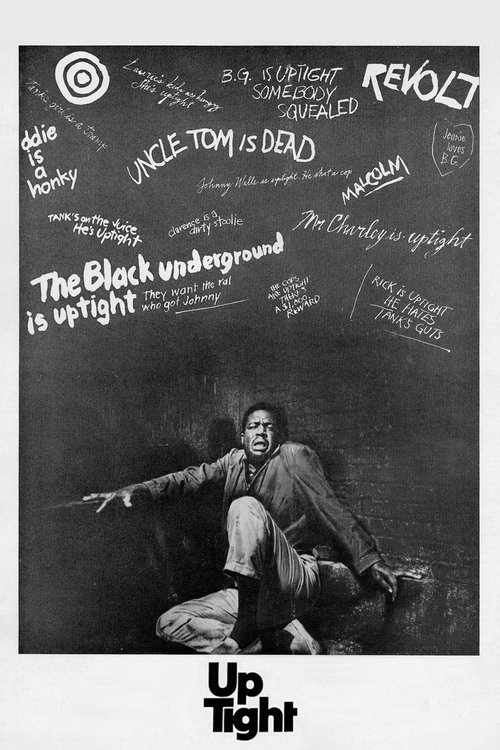
Set against the backdrop of a community mourning the recent MLK assassination, Black militants building up an arsenal of weapons in preparation for a race war are betrayed by one of their own.
Uptight
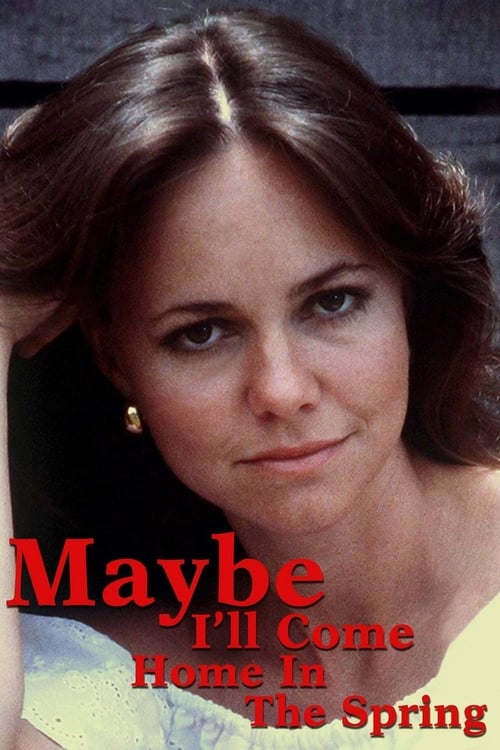
Dennie has returned from a year among the hippies to her superficial, image-conscious suburban family. She must face their disapproval of her actions. They refuse to even try to understand. She must also deal with an ex-lover, and a beloved young sister who is following in her footsteps, wanting the idealistic hippie life but making some rash decisions in the process.
Maybe I'll Come Home in the Spring
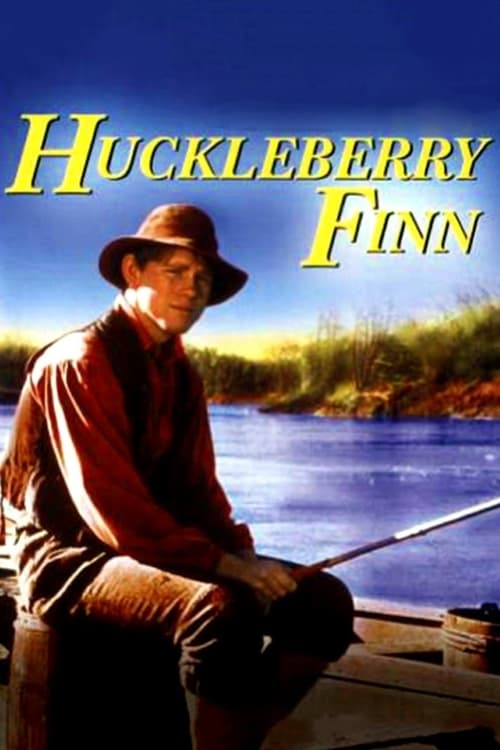
Huckleberry Finn, a rambuctious boy adventurer chafing under the bonds of civilization, escapes his humdrum world and his selfish, plotting father by sailing a raft down the Mississippi River. Accompanying him is Jim, a slave running away from being sold. Together the two strike a bond of friendship that takes them through harrowing events and thrilling adventures.
Huckleberry Finn
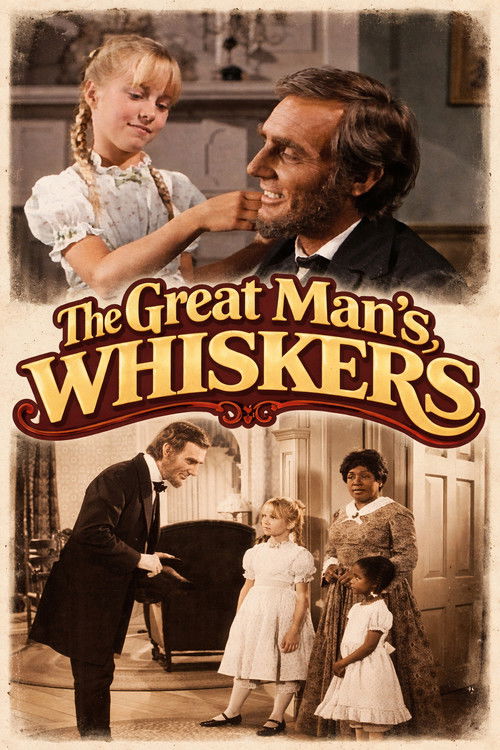
A young girl writes to President Abraham Lincoln to advise him to grow a beard.
The Great Man's Whiskers

A mysterious Civil War veteran courts a Missouri farmer's daughter amid postwar unrest.
The Romance of Rosy Ridge
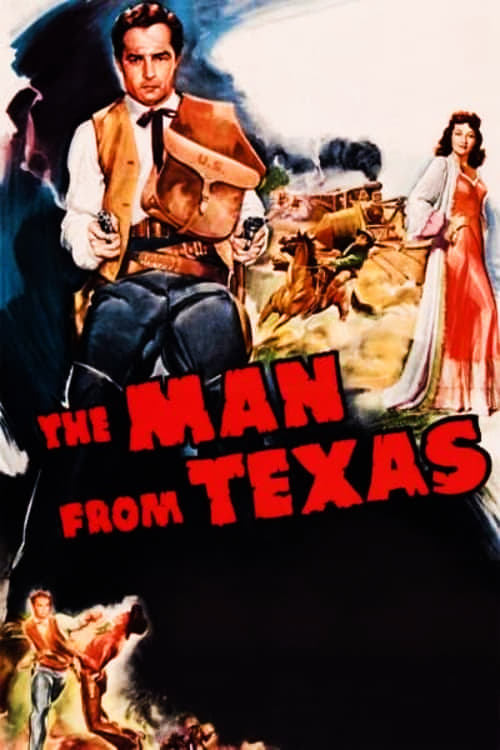
James Craig is torn between his criminal career as the masked bandit named the "El Paso Kid," and the life of a law-abiding citizen with his long-suffering wife Zoe. He repeatedly tells Zoe, "just one more time," but he is unable to stop which angers her greatly. However, he does have brief moments of heroics such as when he helps the Widow Weeks save her farm.
The Man from Texas
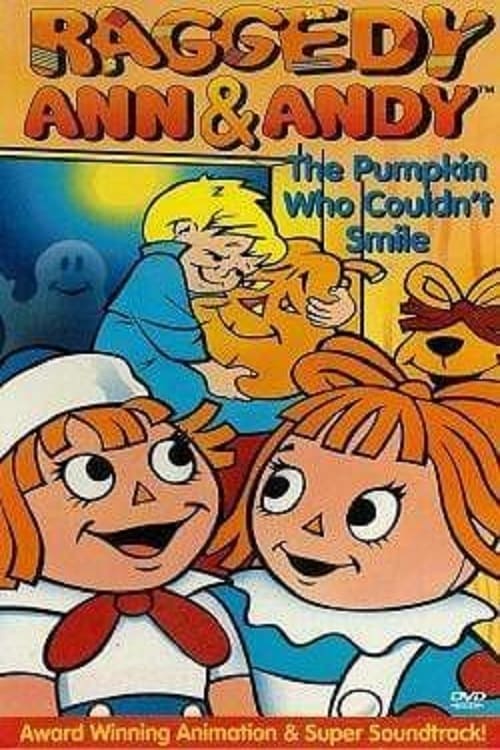
Aunt Agatha threatens to call the police on innocent trick-or-treaters. Her nephew, Ralph, would love to be out with them. But what he wants most of all is a pumpkin. From across the street, Raggedy Ann and Andy watch the drama unfold. Andy is furious at Agatha for preventing the boy from enjoying the wonderful, horrible holiday. Ann, with her irritating insistence on fairness, decides that Agatha has merely forgotten what it's like to be young. The pressing matter ahead is getting Ralph a pumpkin. Andy scoffs at the idea of finding one at this late date. Ann reasons that if there's a little boy who needs a pumpkin, there must be a pumpkin who needs a little boy. She's right. Not far away, a miserable pumpkin is blubbering out pumpkin seed-tears because no one wants him for Halloween.
Raggedy Ann and Raggedy Andy in the Pumpkin Who Couldn't Smile
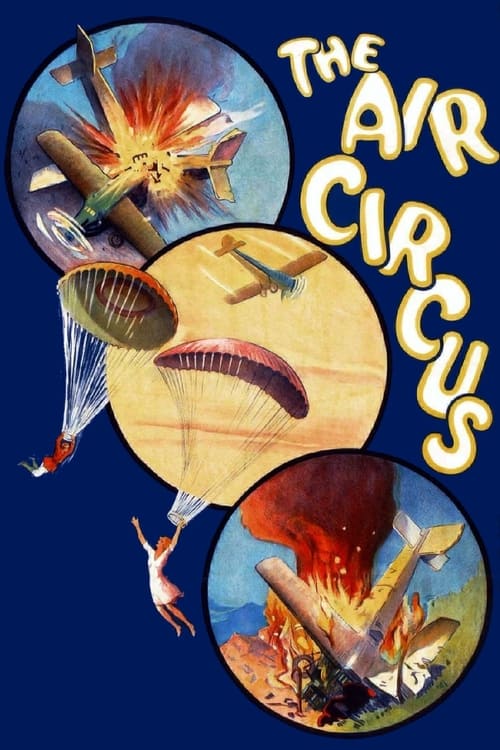
Lost film. Two eager young pilots at flight school compete over their flight instructor's aviatrix sister.
The Air Circus
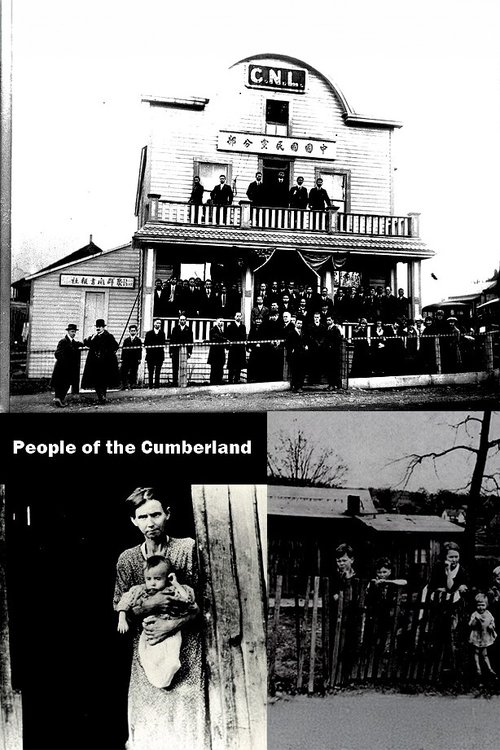
The film takes place in rural Tennessee, where communities have experienced economic and environmental devastation created by the coal mining industry. The introduction of the Highlander Folk School in 1931 by educator Myles Horton and the movement to bring labor union representation to the region are shown as means of empowering the population. Efforts are made to stop the union activities with the murder of a local organizer, but eventually the union movement is able to take root with the local workforce.
People of the Cumberland
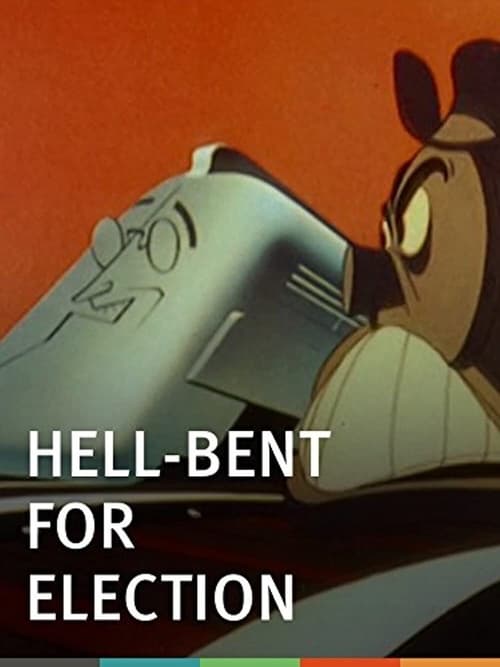
A full-blown re-election piece for President Franklin Delano Roosevelt at the expense of Republican presidential candidate Thomas Dewey. Roosevelt is depicted as a streamlined diesel express train in a race against Dewey, a worn-out steam train. The public is admonished to "get behind the president and stay the course to victory."
Hell-Bent for Election
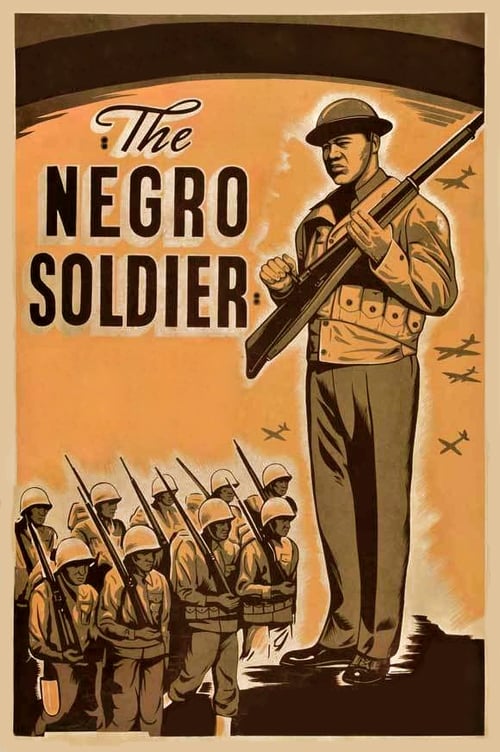
Documentary focusing on the contributions to the American war effort of African-American soldiers.
The Negro Soldier
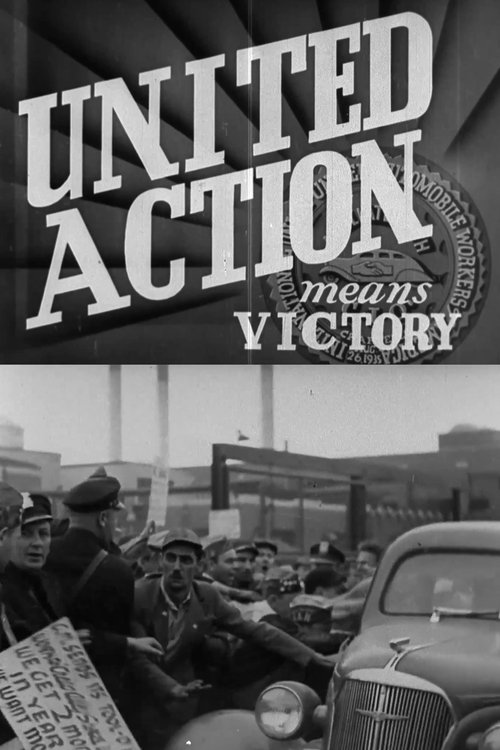
Documentary detailing the 1939 strike by the Tool and Die Makers union against General Motors.
United Action Means Victory
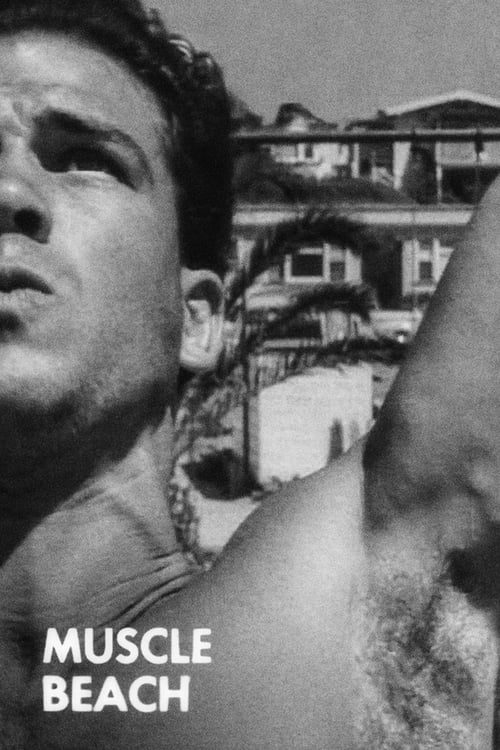
Muscle Beach was shown in competition at Cannes in 1949 and won a prize at the Edinburgh International Film Festival in 1951. The short became a cult favorite, screening at film clubs around the world. Strick used an army surplus movie camera to shoot the film during weekends in the fall of 1948. The songs in “Muscle Beach,” composed and sung by political folk singer Earl Robinson, with lyrics by screenwriter and poet Edwin Rolfe, accent the film’s three-movement structure as it transitions between soaring gymnastics shows, flirty beachgoers and children playing near the now-demolished pier at Ocean Park. Preserved by the Academy Film Archive in 2009.