Directing
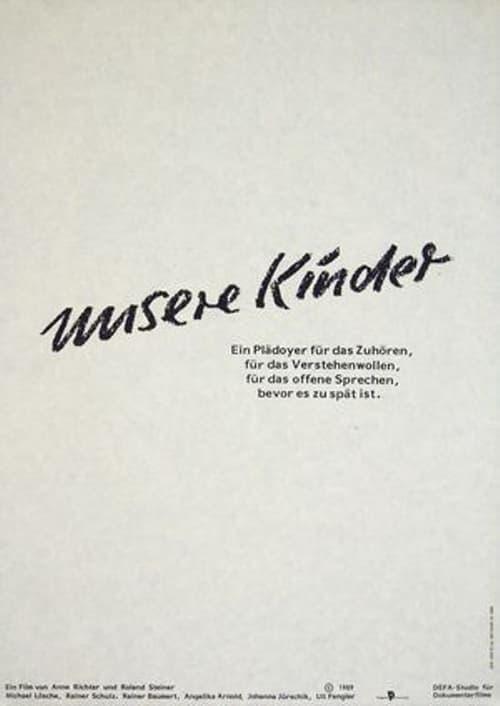
From an official perspective, marginal youth culture did not exist in East Germany. The topic of subcultures was taboo in the GDR, and groups such as goths, skinheads, anti-skins, punks and neo-Nazis were dismissed as social deviations promoted by western countries. Director Roland Steiner had access to such young East Germans in the late 1980s. Over the course of four years, he brought them before the camera in an attempt to understand what drew them to these groups.
The documentary tells the story of Anke, Birgit and Katrin, who are training to become cattle breeders and graduate from high school. During this time, they live in a boarding school. The three girls talk about their everyday lives and reflect on their future.
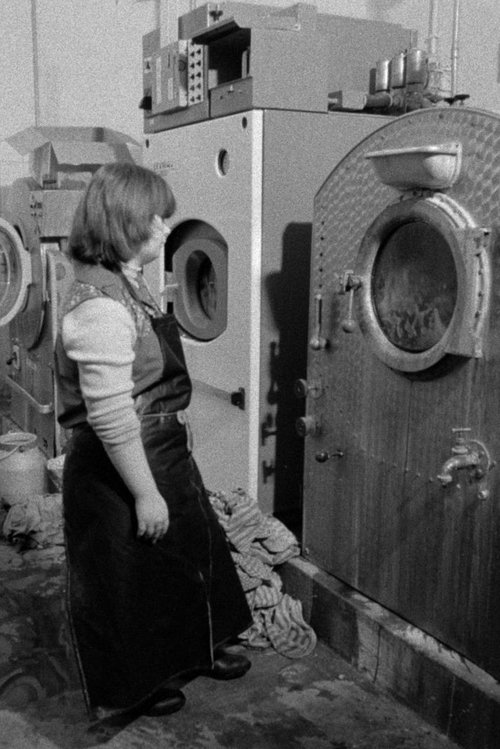
Teenagers at risk who are cared for and trained in a "Jugendwerkhof", a borstal - a problem almost totally suppressed officially. The film enquires after the causes and chances for the future.
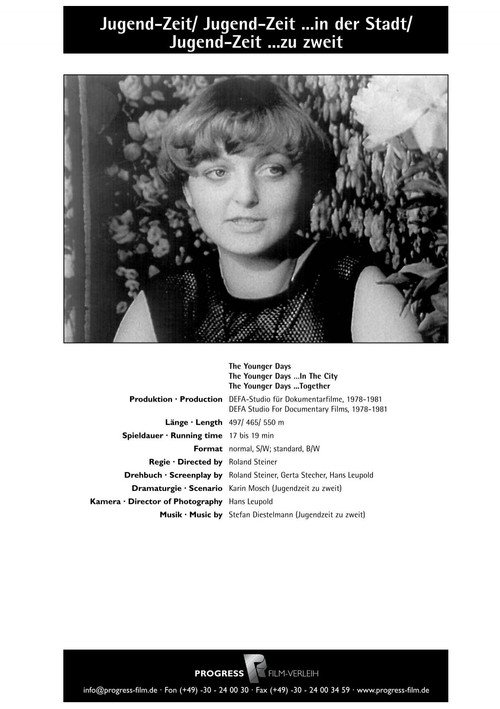
Young people discuss life problems such as moving into their first apartment, but also how to shape their own future.
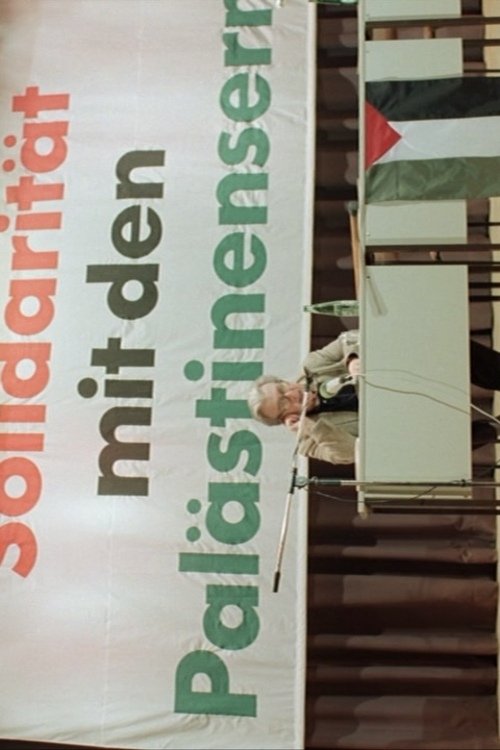
Born in the year 1921, Erich Fried, the son of jewish parents, had to leave his Austrian home in 1938. He emigrated to London and became a writer. He faced the public, both in his readings and in personal discussions. His own fate (he was suffering from cancer) remained in the background. He fought for his idea "The whole world or nothing!"
Young people talk to the camera about their ideas of marriage and plans for their future lives.
This film describes a yearning for beauty and gentleness. The philosopher Lothar Kühne was especially concerned with how we live and build. He applied his own ideas about the traditional house to his Villa Rotonda in Vincenza, Italy, not grand, but homely and marvellous. Here he developed his dream of the New House, achallenge to the concrete confines of urban living. In the film, La Rotonda is the motif of yearning which helps to explain Kühne's rigorous dedication to change and to convey the mental and physical torment he felt in the face of the concrete jungle. In November 1985 Prof. Lothar Kühne sought solace in the sea. This film is an indictment of ignorance and stupidity, a plea for sensitivity towards creative minds.
Nine very private encounters with different people of the post-war generation and their memories of childhood and youth. Among others, the guitarist and singer Peter "Caesar" Gläser and the actress Christine Harbort. Roland Steiner asked his contemporaries about - "What we remember ...". All interviewees are as old as the state they live in. Nine CVs from the GDR are described. They have different professions, from skilled worker and scientist, nurse and saleswoman, actress or rock musician, even a minstrel is included. They remember what shaped them: Family, school, birthdays and hot summers, the happy moments and their own failures.