Gertraud Last
Acting
Known For

Polizeiruf 110 is a long-running German language detective television series. The first episode was broadcast 27 June 1971 in the German Democratic Republic, and after the dissolution of Fernsehen der DDR the series was picked up by ARD. It was originally created as a counterpart to the West German series Tatort, and quickly became a public favorite.
Polizeiruf 110
Der Staatsanwalt hat das Wort was an East German television series.
Der Staatsanwalt hat das Wort
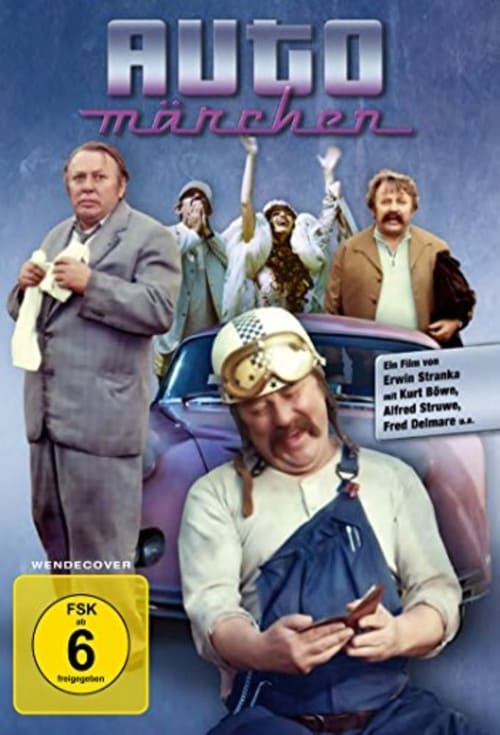
This quirky episodic comedy weaves together three plotlines centered around the employees of a car garage, with some unexpected fairytale elements to get things moving. A woodland fairy convinces shy bookkeeper Piel to suddenly start driving his Trabi far above the speed limit. Manager Neumann sells his soul to a black cat in order to purchase a more respectable vehicle. And a spirit named "Car Accident" offers to warn owner Sengebusch about upcoming traffic accidents so he can make money by always being the first on the scene.
Automärchen
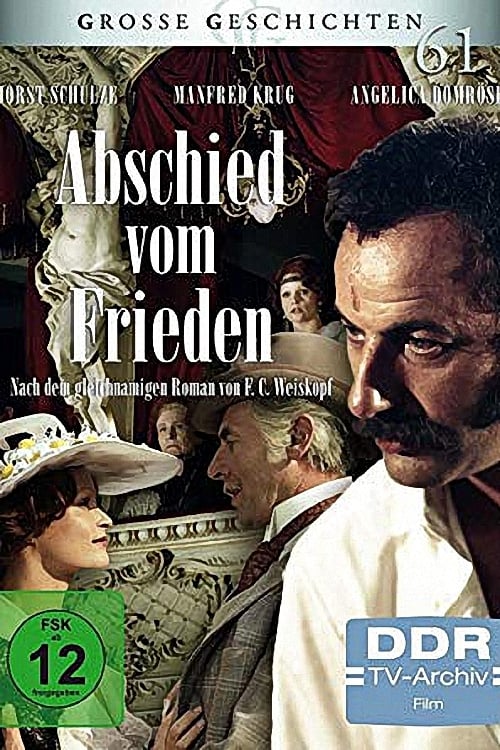
Prague 1913: The family of newspaper publisher Alexander Reither, traditionally reunited for a New Year's dinner, moves along convoluted and secretive paths in everyday life. Granddaughter Wally is impressed by the opaque businessman Marko Gelusich. Her cousin Adrienne meets the young socialist Joseph Prokop at an illegal anarchist meeting. On a business trip to Vienna, Alexander Reither falls in love with Irene v. Claudi. Adrienne wants to move completely into Joseph Prokop's proletarian world, but her mother Kalivoda makes her a painful announcement. Joseph already has a girl. Alexander finds Irene v. Claudi in Budapest. They spend happy days in Vienna. In Prague, the printing workers go on strike. Adrienne fights alongside the workers and Robert Kalivoda. She experiences class struggle with her cousin Guido Frank. Alexander tries to introduce Irene to the family.
Farewell to Peace
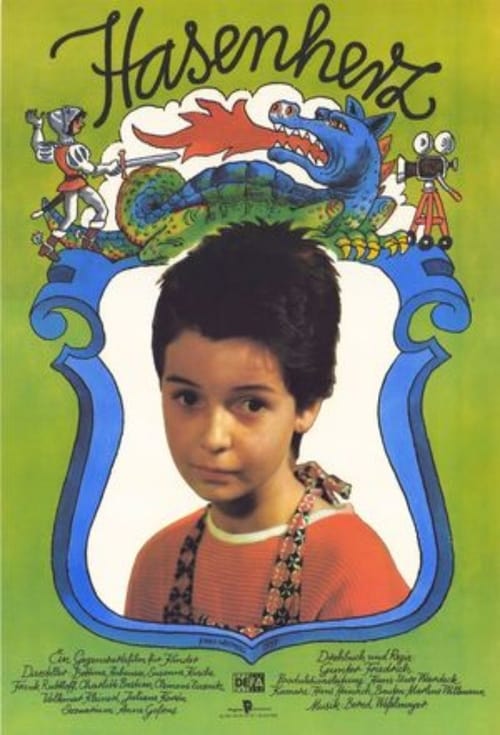
The thirteen year old Janni is depressed, because she's still a little behind in her physical development. This leads to bullying remarks from her classmates. One day, a film crew comes to her school to find a candidate for the role of a Prince in a movie. They choose Janni, who they think is a boy. She takes on the role. At school, she tells her classmates she plays a Princess. When the moment of truth approaches she must find the self-confidence to invite the class to the premiere.
Rabbit Heart

Ralph grows up in pre-war Dresden as the eldest son of a principled and orderly streetcar conductor. With the rise to power of the Nazis, the war, the collapse and the hesitant new beginning, his firmly established middle-class world is also thrown off course. His father is one of the first to be called up to the front. His mother is left alone with the responsibility for Ralph and his younger brother Achim. In the air-raid shelter, during the nights of bombing and later in the daily struggle against misery and hunger, the mother quickly abandons all moral baggage and develops a pragmatic will to survive, for which she admires Ralph. At the same time, the boy is frightened by his mother's desperate claim to happiness because he perceives her affairs as a betrayal of his father, who has gradually faded into a symbol of a happy, carefree childhood.
Meines Vaters Straßenbahn
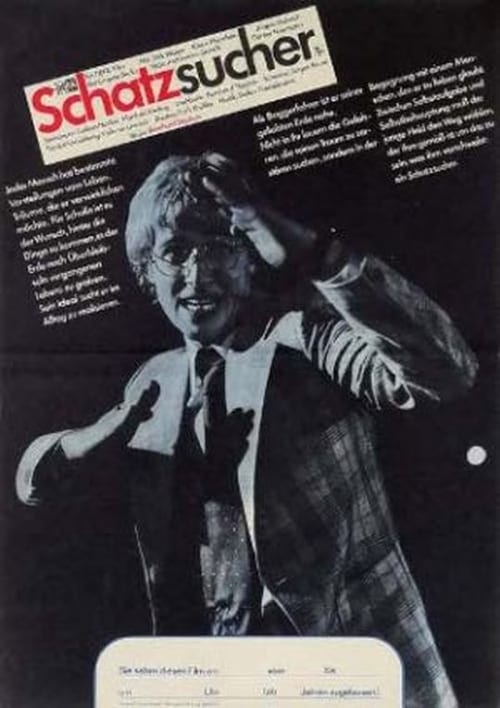
The 18-year-old construction worker Schultzendorf, known as Schulle, sets off for Berlin from his home town of Ankershagen. He is taken with the Marzahn construction site. He dreams of making archaeological finds there. He searches every excavator load for treasures, which not only earns him ridicule, but also the anger of his colleagues because he delays the work. They try to change his mind and get him a wife. This fails, but Schulle finds one himself - the slightly older Helga, who needs his help to get away from her divorced husband. Once she has succeeded in doing so, she breaks away from Schulle, whose youthful impetuosity unsettles her.
Schatzsucher
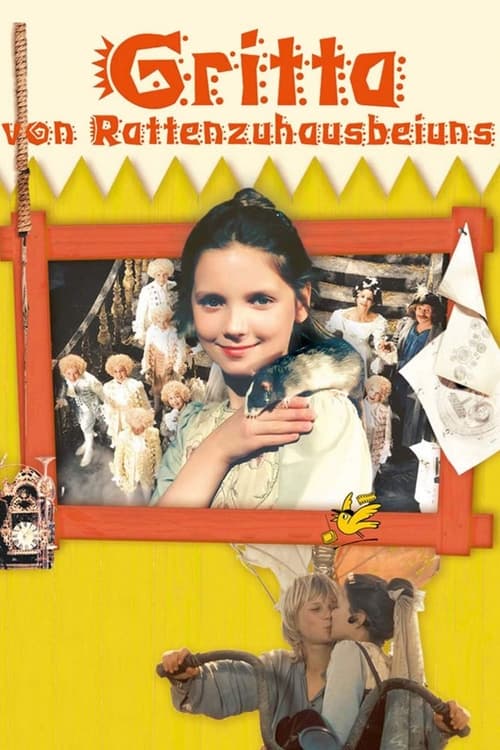
The tale of young Gritta who lives with her father, an unsuccessful inventor. When her new stepmother tries to put her away in a convent she discovers some dark secrets there.
Gritta of the Rats' Castle
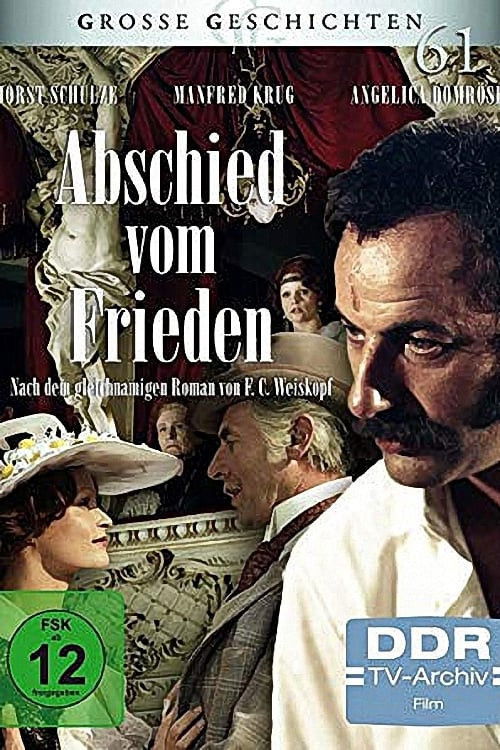
Prague 1913: The family of newspaper publisher Alexander Reither, traditionally reunited for a New Year’s dinner, moves along convoluted and secretive paths in everyday life. Granddaughter Wally is impressed by the opaque businessman Marko Gelusich. Her cousin Adrienne meets the young socialist Joseph Prokop at an illegal anarchist meeting. On a business trip to Vienna, Alexander Reither falls in love with Irene v. Claudi. Adrienne wants to move completely into Joseph Prokop’s proletarian world, but her mother Kalivoda makes her a painful announcement. Joseph already has a girl. Alexander finds Irene v. Claudi in Budapest. They spend happy days in Vienna. In Prague, the printing workers go on strike. Adrienne fights alongside the workers and Robert Kalivoda. She experiences class struggle with her cousin Guido Frank. Alexander tries to introduce Irene to the family.
Abschied vom Frieden

Karl Erp is a middle-aged man with two children and a boring marriage. After starting an exciting affair with his intern, Miss Broder, he leaves his loveless marriage and moves in with his lover. Under pressure from Miss Broder’s mother, Karl once again promises marriage. He finds, however, that the excitement that drew him to her in the first place doesn’t carry over into their daily lives.
Backhouse Bliss
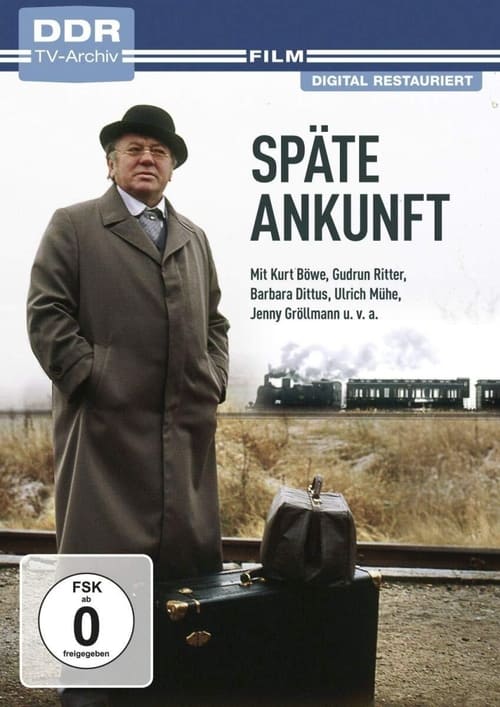
In 1896 the Berlin noble doctor Dr. Wilhelm Holtfreter takes over his well-to-do wife Mathilde and takes over the country doctor's office in the Prussian district of Westprignitz from the late Dr. Tochtenhagen. His decision was met with incomprehension everywhere.
Späte Ankunft
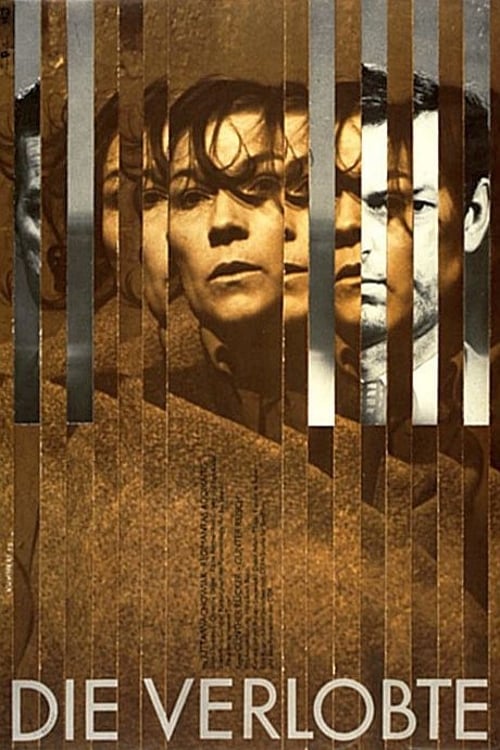
The wrenching story of a woman sentenced in 1934 to ten years in prison for antifascist activities. The love between her and her fiancée enables her to survive the tribulations of her time in prison, where she is one of few political prisoners.
The Fiancee
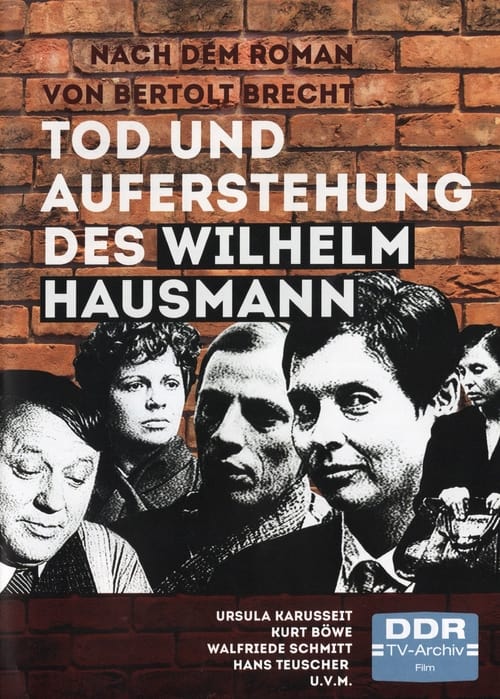
In the crisis-ridden Germany of the 1920s, the desperate Frieda Hausmann pretends to be her deceased husband Wilhelm so that she can support her family by employing him as a porter.
Tod und Auferstehung des Wilhelm Hausmann
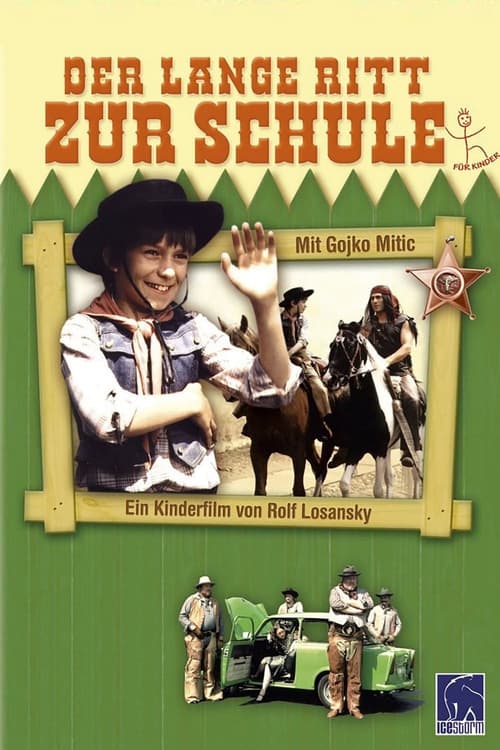
A young boy fantasizes his way to school into a battle between cowboys and Indians, where the bad guys want to steal some gold medals. Real events and fantasy interacts in his mind.
A Long Way to School
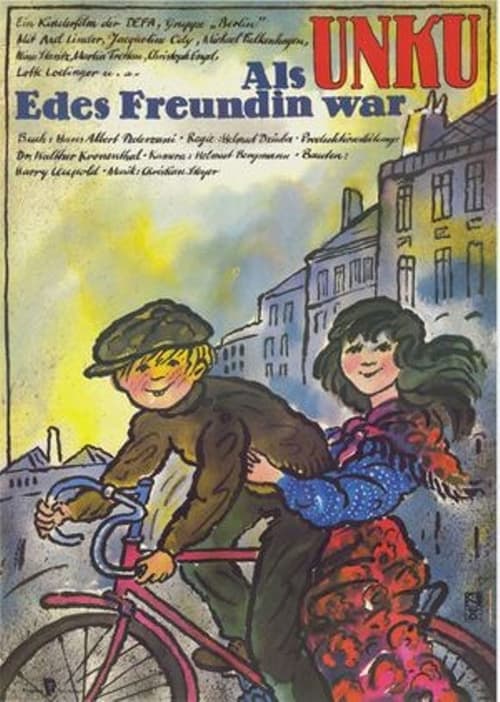
Ede falls in love with Unku, a girl from a travelling circus. Love cannot run smoothly however because Unku is a Gypsy. Various adventures take place before love is finally allowed to run its natural course.
When Unku was Ede's Girlfriend
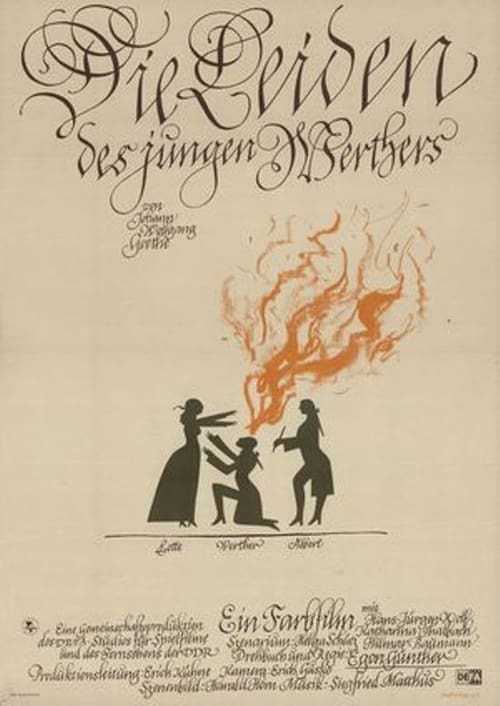
The young and rebellious Werther is passionately, but hopelessly, in love with Lotte. Although he knows that she is married to somebody who can offer her a secure future, Werther tries to be near her. Lotte cannot decide between these two men. She eventually rejects Werther, who does not survive her decision.
The Sorrows of Young Werther
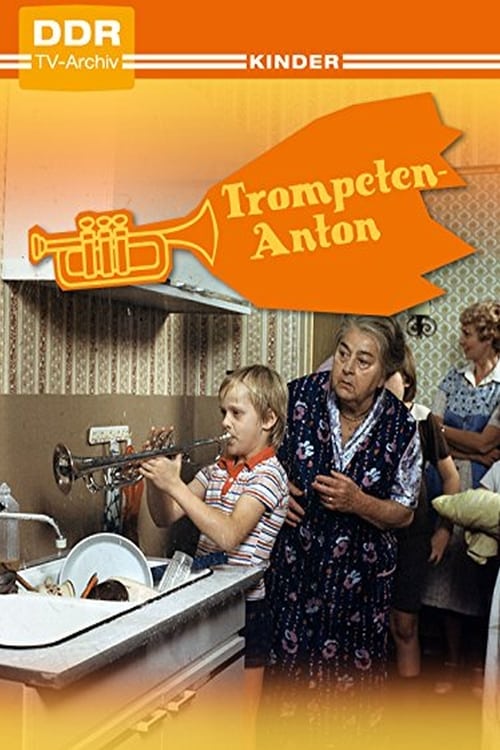
Anton and his family moved into a high-rise building. In order for the new neighbors to accept his trumpet music, he has to perform a little "miracle" with the instrument.
Trumpeter Anton
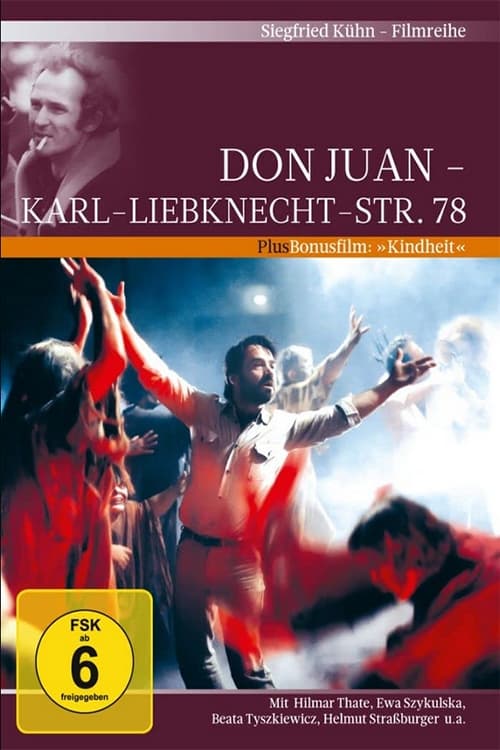
In a backwater town, opera director Andrej Wischnewsky is supposed to put on a production of Mozart's "Don Giovanni".
Don Juan, Karl-Liebknecht-Str. 78
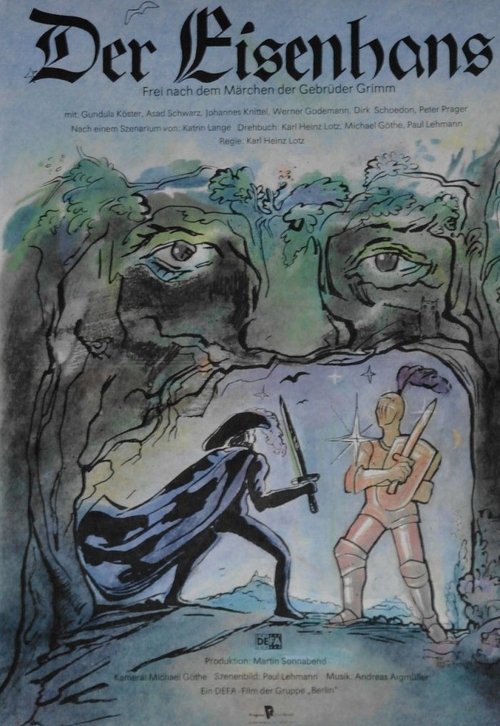
In a king's kingdom there is a forest so dangerous that every man who goes into it is never heard from again. Iron Hans, who is responsible for the deaths, is found at the bottom of a lake and locked up in the king's palace
Iron Hans
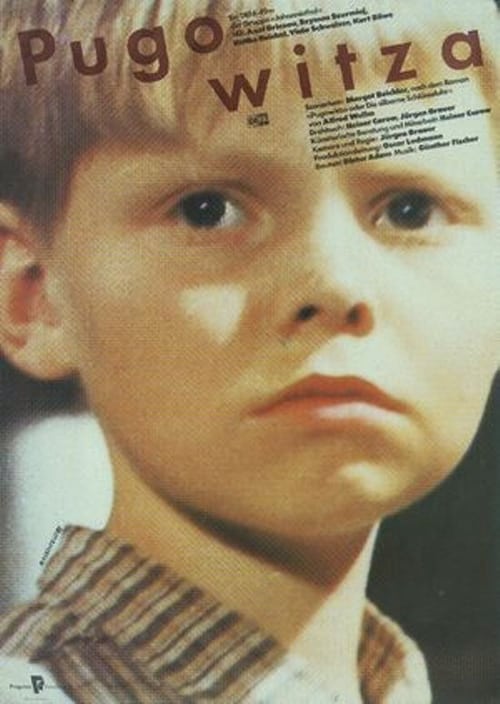
World War II is over and Heinrich, a young German boy, influenced by the Russians, starts to act according to Communist principles in a small German village.