Acting
Polizeiruf 110 is a long-running German language detective television series. The first episode was broadcast 27 June 1971 in the German Democratic Republic, and after the dissolution of Fernsehen der DDR the series was picked up by ARD. It was originally created as a counterpart to the West German series Tatort, and quickly became a public favorite.
Der Staatsanwalt hat das Wort was an East German television series.
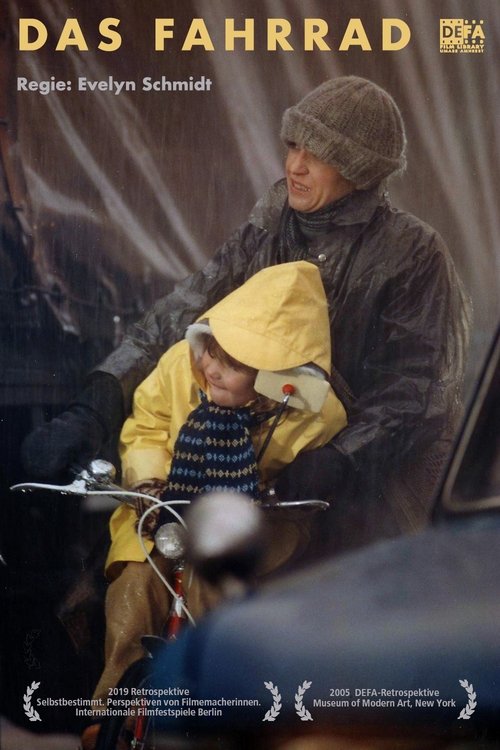
Susanne is a young single mother who lives a somewhat "carefree" lifestyle. After quitting her job, she finds herself in trouble financially and attempts a minor insurance fraud to make ends meet. Despite its rare view of everyday socialism from a woman's perspective, East German officials were critical of this frank portrayal of a less-than-ideal socialist citizen and turned down all invitations for the film to be screened abroad.
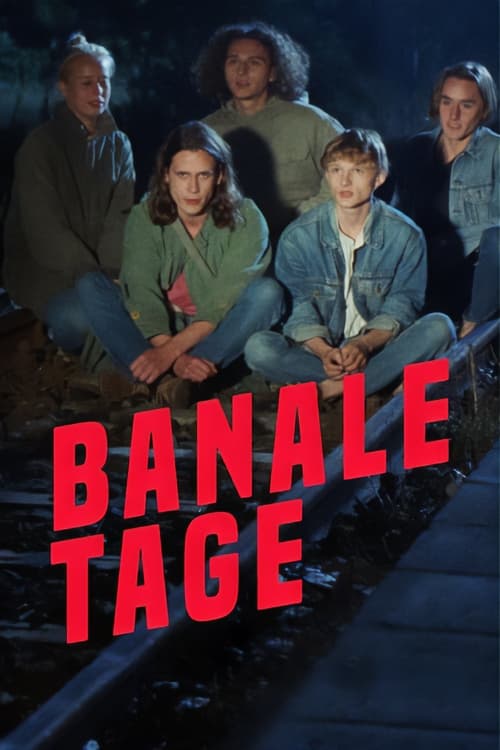
In East Berlin in the late 70s, two boys meet one evening in a disco: Thomas, who is from a working class family and is doing an apprenticeship, and Michael, a 16-year-old school pupil from an educated middle-class family. They both miss the tram home and walk together instead, ending up at Michael’s house where they discuss God and the world into the early hours. Following this encounter the two boys enter into an unusual friendship, united by their mutual desire to get away from the phoniness, the limitations and the restrictions of their parents and of society.
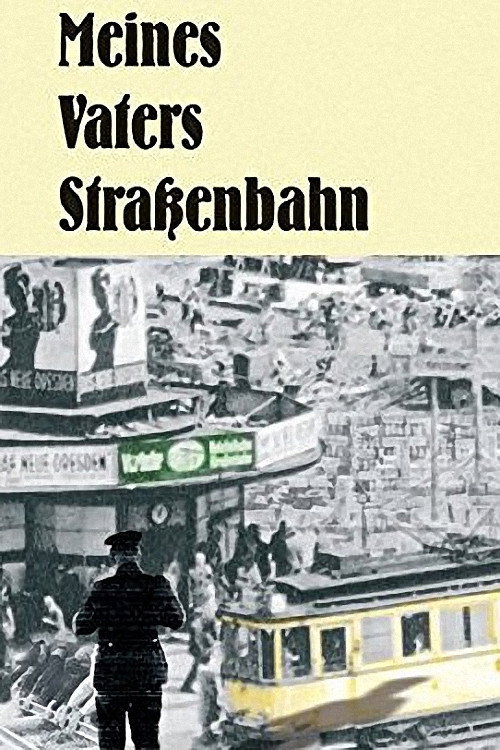
Ralph grows up in pre-war Dresden as the eldest son of a principled and orderly streetcar conductor. With the rise to power of the Nazis, the war, the collapse and the hesitant new beginning, his firmly established middle-class world is also thrown off course. His father is one of the first to be called up to the front. His mother is left alone with the responsibility for Ralph and his younger brother Achim. In the air-raid shelter, during the nights of bombing and later in the daily struggle against misery and hunger, the mother quickly abandons all moral baggage and develops a pragmatic will to survive, for which she admires Ralph. At the same time, the boy is frightened by his mother's desperate claim to happiness because he perceives her affairs as a betrayal of his father, who has gradually faded into a symbol of a happy, carefree childhood.
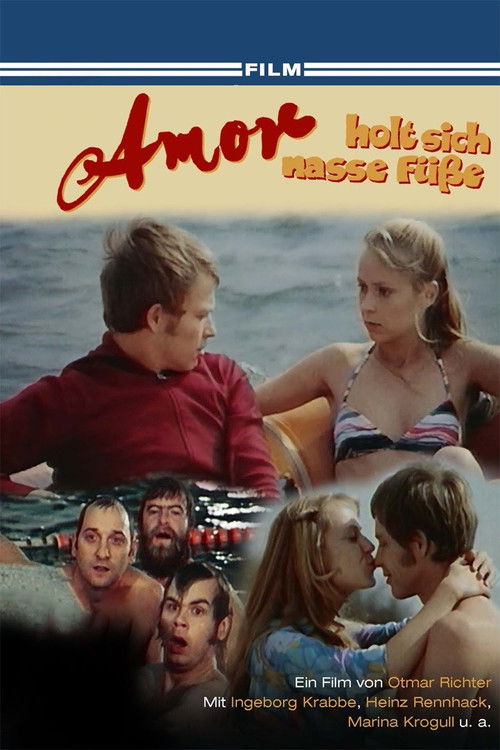
A young woman does everything she can to catch the eye of her chosen one. In the end, she even goes into the water - wearing a diving suit. A cheerful underwater love story for GDR television, which also casually promotes the diving section of the pre-military Society for Sport and Technology in the GDR.
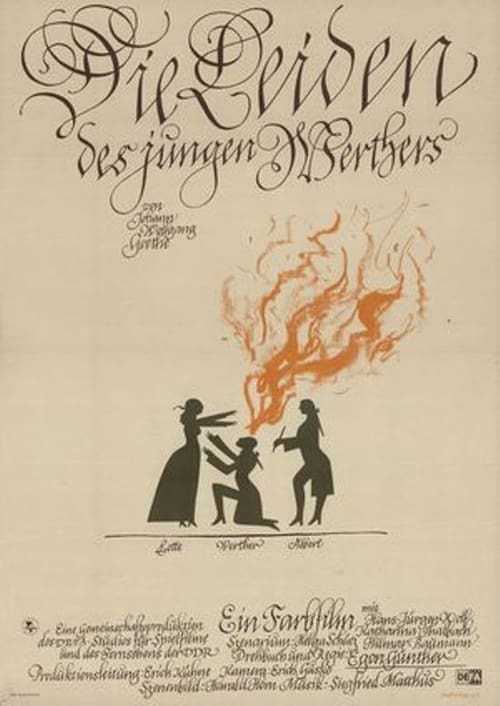
The young and rebellious Werther is passionately, but hopelessly, in love with Lotte. Although he knows that she is married to somebody who can offer her a secure future, Werther tries to be near her. Lotte cannot decide between these two men. She eventually rejects Werther, who does not survive her decision.
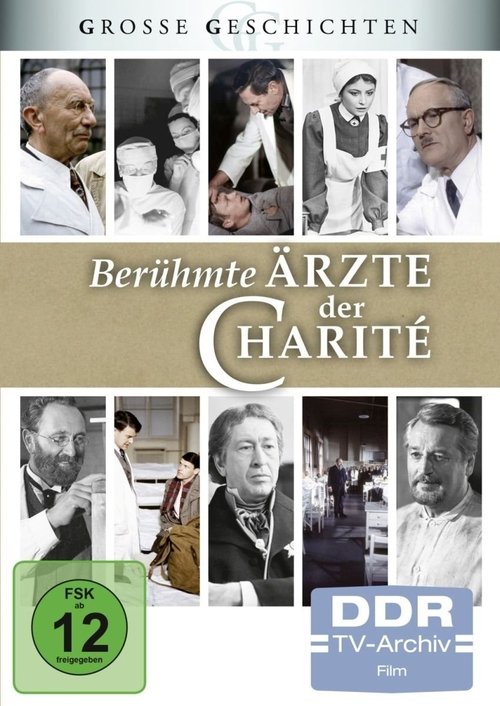
The six-part film series tells in impressive stages of the work of important doctors at the internationally renowned Berlin hospital in its medical and contemporary historical scope. The period spans the beginning of the 19th century to the Second World War, bringing the viewer close to the work of great medical professionals: Robert Koch, Ferdinand Sauerbruch, Rudolf Virchow and others. Film overview: • "The man from Jena" (Christoph Wilhelm Hufeland). • "The Little Doctor" (Rudolf Virchow) • "Krisis" (Robert Koch). • "Doctor in Uniform" (Theodor Brugsch and Georg Friedrich Nicolai). • "The seemingly impossible" (Walter Stoeckel) • "Die dunklen Jahre"(Ferdinand Sauerbruch)
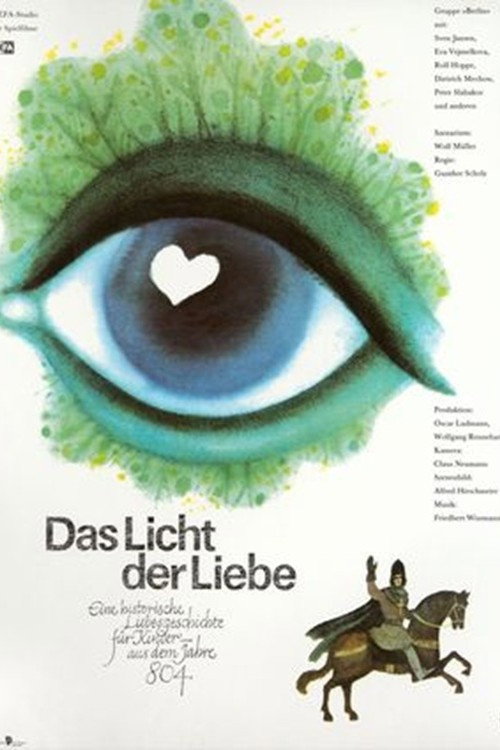
804, Thuringia. An orphan boy, called Bengel, lives in a monastery and is teased by the nuns because of his ugliness. He nurses a black rider, who is shunned by everyone and is said to have the plague, back to health. The rider tells him about the missing Bogumil, son of the Slavic king Slavomir, who was to marry Reglindis, the daughter of the Margrave of Thuringia, by order of Charlemagne. And he asks Bengel about his origins. Bengel now believes he is Bogumil. He goes to the castle and meets a beautiful girl who also thinks he is beautiful. It is Reglindis, she is blind. The girl senses the boy's inner beauty and is very fond of him. Her father, however, wants to kill him. Bengel narrowly escapes death twice, the Black Rider impressively proves his identity with Bogumil and finally there is a happy ending.
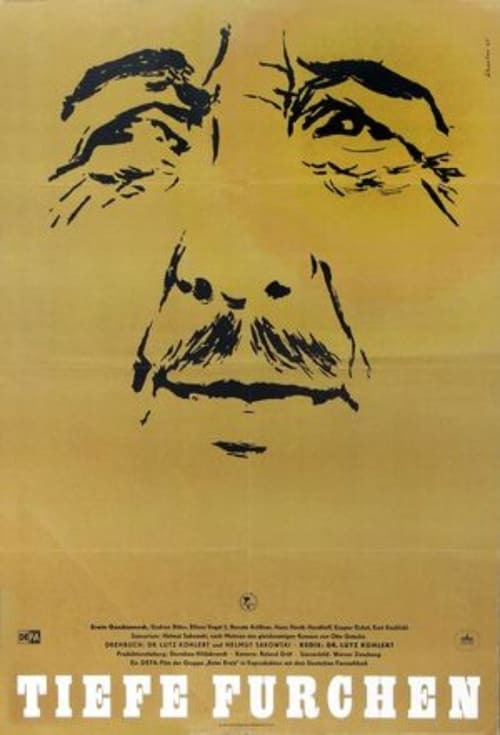
Germany in May 1945: the war is over, men are returning home and a new life begins in the villages. After 12 years in a concentration camp, the "Red Shoemaker" also returns to his home village. His wife is dead and others live in his house: Gebhardt, an employee on the farm of the large farmer Winter, and his family. The "Red Shoemaker" comes to stay with Hübner and his daughter Agnes. Over the past terrible years, he had repeatedly felt the hatred within him and wanted to take revenge on those who had sent him to the concentration camp. But now he wants to look to the future and takes on the position of mayor here in the village. He works to ensure that the village is supplied with food and tries to ensure that the fascist ideology disappears from people's minds. In doing so, he also makes enemies.
A story of Victor Jara - one of the most popular singers in Chile.
No description available.