Sound
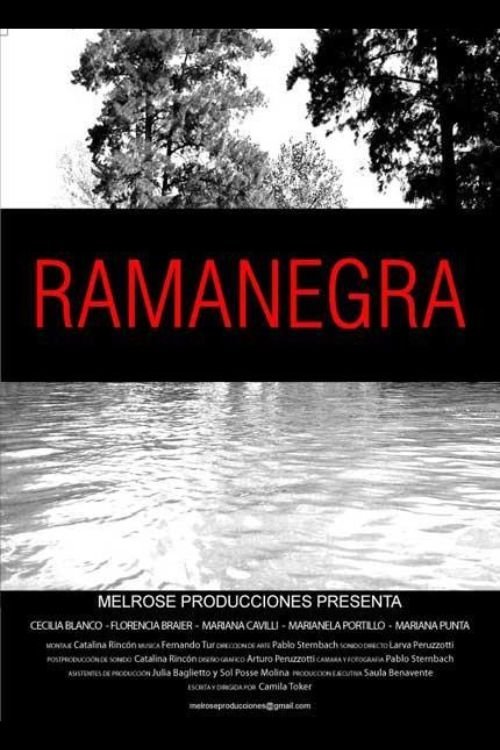
Five sleepless women on a fleeting trip to an island in Ramanegra. A forgetfulness and the fear of not knowing what could have happened. Female paranoia, morbid imagery, and jokes that end in mistrust between them. Conspiracy theories, complicity, and suspicion. Insomnia, the discovery of a dead hand in a forest, a comet... A fragmented and psychedelic tale. A perfectly possible living nightmare.
Pin de Fartie unfolds as a playful spin on theatrical adaptation and an experiment in character dynamics. The film charts three relationships defined by Samuel Beckett’s 1957 play Fin de Partie (Endgame): one between a blind man and his daughter; another concerning two actors rehearsing that same text; the third following a man who reads his blind mother Beckett’s play and discovers that it reflects their lives.
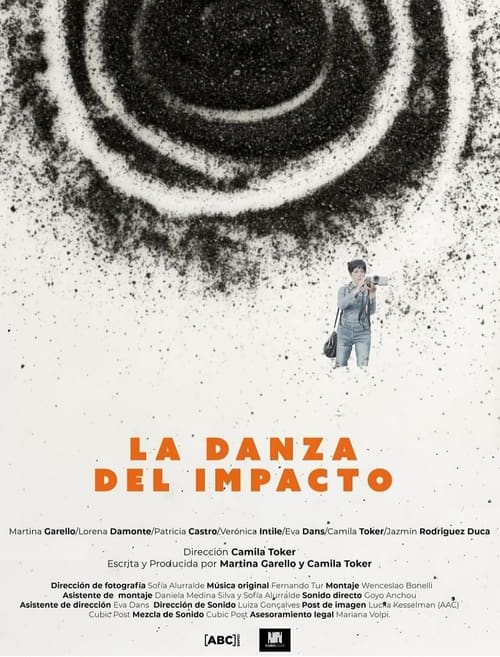
An experimental film director reconstructs —through film, spiritualism, dance and shamanism— the death of her mother in a train accident, using representation as a way of reaching the intangible.
A comedy during confinement? Probably so. A portrait of a little girl and her family during confinement? Apparently so. An absurd, Beckettian musical shot during confinement? Exactly, yes.
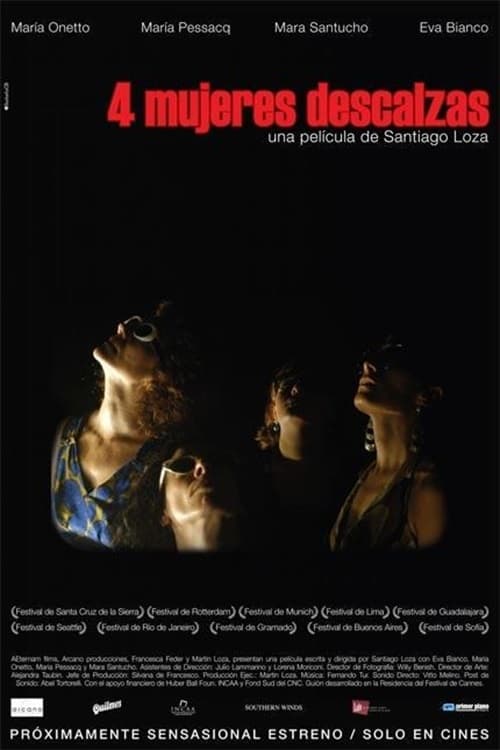
Four women in Argentina, seeking their place in the world, bond over their fears, hopes, and faith. They discover more than trust and friendship—the simple joy of life. Martha expresses her happiness, but soon they face deep emotional challenges.
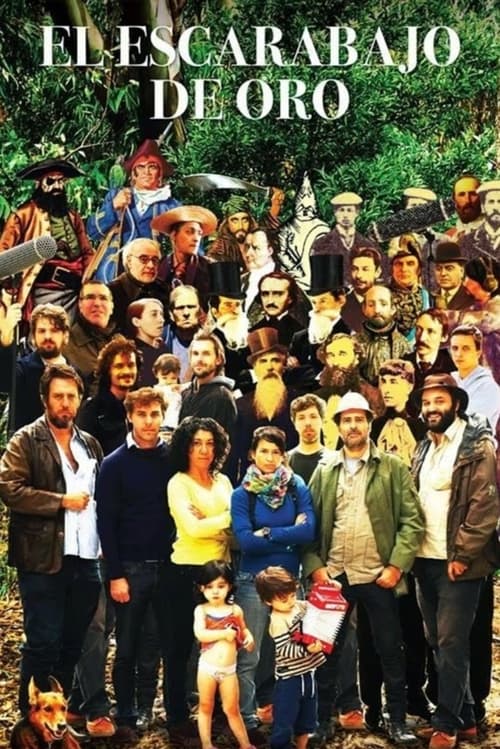
Feminism, Victoria Benedictsson, Leandro N. Alem, the Radical Party in Argentina, suicide, stunts, Edgar Allan Poe, the complicated relationship between low-budget films with a political aim and the film industry, Robert Louis Stevenson, fiction, facts, greed, gold treasures left by the Jesuits in Argentina, the 19th Century vs. the contemporary and the search for truth and wisdom are the background for this portrait of a clash between a Swedish artist and an Argentine film director.
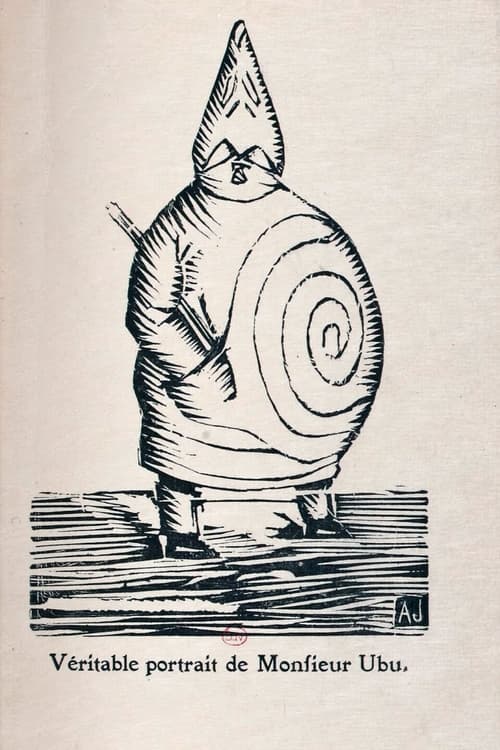
With scenes at times current and at others medieval, dramatic or overloaded with useless gestures, Jarry, Ubú Patagónico is a dialogue with “Ubú Rey”, by Alfred Jarry, and his decalogue about theatre. The work also explores Jarry's non-theatrical texts until the material is appropriated in its immateriality by a group of Patagonian Indians who take Mother Ubú prisoner.
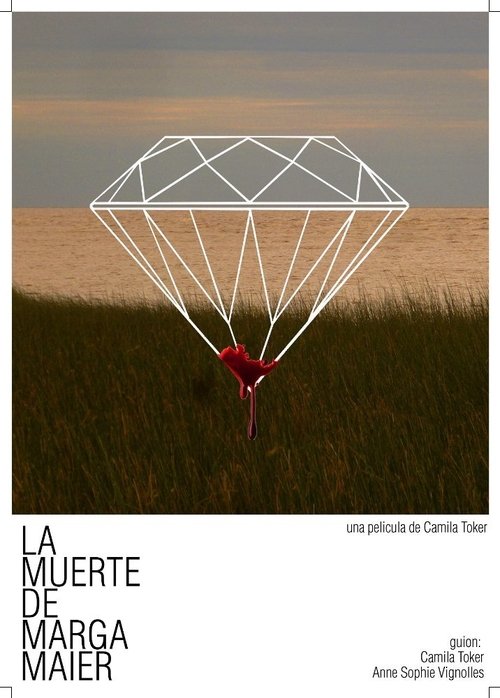
In the wake of a carnival parade the river washes a corpse onto the shore. A crime has been committed, a mystery blossoms to life, and the legend of mythical cursed diamond is tantalizingly revived.
This film, Diario de el Loro y el Cisne, is one of the results of this process of writing directly over the images and sounds. It is made entirely from discarded material from the film Loro y el Cisne. I'm not entirely sure of the result. The only thing I can say about it is that it's extremely sincere.
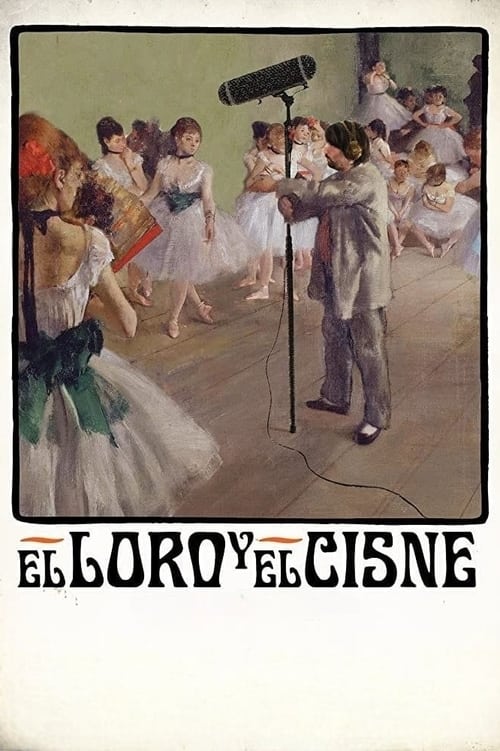
Loro, a sound recordist, meets Luciana, a dancer, and falls in love whit her. When she quits their ballet production and leaves, Loro looks for her in San Francisco, Argentina.