FEEL IT.STREAM
?

Bernard Brown

Acting

Known For

Crown Court
5.7

Crown Court is an afternoon television courtroom drama produced by Granada Television for the ITV network that ran from 1972, when the Crown Court system replaced Assize courts and Quarter sessions in the legal system of England and Wales, to 1984.

Crown Court

1972
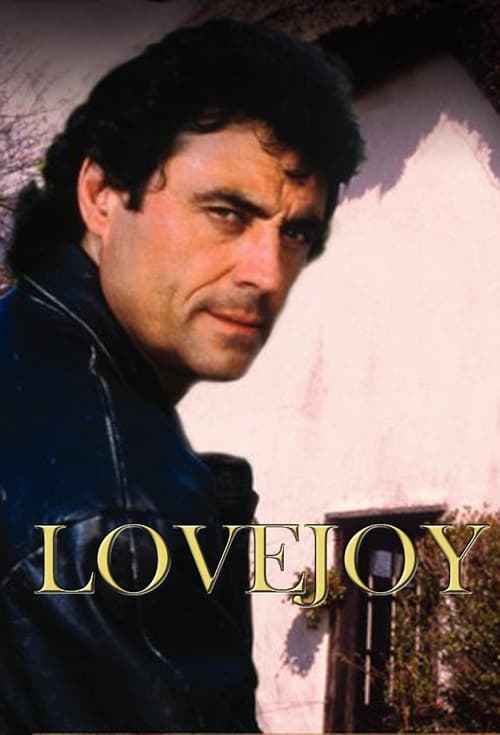
Lovejoy
7.4

The adventures of the eponymous Lovejoy, a likeable but roguish antiques dealer based in East Anglia. Within the trade, he has a reputation as a “divvie”, a person with an almost supernatural powers for recognising exceptional items as well as distinguishing genuine antique from clever fakes or forgeries.

Lovejoy

1986
Van der Valk
6.2

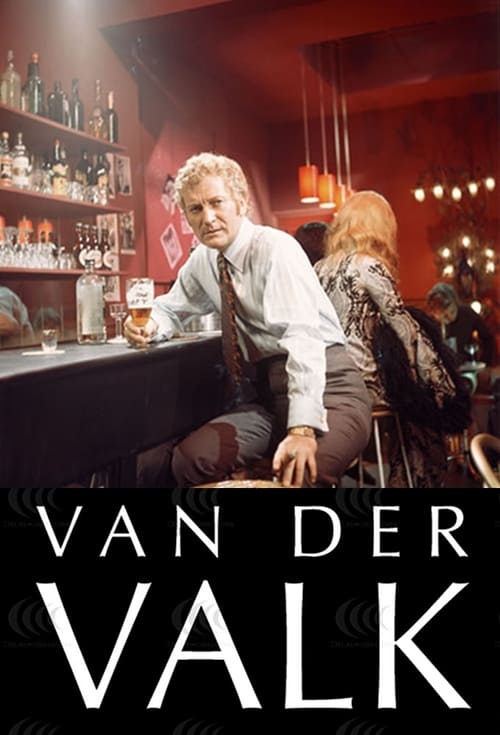
Van der Valk is a British television series that was produced by Thames Television for the ITV network. It starred Barry Foster in the title role as Dutch detective Commissaris "Piet" van der Valk. Based on the characters and atmosphere of the novels of Nicolas Freeling, the first series was shown in 1972.

Van der Valk

1972
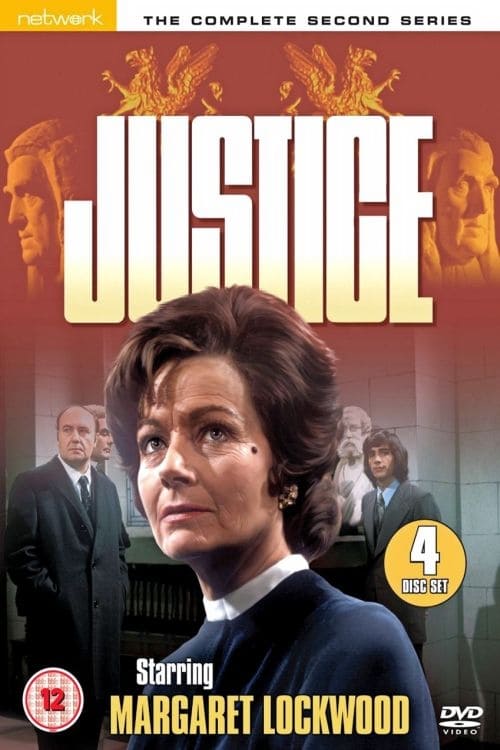
Justice
7.3

Justice is a British drama television series which originally aired on ITV in 39 hour-long episodes between 8 August 1971 and 16 October 1974. Margaret Lockwood stars as Harriet Peterson a female barrister in the North of England. It was made by Yorkshire Television and was based loosely on Justice Is a Woman, an episode of ITV Playhouse broadcast in 1969 in which Lockwood had previously also played a barrister. The theme music was Crown Imperial by William Walton.

Justice

1971
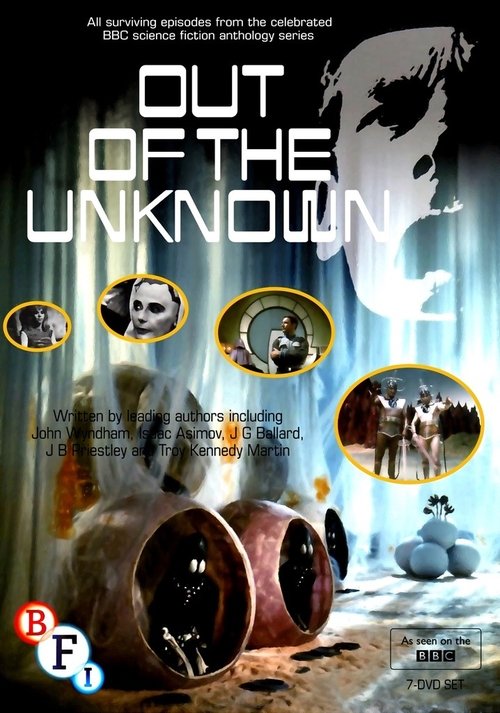
Out of the Unknown
7.1

Out of the Unknown is a British television science fiction anthology drama series, produced by the BBC and broadcast on BBC2 in four series between 1965 and 1971. Each episode was a dramatisation of a science fiction short story; some were created for the series, but most were adaptations of already published stories. The first three years were exclusively science fiction, but that genre was abandoned in the final year in favour of horror and fantasy. A number of episodes were wiped during the early 1970s, as was standard procedure at the time.

Out of the Unknown

1965
Gideon's Way
7.0

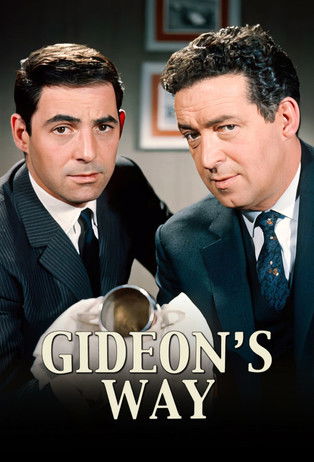
Gideon's Way is a British television crime series made by ITC Entertainment in 1964/65, based on the novels by John Creasey. The series was made at Elstree in twin production with The Saint TV series. It starred Liverpudlian John Gregson in the title role as Commander George Gideon of Scotland Yard, with Alexander Davion as his assistant, Detective Chief Inspector David Keen, Reginald Jessup as Det. Superintendent LeMaitre, Ian Rossiter as Detective Chief Superintendent Joe Bell and Basil Dignam as Commissioner Scott-Marle. The show did not acknowledge any help from Scotland Yard, any other police force or advisor. Daphne Anderson starred as his wife, Kate with Giles Watling as young son, Malcolm, Richard James as older son, Matthew who seemed to have a lot of new girlfriends and Andrea Allan as daughter, Pru. Unusually for police stories, Gideon was shown as a family man at home though urgent phone calls from his bosses tend to disrupt family plans too often. However, he did admit in "State Visit" that his wife had walked out on him for a while years ago when he put the job first and her second. They live in an expensive detached house in Chelsea.

Gideon's Way

1965
Strangers
7.3

Strangers is a 1978–82 ITV police procedural created and principally written by Murray Smith, based on characters created by Kenneth Royce in his novel series and subsequent 1977–78 television adaptation The XYY Man. Don Henderson and Dennis Blanch reprise their roles, respectively, of Detective Sergeant (DS) George Bulman and Detective Constable (DC) Derek Willis. A group of police officers are brought together from across the country to the north of England. There, the fact that they're not well-known gives them the advantage to infiltrate where a more familiar local detective could not. Despite being based around a comparatively small team of detectives, a regular feature in its early years is that few episodes feature the entire team, with most using just two or three regulars in any major role.

Strangers

1978
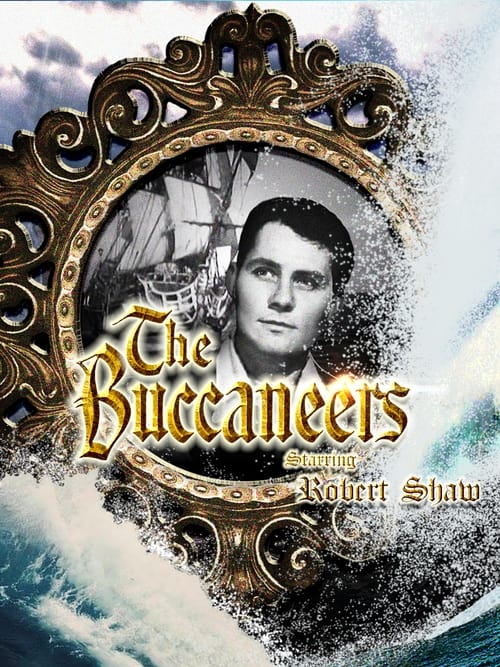
The Buccaneers
6.4

The adventures of privateer Captain Dan Tempest and his crew of former pirates as they make their way across the seven seas in The Sultana.

The Buccaneers

1956
The Pallisers
6.4

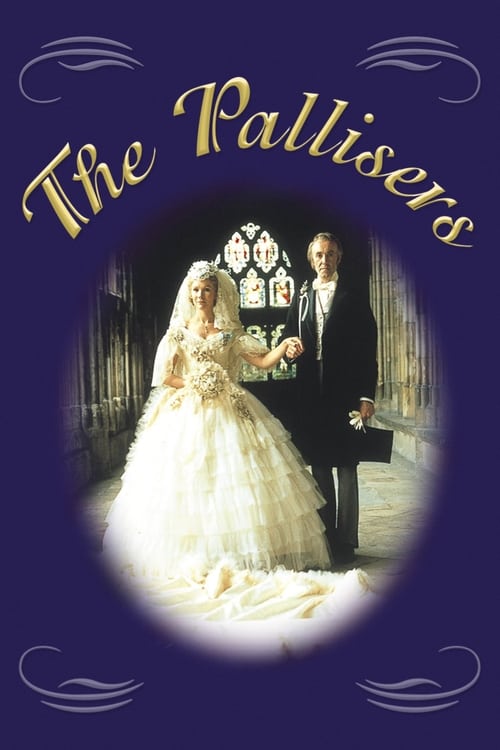
This sprawling BBC saga follows an aristocratic family through three generations of power, wealth, intrigue, and scandal in Victorian England. Based on Anthony Trollope’s “political” novels .

The Pallisers

1974
Lady Killers
7.5

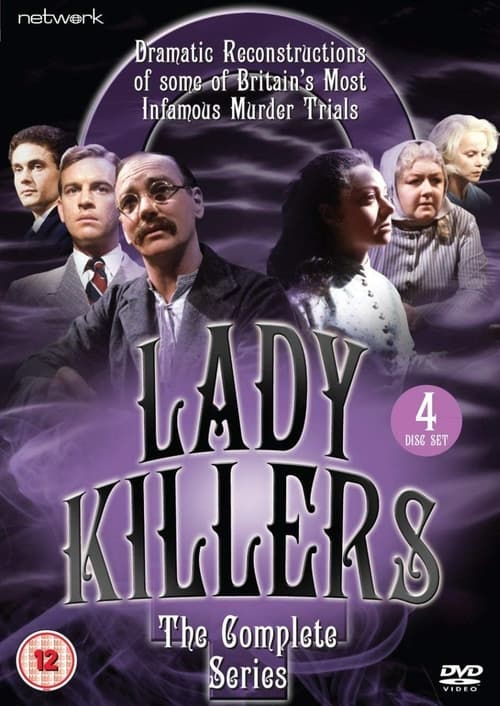
Compelling crime anthology looks at some of Britain's most notorious murder trials, in which both male and female defendants stood accused of the murder of women. Presented by Robert Morley, seven hour-long dramas reconstruct sensational trials which shocked Britain, offering in-depth analyses of individuals' motives and methods.

Lady Killers

1980
No image
8.0

Story Parade specialized in adaptations of modern novels. It was broadcast on June 5, 1964 and repeated on August 28, 1964. The teleplay was by Terry Nation (who invented "Blake's 7" and the Daleks in Dr. Who), and Elijah Baley was played by the late Peter Cushing. It also starred John Carson John Carson as R. Daneel Olivaw and Kenneth J. Warren. The master tapes of the program were erased, however a few clips from the production have turned up in various documentaries about Isaac Asimov's work.

Story Parade

1964
The Edwardians
6.3

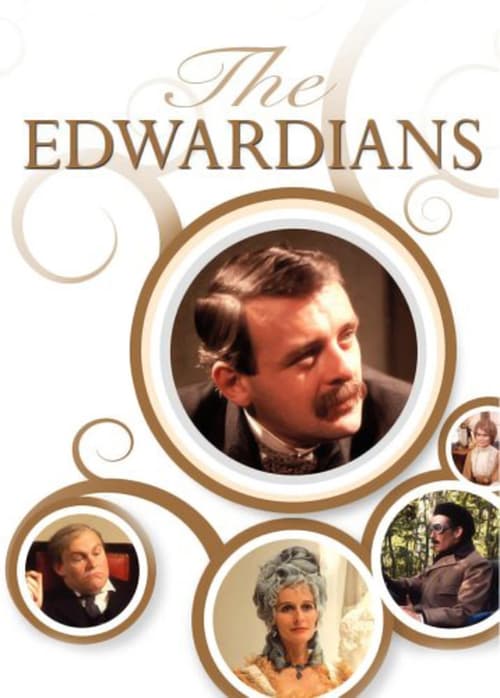
The Edwardians is an eight-part miniseries broadcast in 1972–73. An anthology, each 90-minute episode explores influential figure(s) of the Edwardian era: Charles Rolls and Henry Royce; Horatio Bottomley; E. Nesbit; Sir Arthur Conan Doyle; Robert Baden-Powell; Marie Lloyd; Daisy Greville, Countess of Warwick; and David Lloyd George.

The Edwardians

1972
Nancy Astor
7.7

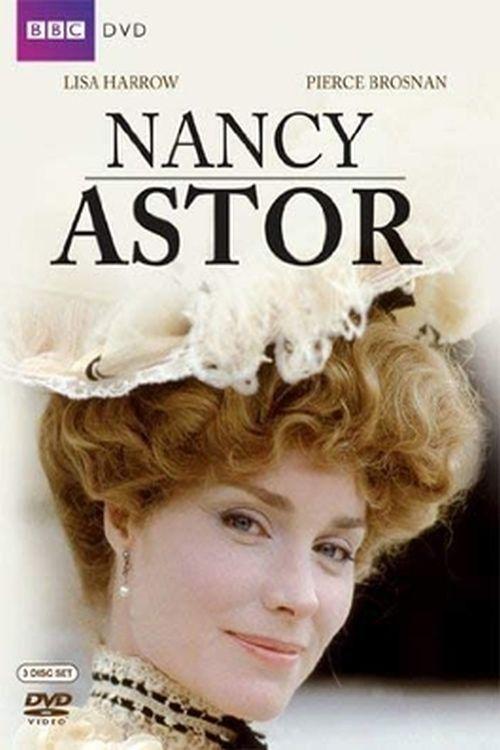
Nancy Astor was the American-born socialite and politician who became the first woman to take her seat in the House of Commons. This miniseries produced for BBC2 follows her journey from her early life in Virginia to her political career in Britain, including her marriage to Waldorf Astor and her struggles and triumphs as a Member of Parliament.

Nancy Astor

1982
The Regiment
4.5

The Regiment is a 1972 BBC One television drama series starring Christopher Cazenove and follows the story of a British Army regiment from the view of two families.

The Regiment

1972
Dead of Night
8.0

Dead of Night was a British television anthology series of supernatural fiction, produced by the BBC and broadcast on BBC2 in 1972. It ran for a single series; of its seven 50-minute episodes, only three—'The Exorcism', 'Return Flight', and 'A Woman Sobbing'—are known to survive in the Archives. Another programme made by the same production team under Innes Lloyd, 'The Stone Tape', intended to be the eighth episode, does survive in the Archives but was not broadcast under the Dead of Night banner. BBC Four rebroadcast "The Exorcism" on 22 December 2007.

Dead of Night

1972
Lipstick on Your Collar
6.9

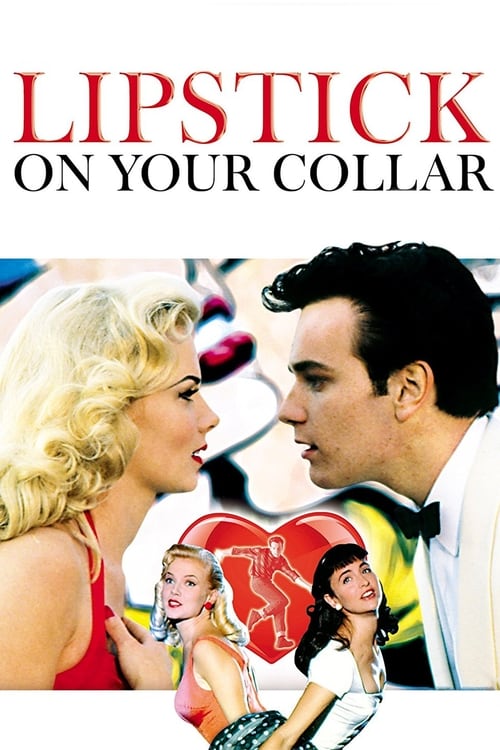
During the Suez Crisis of 1956, two young clerks at the stuffy Foreign Office in Whitehall display little interest in the decline of the British Empire. To their eyes, it can hardly compete with girls, rock music, and the intrigue of romantic entanglements.

Lipstick on Your Collar

1993
The Misfit
9.0

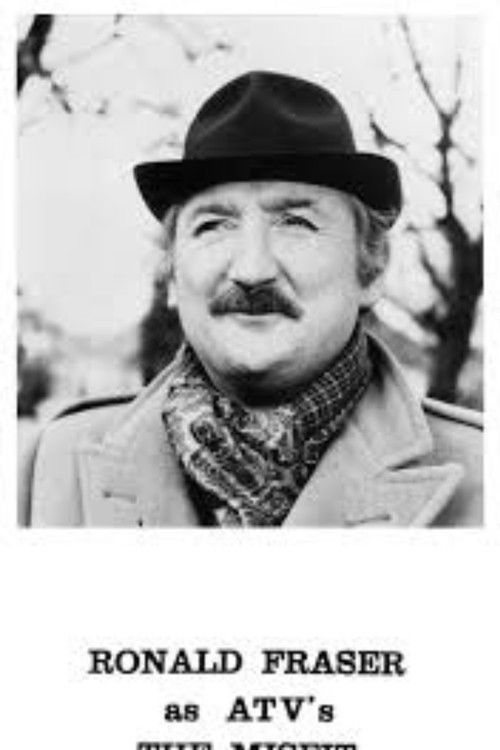
The Misfit is an ATV sitcom created by Roy Clarke, broadcast from 1970 to 1971 on ITV. Basil Allenby-Johnson returns from Colonial Malaya to an England just emerging from the swinging sixties, a home he no longer recognises.

The Misfit

1970
Plenty
5.7

David Hare's account of a one-time French freedom fighter who gradually realizes that her post-war life is not meeting her expectations.

Plenty

1985
Miss Marple: 4.50 from Paddington
7.4

Travelling on the 4.50 from Paddington, Mrs McGillicuddy witnesses a murder on a passing train - but where is the body?

Miss Marple: 4.50 from Paddington

1987
Countdown to War
6.7

Based on a play, the story details the dramatic negotiations between UK, France, Poland, Nazi-Germany and USSR from the day Czechoslovakia fell, until Britain's declaration of war on Germany caused by Hitler's invasion of Poland.

Countdown to War

1989