Editing
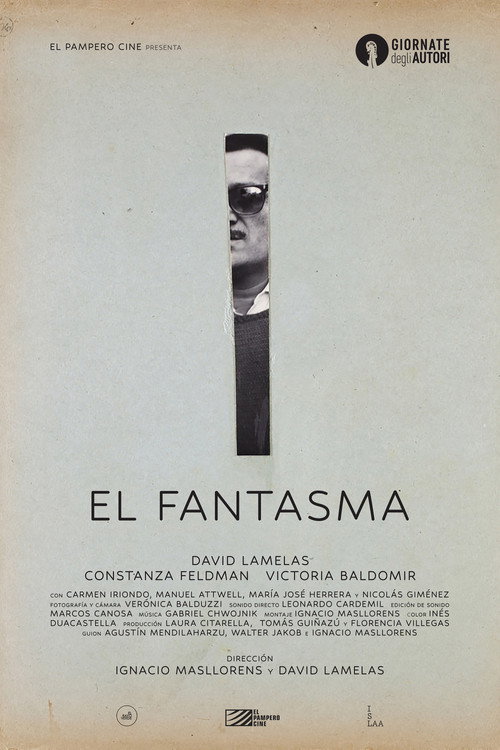
Two female producers are commissioned to create a short documentary for an exhibition dedicated to Rubén Santantonín, an elusive figure of the Argentine avant-garde who died very young, in the late 1960s. However, the client imposes one unexpected condition: the video must be made together with David Lamelas, Santantonín’s former collaborator and today an internationally recognized figure of conceptual art. At first, the plan seems clear and limited in scope: Lamelas, accompanied by a young film crew, gathers archival materials, documents the few surviving works, and interviews curators and major artists – such as Luis Felipe Noé and Marta Minujín – who, along with Santantonín and Lamelas, peopled the legendary scene at the Instituto Torcuato Di Tella. Lamelas gradually realizes that reconstructing the story of his friend also means confronting a series of gaps and contradictions.
A Dominican hairdresser's in Buenos Aires serves as a meeting place for all sorts of people. A place where music links them, from reggaeton to modern electronic music, and where dancing expresses freedom and joie de vivre - even for the very youngest.
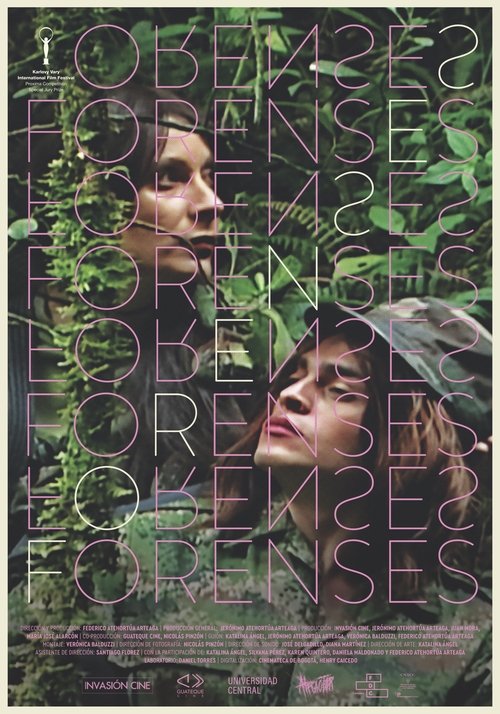
A filmmaker investigates three cases of violence in Colombia, including a murder occurring near his mother’s home. The narrative follows his attempts to reconstruct these lost lives through archival research and the physical traces left in the landscape. This personal inquiry expands into a broader study of how a nation tracks its missing citizens, eventually mapping the overlap between individual family grief and official state processes of forensic recovery.
In an era marked by the reign of fluid relationships, through apps and blind dates, Alejo seeks to fill his sentimental void by constantly changing sex partners.
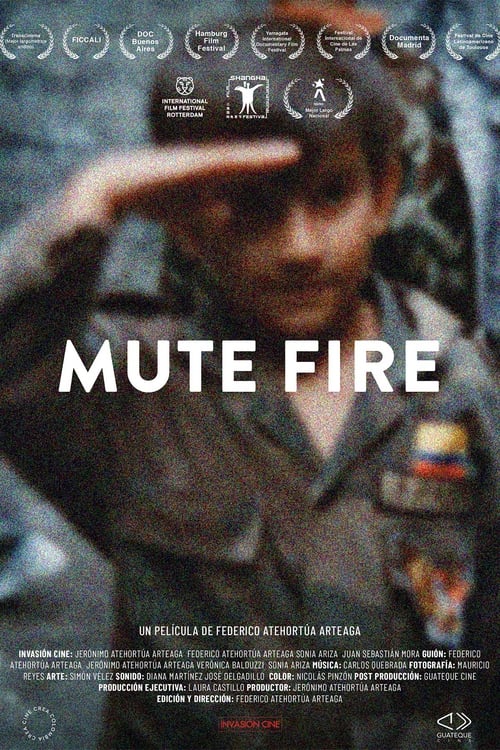
On 6 March 1906, four men were executed for the attempted murder of Colombian president Rafael Reyes. The event was photographed, and the photos were later used for a fictionalised film on the failed coup. From then on, cinema in this South American country has been inextricably linked to its violent history. Moving images have been used for historiography, propaganda, disinformation and to instil unity in a nation that refuses to come together. Falsos positivos, murdered youths disguised as guerrillas by the army to simulate military success, are a common element.
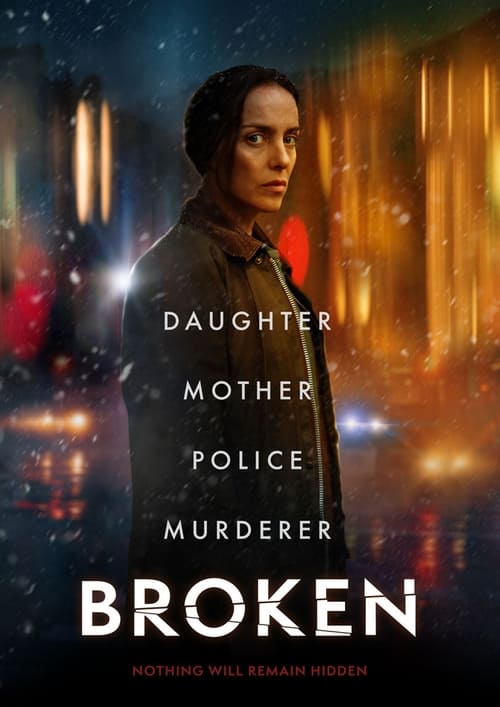
A policewoman returns with her young daughter to her hometown to care for her dying mother. The murder of a young girl will keep her there longer than expected. She will try to solve a case that no one seems to care about, risking everything on the path.
Inés spends her days at her father’s empty apartment. Without much to do, she receives a few visits and self-medicates with other people’s stories.
No description available.
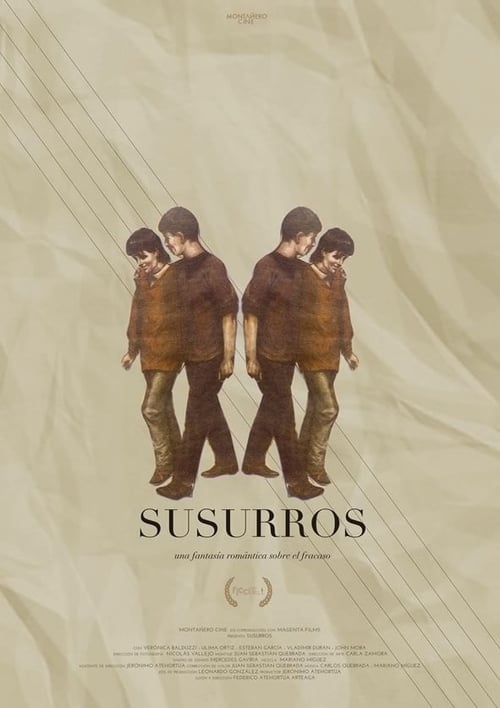
The failure of a film about an old love affair leads to the making of a new film that aims to retrace the steps of that unsuccessful first project.
Federico, in his mid-20s, lives alone in Buenos Aires. The day his grandmother dies, he decides to part with his girlfriend. He fears hurting her. However, she is laid-back, feisty and not even close to feeling hurt. He begins obsessing over her unexpected reaction—but then he meets someone else.
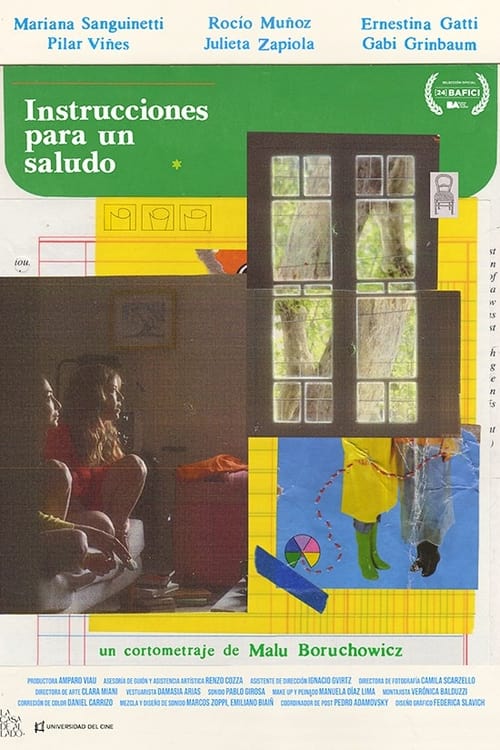
How to say hi to someone. The fear of embraces, distance and severing ties. Mariana does the impossible in order to avoid saying goodbye to her best friend Rocío, who will soon move abroad.