Craig Volk
Writing
Known For
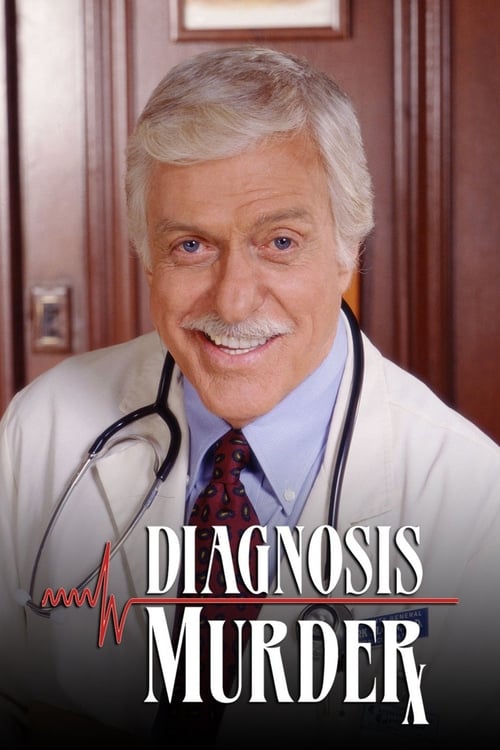
Dr. Mark Sloan is a good-natured, offbeat physician who is called upon to solve murders.
Diagnosis: Murder
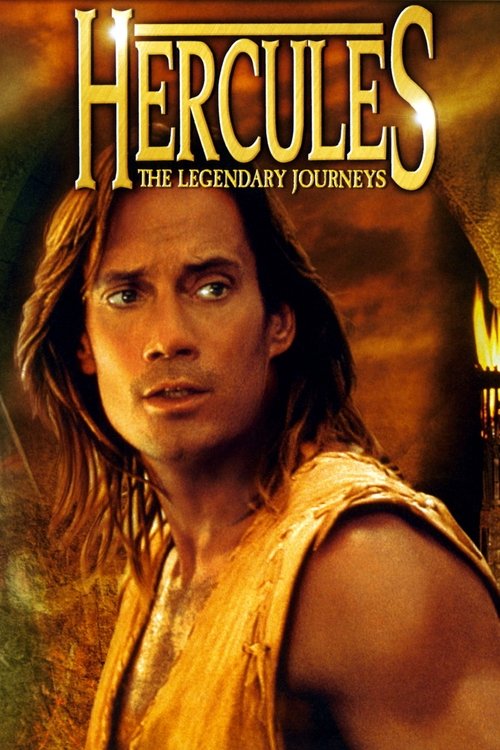
The legendary son of Zeus journeys across the earth fighting monsters and helping people.
Hercules: The Legendary Journeys

Sheena's parents were archaeologists who died in the jungle when she was about six years old, leaving their daughter Shirley Hamilton. She was taken in by Kali, a local Shamaness of a tribe who brought her up, and five years ago she was taught how to morph into animals and birds, acquiring their abilities, even flight. Further, she became a mythical creature called "The Darachna" who relies on people' fear of the unknown. For this she covers herself in a dark liquid mud which allows her to be largely unseen in the low light of the jungle, and with more than normal strength, agility and speed, and armed with a pair of gloves with bone claws, she is a formidable one woman fighting force. She does kill sometimes.
Sheena

The adventures of brilliant but befuddled scientist Wayne Szalinski, whose often-misguided projects wreak havoc on his family and friends.
Honey, I Shrunk the Kids: The TV Show
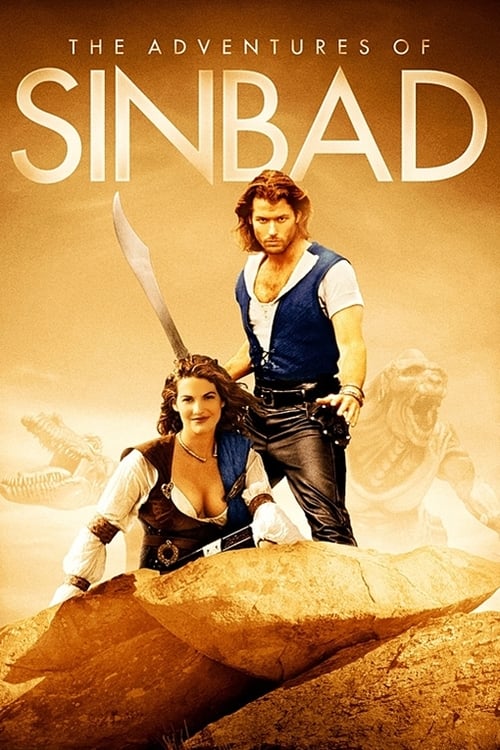
The Adventures of Sinbad is a Canadian television series which aired from 1996 to 1998. It follows on the story from the pilot of the same name, and revolves around the series' protagonist, Sinbad. The series is a re-telling of the adventures of Sinbad from The Arabian Nights.
The Adventures of Sinbad
Charlie Grace is a Los Angeles private eye with a daughter named Jenny, works along with other cops, including his partner, Crawford, to solve different multiple mystery cases.
Charlie Grace
Tuberculosis has been present in humans since antiquity. Skeletal remains show prehistoric humans had TB, and tubercular decay has been found in the spines of mummies from 3000-2400 BC. Though this deadly disease may have traumatic connotations that infected hordes of people dating back to the early 1900s, today it is on the comeback trail with a wicked vengeance infecting up to one-third of the world's population. In 1905, Robert Koch received the Nobel Prize in Medicine for the discovery of the tubercle bacillus. We will journey through the successes and failures of a man whose legacy has impacted microbiology and infectious diseases to this day. The optimism in 1982 that TB would be eradicated by 2010 is no closer to reality than Koch's announcement of a cure in 1882. The onset of AIDS and the evolution of multi-drug resistant strains of the tubercle bacillus has, in many cases, returned us to the days of when supportive measures in sanatoriums was the only treatment.