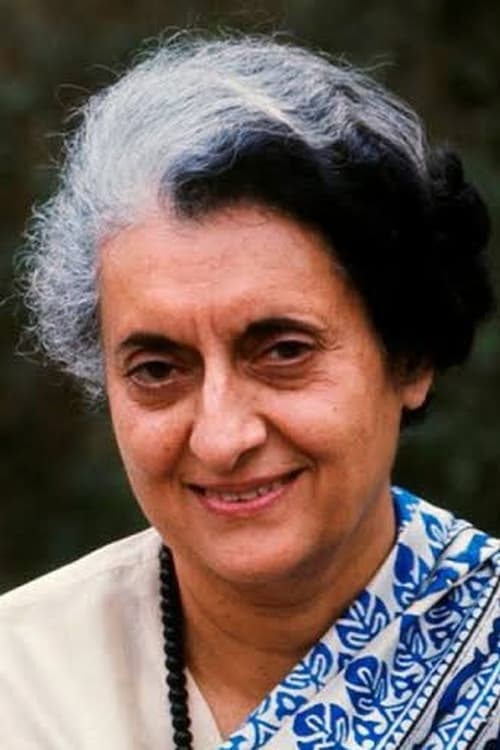
Indira Gandhi
Acting
Known For
A German television format in which Günter Gaus interviewed prominent members of German society, particularly politicians. More than 200 interviews were conducted over the course of 40 years.
Zur Person
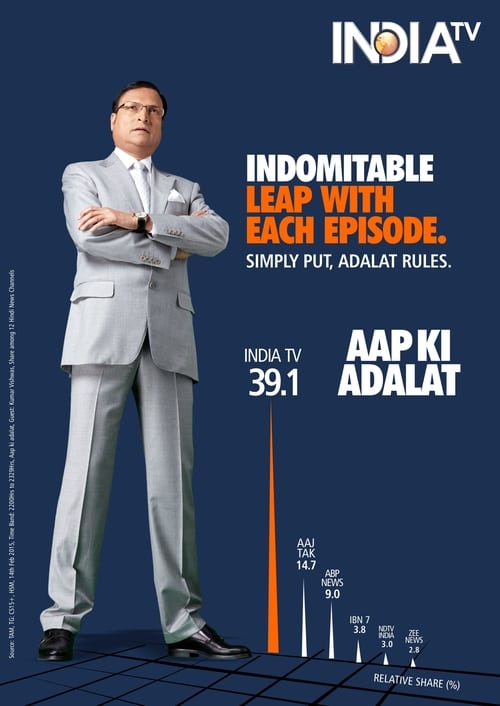
The host invites various personalities who must defend themselves in light of their recent controversies and against the accusations levied on them by the public.
Aap Ki Adalat
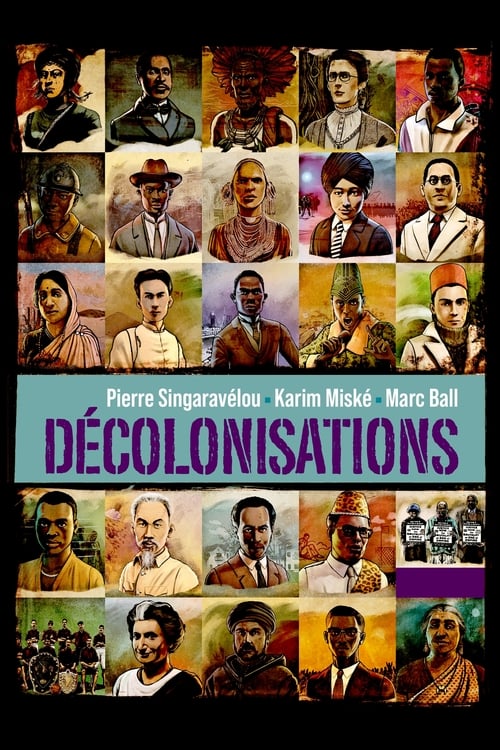
The history of decolonization from the point of view of colonized peoples, an epic story that still resonates and reverberates to this day.
Decolonisation
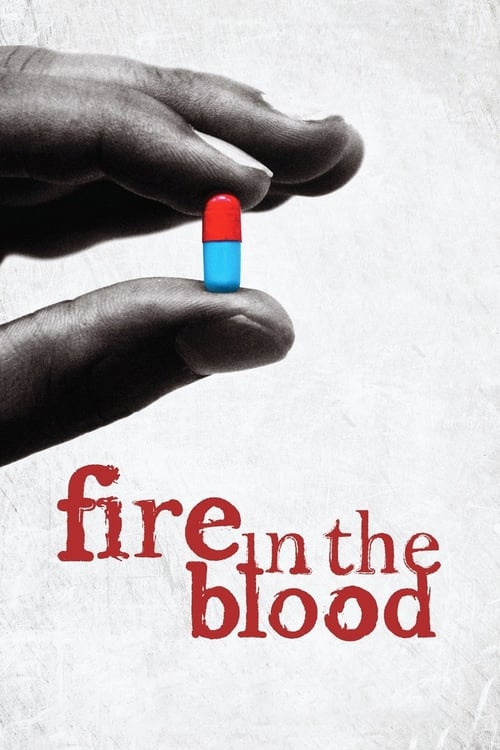
An intricate tale of "medicine, monopoly and malice", Fire in the Blood tells the story of how Western pharmaceutical companies and governments blocked access to low-cost AIDS drugs for the countries of the global south in the years after 1996 - causing ten million or more unnecessary deaths - and the improbable group of people who decided to fight back. Shot on four continents and including contributions from global figures such as Bill Clinton, Desmond Tutu and Joseph Stiglitz, Fire in the Blood is the never-before-told true story of the remarkable coalition which came together to stop 'the crime of the century' and save millions of lives in the process.
Fire in the Blood
No description available.
zu protokoll
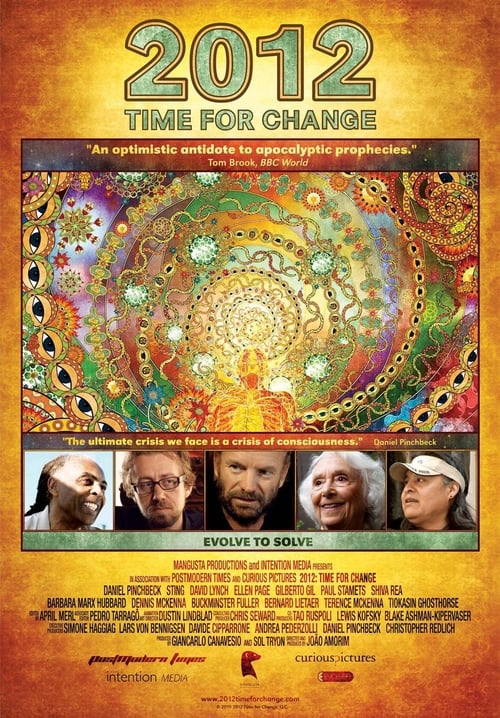
2012: Time For Change is a documentary feature that presents ways to transform our unsustainable society into a regenerative planetary culture. This can be achieved through a personal and global change of consciousness and the systemic implementation of ecological design.
2012: Time for Change

To understand today's West Bengal and its crises and challenges, one needs to know the nitty-gritty of West Bengal's fascinating political history. This docu-series attempts to provide a primer of that history through the reigns of eight Chief Ministers who have ruled the state.
Mukhyamantri
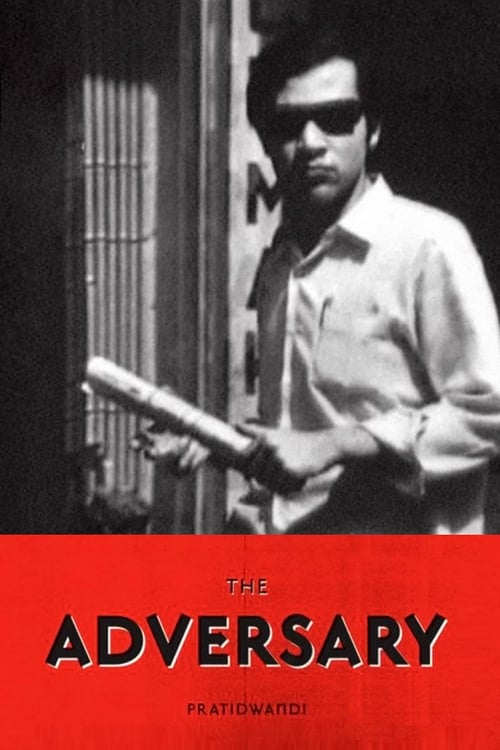
Siddhartho Chowdhury, a brilliant young medical student, is forced to leave his studies after his father's sudden demise. He is forced to navigate the high unemployment rate and the communist socio-political climate of 1960s Calcutta in search of a job. He lives in a flat with his younger, employed sister, revolutionary brother and widowed mother. The strain of the situation ultimately causes him to hallucinate.
The Adversary

Intimate portrait of the daily life of the British Royal Family drawn from 18 months of filming within Buckingham Palace, Windsor Castle and Balmoral.
Royal Family
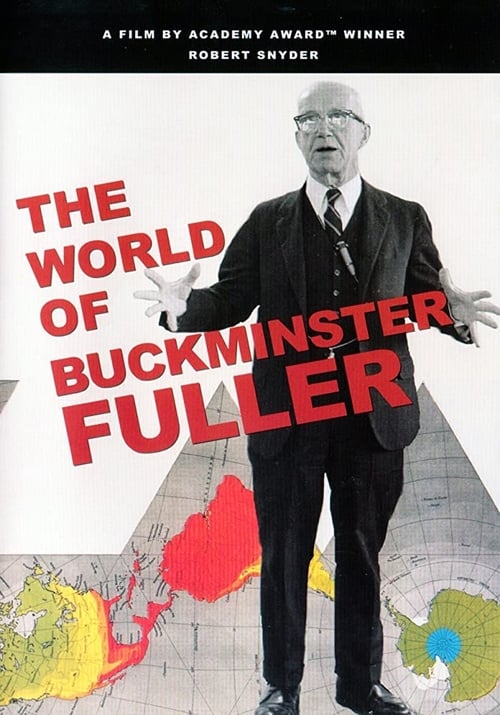
Architect, engineer, geometrician, cartographer, philosopher, futurist, inventor of the famous geodesic dome and one of the most brilliant thinkers of his time. Fuller was renowned for his comprehensive perspective on the world's problems. For more than five decades he developed pioneering solutions reflecting his commitment to the potential of innovative design to create technology that does "more with less" and thereby improve human lives. He spent much of his life traveling the world lecturing and discussing his ideas with thousands of audiences. Now more relevant than ever, this film captures Fuller's ideas and thinking told in his own words.
The World of Buckminster Fuller
Two Meetings and a Funeral explores Bangladesh’s historical pivot from the socialism of the 1973 Non-Aligned Movement (NAM) meeting in Algeria to its ideological counterpoint, the emergence of a strong Islamic perspective at the 1974 Organisation of Islamic Countries (OIC) meeting in Lahore. Centred on Bangladesh’s navigation of these two historic meetings, as well as its fight for United Nations recognition (vetoed by China, acting as a proxy for Pakistan), the film considers the erosion of the idea of the Third World as a potential space for decolonialism, liberation theology and socialism. In particular, it looks at how a transnational Islamic ‘ummah’ concept was used against socialist forces.
Two Meetings and a Funeral
Documentary about the life and works of Italian filmmaker Roberto Rossellini.
Roberto Rossellini: Il mestiere di uomo
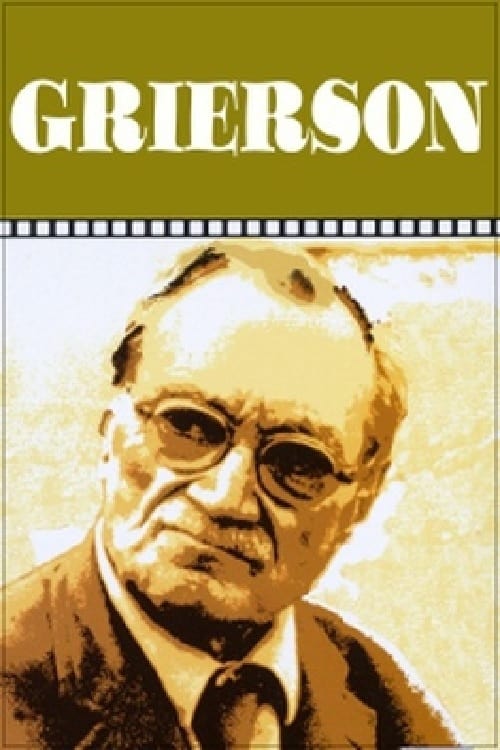
A portrait of John Grierson, the first Canadian Government Film Commissioner and founder of the National Film Board in 1939. Interweaving archival footage, interviews with people who knew him and footage of Grierson himself, this film is a sensitive and informative portrait of a dynamic man of vision. Grierson believed that the filmmaker had a social responsibility, and that film could help a society realize democratic ideals. His absolute faith in the value of capturing the drama of everyday life was to influence generations of filmmakers all over the world. In fact, he coined the term 'documentary film'.
Grierson
Divided into three parts — The Awakening, The Struggle, and Freedom — this is a biographical film on Pandit Jawaharlal Nehru, the first Prime Minister of independent India. Relying on Nehru's writings and speeches, the film traces the evolution of Nehru from his birth through his life. It also deals with the effect of history on Nehru and in turn his impact on the world.
Nehru
Documentary film dedicated to the 100th anniversary of Nicholas Roerich's birth.
Nicholas Roerich
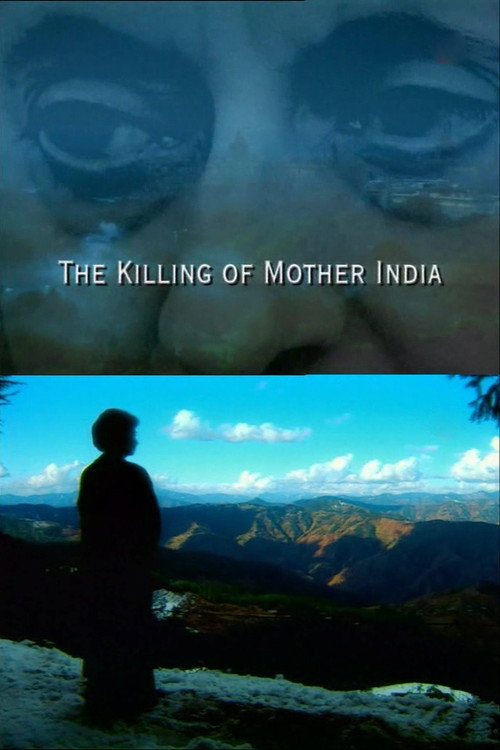
The film focuses on the political issues and conflicts that led to the assassination of India's leader.