Tuija-Maija Niskanen
Directing
Biography
Tuija-Maija Niskanen was a Finnish director and screenwriter. She was best known for movies such as Malli (1971), The Farewell (1981), Kolme naista (1983), Suuri illusioni (1985), Anna-Liisa (1988) ja Ihon aika (1998). Most of her works were TV-movies and she was known to deal with daring themes for her time in her movies, like homosexuality and alcoholism.
Known For

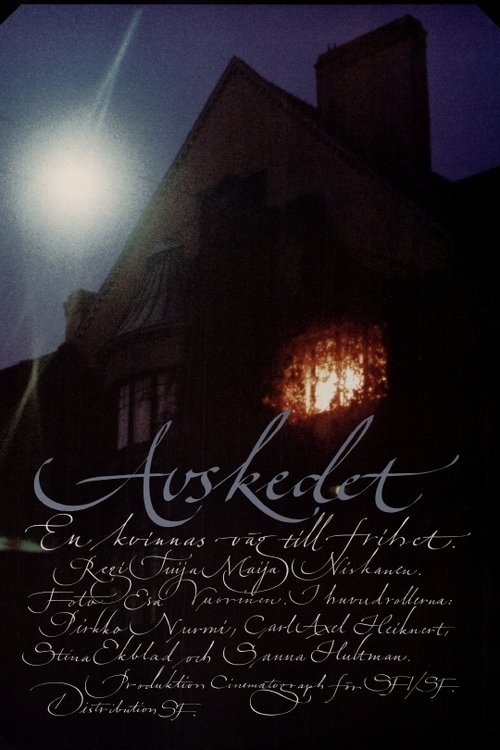
Set between 1930s and 50s, The Farewell the story of Valerie, who lives in a household totally repressed by her stern father. When Valerie has a brief affair with another woman, her father is extremely angry and tries to end the affair with physical force. However Valerie’s determination, independence and lesbian feelings cannot be crushed.
The Farewell

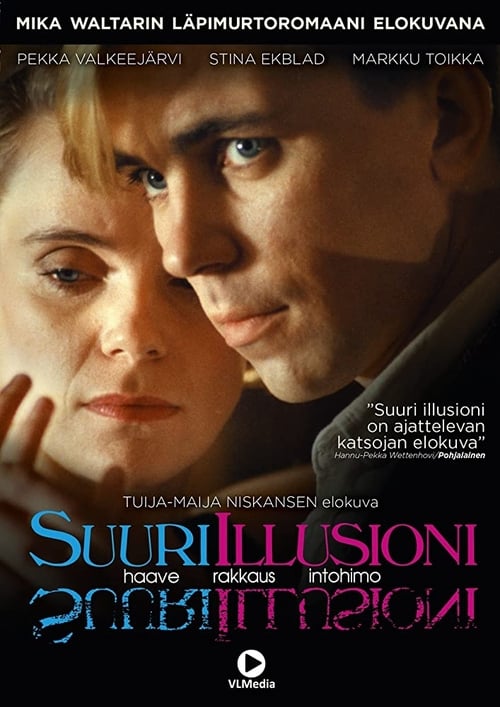
Caritas is a mysterious young woman who is the center of a group of decadent young Finnish artists in the 1920s. The real protagonist, Hart, is a failed writer who dreams big thoughts about his artistic future. Based on the book "Suuri Illusioni" by Mika Waltari.
Suuri illusioni

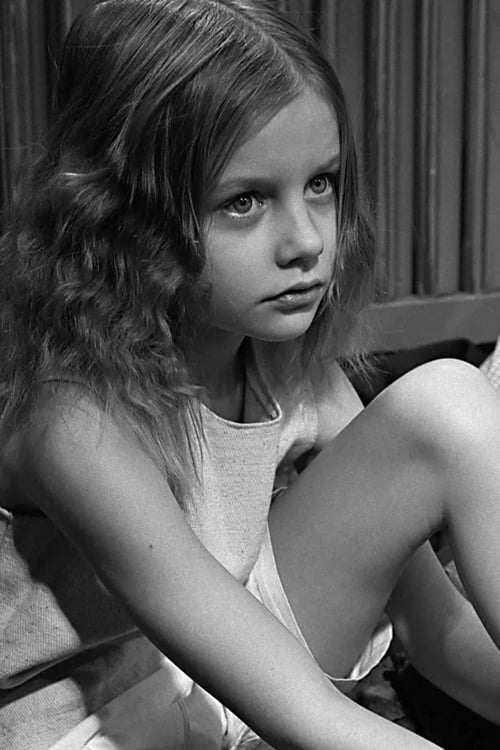
A story about 10-year-old Ruth and her life in Jakobstad in the years 1917-1918, during the Finnish Civil War. Based on a novel by Anna Bondestam.
The Gap

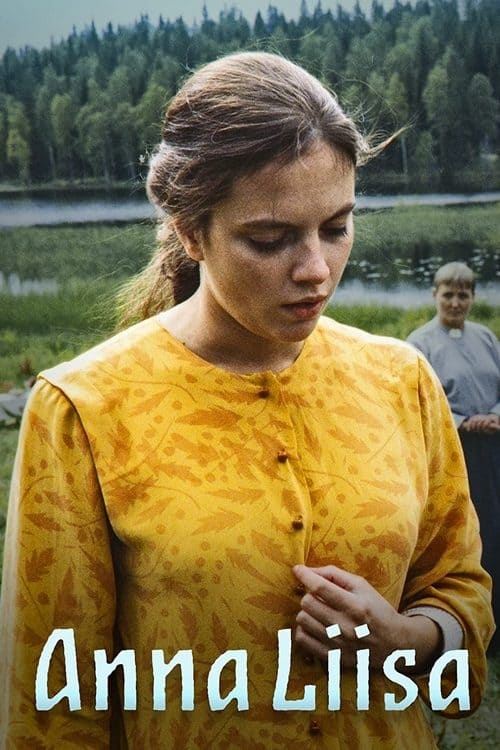
Minna Canth's tragic story, based on real events, about the life of a young girl, Anna Liisa. Burdened with heavy guilt, Anna Liisa struggles internally amid pressure from those around her. In the end, the only option left is to face the truth and seek reconciliation.
Anna-Liisa

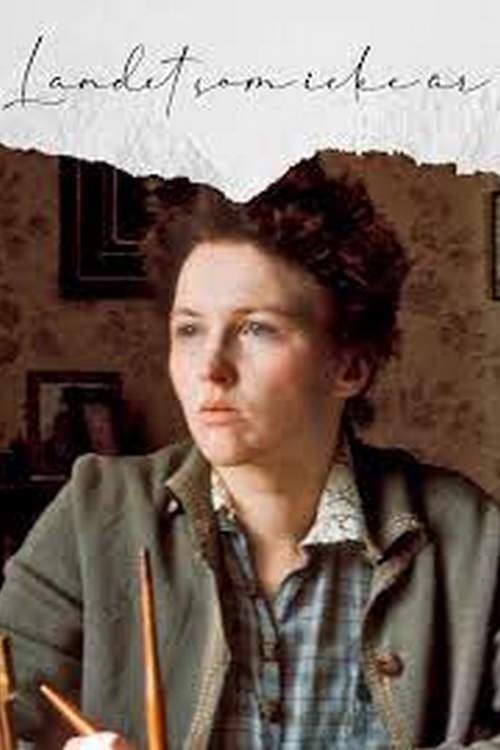
A poem about the poetic pursuit that in a harmonious way longs for death to occur. Life's desires and worries have done much harm to the poetic self and the person sees death as a help to loosen a large weight from their shoulders.
Landet som icke är

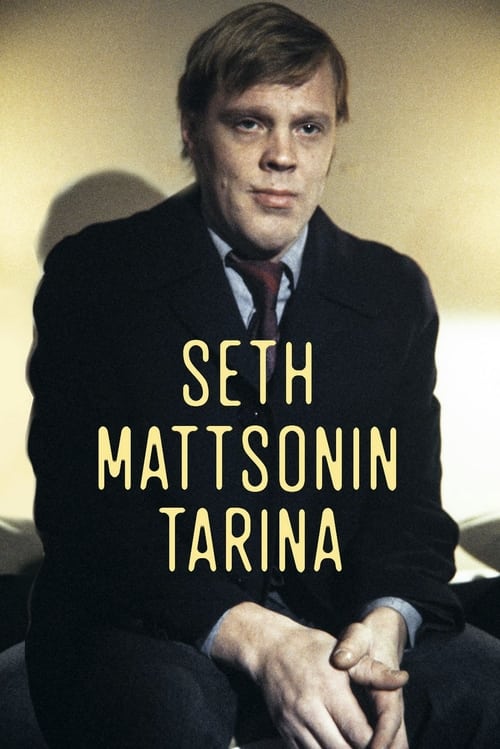
The TV film depicts the loneliness that follows divorce.
Seth Mattsonin tarina

No description available.
Enkeli tulessa

Spanish poet Federico García Lorca is condemned to death by Captain Nestares after an absurd interrogation that serves to make it clear to the people that the Spanish Civil War is a war of ideas, and that there is no place for individuals like Lorca in Spain.