Acting
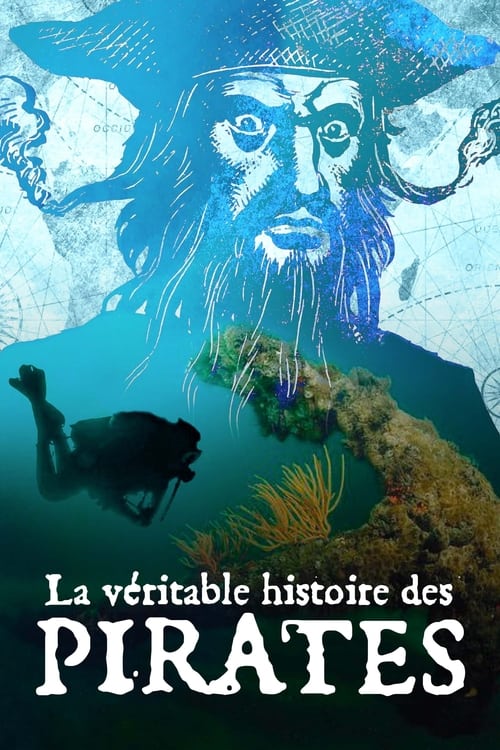
Figures populaires de la littérature et du cinéma, les pirates ont écumé les mers aux XVIIème et XVIIIème siècles. Dans le sillage de deux campagnes de fouilles dirigées par l’archéologue Jean Soulat, Stéphane Bégoin nous entraîne sur leurs traces à l’île Maurice et à Madagascar.
En 2019, une immense nécropole est découverte en périphérie de Narbonne. Fouillant ce site exceptionnel, des archéologues ont pu en apprendre plus sur l’histoire gallo-romaine de la ville, surnommée pendant un temps « la seconde Rome ». A la différence d’Arles et de Nîmes, pourtant de moindre importance, ce rayonnement antique a laissé peu de traces en surface. Pourtant, son organisation urbaine en a conservé la mémoire, comme le montrent les restes de la Via Domitia, la première voie romaine qui traversait la ville, et dont des vestiges ont été retrouvés.
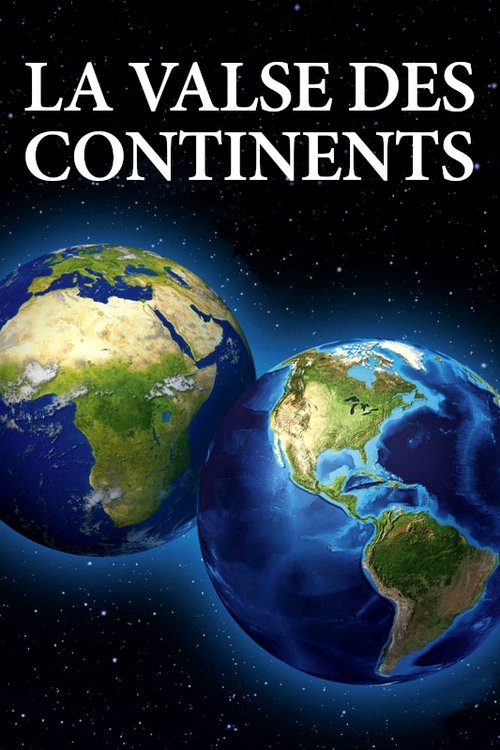
Volcans, séismes, tsunamis, histoire des continents et des océans. « La Valse des continents » est une série spectaculaire sur la fabuleuse histoire de la planète Terre. En suivant l’histoire des dérives continentales, cette série voyage aux quatre coins de la planète à la rencontre des scientifiques qui mènent des recherches pointues sur des sites où se sont produits des événements géologiques. Site après site, découverte après découverte, cette épopée fabuleuse couvre plusieurs milliards d’années, assemblant les pièces du puzzle de notre monde.
Aucune description disponible.
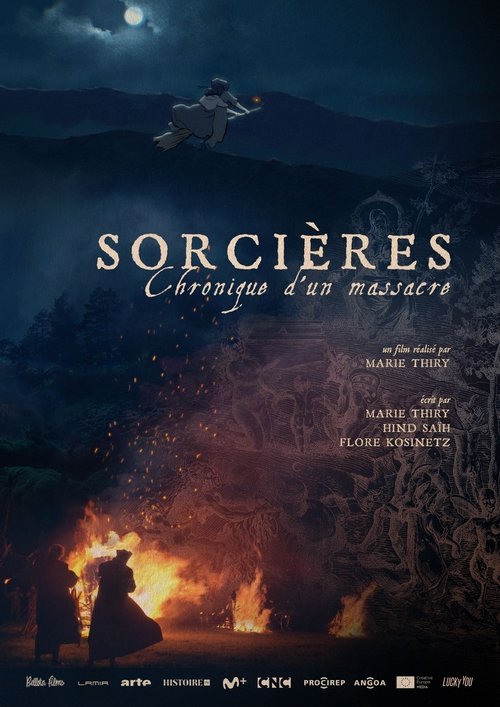
L’histoire commence il y a 400 ans, à la frontière entre la France et l’Espagne, dans la région côtière du pays basque français, le Labourd, peuplé de chasseurs de baleines et de femmes de marins. En 1609, un conflit local tourne aux accusations de sorcellerie. Henri IV nomme deux hommes pour juger sur place… Restitué dans une démarche historique rigoureuse, le procès du Labourd figure parmi les plus violents et les plus argumentés de la grande chasse aux sorcières qui sévit en Europe pendant plus de deux siècles. À travers un film d’envergure destiné à un large public, le décryptage inédit de cette affaire questionne les mécanismes qui ont entraîné ces persécutions, suscitant encore aujourd’hui de nombreux débats parmi les historiens.
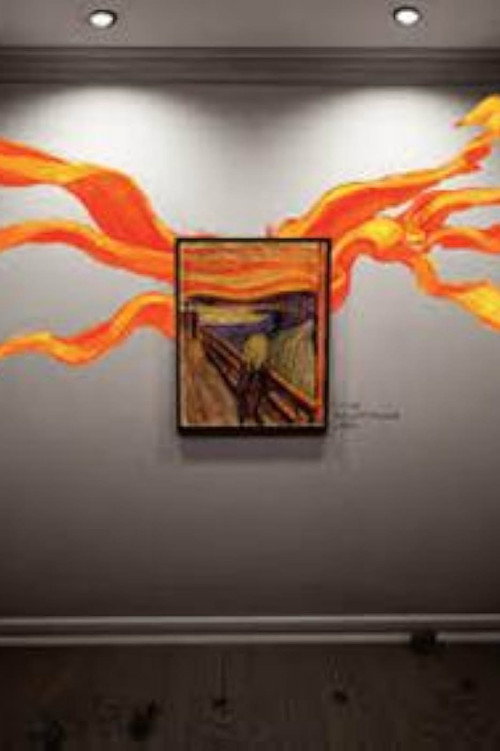
Le Cri d'Edvard Munch est omniprésent. Le célèbre visage déformé par la terreur a tellement enflammé nos imaginations qu'il est devenu le symbole universel de l'effroi. Êtes-vous prêt à libérer les secrets du « cri » le plus célèbre de l'histoire de l'art ? Seul dans un musée vide, vous vous retrouvez face au tableau. Osez-vous le toucher ? Attention : démons et fantômes jailliront de la toile et vous entraîneront dans les profondeurs de l'esprit tourmenté de l'artiste. Inspiré du tableau, The Scream VR emmène l'utilisateur explorer les obsessions et l'œuvre du peintre. Cette expérience interactive et sensorielle de réalité virtuelle se déploie en trois chapitres, présentant une interprétation unique du chef-d'œuvre expressionniste.
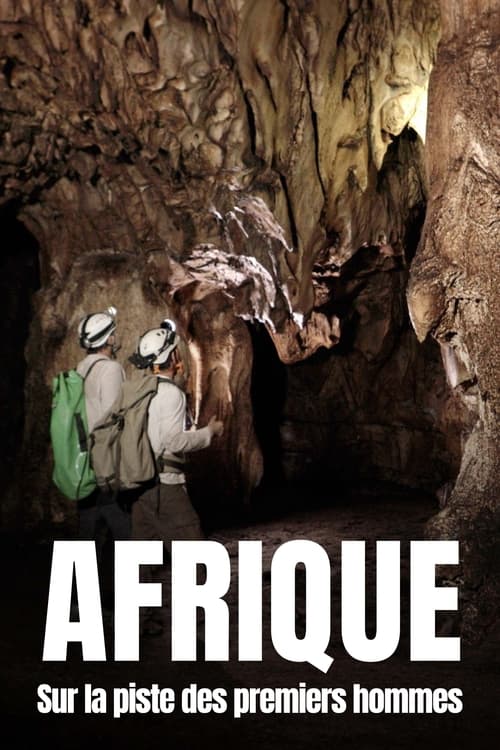
Où, précisément, les premiers hommes sont-ils apparus ? C’est la question à laquelle l’archéologue Laurent Bruxelles, de l’Institut national de recherches archéologiques préventives (Inrap), et le spéléonaute Frédéric Swierczynski s'emploient à répondre. Grâce aux compétences hors normes de ce dernier, capable de plonger à plus de 250 mètres de profondeur, les deux scientifiques sondent, de la Namibie au Botswana en passant par le Malawi, les gouffres les plus dangereux du monde à la recherche de brèches, ces "amas de matières minérales qui agissent comme un ciment naturel et protègent les fossiles de l'érosion", précise Laurent Bruxelles. Suivis par la caméra d’Anthony Binst, les chercheurs explorent ainsi les entrailles de la Terre pour percer les secrets qu’elles recèlent. Au fil de leur expédition spectaculaire, une quête fondamentale pour notre connaissance des origines du genre humain.
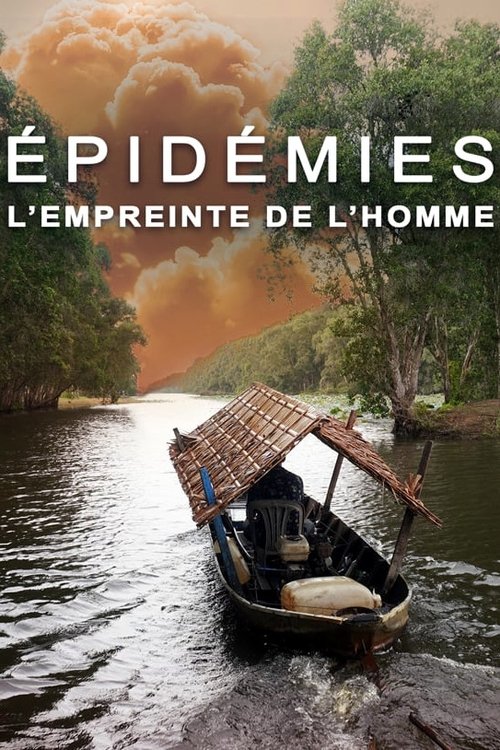
S’ils sont essentiels à la vie sur Terre, certains virus et bactéries transmis via les animaux sont responsables de maladies infectieuses parfois mortelles. Mobilisés pour prévenir de prochaines pandémies, des scientifiques alertent sur la préservation des écosystèmes mis à mal par les activités humaines.
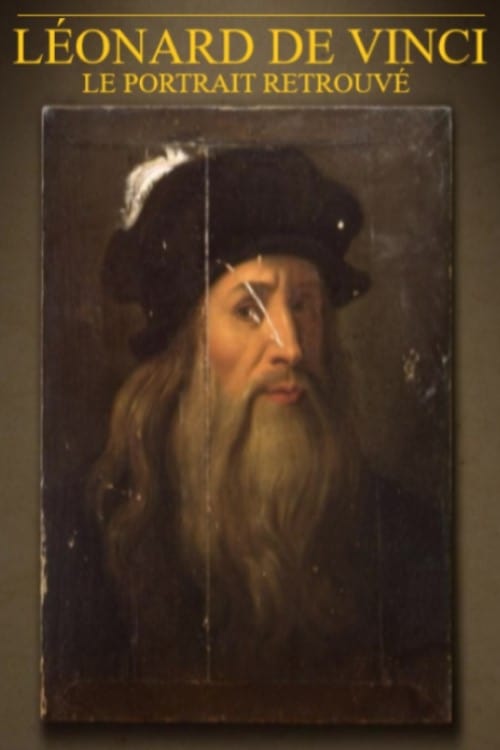
En 2008, la découverte d’un tableau dans le sud de l’Italie met le monde de l’art en émoi. S’agit-il d’un autoportrait de Léonard de Vinci ? Ce documentaire passionnant retrace l’enquête entreprise pour tenter d’authentifier l’oeuvre.
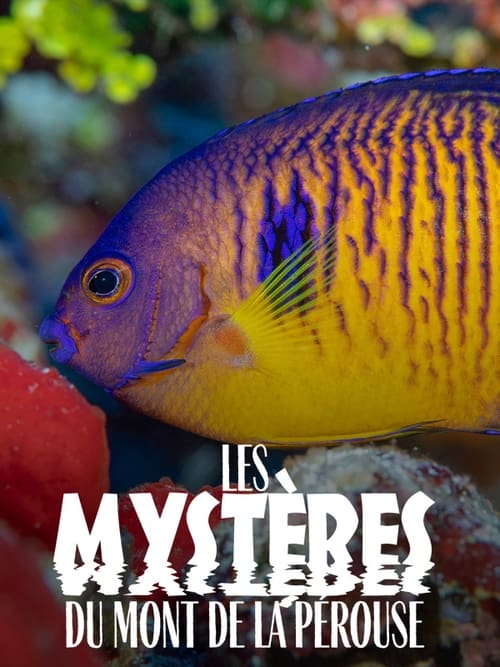
Au large de l’île de La Réunion se dresse une imposante montagne sous-marine dont la taille est comparable à celle du mont Blanc : le mont La Pérouse. Pourtant, elle demeure méconnue des océanographes. Avec l’aide du photographe et scientifique Laurent Ballesta, le biologiste Patrick Durville, un spécialiste de la faune aquatique dans l'océan Indien, a réuni une équipe de chercheurs et de plongeurs pour partir à sa découverte. À bord du navire océanographique La Curieuse, les moyens scientifiques les plus modernes sont mis en œuvre pour révéler les facettes de cette énigme géologique.
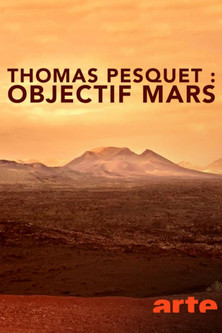
Pour envoyer des missions habitées sur Mars, de nombreux défis attendent encore la science. Un état des lieux passionnant dans les pas du spationaute Thomas Pesquet, de son séjour en orbite à son retour sur Terre. Entre le 19 novembre 2016 et le 2 juin 2017, le Français Thomas Pesquet a passé cent quatre-vingt-seize jours à bord de l'ISS, la station spatiale internationale. Pour lui, comme pour les cinq autres membres de l'expédition 50/51, chaque jour a été rythmé par une multitude d'expériences scientifiques. Réalisées pour des laboratoires du monde entier, ces dernières visaient à repousser les limites imposées par la physiologie humaine aux missions lointaines dans l'espace. Car si, à l'instar de beaucoup de ses pairs, Thomas Pesquet rêve de fouler un jour le sol martien (2040 est en ligne de mire !), il reste encore à la science une longue liste de problèmes à résoudre avant de pouvoir envoyer des missions habitées sur la planète rouge.
En 1923, le jeune écrivain français Raymond Radiguet (1903-23) publie « Le Diable au corps», un roman qui fait grand scandale en racontant l'histoire d'amour entre une femme mariée et un adolescent en pleine Première Guerre mondiale.
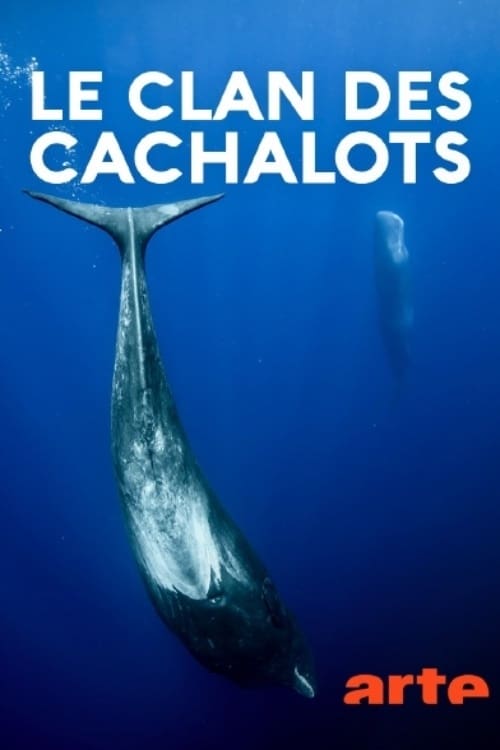
Chassés presque jusqu'à l'extinction, les cachalots ont toujours été étudiés de loin depuis le pont des bateaux. Pour la première fois, une équipe de plongeurs scientifiques s'immerge dans le quotidien d’un clan de cétacés, au large de l’île Maurice, dans l’océan Indien.
À travers trois affaires significatives, un décryptage édifiant du pouvoir des tribunaux d’arbitrage internationaux, qui menacent de faire prévaloir les profits des multinationales sur l’intérêt général.
Grâce aux neurosciences et aux innovations technologiques, des enseignants et des chercheurs réfléchissent à de nouveaux modèles pédagogiques, moins inégalitaires et plus adaptés aux enjeux de demain. Menée aux quatre coins du globe, cette enquête en deux volets interroge des scientifiques, des parents et des élèves sur leur vision de l'école du futur et nous montre l'émergence d’une nouvelle discipline: la "neuroéducation" qui donne lieu a de nouvelles méthodes d'enseignements.
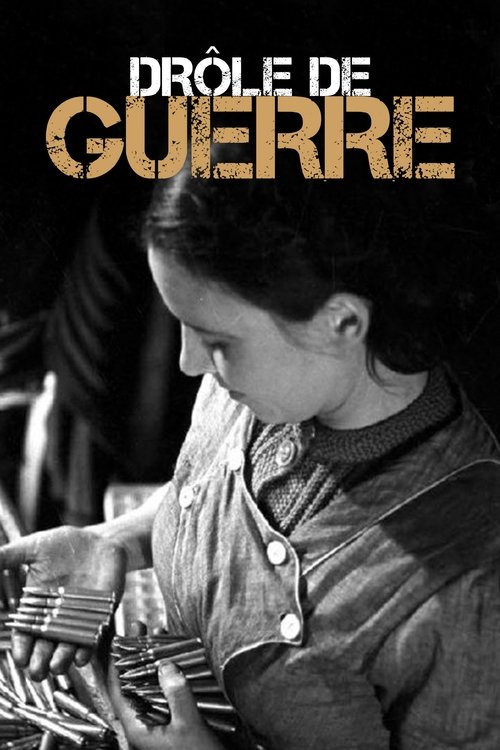
Le 3 septembre 1939, à la suite de l’invasion de la Pologne par la Wehrmacht, la France et le Royaume-Uni déclarent la guerre à l’Allemagne nazie. Les mobilisés tricolores rejoignent leurs unités, tandis que les premières troupes britanniques débarquent dans l’Hexagone pour protéger la frontière avec la Belgique. Entre évacuations, distributions de masques à gaz et constructions d’abris, les mesures de protection des populations contre les bombardements (ou « défense passive ») se mettent rapidement en place. Convaincus que le temps jouera en leur faveur, les Alliés se retranchent derrière la ligne Maginot et tentent d’asphyxier le Reich par un blocus maritime.
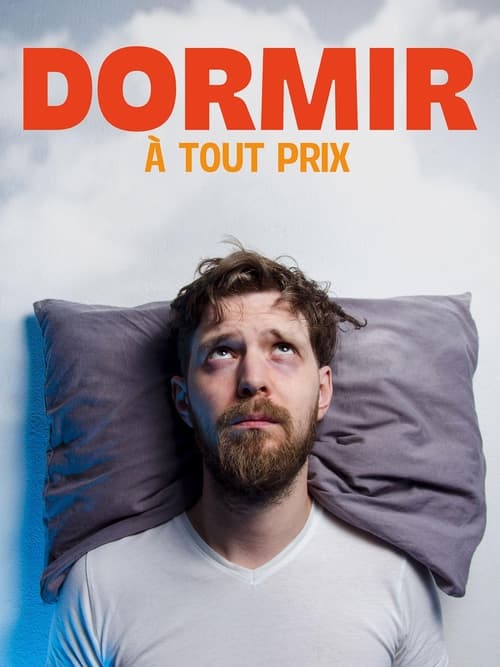
Alors que nos nuits n’ont jamais été aussi courtes, un éclairant tour d’horizon des découvertes scientifiques autour des troubles du sommeil et des alternatives de plus en plus nombreuses aux somnifères. En cinquante ans, nous avons perdu en moyenne une heure et demie de sommeil par nuit. Le corps humain rechigne à s’adapter aux absurdités de la vie moderne : il se venge la nuit du stress, de la sédentarité, des horaires de travail décalés et des éclairages néfastes. Il en résulte une multiplication des troubles du sommeil, des nuits blanches en passant par l'apnée nocturne et la narcolepsie.
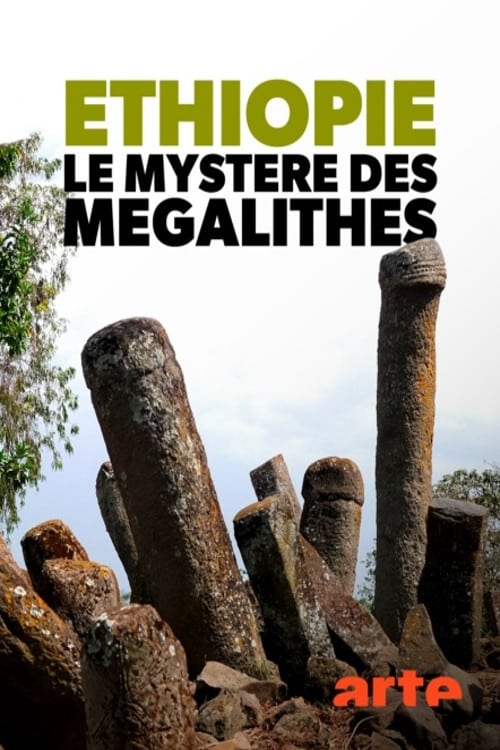
Au sud de l’Éthiopie, la vallée du Rift abrite l’une des plus étonnantes énigmes du continent africain. Avec leur calotte arrondie, une dizaine de milliers de stèles à forme phallique parsèment les hauts plateaux montagneux du Sidamo et du pays Gedeo, sur un territoire de 10 000 kilomètres carrés. Découverts il y a moins d’un siècle par une poignée d’explorateurs, ces gigantesques mégalithes ont été peu étudiés, à la différence des stèles anthropomorphes, dont les recherches ont révélé le caractère funéraire. Une équipe de scientifiques dirigée par Roger Joussaume, spécialiste français du mégalithisme, mène une importante campagne de fouilles sur les nombreux sites archéologiques de la région. Ils tentent de dater et de comprendre cet exceptionnel patrimoine, abandonné en l’état par une civilisation encore méconnue.
Comment l'essor de la prostitution au XIXe siècle a inspiré les plus grands peintres modernes.