
Anisa Sabiri
Directing
Known For

A true story, based on the tragedy of the family of the died military journalist in Post-Soviet Tajikistan in 1993. This film is a debut film of young Tajik art activist, a novice filmmaker Anisa Sabiri. Native to rural Tajikistan, she hopes to use her art to shine a light on the history and horrors of the civil war and conflicts that have affected so many in her homeland, but are often forgotten by the rest of the world.
The Crying of Tanbur
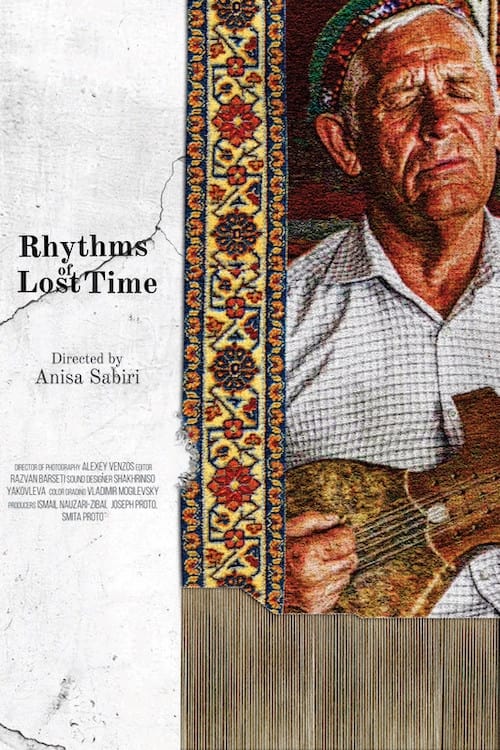
Globalisation, politics, and religion are ruthlessly stamping out the last remnants of traditional culture in Tajikistan. Today, many of these ancient traditions survive only in the mountains, where music and dancing still accompany people in joy and sorrow, just as they did a thousand years ago. After hearing a recording of a Tajik instrument called the maddoh many years ago, British musician Leo Abrahams was struck by its unusual beauty, and travelled to Tajikistan in an attempt to hear the music in person. In Rhythms of Lost Time, Leo travels the country and meets local residents, who introduce him to the hospitable and rich culture of Tajikistan. Together, they draw back the curtain on the challenges that traditional culture and the Tajik people have faced both in the past, and in the present day.
Rhythms of Lost Time
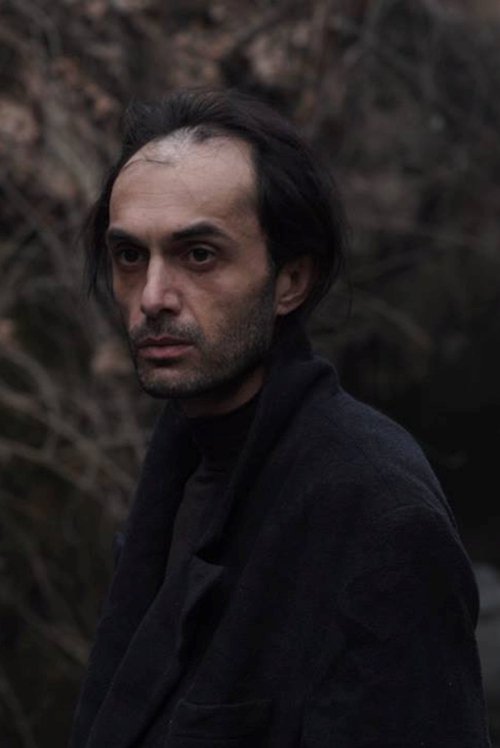
A remote corner in the kingdom of nature is the ideal place for reflections about the meaning of life and the hero’s role in this world: this hero is Rodion Raskolnikov. His tactile and sincere communication with the current of the water in the clear mountain river seems to turn to the Koranic question on man’s original matter – the transparent liquid with which Raskolnikov tries to wash his face whilst dirtying himself. Water is the ‘mirror’ in which the hero sees himself, set against the issue of the ‘superflu- ous man’ and his own destination. Is he a worm? Is this worm disgusting?” – Raskol- nikov asks his reflection. The internal experiences, along with visions of the caring Sonya singing him a lullaby – are an invented reality into which Rodion has escaped, but he is forced to return to the former world, where things are not as they seemed...