Acting
No description available.
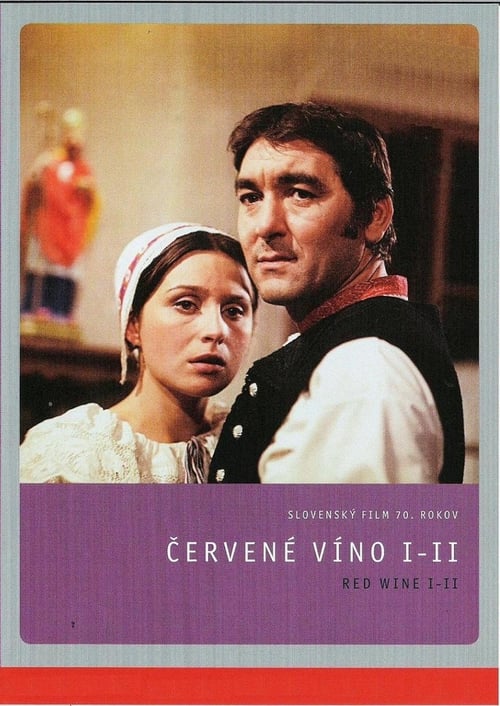
An epic saga of the Habdza family of vineyard keepers set in western Slovakian countryside at the beginning of the 20th century. Director Andrej Lettrich's novel adaptation talks of plotting, forbidden love. family discord, and struggle for heritage and power. The story is engaging thanks to the impressive performances of popular actors, dramatic situations, and sensitive music. Red Wine is not so much inventive in terms of auteurship as it is a work of excellent craftsmanship. The resulting picture is a costume production neatly adapted to the character of Slovak rural life in the past.
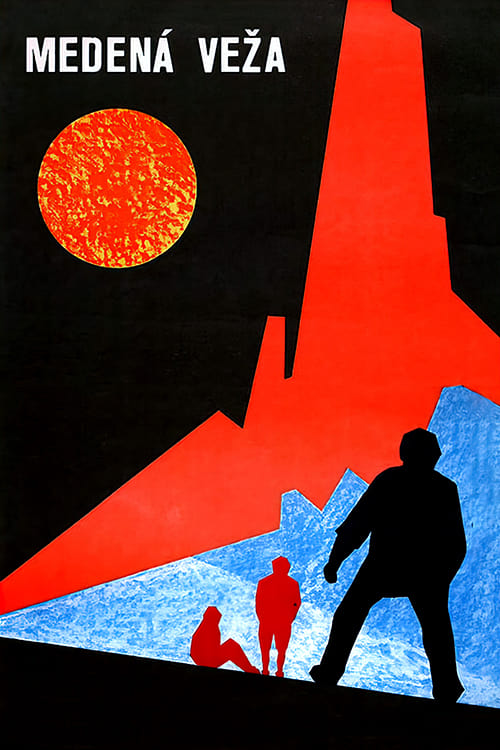
A dramatic story of three friends happily spending time on their own in a mountain cottage in the High Tatras. On the arrival of the wife of one of them their perfect friendship is put to a test.
Slovak partisans, bravely fighting against Nazi superiority, would never have succeeded to such an extent if they had not been supported by the villagers. Despite the threat of repression, it is the villagers who care for the wounded, hide them, and behave conscientiously. Although the film was made in the late 1960s, it fully adopts the patterns of partisan stories, perhaps the only thing it can be credited with is a more developed sense of authenticity in the story, characters, and setting.
The dramatic story captures the hard and dangerous life of the partisan group "Čapajev" led by Ľudovít Kukorelli during World War II. It retrospectively presents the course of the Slovak National Uprising in eastern Slovakia.
The myth of the anti-fascist resistance in Slovakia was one of the important themes of normalization cinema, of course, treated with an emphasis on the leading role of the communists. This primitively illustrative film depicts the heroic enthusiasm shown by the members of the resistance group, heroically and with constant commitment of life fighting against the treacherous police of the Slovak state and ultimately against the German Gestapo.
This three-part production about the life, work, and times of Slovak literary classic Jozef Gregor Tajovský focuses on Tajovský's childhood. Jozef Gregor Tajovský was born in Tajov in 1874 and died in Bratislava in 1940. A large part of the life of the prose writer and playwright Jozef Gregor Tajovský is connected with his native Tajov, Banská Bystrica, and the surrounding villages of Pohorelá, Lopej, Horná Lehota, and Podlavice. He spent his childhood in Tajov with his grandparents. He speaks of it as the most beautiful period of his life. After completing elementary school in Tajov, he studied at a grammar school in Banská Bystrica and at a teacher training college in Kláštor pod Znievom. He was particularly attached to Tajov, to which he returned throughout his life.