Directing
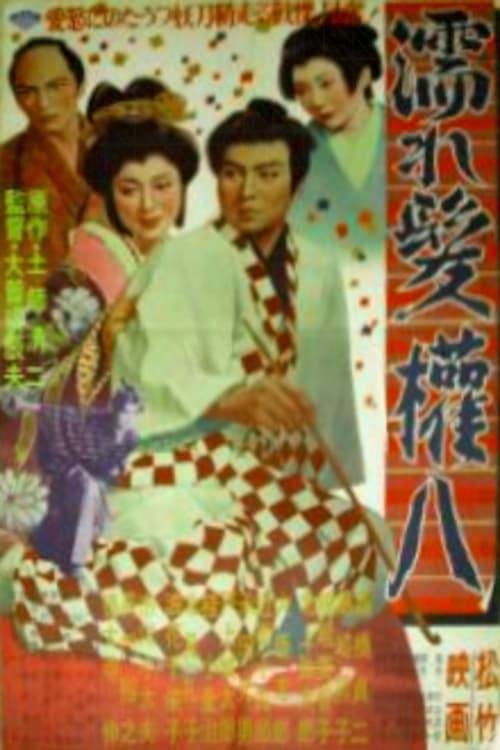
A foot soldier from Tottori domain named Shirai Gonpachi showcased exceptional swordsmanship that even surpassed the domain's champion Honjo Sukehichi during a ceremonial match. Though Gonpachi was promised a promotion to samurai status due to his skills, Sukehichi's father Sukezaemon's intervention out of jealousy prevented this. In anger, Gonpachi killed Sukezaemon and, without realizing it, also mistakenly killed Tomoe, his lover's brother Tsushimo Uemon. Following this, he fled to Kyoto, seeking shelter at the "Murasa" inn operated by Uemon's aunt.
No description available.
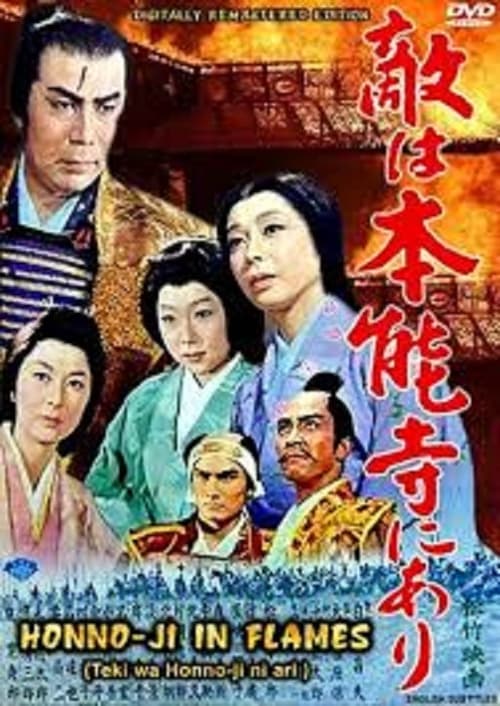
The plot is based on the novel "Akechi Samanosuke no Koi," the final work in a trilogy by Hiroshi Kato about the forced suicide of Oda Nobunaga at the temple Honnoji. Historically, the general Akechi Mitsuhide is credited with causing Nobunaga's downfall. Kato's novel focuses on Mitsuhide's nephew Samanosuke, who fought alongside his uncle during the assault on Honnoji.
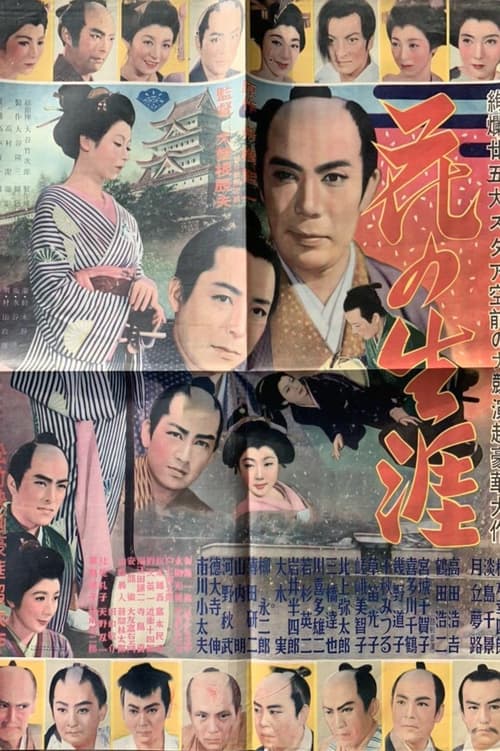
In 1842, in the Umemoku Mansion within Hikone Castle, Naosuke Ii, despite the tumultuous times, was engrossed in the world of tea ceremony. His friend, the Kokugaku scholar Nagano Shuzen, introduced him to a captivating shamisen master named Murayama Taka. Naosuke became deeply infatuated with her, disregarding the jealousy of his consort Shizu and the warnings of his senior retainer, Gaiji. However, upon discovering Taka's relationship with Shuzen, Naosuke promptly ended his ties with her.
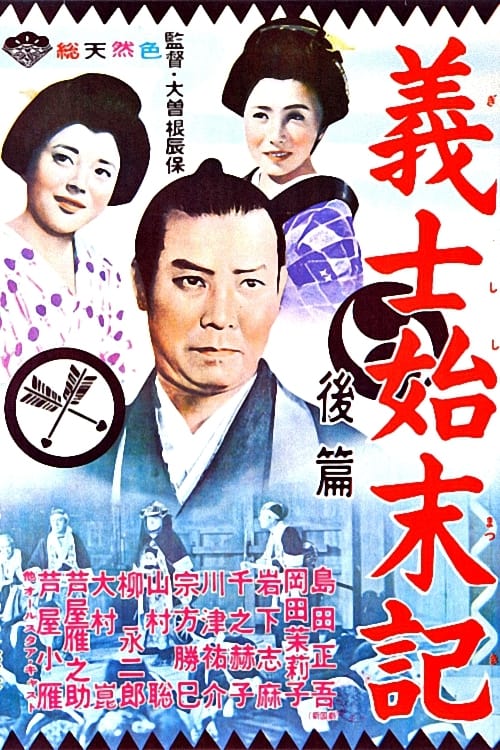
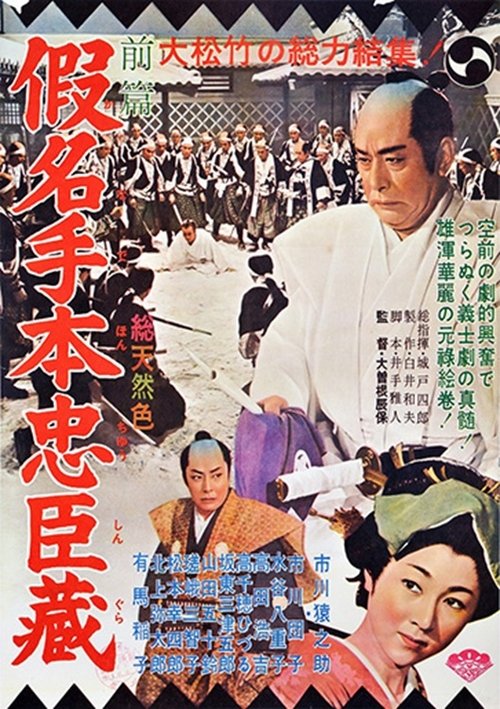
In the 15th year of the Genroku era (1688), the world praised the 47 ronin who avenged the death of their master Asano Takumi-no-kami. Shogun Tsunayoshi, who ruled at that time, experienced difficulties in what punishment to impose on the soldiers. As a result, it was decided to sentence them to seppuku (ritual suicide).
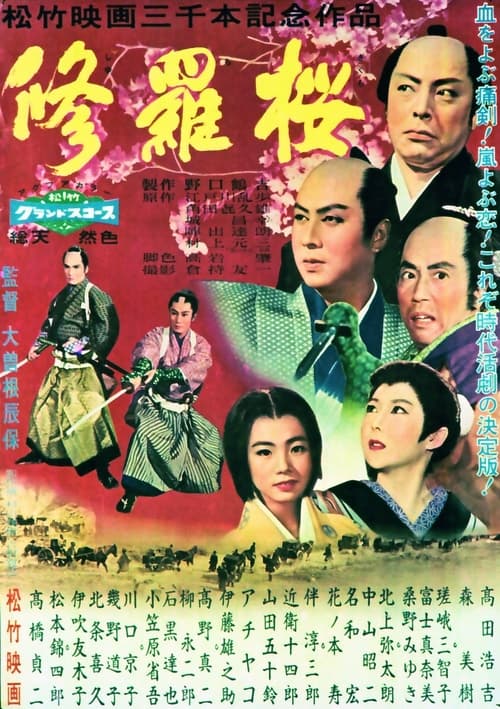
Shochiku's commemorative 3000th film production; a suspenseful period drama.
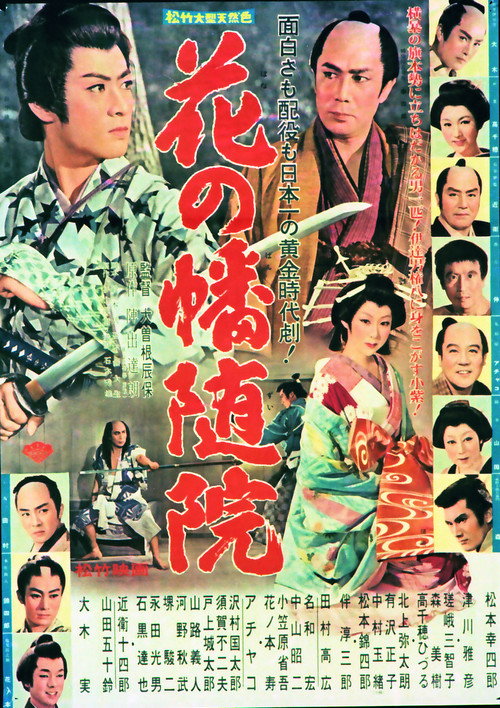
Historical drama depicting the life of Banzuin Chobei.
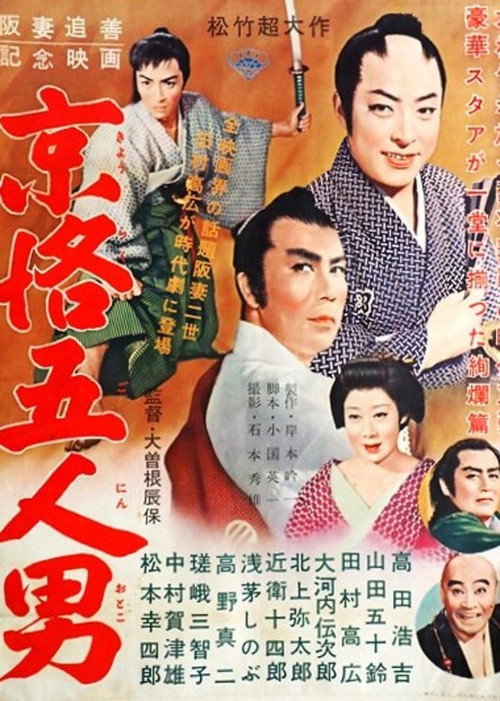
An all-star cast portraying the end of the Edo period as a commemorative film for the late Tsumasaburo Bando.
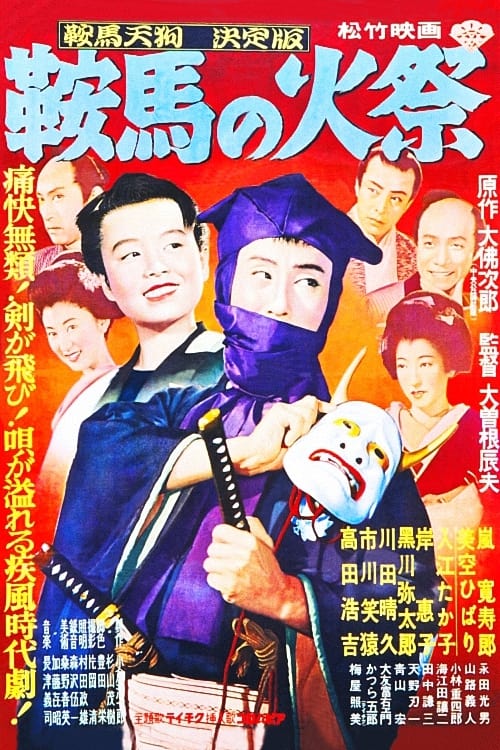
The masked avenger Kurama Tengu is linked to a plot to bring down the Tokugawa shogunate, but is it really our hero, or an imposter?
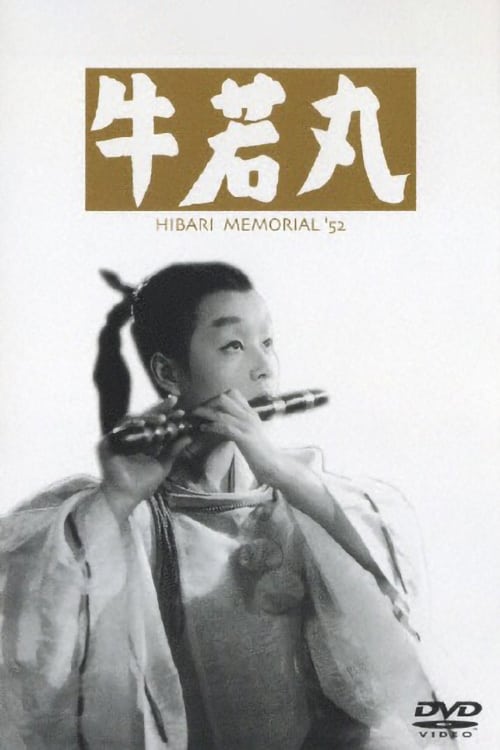
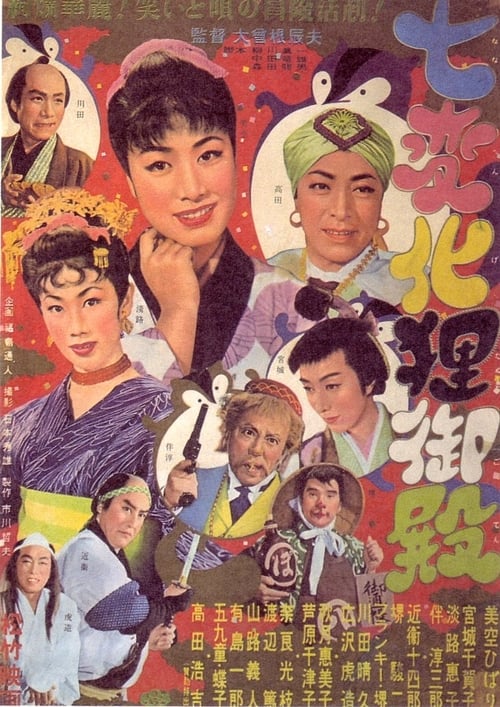
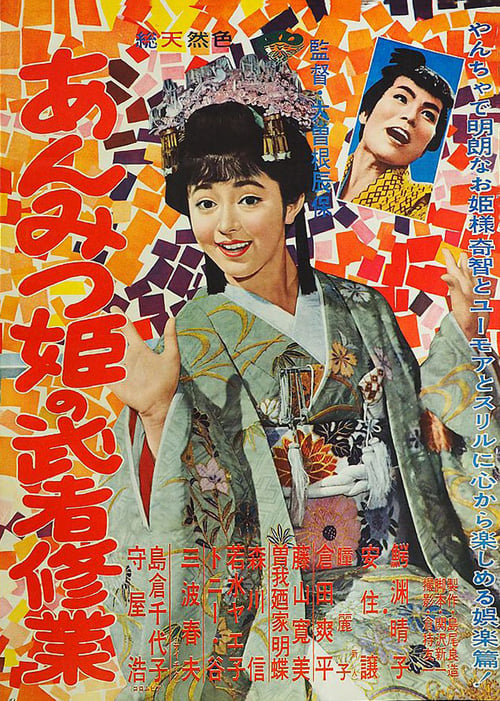
This is a paradise of dream and illusion, a country of Raccoon Dogs. The Bat Tribe lives in a neighboring country took a young prince of Raccoon Dogs as a hostage, and try to take a Buddhist saint from the temple by force.
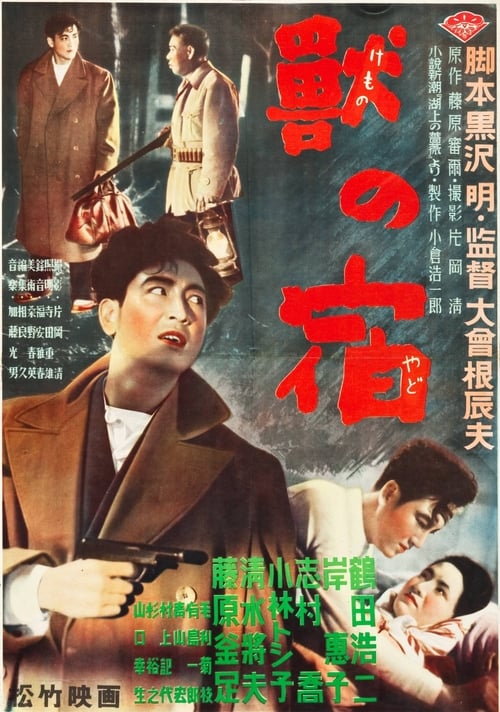
On the night the shogunate's treasury was breached, the guard Utsugi had already been taken down. His colleague Ryunosuke felt responsible and decided to catch the culprit, not only for the sake of the beautiful wife of Utsugi, Chika, but also for his own honor. Chika's younger brother Shinjiro and the powerful Uechi family living near Ryunosuke's abode, join hands to support Ryunosuke. Counterfeit coins begin to surface—a scheme by the corrupt faction led by Yanagisawa. The henchman behind this is Koyamada Tesshin, who gathers ronin to amplify Yanagisawa's power. Among those ronin is Tendo Sakon—a man who drinks silently and plays the flute when in a mood.
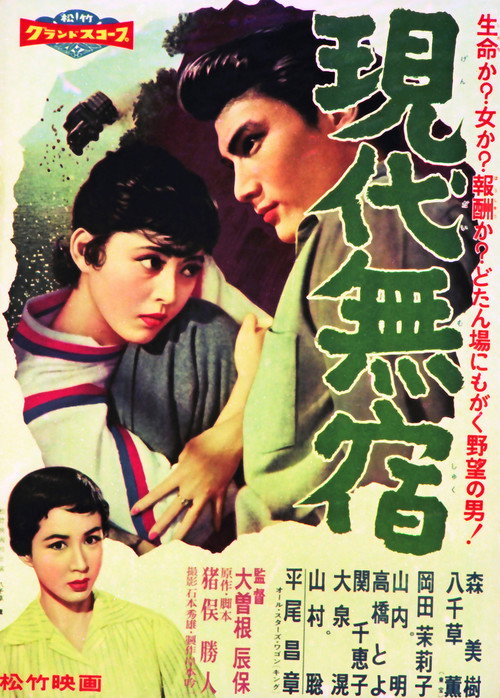
A notorious abortion doctor fell down from a night train and he was dead. A man who knows the truth of this accident starts to chase a up-and-coming model.
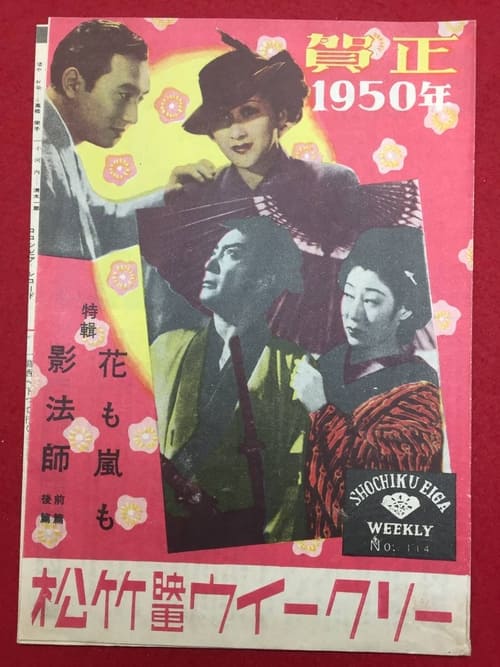
1950 Japanese movie
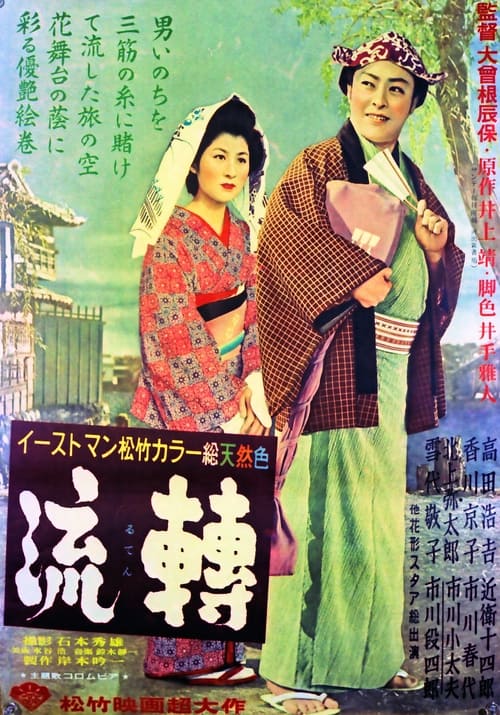
In the eleventh year of the Tenpō era, the Kawarazaki-za theater in Edo buzzed with excitement for a new production of "Kanjinchō" by Naritaya, featuring music by the master Kineya Rokusaburō. However, Naritaya's requests to change some of Rokusaburō's most painstakingly crafted parts of the composition angered his disciple, Shinjirō, leading to a conflict and Shinjirō's abandonment of the shamisen. One day, Shinjirō was captivated by the mysteriously beautiful dance of Oaki, a traveling performer's daughter, who seemed to be channeling her art into a form of revenge.
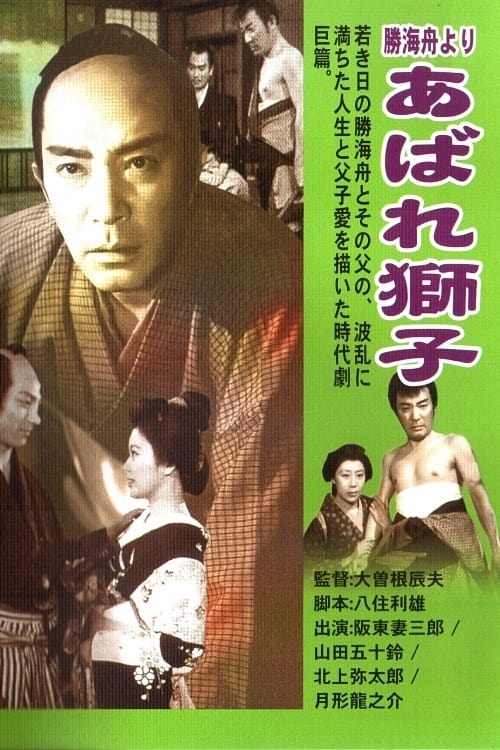
A gripping historical drama that follows the explosive growth of Katsu Kaishu, the hero of the Meiji era, and the interesting human image of his father, Kokichi, who lived for the common people, his neighbors and his children. A film about paternal and maternal love and conjugal love in the creation of mankind, about the healing power of which laughter and tears have. The film that became the last work of the giant star Tsumasaburo Bando.