Maurice Jaubert
Sound
Biography
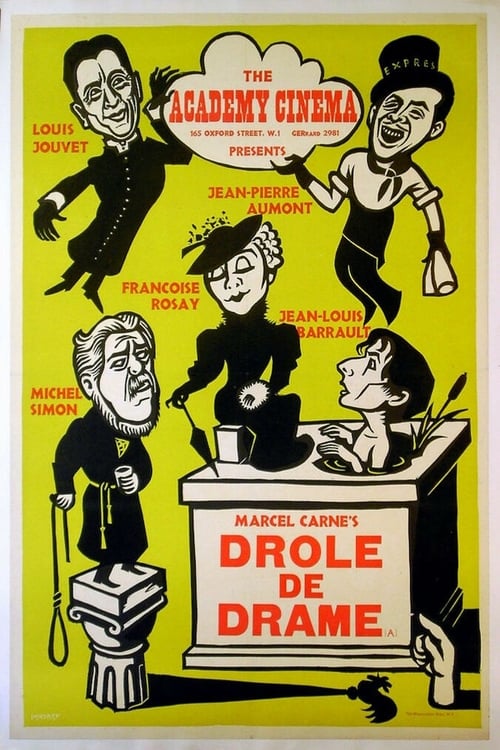
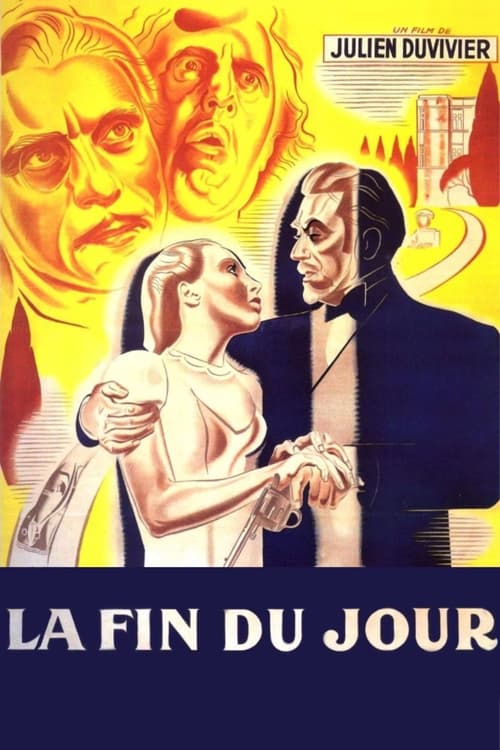
Maurice Jaubert (3 January 1900 – 19 June 1940) was a prolific French composer who scored some of the most important films of the early sound era in France, including Jean Vigo’s Zero for Conduct and L'Atalante, and René Clair’s Quatorze Juillet and Le Dernier Milliardaire. Serving in both world wars, he died in action during World War II at the age of 40. Born in Nice on 3 January 1900, he was the second son of François Jaubert, a lawyer who would become the president of the Nice bar. Jaubert grew up in a musical household, and began playing the piano aged five. After gaining his baccalaureat from the Lycée Masséna in Nice in 1916, he enrolled at the Nice Conservatory of Music, where he studied harmony, counterpoint and piano. He was awarded the first piano prize in 1916. Jaubert left for Paris and studied law and literature at the Sorbonne. When he returned to his native town in 1919, he was the youngest lawyer in France. His first compositions date from this period but soon after he undertook his military service and became an officer in engineering. Demobilized in 1922, Jaubert decided to give up law practice and devote all his time to music. The next year, he completed his musical education in Paris with Albert Groz, while undertaking a variety of music related jobs such as proof correction and checking Pleyela rolls. Jaubert's compositions in the early 1920s include songs, piano pieces, chamber music, and divertissements. He wrote his first stage music in 1925 for a play by Calderón, Le Magicien prodigieux, using the Pleyela, a revolutionary player piano at the time. He was then hired by Pleyel to record rolls on the Pleyela. Indeed, Jaubert was always attracted by technical innovations that could serve his artistic aspirations. While working on this play, he met a young soprano, Marthe Bréga, who would sing most of his vocal compositions. They married in 1926, with Maurice Ravel as Jaubert's best man. They had a daughter, Françoise, in 1927. His 'poème chorégraphique' Le Jour was premiered by the Orchestre Symphonique de Paris under Pierre Monteux in 1931, while a Suite française was premiered by Vladimir Golschmann in St Louis the following year. His music was written in a style of clarity, frankness and freedom, in which he did not seek novelty for the sake of it and in which his spontaneity is not weighed down by pedantic formulas. His writings comprise articles and lectures, as well as a large number of letters that capture his political opinions. how he viewed his times, and his musical tastes (for example, he was a strong supporter of Kurt Weill when that composer was widely misunderstood). In 1929, while pursuing his work for the concert hall and the stage, Maurice Jaubert began writing and conducting for cinema. He collaborated with prominent directors such as Alberto Cavalcanti (Le Petit Chaperon Rouge), Jean Vigo (Zero for Conduct and L'Atalante), René Clair Quatorze Juillet and Le Dernier Milliardaire, Julien Duvivier (Carnet de bal and La Fin du Jour, Marcel Carné’s Drôle de drame, Hôtel du Nord, Quai des brumes (Port of Shadows), and Le Jour se lève (Daybreak) and Henri Storck’s Belgian documentaries. ... Source: Article "Maurice Jaubert" from Wikipedia in English, licensed under CC-BY-SA 3.0.

Known For

A widower maintains a memorial room filled with his late wife's belongings. When fire destroys it, he transforms a chapel into a new shrine to preserve her memory.
The Green Room

In the 19th century a mysterious woman named Adele H. crosses the ocean, from Europe to North America, to relentlessly pursue a handsome officer that denies her satisfaction.
The Story of Adèle H.

At Bertrand Morane's burial there are many of the women that the 40-year-old engineer loved. In flashback Bertrand's life and love affairs are told by himself while writing an autobiographical novel.
The Man Who Loved Women

After committing a murder, a man locks himself in his apartment and recollects the events that led him to the killing.
Daybreak

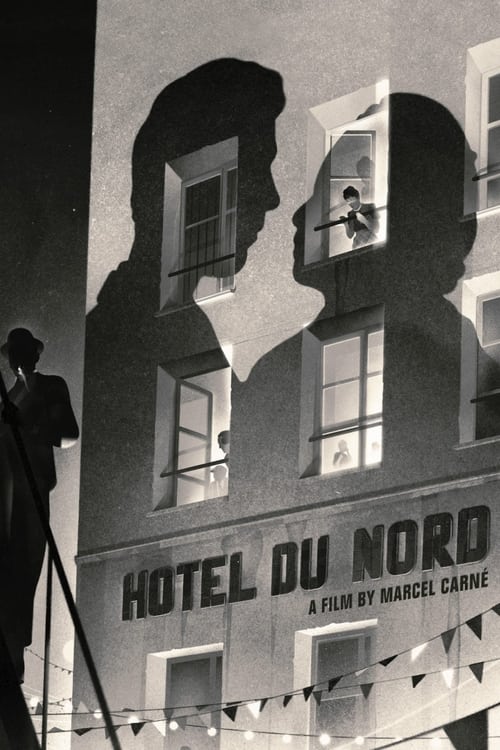
On the meandering Canal St. Martin, at the Parisian Hôtel du Nord, a nearly fatal gunshot separates a dejected young couple. But, amid a sad but beautiful panorama of lively characters, love has the final say. Can life be a fairy tale?
Hôtel du Nord

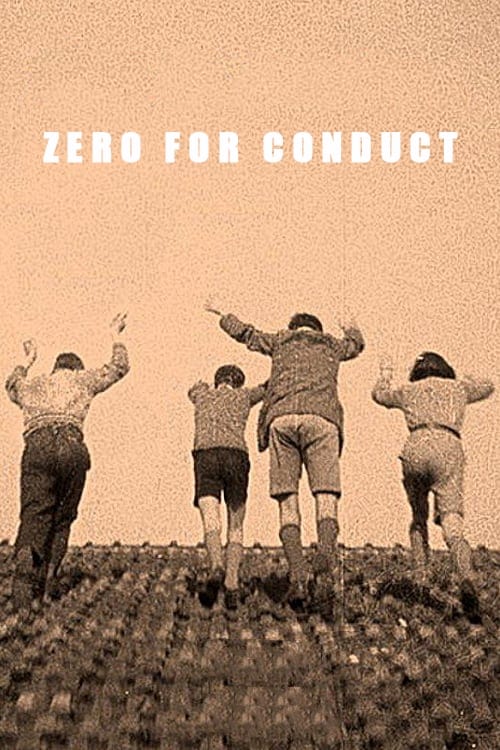
In a repressive boarding school with rigid rules of behavior, four boys decide to rebel against the director on a celebration day.
Zero for Conduct

Newly married couple Juliette and ship captain Jean struggle through marriage as they travel on the L'Atalante along with the captain's first mate and a cabin boy.
L'Atalante

Down a foggy, desolate road to the port city of Le Havre travels Jean, an army deserter looking for another chance to make good on life. Fate, however, has a different plan for him, as acts of both revenge and kindness render him front-page news.
Port of Shadows

The lives of a motherless young man, who's just starting to find interest in women, and his physically abused, poverty stricken friend, are mixed with more or less innocent childhood experiences and challenges most their age experience.
Small Change

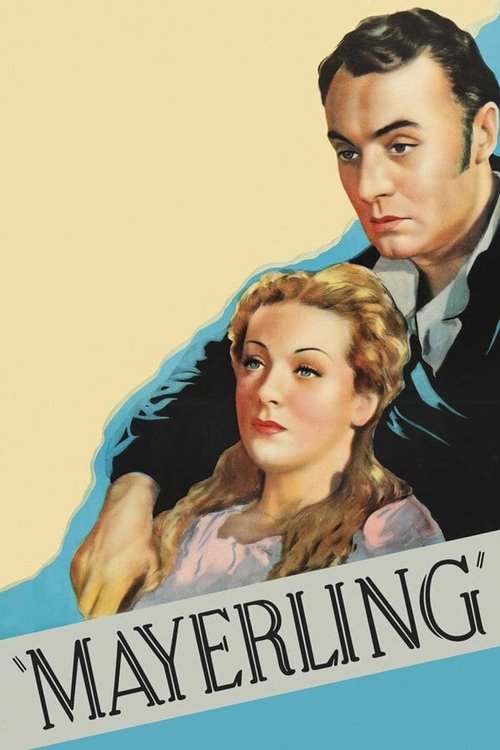
Rudolf, the only heir to Emperor Franz Josef of Austria-Hungary, is trapped in a loveless marriage to a Belgian princess. As he seeks to flee his stifling environment, he meets the beautiful Maria, and the two enter into a scandalous affair. Despite the interference of the Emperor, the couple refuse to give each other up.
Mayerling

Aged penniless actors are living in a old people's home. They always talk about their past glory or failures. One day Raphael Saint-Clair comes; he has been a famous actor and had a lot of love affairs. Passions come back, and jealousies... A bitter film about aging, failure and the entertainment.
The End of the Day

After the death of her husband, Christine realizes she has possibly wasted her life by marrying him instead of the man towards whom, in her youth, she had a stronger inclination. To overcome these dreary thoughts, she decides to find out about him and the other men who danced with her during a ball that was a turning point in her life, many years ago. She pays a visit to those forgotten acquaintances one after the other; Christine is not only surprised to see how they have fared, but also discovers the impact she had, unknowingly, on the feelings and the destiny of these persons.
Life Dances On

This is 1929: the little red riding hood is still with us and her life is more complicated than ever. She still has to go through the forest and she once again comes up against a wolf. This time around the big bad wolf has become a lecherous tramp who keeps stalking the girl trying to wolf her down ... in his own way of course.
Little Red Riding Hood

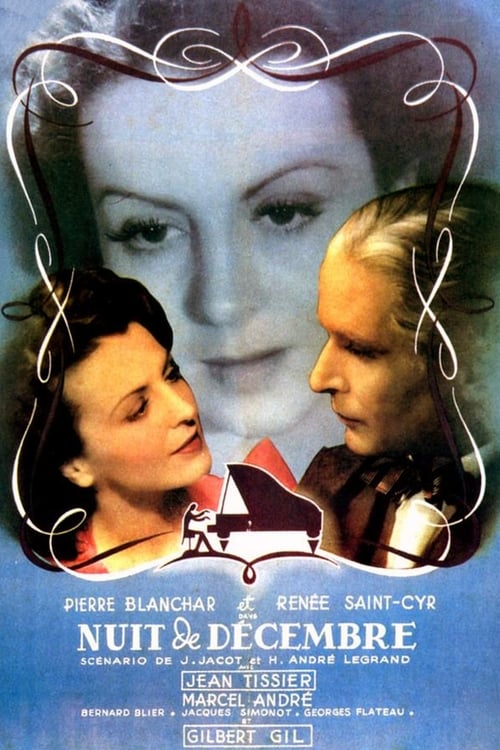
In 1919, Pierre Darmont, a handsome, much-loved piano virtuoso, falls in love with Anne Morris, a young woman who shares his tender feelings. But, quite inexplicably, after an unforgettable night, Anne vanishes without trace. Twenty years later, Pierre, at the peak of his glory, has become embittered. Unable to recover his unhappy love affair, he has collected women without ever committing himself to any. Until some night he meets the eyes of a beautiful young lady, who happens to be the spitting image of his great love...
Night in December

A French farce set in Victorian London where a botanist and his wife get into trouble when they pretend to go missing in order to hide from their sanctimonious cousin – an Anglican bishop who is leading a campaign against such writing.
Bizarre, Bizarre

Someone we hear talking - but whom we do not see - speaks of a project which describes the four key moments of love: meeting, physical passion, arguments/separation and making up. This project is to be told through three couples: young, adult and old. We do not know if the project is for a play, a film, a novel or an opera. The author of the project is always accompanied by a kind of servant. Meanwhile, two years earlier, an American civil servant meets with an elderly French couple who had fought in the Resistance during World War II, brokering a deal with a Hollywood director to buy the rights to tell their story. The members of the old couple's family discuss heatedly questions of nation, memory and history.
In Praise of Love

Perrault's fairy tale presented in claymation with choral voices. Bluebeard goes courting, all six of his wives having died. He arrives at the house of a widow with two daughters. He's greatly feared, but he overcomes objections with a generous dowry. One sister (Anne) refuses him; the other accepts. At his castle, the damsel delights in precious minutes away from Bluebeard in the rose garden. The Saracens declare war; Bluebeard goes off to fight them, leaving the keys to the castle in the damsel's hands. He warns her not to enter the forbidden room. As war rages, she discovers riches in the castle and then enters the forbidden room. Will Bluebeard discover her act? Can she escape death?
Bluebeard

A light, comedy romance about a cab driver named Jean and a flower girl named Anna that takes place in Paris during the Bastille day celebration of July 14th.
July 14

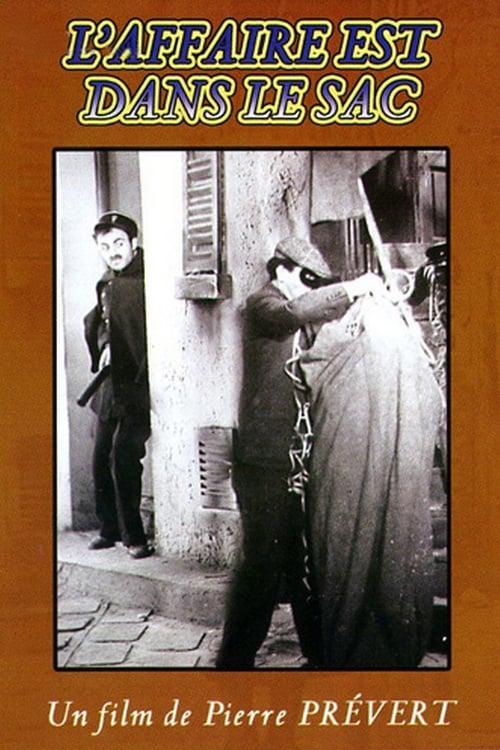
Benjamin Déboisé, a hatter, his salesman and a young man want to kidnap an American millionaire, put him in a bag and hold him to ransom. But they make a mistake: the fellow they find in the bag is not the millionaire himself, but his son...!
It's in the Bag

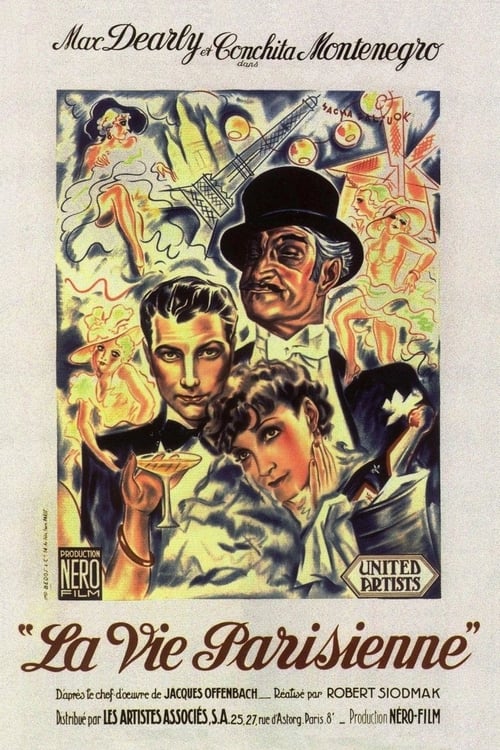
A rich Brazilian, Mendoza, visited Paris in 1900 and was romantically involved with the star of Offenbach's 'La vie parisienne' which was playing at the time. Thirty five years later, he returns with his son and granddaughter, who is engaged to a young Frenchman. But Mendoza's puritanical son forbids the marriage. Mendoza and the actress's friends conspire to change his mind and convert him to 'Parisian life.'