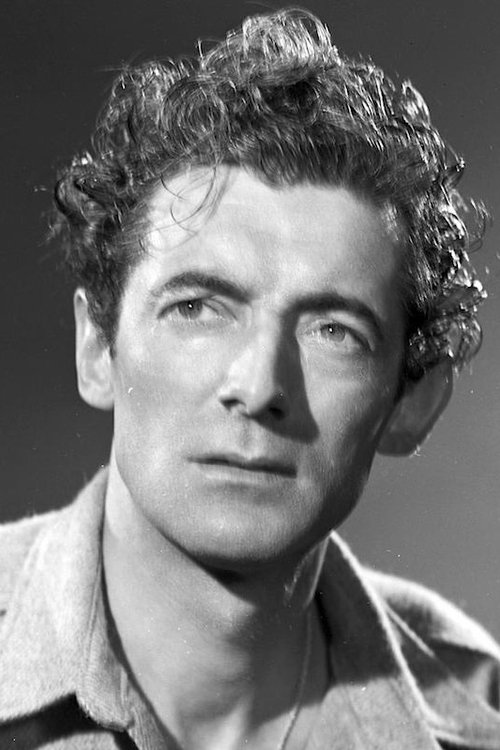
Félix Leclerc
Acting
Biography
Félix Leclerc, (August 2, 1914 – August 8, 1988) was a French-Canadian singer-songwriter, poet, writer, actor and Québécois political activist. He was made an Officer of the Order of Canada on December 20, 1968. Leclerc was posthumously inducted into the Canadian Songwriters Hall of Fame for his songs "Moi, mes souliers", "Le P'tit Bonheur" and "Le Tour de l'île" in 2006. Félix Leclerc was born in La Tuque, Quebec, Canada in 1914, the sixth in a family of eleven children. He began his studies at the University of Ottawa but was forced to stop because of the Great Depression. Leclerc worked at several jobs before becoming a radio announcer in Québec City and Trois-Rivières from 1934 to 1937. In 1939, he began working as a writer at Radio-Canada in Montréal, developing scripts for radio dramas, including Je me souviens. He performed some of his earliest songs there. He also acted in various radio dramas, including Un homme et son péché. He published a number of scripts and founded a performing company which presented plays throughout Québec. In 1950, he was discovered by Paris impresario, Jacques Canetti, and performed in France to great success. He signed a recording contract with Polydor Records. He returned to Québec in 1953. In 1958, he received the top award of the Académie Charles Cros in France for his second album. He was invested into the Order of Canada in 1971, the National Order of Québec and became a Chevalier of the French Légion d'honneur in 1986. Leclerc was the father of three children: the photographer and cameraman Martin Leclerc, film director Francis Leclerc and Nathalie Leclerc, general and artistic director of l’Espace Félix-Leclerc and vice-president of the Fondation Félix-Leclerc. He died in his sleep in Saint-Pierre-de-l'Île-d'Orléans, Québec, in 1988. A monument in his memory was constructed there in 1989. A house which he occupied from 1946 to 1967 (and where his son Martin stayed with his mother for another year) is also a museum in his honour in Vaudreuil-Dorion, west of Montréal. Leclerc played a major role in revitalising the Québec folk song ("chanson") tradition. He also was a strong voice for Québec nationalism. Several parks, roads, and schools in Québec have been named in his honour. The Félix Awards, given to Quebec recording artists, are named after him. In 2000, the Government of Canada honored him with a postage stamp. His semi-autobiographical novel Pieds nus dans l'aube was adapted by his son, filmmaker Francis Leclerc, as the 2017 film Barefoot at Dawn. Source: Article "Félix Leclerc" from Wikipedia in English, licensed under CC-BY-SA 3.0.
Known For
Midi Première is a French variety show presented by Danièle Gilbert, directed by Jacques Pierre and broadcast from January 6, 1975 until January 1, 1982 on TF1. The program was generally broadcast between 12:15 p.m. and 12:55 p.m., then giving way to the 1:00 p.m. TV news. However, the broadcast schedule could change, depending on the guests, and the setting where the recording of the program was shot. Certain performances by artists who have become cult like the one where Ringo jostles with a demonstrator in interpretation (1977), that of Dalida with the title There is always a song with the soundtrack that does not start, twice, at the right speed (1978), Claude François and his Clodettes, who, in the provinces, are unable to join "the set" in order to interpret his song, the latter being taken by the crowd of delirious fans (summer 1977) . The group Supertramp performed there with the title "Dreamer" on March 8, 1975.
Midi Première
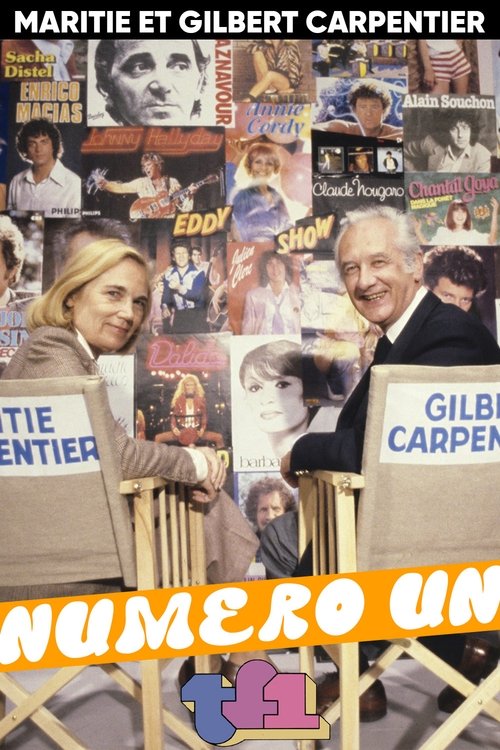
A French variety show.
Numéro un
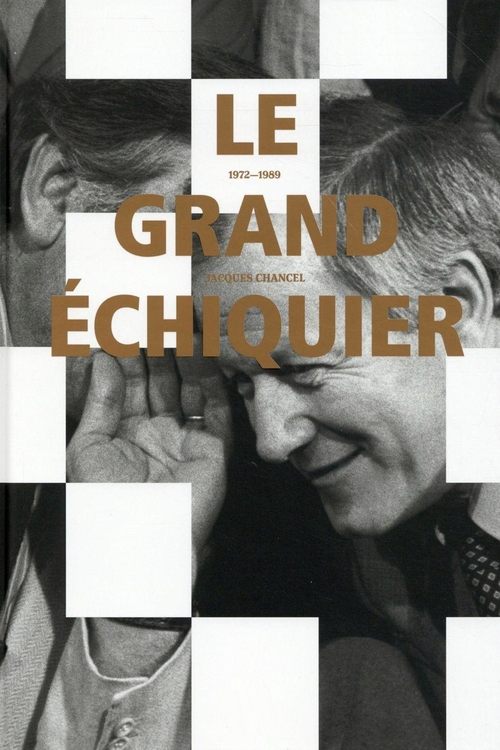
Le Grand Échiquier is a French variety television program created and presented by Jacques Chancel. It aired at 8:30 pm on the first channel of the ORTF from January 12, 1972 to July 12, 1972, then on the second color channel of the ORTF from September 1972 to December 1974, and finally on Antenne 2 from January 1975 to December 21, 1989. The program returned to France 2 on December 20, 2018 and is hosted by Anne-Sophie Lapix.
Le Grand Échiquier
No description available.
Discorama
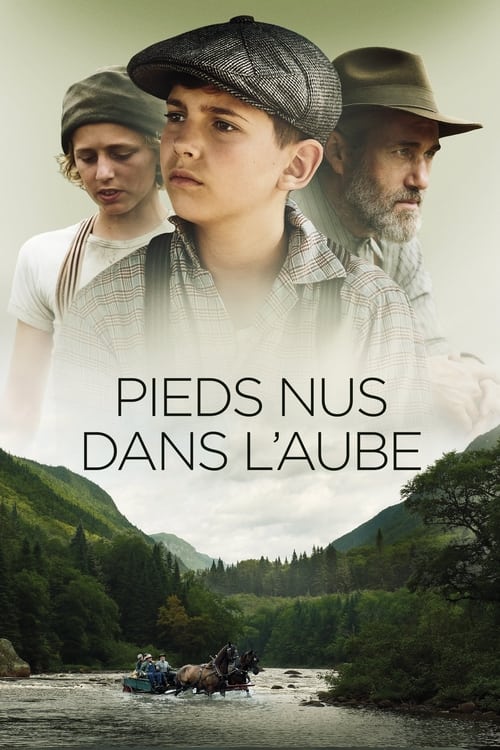
February 1927: Félix Leclerc's last year with his family before attending a private college in the fall. Accompanied by Fidor, his faithful friend, he will face adversity, love, death, and will embark on the path of adulthood.
Barefoot at Dawn
No description available.
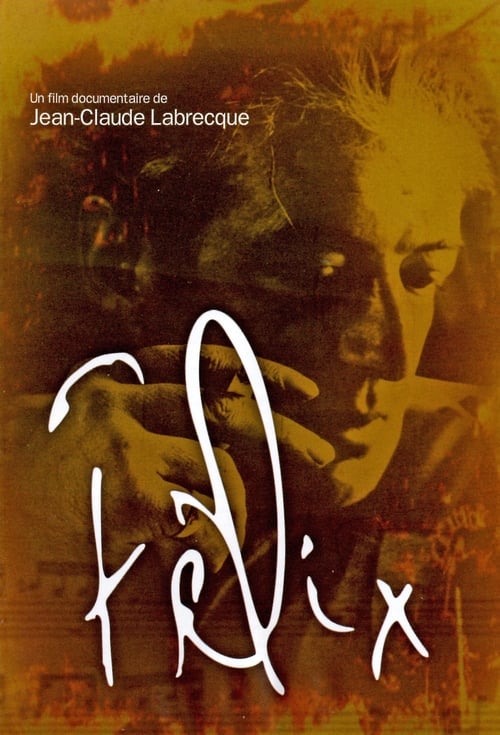
Félix
An anthology of sequences from the best films that the National Film Board of Canada produced since its beginnings. Divided by themes and presented by a trio of actors-signers (including Carle's wife Chloé Sainte-Marie) who sings the same song in between the movie excerpts. This movie celebrated the anniversary of the National Film Board in 1985.
Cinéma, cinéma
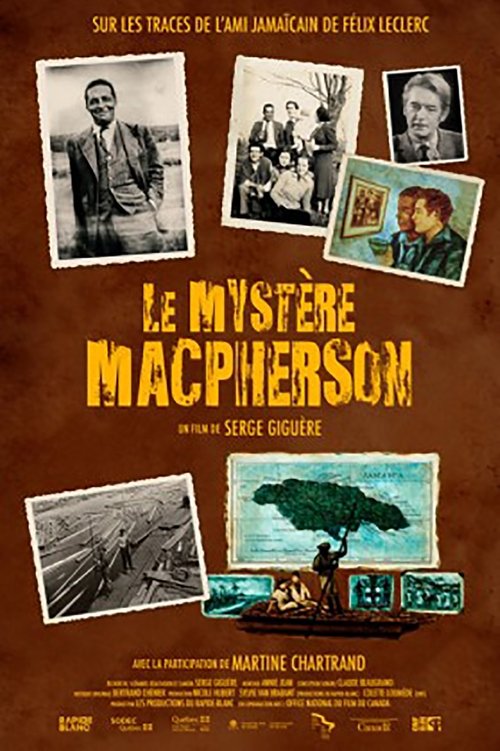
Years after first being inspired by a Félix Leclerc song, Martine Chartrand directed the film MACPHERSON. Ten years in the making, it features animated painting on glass and draws on her extensive research on the title character. Filmmaker Serge Giguère was there from the start, carefully and sympathetically chronicling this exceptional creative process.
Finding Macpherson
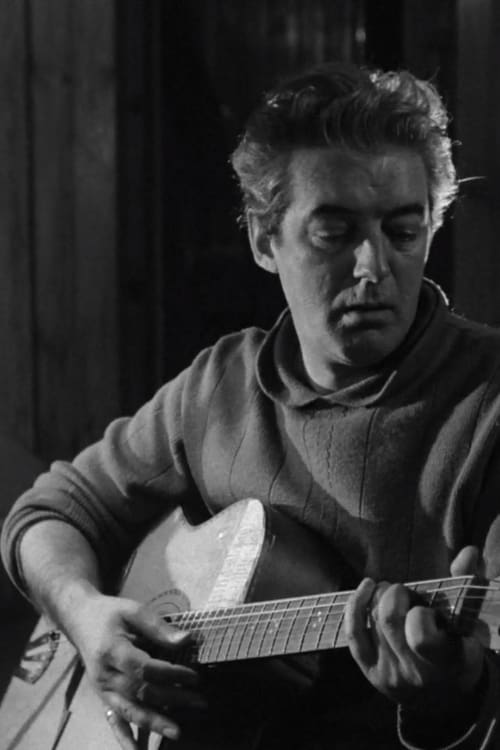
No description available.
Félix Leclerc, troubadour
No description available.
La vie
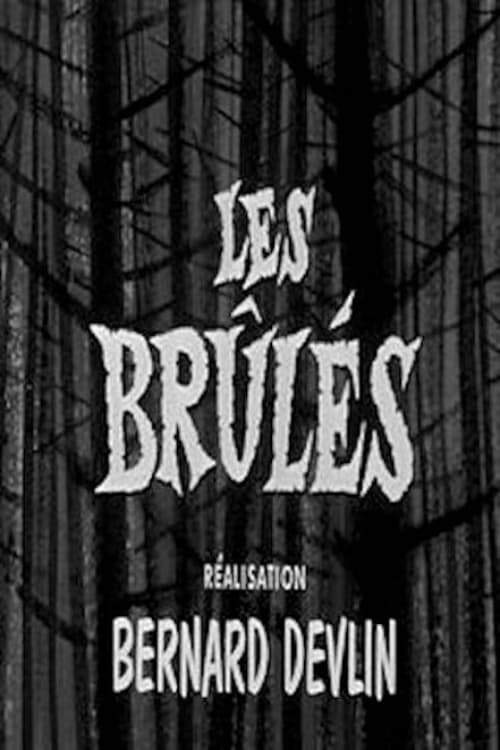
Pioneers struggle to establish a town in the harsh unsettled wilderness of northern Quebec during the depression.
The Promised Land
No description available.
Let's sing now
Exceptional documentary devoted to Félix Leclerc. The images are taken from five films produced by the NFB during the 1950s (Un Canadien à Paris from the Coup d'oeil series, Chantons maintenant, Félix Leclerc, troubadour, La Drave and Les Brûlés). A commentary by writer Marcel Dubé, with narration by Monique Leyrac, enriches this previously unpublished documentary portrait.
C'est la première fois que j'la chante

In this National Film Board short, a ballad singer describes a yearly Quebec spectacle when spruce wood moves down a river, spurred by dynamite and cant hooks and twirled by the boots of leaping men.
Log Drive
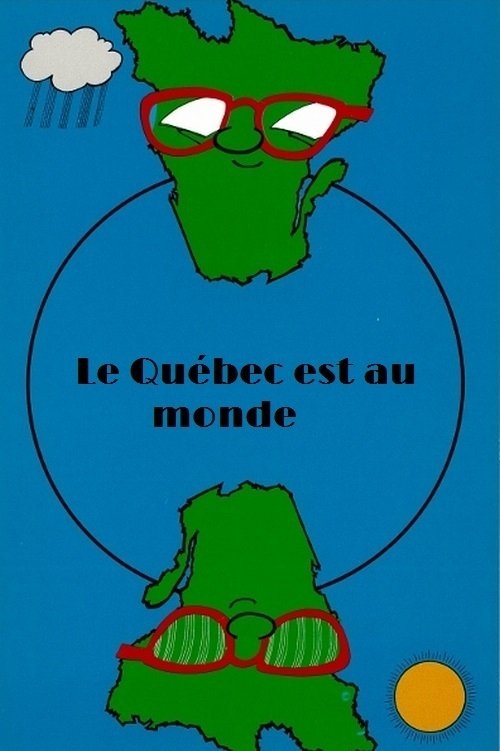
This film covers the transitional political period between the election of the Parti Québécois on November 15, 1976, and the Canadian federal election that brought Joe Clark to power. Featuring some of our most colourful politicians, historians, journalists, artists and citizens, this film highlights in parallel the convictions of each on the national political question, on the eve of the first Quebec referendum. Montage of newsreels shot between the election of the Parti Québécois on November 15, 1976, and the federal election of 1979.
Le Québec est au monde

The song “Cadet Rousselle”, illustrated with drawings by Jean Dallaire and sung by Félix Leclerc.