Barry Cowling
Writing
Known For
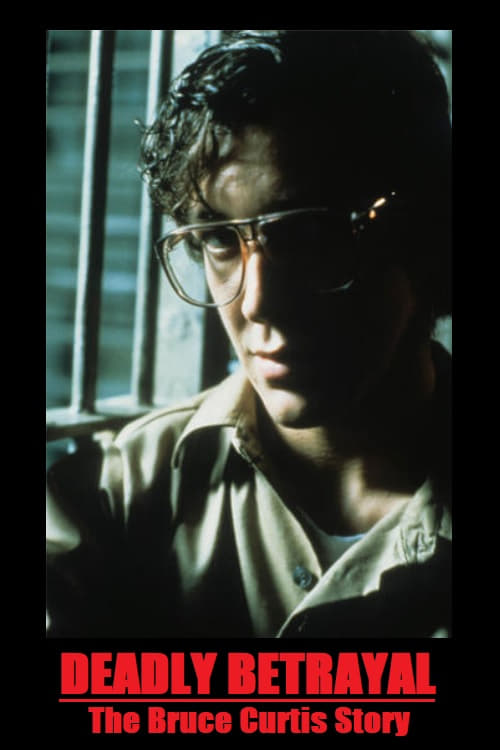
A "true crime" docu-drama: in July 1982, Al and Rosemary Podgis were shot dead in their home in New Jersey. Rosemary's son Scott and his Canadian high-school friend Bruce Curtis were charged with their murder. Scott confesses to deliberately shooting his stepfather Al, but Bruce insists that his shooting of Rosemary was accidental.
Deadly Betrayal: The Bruce Curtis Story
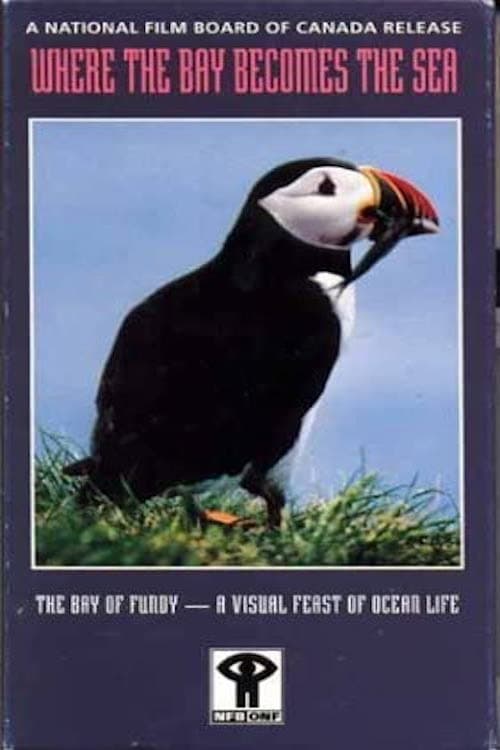
This is a documentary about the fragile and complex marine ecosystem in the Bay of Fundy. The film traces relationships within the food chain - from tiny plankton to birds and seals and finally to whales and humans. The film is a plea for careful management of our ocean resource and was first telecast as part of CBC's Nature of Things series.
Where the Bay Becomes the Sea
Follow two Canadians, Bob Lush and Mike Birch, aboard their yachts during the 1980 Observer Singlehanded Transatlantic Race. More than a record of this prestigious international sailing event, the resulting film is the starting point for an epic of challenge and determination.
Singlehanders
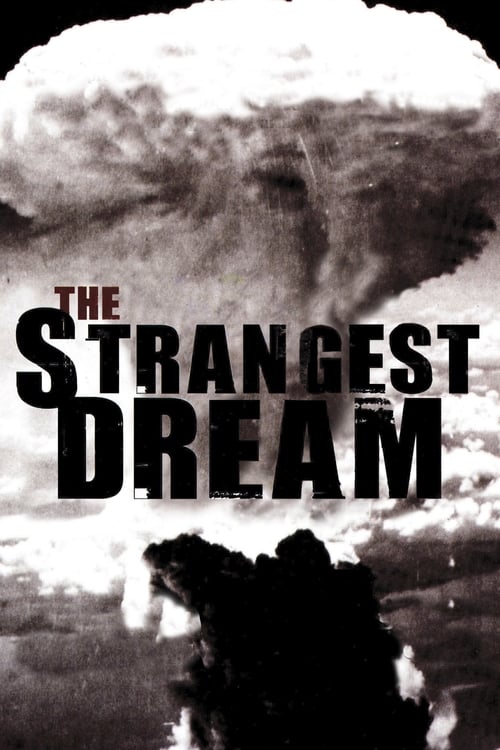
The Strangest Dream tells the story of Joseph Rotblat, the history of nuclear weapons, and the efforts of the Pugwash Conferences on Science and World Affairs - an international movement Rotblat co-founded - to halt nuclear proliferation.
The Strangest Dream
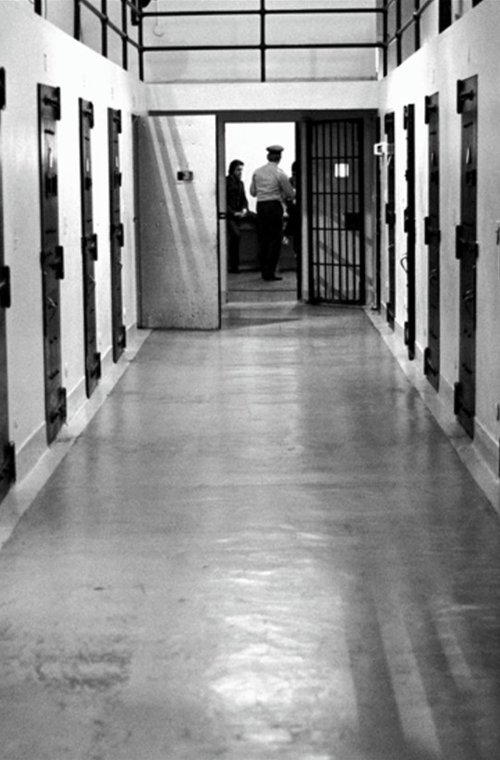
A short 1979 doc about life inside Kingston Penitentiary.
A Warehouse for Bodies
This short film studies the works of one of Canada's greatest contemporary etchers - Newfoundland-born David Blackwood. The artist himself guides viewers through a step-by-step explanation of the etching process. Scenes of his hometown, examples of his own work and vivid tales of an old mariner recall the tragic seal hunts and a way of life that has now vanished.
Blackwood
Visually seductive, this film uncovers a few hard truths under the packaging. Dr. Vladimir Krajina, botanist and teacher, is waging a successful battle in British Columbia for the creation of ecological reserves. He explains the importance of such sanctuaries and why people must know and respect nature's laws if the future needs of industry and the desire for a high quality of life are to be reconciled.
The Forests and Vladimir Krajina
Newfoundland painter Gerald Squires has referred to his portraits as "confrontations," though not intending the hostility that word can convey. This film shows a meeting between the artist and Edythe Goodridge, art curator and critic. Through a combination of Squires's reflections on his life and work and the good-natured banter of these two friends, an intimate portrait evolves of the artist and his subject.
Portrait: Gerald Squires of Newfoundland
The film explores how the three British colonies of New Brunswick, Nova Scotia and Prince Edward Island became provinces of Canada and charts the subsequent decline of their economies after Confederation. Photographs, archival drawings, cartoons and interviews with Maritime historians are used to document the case.
Empty Harbours, Empty Dreams
A historical survey of the office of the Canadian governor general, from its inception through the inauguration of Edward Schreyer to office.
The Unbroken Line
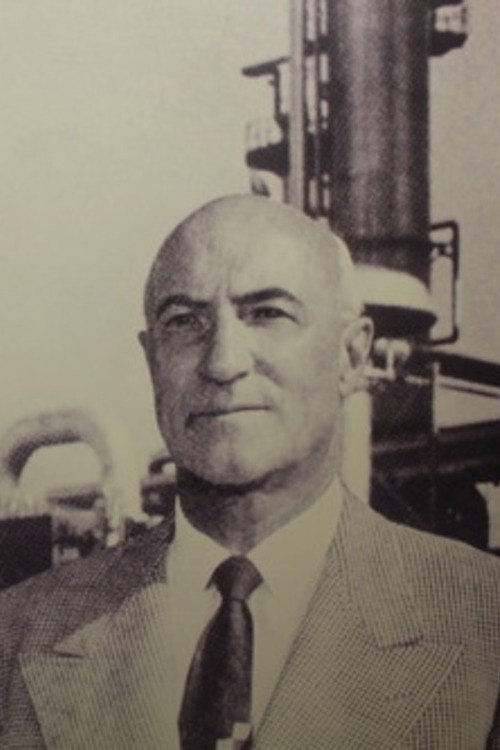
To anyone outside the Atlantic provinces, K. C. Irving is virtually unknown. Yet he is reputed to be the richest man in Canada, patriarch of a New Brunswick-based industrial empire involving oil, transportation, newspapers, lumber and much more. This one-hour documentary marks the first time a filmmaker has gained access to the legendary Irving, whose business career began in 1924 with the purchase of an oil truck. It is an absorbing look at a man who amassed great wealth as a by-product of his main objective: "to see wheels turn."
I Like to See the Wheels Turn
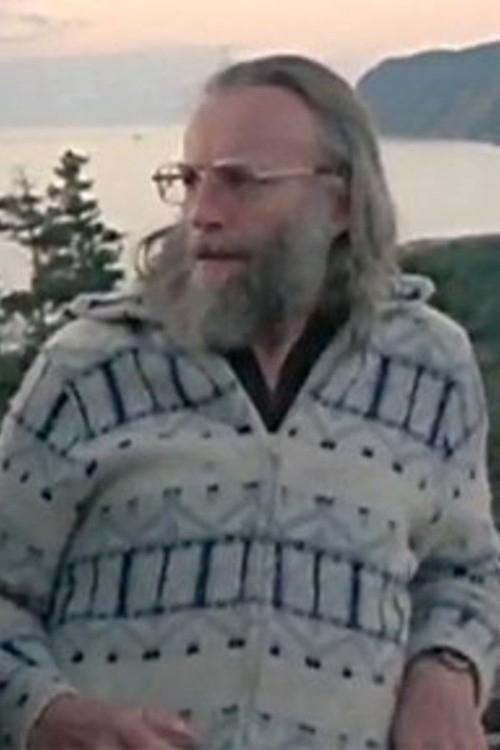
Newfoundland writer Harold Horwood has been called many things, but his own opinion of himself is undiminished. A former union organizer, politician in the Smallwood government, muckraking journalist, and founder of a counterculture "free school" in the 1960s, he is also an award-winning author whose regional base has not lessened his national stature.
The Author of These Words: Harold Horwood

From the flat roof of his old house, a young Nova Scotian turns and takes a 360o look at life in Sambro, Nova Scotia, the small coastal village where he now lives.
Change by Degrees
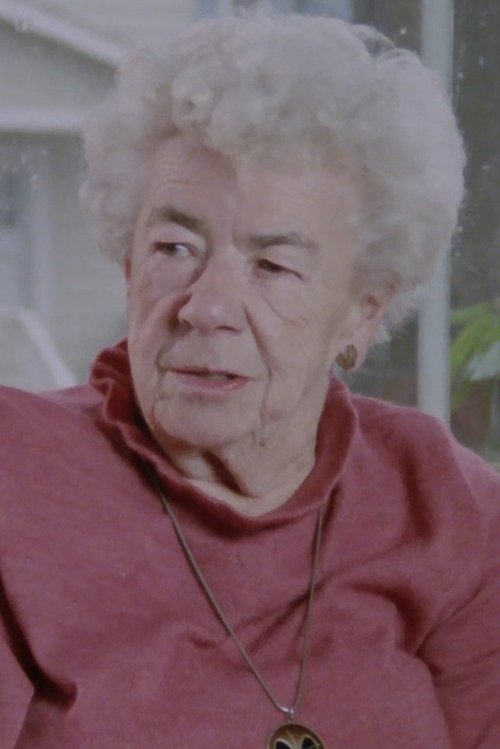
Margaret Perry, now in her eighties, is the unsung heroine of the Nova Scotia film industry. For over a quarter of a century, she shot, directed, wrote and edited all the tourist films for the province. Through her camera, we view changes in the landscape, in lifestyles, and in film technology.
Margaret Perry: Filmmaker
A growing number of parents are concerned about the impersonal approach to childbirth seen in many hospitals. They find hospital procedures inflexible and more often geared to the needs of the institution than to those of child and parent. Members of the medical profession and parents discuss today's obstetric methods and alternatives to them. The film candidly records the birth of a baby and the interaction of mother and father.
An Unremarkable Birth
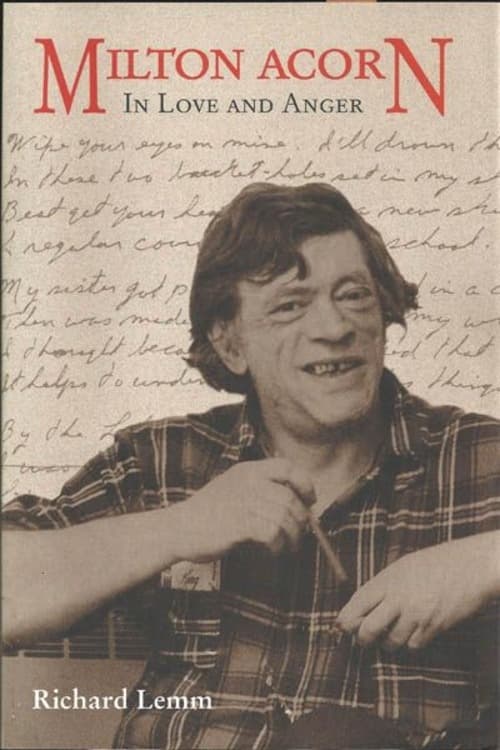
This feature documentary profiles poet Milton Acorn, who left his home in Prince Edward Island in the late 1940s to earn his living as an itinerant carpenter, and wound up in Toronto as one of Canada's most highly regarded poets and one of its most outrageous literary figures. Dubbed "The People's Poet" by fellow poets, he won the Governor General's Literary Award in 1975. Burned out by personal crises, Acorn moved back to Charlottetown in 1981. This film, directed by a P.E.I. filmmaker, brings out Acorn's wit, love of nature, unorthodox political views, and sometimes infuriating personal contradictions.
In Love and Anger: Milton Acorn - Poet
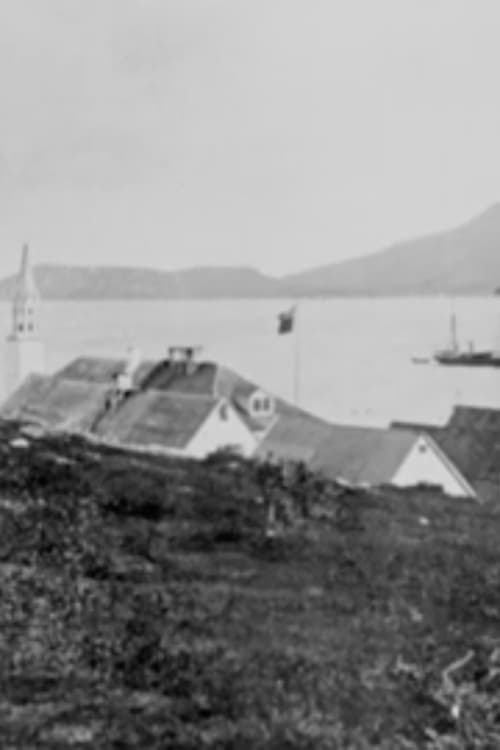
This short documentary tells the story the once-thriving town of Okak, an Inuit settlement on the northern Labrador coast. Moravian missionaries evangelized the coast and encouraged the growth of Inuit settlements, but it was also a Moravian ship that brought the deadly Spanish influenza during the world epidemic of 1919. The Inuit of the area were decimated, and Okak was abandoned. Through diaries, old photos and interviews with survivors, this film relates the story of the epidemic and examines the relations between natives and missionaries.